
Ski touring has rapidly evolved from a niche mountaineering activity into one of the most dynamic growth sectors within the global snowsports industry. As winter sports enthusiasts increasingly prioritize personal health, environmental connectivity, and the physical challenge of the ascent, the traditional model of lift-assisted downhill skiing is finding a powerful, and increasingly popular, counterpart. The Austria National Tourist Office (ANTO) recently released a comprehensive guide to the sport, aiming to demystify the discipline for newcomers while providing technical pathways for seasoned veterans. This surge in interest, particularly among travelers from the United Kingdom and across Europe, marks a significant shift in how tourists engage with the Austrian Alps.
The core distinction between traditional downhill skiing and ski touring—often referred to as “skinning”—is the inversion of the mountain experience. In conventional skiing, the lift provides the vertical gain, allowing the skier to conserve energy for the descent. In ski touring, the skier provides the propulsion to reach the summit, using specialized equipment to navigate snow-covered terrain. This necessitates a fundamental change in gear. Touring skis feature bindings that release at the heel for walking, and the base of the skis is covered in “skins”—fabric strips that provide the necessary friction to prevent sliding backward on inclines. Additionally, the boots and poles are engineered for both the high-exertion climb and the technical descent.
Historical context suggests that ski touring was the original form of the sport, dating back to the late 19th century in the Alpine regions of Scandinavia and Central Europe. For decades, it remained the domain of professional alpinists and mountain guides. However, a confluence of factors—including the post-pandemic desire for socially distanced outdoor recreation and a broader trend toward wellness-oriented tourism—has accelerated its mainstream adoption. Data from regional tourism boards indicates that the number of certified ski touring guides in Austria has increased by approximately 20% over the last five years, a direct response to the rising demand for safe, guided instruction.
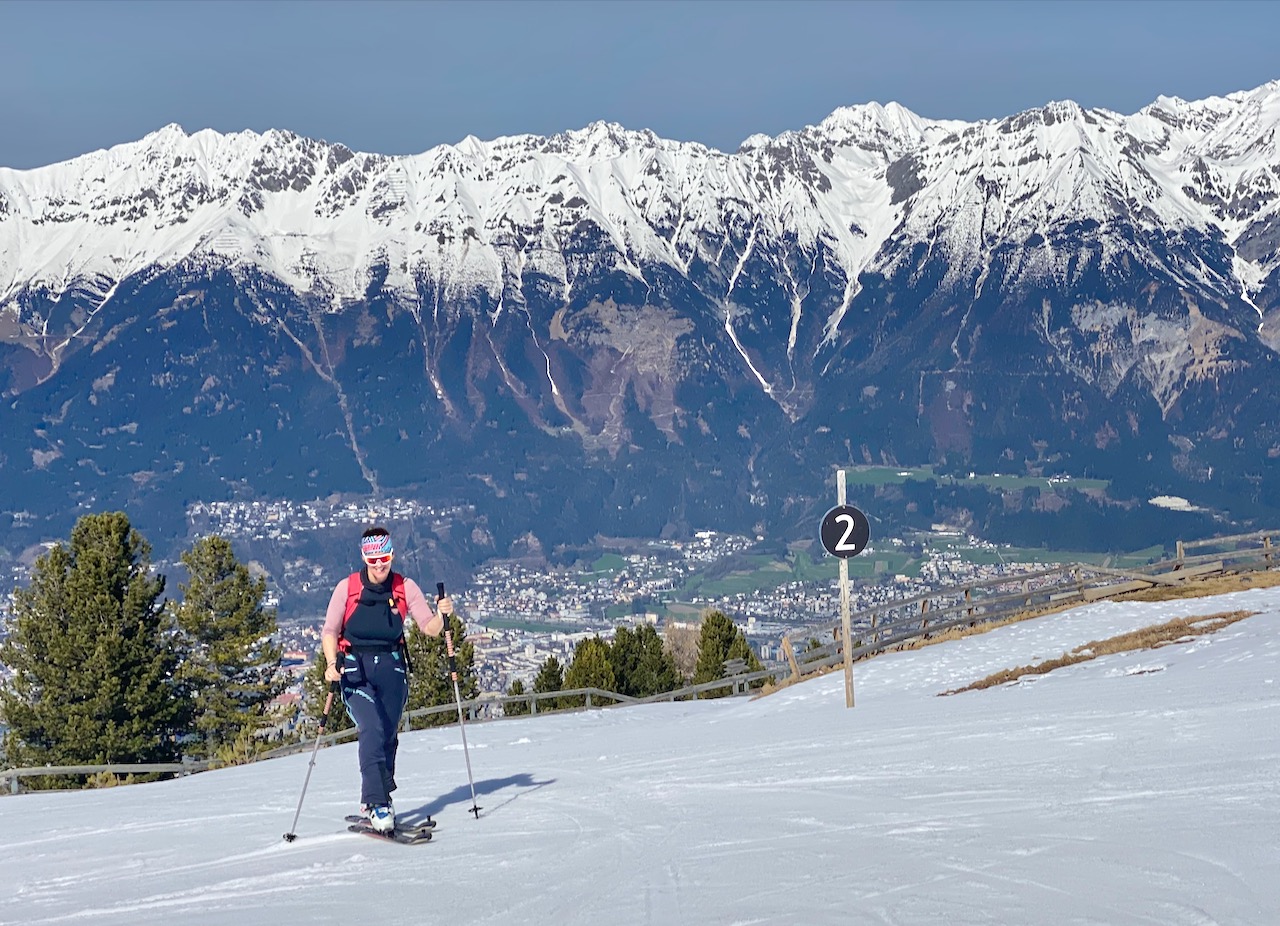
The Austria National Tourist Office emphasizes that while the sport is accessible, it requires a higher baseline of fitness and a different set of safety protocols compared to piste skiing. “Ski touring keeps trending, with more and more winter sports enthusiasts swapping their regular skiing for touring gear,” an ANTO representative noted. This shift is not merely a hobbyist trend; it represents a significant economic pivot for Austrian resorts that are diversifying their winter offerings to cater to a demographic that values sustainability and fitness over the convenience of mass-transit lift systems.
For the uninitiated, the most common error is the inefficient lifting of skis during the ascent. Seasoned tourers emphasize a gliding technique, maintaining constant contact with the snow to conserve energy. Beyond the physical mechanics, education is the industry’s top priority. Beginners are strongly encouraged to enroll in introductory courses that cover essential mountain safety: reading topography, interpreting fluctuating weather patterns, and, most critically, the proficiency in using avalanche transceivers and emergency probes.
Regional Profiles for Every Skill Level
Austria’s topography offers a spectrum of touring experiences, categorized by the technical difficulty of the terrain. For novices, the primary objective is to build stamina and familiarity with the gear in a controlled environment.
In Ischgl, the Silvretta region provides a robust infrastructure for beginners. By utilizing the Piz Val Grondabahn lift, newcomers can bypass the most grueling vertical sections and begin their tour at a high altitude of 2,752 meters. The 3.4-kilometer route toward the Col Val Grondabahn serves as an ideal introduction to both the ascent and the technical descent.
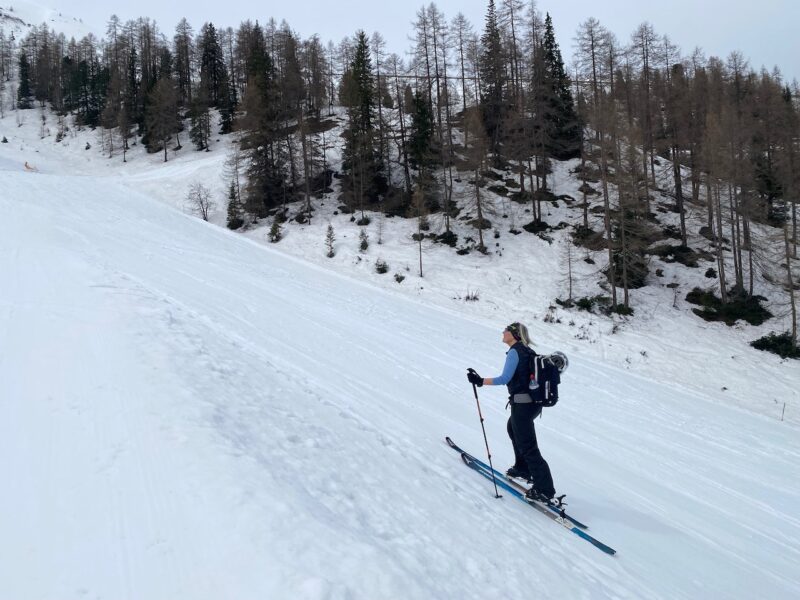
Similarly, the Grossarl valley in SalzburgerLand has carved out a reputation for its “mountain health” (Berg-Gesund) initiative. By offering taster sessions with certified mountain guides, the region ensures that the transition from a lift-skier to a touring-skier is supported by professional oversight. The Kreuzeck area in Hüttschlag is particularly noted for its quiet, non-congested slopes, allowing beginners to practice their stride without the pressure of high-traffic areas.
For those looking for a cross-border adventure, the Serfaus-Fiss-Ladis region in Tirol hosts the “Smuggler’s Tour to Switzerland.” This route is emblematic of the modern touring experience: it combines the physical rigor of skinning with the cultural novelty of traversing international borders. The inclusion of a return by cab demonstrates how resorts are blending traditional adventure with modern logistics.
Advanced Terrain and Endurance Challenges
As proficiency grows, the appeal of the sport shifts from simple physical exercise to complex expeditionary travel. The Achensee region serves as a primary hub for intermediate and advanced tourers. The Rofanspitze mountain, with its renowned Wiesing ascent, is considered one of the most technical and rewarding runs in the Eastern Alps. It is here that the industry focuses on “ski touring camps,” where experts provide intensive, one-to-two-day training on navigating high-alpine terrain and steep-face descent management.
In Vorarlberg, the westernmost province, the Schesaplana summit (2,965 m) in the Rätikon massif offers an endurance test that lasts roughly five hours. This is not a casual day trip; it is a serious mountaineering undertaking. The reward for such effort is a descent through vast, untouched powder fields, a luxury that has become increasingly scarce in the world of heavily trafficked ski resorts.

Multi-Day Expeditions and Alpine Infrastructure
For the committed tourer, multi-day circuits offer a deeper immersion into the wilderness. The Kitzbühel Alps host a four-day traverse from Kelchsau to Aschau, covering roughly 60 kilometers of varying elevation. This route is designed for those with significant experience, as the changing weather conditions and the necessity of managing equipment over multiple days demand high levels of self-sufficiency.
The Silvretta Montafon region remains a gold standard for multi-day tours. The 5-to-7-day circuit allows for a customizable itinerary, with a network of high-altitude huts—such as the Jamtalhütte and the Wiesbadener Hütte—providing shelter and refueling points. The ability to tailor the route based on real-time fitness levels and weather forecasts makes this region one of the most flexible and popular in Austria.
The Rise of Night Touring
The evolution of the sport has also seen the rise of “night touring.” This segment is strictly managed, as safety is paramount when visibility is reduced. Several regions, including Innsbruck and the Mutteralm, have opened designated routes on flood-lit slopes. By restricting these activities to specific evenings and clearly marked, patrolled pistes, resorts are creating a safe space for enthusiasts to train after the workday.
At Patscherkofel, for example, the Olympic downhill run is periodically opened for night tourers, providing a unique perspective on the mountain. Similarly, the Reither Kogel in the Ski Juwel Alpbach Wildschönau region offers a dedicated Tuesday night route, free from the interference of lift operations, allowing for a serene ascent under the stars.

Implications for the Future of Snowsports
The growth of ski touring is not without its challenges. There is an ongoing dialogue regarding the environmental impact of increased mountain traffic and the necessity of preserving fragile high-alpine ecosystems. Furthermore, the commercialization of these routes—once considered the exclusive domain of locals—requires a delicate balance between encouraging tourism and maintaining the integrity of the sport.
However, the economic implications are overwhelmingly positive for rural Austrian communities. By diversifying their product, these regions are ensuring that their local economies remain resilient even during periods of lower natural snowfall, as touring requires less extensive snow-grooming infrastructure than traditional alpine skiing.
As the industry moves forward, the focus is clearly on education and sustainability. The collaboration between the Austria National Tourist Office and local mountain associations suggests that the future of the sport is one of guided, responsible, and highly technical exploration. For the traveler, this means that the Austrian Alps are no longer just a place to ride a lift; they are a vast, interconnected landscape that demands, and rewards, active participation in the mountain environment. Whether one is a complete novice looking for a first session in the Grossarl valley or a seasoned expert targeting the peaks of Vorarlberg, the shift toward ski touring represents a return to the roots of the sport—one defined by the rhythm of the stride and the silence of the summit.

