
The landscape of professional long-distance skiing is facing a significant period of transition. As the rights cycle for major winter sports events undergoes reassessment across the Nordic region, the future of the Ski Classics series—the premier international long-distance cross-country skiing championship—remains shrouded in ambiguity for Norwegian viewers. While TV 2 recently secured the rights to the FIS Ski World Championships in Falun, the broadcasting strategy for the upcoming Ski Classics season is currently in a state of flux, leaving fans and athletes awaiting clarification.
The Current Broadcasting Landscape
For several years, the Norwegian state broadcaster, NRK, has been the primary home for the Ski Classics series. Through consistent, high-quality production and widespread availability on free-to-air television, NRK played a pivotal role in elevating the status of long-distance skiing from a niche winter activity to a mainstream spectator sport. However, the existing agreement between the series organizers and the broadcaster concluded following the 2026 season, leaving the rights open for negotiation.
In contrast to the situation in Norway, the landscape in Sweden has already shifted definitively. Sveriges Television (SVT), the Swedish public service broadcaster, has officially opted against renewing its contract for the series. While SVT will maintain its commitment to broadcasting the iconic Vasaloppet—the centerpiece of the long-distance calendar—it has withdrawn its coverage of the remainder of the Ski Classics tour. This decision marks a significant departure from the trend of recent years, where public broadcasters served as the primary vehicles for building audience interest and brand awareness for the sport.
Official Responses and Media Stance
The uncertainty regarding the Norwegian market is underscored by a lack of transparency from the state broadcaster. When approached for comment regarding whether NRK intends to bid for or renew the rights for the upcoming season, the broadcaster’s leadership has adopted a cautious stance.
Espen Olsen Langfeldt, the sports editor at NRK, stated in a recent interview that the organization does not comment on ongoing or unresolved rights processes. This "no comment" policy is standard practice in media negotiations, yet it leaves a vacuum of information for stakeholders, including professional teams and individual athletes who rely on television exposure for sponsorship value and public engagement.
Implications of the Shift: The Northug Perspective
The potential loss of broad, free-to-air television coverage is causing alarm among key figures in the sport. Petter Northug, the former cross-country skiing world champion who has become a prominent force in long-distance skiing since his transition to the discipline in 2022, has been particularly vocal regarding the risks associated with this media shift.
Northug, who has invested heavily in the sport through the establishment of his own professional outfit, Team Burger King Northug, views the potential move away from national broadcasters as a threat to the visibility of the sport. Drawing comparisons to the transition of World Cup cross-country skiing rights to commercial platforms like Viaplay, Northug argues that moving content behind a paywall reduces accessibility for a vast segment of the audience.
"We have a responsibility to showcase the product," Northug remarked in discussions regarding the changing media landscape. His concern is not merely academic; it is existential for the teams that rely on commercial partnerships. If the sport is hidden from the general public, the intrinsic value of sponsoring a long-distance team diminishes, potentially impacting the financial viability of the entire ecosystem.
The Evolution of Content Production
Recognizing that the traditional television model may no longer be the sole guarantor of visibility, Northug has proposed a shift in strategy for athletes and teams. He suggests that professional teams must take greater ownership of their media footprint. By producing high-quality content for their own digital and social media channels, teams can maintain a connection with their audience even if traditional broadcasting reaches fewer homes.
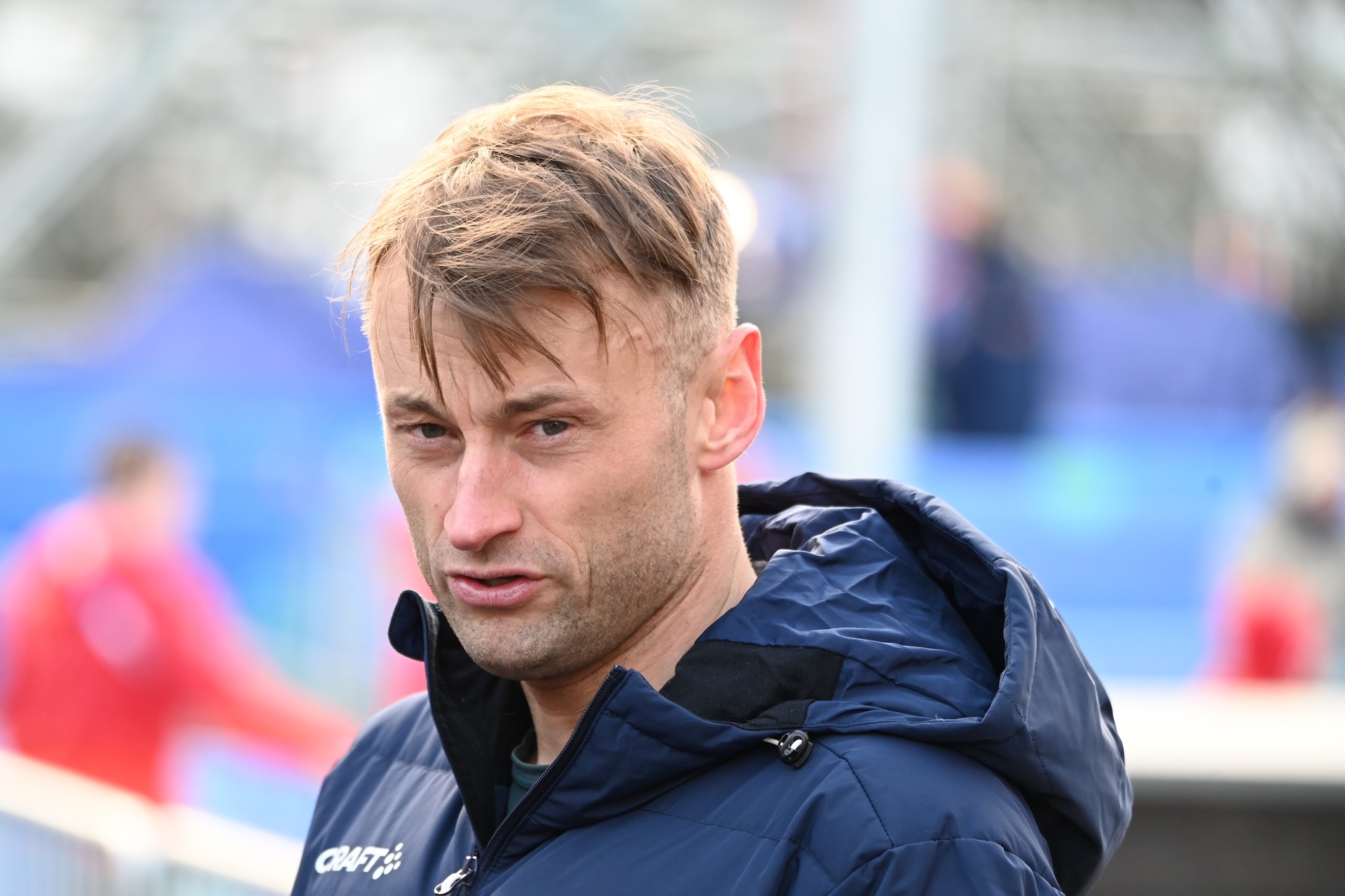
"It will be a significant loss if the exposure decreases," Northug admitted. "Therefore, we must be adept at creating compelling content within our own channels. With emerging stars like Alvar Myhlback and other established profiles, we have the necessary personalities to capture attention, but we must be strategic in how we deliver that content to the public."
Structural Changes and Digital Alternatives
Regardless of whether NRK decides to pursue the rights, it is clear that the medium of consumption is diversifying. All races in the Ski Classics series are guaranteed to be available via SC Play, the dedicated streaming platform for the series. However, as is common with modern sports rights, these broadcasts are shielded by a paywall.
This transition follows a broader trend in the sports industry: the migration of premium sports content from public service broadcasters to either commercial subscription platforms or direct-to-consumer digital services. While this model often provides the capital necessary for organizers to maintain high-quality production standards, it necessitates a fundamental change in viewer habits. The challenge for organizers is balancing the need for broadcasting revenue with the need to keep the sport "relevant" and accessible to a wide demographic.
Historical Context and Growth
The rise of the Ski Classics series over the past decade has been one of the most successful narratives in winter sports. By professionalizing the long-distance circuit and introducing a series of high-stakes events, the organizers successfully tapped into the cultural significance of events like the Vasaloppet, the Marcialonga, and the Birkebeinerrennet.
In the early years, the involvement of national broadcasters like NRK and SVT was instrumental in establishing the legitimacy of the series. These broadcasters provided the production infrastructure that allowed the sport to be presented with the same gravity as the FIS World Cup. The current tension arises from the fact that the commercial value of the sport has grown, yet the appetite of public broadcasters for expensive sports rights is being constrained by budget pressures and shifting strategic priorities.
The Economic Realities of Sports Broadcasting
The shift in broadcast rights is rarely a simple matter of preference; it is primarily driven by economic calculations. Public broadcasters are increasingly scrutinized regarding their spending on high-cost sports rights. When a private entity offers a higher bid, or when a sport’s reach is determined to be insufficient to justify the cost of the license fee, public broadcasters often withdraw.
For Ski Classics, the withdrawal of SVT represents a strategic realignment. The broadcaster likely concluded that the Vasaloppet provides sufficient value to the Swedish public, whereas the remainder of the tour, while prestigious, may not command the viewership numbers required to justify the acquisition cost within their specific programming mandate. Whether NRK reaches a similar conclusion for the Norwegian market remains the central question for the upcoming season.
Looking Ahead: The Future of the Series
As the winter season approaches, the sports industry will be watching the developments in Norway closely. The outcome of the current negotiations will likely set a precedent for how niche professional sports are broadcast in the coming years. If the sport remains on a free-to-air channel, it will be a significant victory for the visibility of long-distance skiing. If it moves exclusively to a subscription-based platform, it will confirm the industry’s trajectory toward a more segmented, digital-first landscape.
For the athletes, the goal remains the same: to perform at the highest level. However, the off-track battle for visibility is becoming just as critical as the race for the podium. As Northug and others have indicated, the professionalization of the sport is no longer limited to physical training and equipment testing; it now extends to the digital arena, where the battle for the viewer’s attention will ultimately decide the long-term future of the series.
In the coming weeks, a formal announcement regarding the Norwegian rights is expected. Until that time, the silence from NRK serves as a reminder of the delicate balance between public interest, commercial viability, and the enduring passion for the sport of cross-country skiing.

