
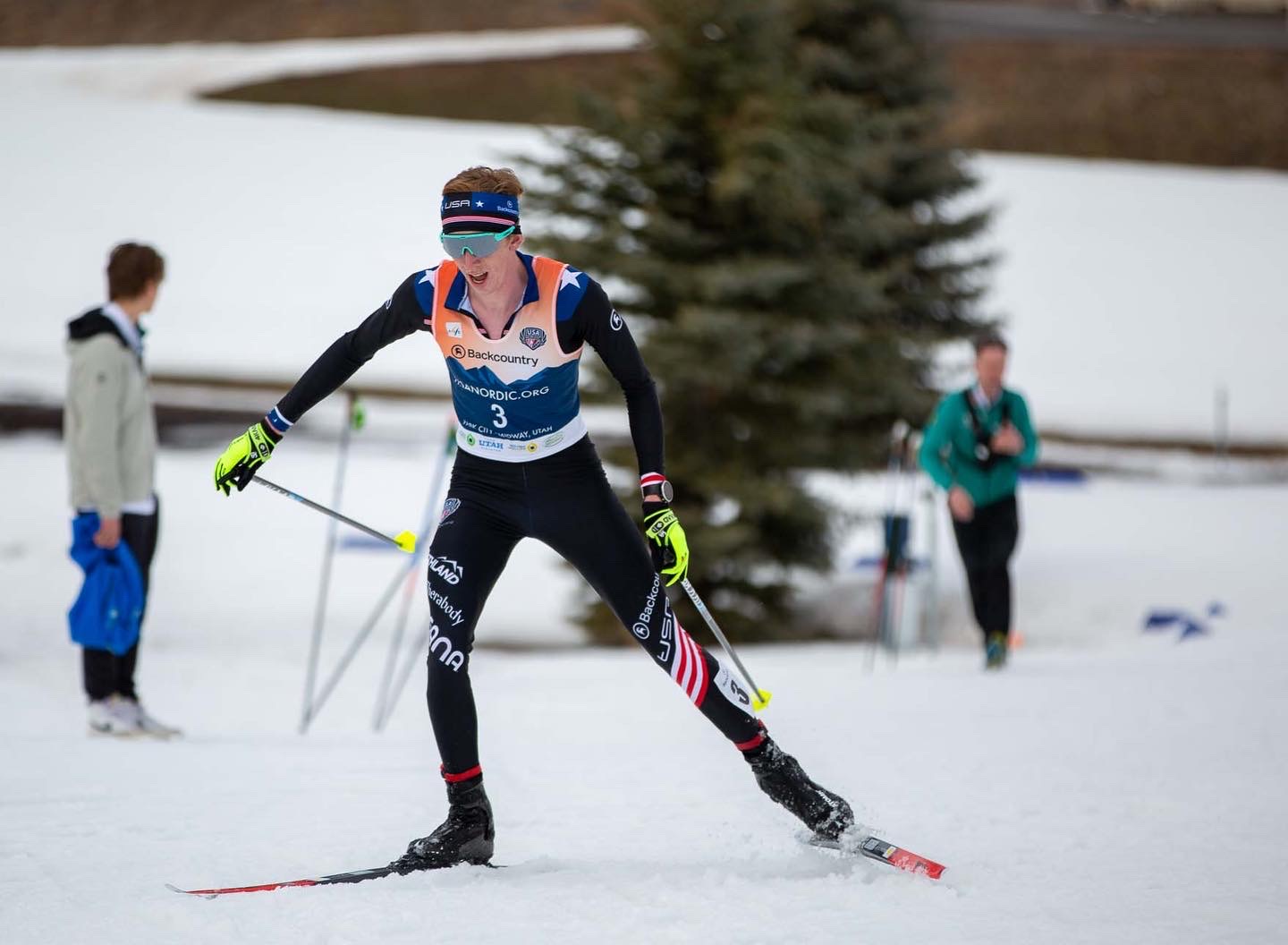
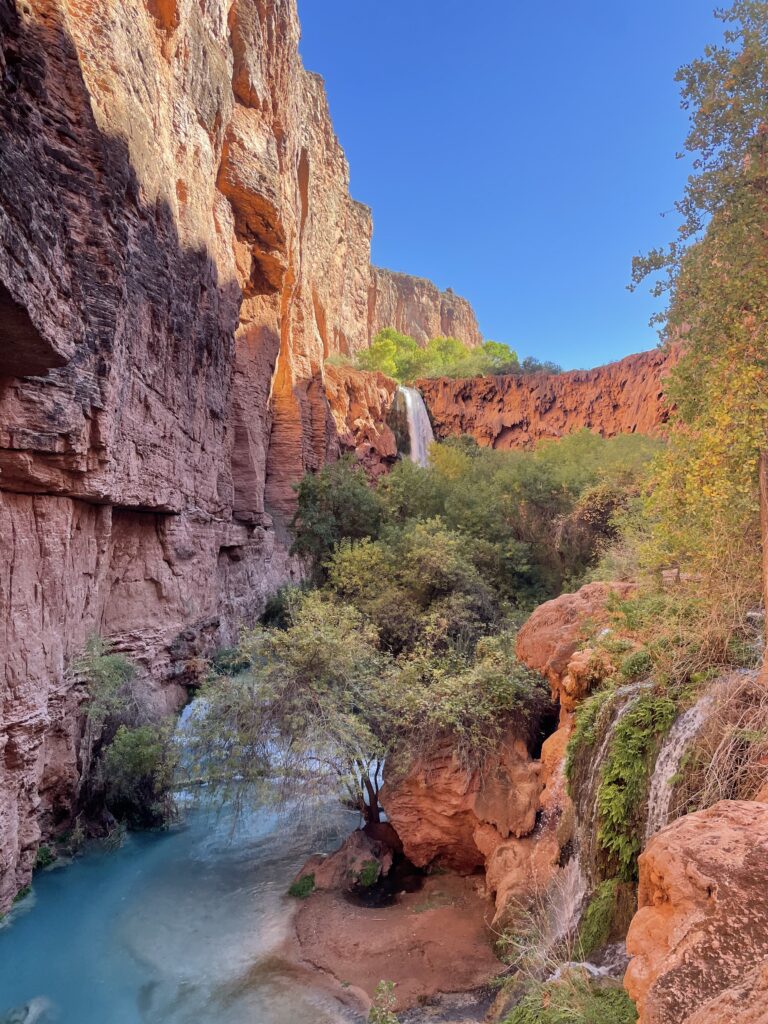
The reality of the 2024 United States presidential election reached Jared Shumate, a 2022 Winter Olympian, three days after the national consensus had been solidified. While the American electorate moved through the immediate aftermath of Donald Trump’s victory on November 5, 2024, Shumate was navigating the remote canyon country of Arizona, disconnected from the digital information stream. Upon returning to cellular service, the athlete—who has dedicated his career to both competitive Nordic combined skiing and environmental advocacy—was confronted with a political landscape that had shifted decisively against the environmental priorities he and many in the outdoor community had spent years defending.
This discovery triggered an immediate period of reflection regarding the efficacy of grassroots political involvement. Having spent months engaging in voter registration drives at the University of Utah, canvassing in Montana, and conducting direct outreach to voters in swing states, the transition from active participant to a constituent facing a new administration’s policy agenda was stark. The ensuing months, characterized by executive actions aimed at expanding domestic fossil fuel production and rolling back established environmental protections, served as the primary catalyst for Shumate’s decision to pivot from professional athletics to formal academic study in public policy.
A Chronology of Policy Shifts and Political Reaction
The period following the 2024 election marked a significant departure from the environmental policies of the previous four years. Within the first quarter of the second Trump administration, the executive branch initiated a series of regulatory reviews targeting the Environmental Protection Agency (EPA).
By early 2025, the administration had signaled its intent to streamline the permitting process for oil and gas leases on federal lands, particularly in the Intermountain West. This policy shift directly impacted the regions Shumate frequently traversed as an outdoor athlete. In the months that followed, environmental organizations and public land advocacy groups began tracking the revocation of several conservation-focused mandates. This included the reduction of federal oversight on water quality standards and the easing of restrictions on mining operations within previously protected corridors.
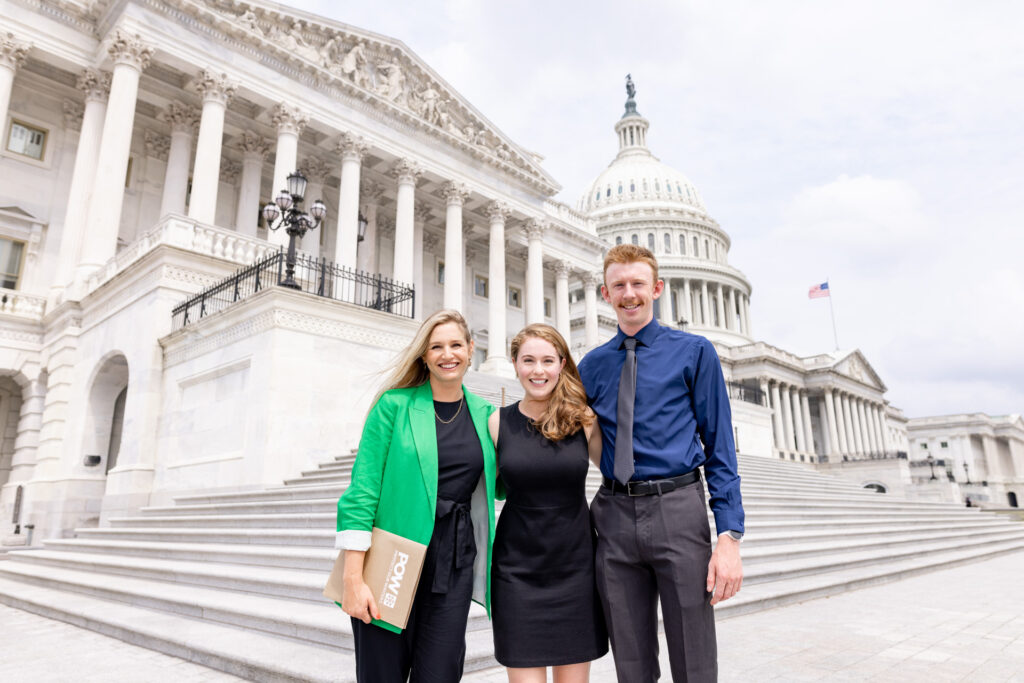
For advocates like Shumate, these developments were not merely bureaucratic updates; they represented the dismantling of a legislative framework intended to preserve natural habitats. The transition from the campaign trail to the classroom, in his view, was a necessary tactical evolution—a realization that grassroots momentum requires a sophisticated understanding of the levers of power in Washington, D.C.
Data and Environmental Implications
The policy trajectory established in late 2024 and early 2025 carries substantial implications for the American landscape. According to independent environmental analysts, the opening of public lands to increased extraction carries a measurable risk to biodiversity and carbon sequestration efforts.
The "Outdoor State"—a term frequently utilized by advocacy groups like Protect Our Winters to describe the 180 million Americans who engage in outdoor recreation—represents a significant economic and political demographic. According to the U.S. Bureau of Economic Analysis (BEA), the outdoor recreation economy accounts for approximately $1.1 trillion in economic output, or 2.2% of U.S. GDP. Despite this economic weight, the sector often struggles to maintain influence against the concentrated lobbying efforts of the energy and mining sectors.
Data from the Federal Election Commission (FEC) during the 2024 cycle indicated record-high spending on climate-focused political action committees (PACs). However, the failure of these expenditures to secure a change in the executive branch’s direction has led to a broader re-evaluation within environmental circles. The focus has increasingly shifted toward state-level midterms and local municipal elections, where zoning and land-use decisions are frequently determined.
Official Responses and Stakeholder Perspectives
Representatives from various environmental non-profits have characterized the current administration’s policies as a "reversal of foundational protections." While the administration maintains that these actions are essential for energy independence and economic growth, opponents argue that the long-term degradation of public lands will result in irreversible ecological damage.
In discussions regarding the future of environmental advocacy, experts in public policy emphasize the importance of "sustained engagement." Dr. Helena Vance, a professor of environmental policy, notes that "the transition from activism to legislative influence requires a granular understanding of the Administrative Procedure Act and the nuances of public comment periods." Shumate’s decision to pursue a Master’s in Public Policy aligns with this trend, as activists increasingly seek to occupy roles within the regulatory bodies that determine the fate of protected areas.
"The frustration felt by many after the 2024 election is a common phenomenon in cycles of policy oscillation," says political analyst Marcus Thorne. "The key differentiator in long-term success is whether that frustration is channeled into institutional expertise or dissipated through cycles of temporary protest."
Broader Impact and the Role of Civic Participation
The narrative of an individual shifting from the field of sport to the field of policy is reflective of a larger trend among young activists. The 2026 midterm elections are currently being framed by many advocacy organizations as a critical juncture for the preservation of public lands. With the legislative composition of Congress potentially shifting, the influence of the outdoor community will be tested in districts where land-use policy is a primary voter concern.
The impact of any single academic pursuit, such as a master’s degree, is limited in isolation. However, in the context of a wider movement, such expertise contributes to the capacity of NGOs to challenge administrative actions in court and provide evidence-based arguments to legislators. The objective, as framed by those in the environmental movement, is to move beyond the reactive state that characterized the post-2024 election period and toward a proactive, policy-driven defense of environmental integrity.
Conclusion: The Path Toward Midterm Engagement
The current political environment has created a clear divide regarding the stewardship of natural resources. For the Outdoor State, the upcoming midterm elections provide a mechanism to recalibrate federal priorities. The trajectory from the 2024 election results to the present has served as a crucible for a new generation of advocates who are combining personal, first-hand experience in the wilderness with the academic rigor required to navigate the complexities of public policy.
As the political cycle continues to accelerate toward the midterms, the central question remains whether the engagement of outdoor enthusiasts can translate into tangible legislative influence. For individuals like Shumate, the answer lies in the accumulation of knowledge and the sustained commitment to civic participation. Whether through voter outreach, public advocacy, or academic specialization, the message remains consistent: the future of public lands is not a passive outcome, but a result of direct and ongoing public involvement. The transition from the canyon country of Arizona to the classroom is, in essence, a recognition that the preservation of the wild requires a presence in the halls of government as much as it requires a presence in the mountains.

