
The evolution of professional skiing has long been defined by dramatic shifts in equipment, technique, and training methodology, but few figures have influenced the sport’s trajectory quite like Jonny Moseley. Decades after revolutionizing freestyle skiing on the global stage, Moseley continues to shape the conversation around athletic longevity, marrying the cutting-edge recovery protocols of his competitive heyday with modern wellness technology. Today, his regimen of dynamic movement, targeted mobility work, and disciplined rest reflects a broader shift in high-performance sports culture—one that values sustainability and holistic recovery just as much as raw physical exertion.
The 1998 Olympic Breakthrough and the Science of Strain
To understand Moseley’s current philosophy on fitness, one must look back to the watershed moments of his competitive career. In 1998, freestyle skiing was rapidly transforming, and Moseley stood at the epicenter of this cultural and athletic shift. Preparing for the Winter Olympic Games in Nagano, Japan, Moseley and his training staff recognized that traditional methods of simply skiing harder were no longer sufficient to secure a place on the podium. Instead, they implemented a revolutionary, data-driven training regimen that was far ahead of its time.
During an era when biometric tracking in winter sports was in its infancy, Moseley began meticulously monitoring his heart rate, journaling his daily athletic performance, and assessing his physical state through second-day muscle soreness. By evaluating these metrics, he could pinpoint exactly when his body reached peak performance and when it required enforced rest. This obsession with timing the cycles of strain and recovery allowed him to approach the Olympics with supreme physical confidence.
The pressure cooker of elite international competition naturally breeds this level of meticulousness. Athletes in sports like freestyle skiing face a uniquely compressed window of opportunity. As Moseley has reflected, competitors exist in a high-stakes cycle where they essentially get one definitive shot every four years on the main Olympic stage. This reality forces athletes to become intensely analytical about managing fatigue, injury prevention, and peaking at the exact right moment.
The payoff for Moseley’s rigorous preparation was historic. Entering the 1998 season with back-to-back victories in the first two World Cup events, he traveled to Nagano and captured the gold medal in men’s moguls. More importantly, he secured his victory by introducing a "new-school" aesthetic to the judging panels and spectators alike. By seamlessly incorporating a snowboard-style safety grab into his high-flying 360-degree spin—a maneuver now famously known as the "Moseley Mute Grab"—he permanently altered the stylistic benchmarks of freeskiing.
Evolution of Training: From Heavy Lifts to Functional Mobility
Decades removed from his days standing atop the Olympic podium, Moseley’s relationship with physical conditioning has evolved, though the underlying discipline remains unchanged. Whether splitting his time between his home in Lake Tahoe and Park City, Utah, Moseley adheres to a structured year-round routine designed to maintain baseline fitness while preventing chronic wear and tear.
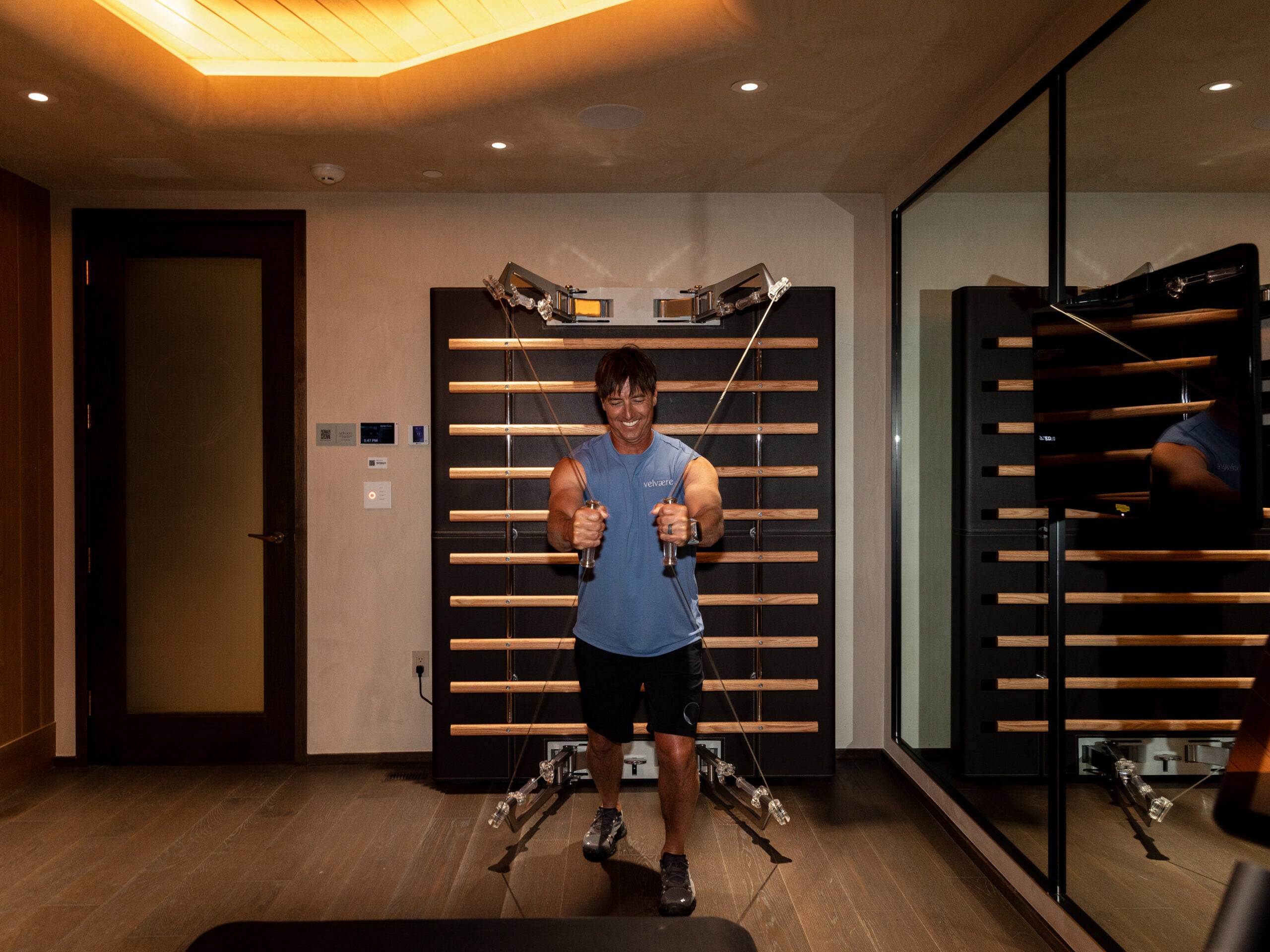
His daily routine typically initiates with a disciplined morning workout consisting of 30 to 60 minutes of foundational cardiovascular exercise, such as a brisk walk with his dog or dedicated time on a treadmill. This cardiovascular base transitions smoothly into targeted weight training. However, the nature of his strength regimen has undergone a profound transformation since his competitive years.
In his youth, Moseley’s weightlifting protocols were heavily biased toward lower-body power development, heavily featuring bilateral compound movements designed to absorb the immense G-forces associated with landing massive aerial maneuvers on moguls. Today, however, balance and injury mitigation dictate his approach. Recognizing the cumulative impact of decades on snow, Moseley has integrated disciplines like hot yoga into his weekly schedule, deliberately emphasizing joint mobility, core stability, and flexibility to combat the natural stiffness that accompanies aging.
As the calendar turns and winter approaches, Moseley’s training shifts dynamically to mirror the specific biomechanical demands of alpine skiing. At the onset of summer, the primary objective is pure strength acquisition. As temperatures drop and the ski season draws closer, his focus pivots deliberately toward endurance and unilateral training. By utilizing slide boards and single-leg exercises, he trains his body to handle lateral forces and asymmetric loads that mimic the realities of carving turns down a steep mountain.
Furthermore, preparing the body for the abrupt impacts of skiing requires careful neuromuscular conditioning. Moseley emphasizes the necessity of plyometric training, noting that standard exercises like box jumps serve as a gold standard for developing explosive lower-body power. Nevertheless, he cautions against abruptly transitioning from a sedentary lifestyle to high-impact plyometrics, advocating instead for a progressive approach—such as jumping down from lower elevations—to safely condition tendons and ligaments.
The Modern Wellness Frontier: Technology Meets Recovery
Moseley’s ongoing exploration of human performance has recently led him into the commercial wellness space through an ambassadorship with Velvaere, an ultra-luxury ski-in, ski-out wellness community located in Deer Valley, Utah. The residential community represents the modern convergence of luxury real estate and advanced sports science, integrating high-end recovery amenities directly into private properties.
Among the community’s flagship offerings is an AI-powered robotic massage system that scans the human body to diagnose muscle tension points before administering customized physical therapy treatments. This technology is complemented by a suite of recovery modalities including cryotherapy, LightStim LED therapy, flotation tanks, advanced TechnoGym training apparatuses, traditional saunas, and contrast therapy via cold plunges.
For Moseley, stepping into these modern facilities draws immediate parallels to the elite resources he utilized during his athletic peak. He notes that the environment strongly resembles the United States Olympic & Paralympic Training Centers, where researchers and sports scientists are perpetually pushing the boundaries of what is possible for human athletic potential.
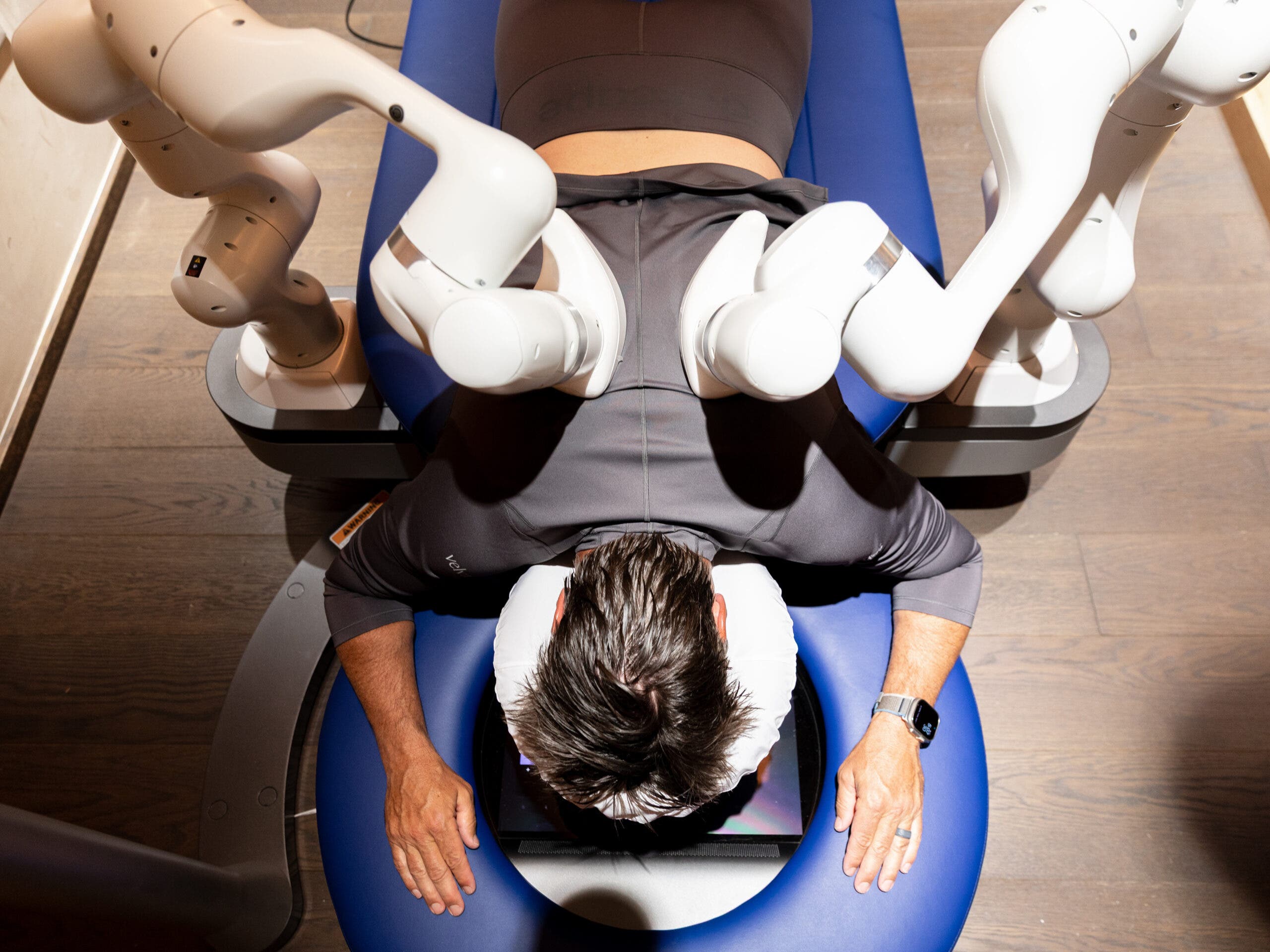
The integration of artificial intelligence and advanced biometrics into everyday wellness marks a significant milestone in sports science history. When heart rate monitors first entered the commercial market in 1982, their utility was viewed with skepticism by traditional coaches. It took more than a decade for heart rate variability (HRV) and VO2 max tracking to become standard diagnostic tools across elite athletics. Today, emerging technologies like AI-driven massage therapy, localized cryotherapy, and advanced photobiomodulation are following a similar trajectory, transitioning from elite rehabilitation clinics into the mainstream consumer wellness market.
Broader Implications for Athletic Longevity and Lifestyle
The philosophy championed by figures like Moseley highlights a fundamental paradigm shift in how society views aging and physical activity. Historically, elite athletic retirement was frequently followed by a rapid decline in physical conditioning, often accelerated by chronic injuries sustained during competitive years. Modern sports science, however, emphasizes sustainable longevity—a concept where physical capacity is preserved and enhanced well into later decades through intelligent programming and proactive recovery.
Industry analysts note that the demand for high-end residential wellness communities has surged in recent years, driven largely by aging demographics of former athletes and fitness enthusiasts who refuse to compromise their active lifestyles. Communities that successfully embed recovery infrastructure directly into residential spaces are redefining the standard of living for active populations, effectively democratizing access to professional-grade sports medicine.
Despite his deep appreciation for advanced recovery technology, Moseley remains candid about his own personal habits, admitting that slowing down and practicing passive self-care does not always come naturally unless forced by an injury. Yet, his ability to balance high-intensity alpine skiing with disciplined mobility work and cutting-edge recovery modalities demonstrates a sustainable blueprint for athletic endurance.
As winter storms begin to blanket the mountains and another ski season gets underway, Moseley’s routine serves as both a reflection of his storied past and a preview of the future of fitness. By embracing a holistic lifestyle where rigorous physical training is balanced equally with advanced recovery, he continues to prove that peak performance is not merely a temporary state achieved in youth, but a lifelong pursuit.

