
A decade has passed since the publication of a foundational critique regarding the Alpine World Cup, a document that challenged the International Ski Federation (FIS) to modernize its approach to professional ski racing. At the time, the premise was simple: the sport required a strategic evolution to enhance fan engagement, stabilize commercial revenue, and ensure long-term viability for athletes. Since 2016, the global landscape has been defined by rapid technological shifts, including the proliferation of artificial intelligence, alongside significant geopolitical and societal changes. Despite these external pressures, the Alpine World Cup circuit has maintained a largely traditional operational model, leading to renewed scrutiny regarding its resistance to structural reform.
A Chronology of Stagnation and Progress
In 2016, the call for reform centered on ten specific areas of the sport. While some minor adjustments have been implemented—most notably the recalibration of giant slalom (GS) ski regulations—the fundamental structure of the World Cup remains anchored in mid-20th-century paradigms.
The timeline of reform has been incremental. For the 2017-18 season, FIS adjusted the men’s GS ski radius from 35 meters down to 30 meters, a move intended to blend athletic performance with safety. However, this remains a solitary victory in a broader, largely static agenda. By contrast, initiatives such as the integration of parallel racing and ski cross into the core Alpine calendar have failed to gain sustained traction. The 2026-27 competition calendar notably lacks parallel events, and the mixed-team parallel event has been omitted from the 2026 Olympic program, signaling a retreat from experimental formats that were once viewed as essential for attracting younger demographics.
Technical Infrastructure and Broadcast Evolution
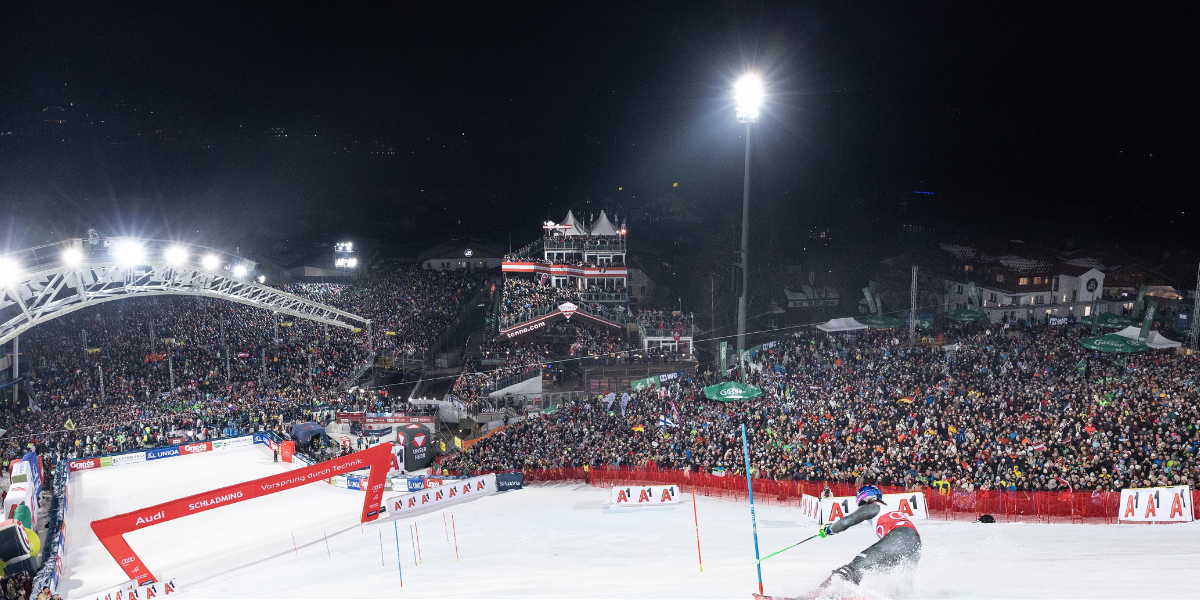
Broadcast technology has represented one of the few areas of substantive progress. The 2015 World Championships established a benchmark for production value, utilizing cable cams and advanced editing to capture the high-velocity nature of the sport. Modern broadcasts now frequently employ drone footage and granular, section-by-section, color-coded data overlays. This technological infusion has allowed for a more analytical viewing experience, yet the sport has yet to fully exploit the potential of live, wearable-sensor data or real-time biomechanical analysis—tools that have become standard in professional cycling and Formula 1.
The implication is clear: the gap between "broadcast as coverage" and "broadcast as entertainment" remains wide. While data exists, it is rarely integrated into the narrative flow of a race, leaving casual viewers without the necessary context to appreciate the tactical nuances that separate a podium finisher from the rest of the pack.
The Economic Model: Prize Money and Commercial Sustainability
Economic data suggests a disconnect between the sport’s prestige and the financial reality for professional athletes. The current FIS regulations for the 2026-27 season mandate a minimum purse of €168,000 per race, distributed among the top 30 finishers. While this represents an increase from the 2016 threshold of 120,000 Swiss francs, adjusting for inflation and the shift in currency suggests that the real-term increase is marginal.
Critics of the current structure argue that the reliance on national federations—which act as both the primary funders and the gatekeepers for athlete entry—stifles the potential for private, professionalized team models. Comparisons are frequently drawn to the ATP Tour in tennis or the PGA Tour in golf, where professional athletes operate under a system that rewards individual performance through more flexible, commercially-driven structures. While CVC Capital Partners proposed a commercial rights management venture in 2024, the initiative focused on administrative rights rather than a fundamental restructuring of the team-athlete ecosystem, leaving the national-team dominance intact.

Geographic Expansion and the Heartland Paradox
A significant portion of the 2016 critique addressed the heavy concentration of events within the "Alpine heartland"—Austria, Italy, and Switzerland. Data from the 2026-27 season confirms that this geographic centralization persists; these three nations host roughly 49% of all men’s races and 43% of women’s races.
While the North American circuit has seen successful additions, such as the established events in Killington and the return of racing to Sun Valley, these are exceptions rather than the rule. Efforts to expand into new markets have faced severe operational hurdles, most notably the recurring weather-related cancellations of the cross-border Zermatt-Cervinia races. These failures have led to a more cautious approach by FIS, yet the lack of a sustained strategy for the Southern Hemisphere or major Asian markets remains a point of contention for stakeholders seeking a truly global footprint.
Athlete Access and the Fan Experience
Professional sports are increasingly defined by the level of intimacy fans have with their heroes. In alpine skiing, the current culture remains highly guarded, often prioritizing athlete privacy and course preparation over fan engagement. While protecting the sanctity of the competition is vital, experts argue that the sport has failed to design "meaningful access" points.
The disconnect is further exacerbated by the lack of a clear, unified mission regarding grassroots growth. While U.S. Ski & Snowboard includes participation as a pillar in its bylaws, the measurable metrics for success remain heavily skewed toward podium results rather than the long-term recruitment and retention of recreational skiers.
Implications and the Path Forward
The fundamental challenge facing the Alpine World Cup is not a lack of interest, but a lack of intentionality regarding its own growth. The sport possesses all the necessary elements for mass-market appeal: high speed, extreme technical requirements, and a global, scenic backdrop. However, without a structural shift that prioritizes fan-friendly scheduling, transparent statistical storytelling, and a modernized approach to athlete commercialization, the sport risks remaining a niche discipline.
For stakeholders, the next decade must move beyond the status quo. This involves:
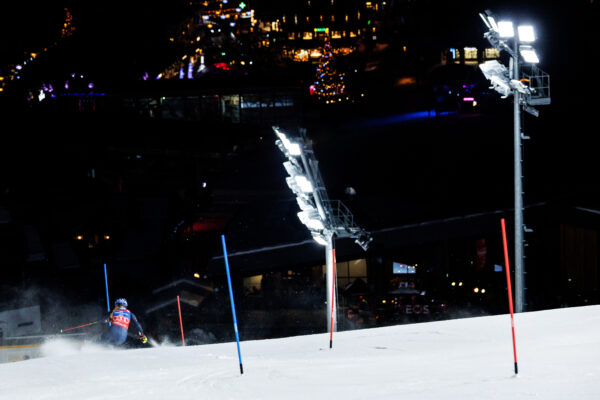
- Standardizing Competitive Formats: Testing midweek night slaloms and compact race days to fit modern media consumption habits.
- Weighted Scoring: Introducing a system that highlights "Major" events, thereby creating a more compelling seasonal narrative for casual followers.
- Governance Reform: Distinguishing between the administrative responsibility of national federations and the commercial potential of professional, independent team structures.
- Growth Metrics: Implementing and reporting on concrete data regarding new participant acquisition, mirroring the strategic transparency seen in organizations like the USTA.
As the industry looks toward the next ten years, the question remains whether the governing bodies will embrace the volatility of innovation or remain content with the comfort of tradition. The sport is undeniably extreme and demanding, but its administrative future must be equally bold. The responsibility to grow the sport—to open doors for the next generation of racers and to ensure that a child watching on a screen can easily find a path to the mountain—rests on the shoulders of the federations, the sponsors, and the resorts. The data is clear, the critiques have been documented for a decade, and the window for meaningful reform remains open, provided there is the political will to act.

