
Every winter, millions of outdoor enthusiasts embrace the exhilarating challenge of alpine skiing, willingly accepting the notoriously rigid and unforgiving nature of ski boots as a standard part of the sport. For generations, skiers have viewed foot discomfort not as a medical warning sign, but as an inevitable rite of passage or a badge of honor earned after a long day carving down the mountain. However, sports medicine specialists and podiatric surgeons are increasingly raising concerns about the long-term orthopedic consequences of locking the human foot into a rigid, fixed position for hours at a time. While the immediate ache is often dismissed as a temporary nuisance, medical professionals warn that repetitive stress, improper sizing, and structural confinement can transform mild discomfort into chronic foot pathology, permanent deformities, and severe nail bed damage.
Main Facts and Medical Realities
The human foot is a complex biomechanical structure comprising 26 bones, 33 joints, and over a hundred muscles, tendons, and ligaments, all of which are designed to flex, adapt, and absorb shock dynamically. Alpine ski boots, conversely, are engineered to restrict this natural motion to maximize edge control, power transmission, and safety during high-speed descents. This fundamental conflict between biomechanical design and anatomical necessity places immense, unnatural pressure on vulnerable areas of the foot.
According to Dr. Nelya Lobkova, a New York City-based podiatrist and skier, poorly managed pressure inside a ski boot can profoundly exacerbate existing pre-existing conditions. These include bunions—a progressive forefoot deformity often rooted in genetics—and Morton’s neuroma, a painful thickening of nerve tissue typically developing between the third and fourth toes.
When the toe box of a ski boot is excessively tight, continuous friction can inflame bunions and aggravate hammertoes and neuromas, rendering them acutely painful. Conversely, boots that are too large or improperly buckled introduce a different mechanical hazard. In an oversized boot, the foot shifts forward uncontrollably with every turn, causing the toes to jam repeatedly against the rigid front shell and impinging the delicate toe bones. Whether the boots are too tight or too loose, the resulting inflammation or nerve root impingement can easily transition from a temporary slope-side irritation into a lingering, chronic medical condition that persists long after the ski season concludes.
Furthermore, the relentless pressure exerted on the front of the foot frequently leads to subungual hematomas, commonly known as bruised or black toenails, as well as painful ingrown toenails. Dr. Lobkova notes that these localized injuries carry a significant risk of secondary bacterial infections, which may necessitate oral antibiotic intervention or even surgical removal of the toenail. When the nail bed suffers severe, repetitive trauma, the damage can become entirely irreversible. Subsequent nail regrowth is often permanently altered, resulting in nails that appear structurally thicker, shorter, and deformed compared to unaffected digits.
The Expert Consensus: Fit is Everything
Despite the alarming potential for injury, podiatrists emphasize that ski boots are not inherently detrimental to foot health. Rather, the root cause of chronic pain and structural damage lies almost exclusively in poor equipment selection and improper sizing. Dr. Mikel Daniels, a Baltimore-based podiatric surgeon, succinctly summarizes the clinical consensus: ski boots are not inherently bad for your feet, but badly fitted ski boots certainly are.
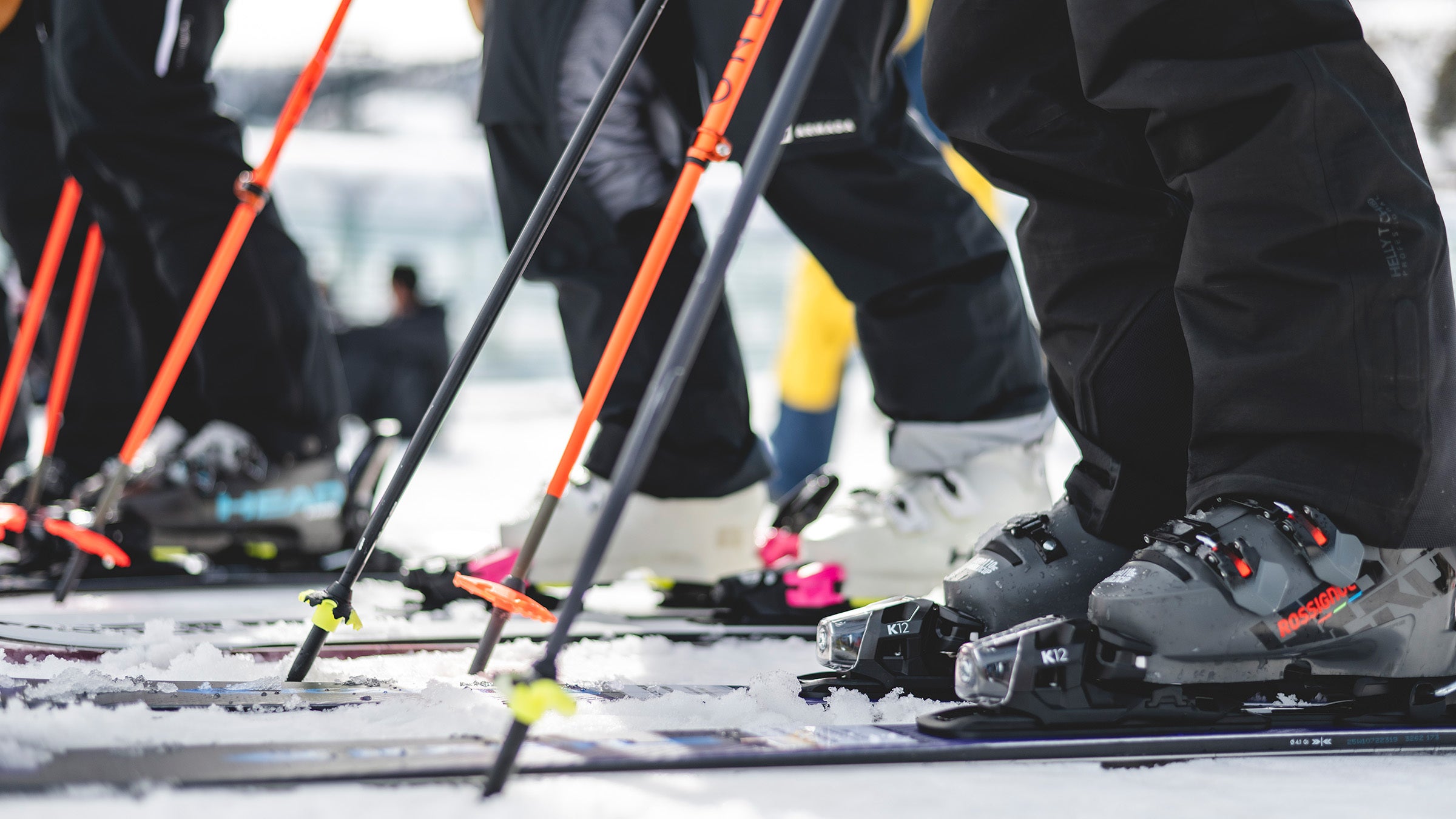
Distinguishing between normal muscular fatigue and a damaging mechanical fit is crucial for every skier. A properly fitted, brand-new ski boot should feel exceptionally snug and uniform across the foot, with the longest toe lightly brushing the front wall of the shell when the skier stands completely upright. When the skier flexes forward into a proper athletic skiing stance, the heel seats firmly into the rear pocket, allowing the toes to pull back slightly away from the front shell. While a new boot will naturally induce a degree of generalized muscle ache after a full day on the slopes—a sensation that typically subsides quickly once the footwear is removed and the inner foam liner compresses with wear—sharp pain, localized hot spots, numbness, or persistent coldness indicate a critical failure in fit. Dr. Daniels applies a practical diagnostic rule of thumb: if boot discomfort causes a skier to focus more on their aching feet than on the terrain ahead, the fit is fundamentally incorrect.
Background Context and Evolution of Ski Boot Engineering
The cultural acceptance of ski boot discomfort is deeply rooted in the historical evolution of winter sports equipment. In the early days of alpine skiing, boots were crafted entirely of soft leather, offering minimal ankle support and virtually no lateral stability. As ski technology advanced dramatically in the mid-to-late 20th century—transitioning from straight wooden skis to modern shaped skis, and from leather straps to rigid safety bindings—boot manufacturers raced to match these performance gains. The introduction of stiff plastics, micro-adjustable metal buckles, and thermo-formable liners revolutionized downhill control, enabling skiers to execute high-speed turns with unprecedented precision.
However, this relentless pursuit of mechanical efficiency came at a biological cost. Plastic shells do not yield to anatomical anomalies, forcing human bone and soft tissue to conform to rigid industrial molds. Over the past two decades, the ski industry has gradually recognized this ergonomic shortcoming, leading to major innovations in custom boot-fitting technology, shell-grinding techniques, and heat-moldable liners. Despite these technological advancements, many recreational skiers continue to purchase off-the-shelf equipment based purely on aesthetic appeal, brand reputation, or incorrect sizing, perpetuating a cycle of preventable foot trauma.
Chronology of Preventive Care and Equipment Adjustment
Mitigating the risks associated with alpine ski boots requires a systematic approach to equipment selection, customization, and daily slope-side management. Experts recommend a structured timeline of preventive measures before, during, and after the ski season to safeguard long-term foot health.
Pre-Season Evaluation and Customization
Months before stepping onto the snow, skiers should consult with a professional boot fitter to assess their foot geometry and identify any structural predispositions, such as wide forefeet, high arches, or existing bunions. Purchasing boots from a specialized ski shop rather than a general retailer ensures access to expert shell selection and customization services.
For skiers with distinct anatomical irregularities, heat-molding is an indispensable first step. When a ski boot liner and shell are heated and contoured directly to the skier’s foot, the materials adapt to individual forefoot deformities, drastically reducing friction points. When heat-molding alone is insufficient, boot fitters can perform a "shell punch"—a specialized mechanical process using heated presses to push out localized areas of the rigid plastic shell, providing targeted relief for prominent bones, bunions, or long toes.
In-Season Adjustments and Custom Orthotics
Even with professional fitting, many skiers continue to experience forefoot discomfort due to the dynamic forces encountered during downhill skiing. In these instances, podiatrists frequently prescribe custom-molded ski orthotics. Prefabricated insoles found in standard athletic shoes are generally too thick and lack the specialized biomechanical support required for rigid ski boots. Medical-grade custom ski insoles are engineered to be ultra-low-profile and feature embedded features such as metatarsal pads. These pads actively separate the metatarsal bones and tendons in the forefoot, neutralizing the primary mechanical causes of pain.
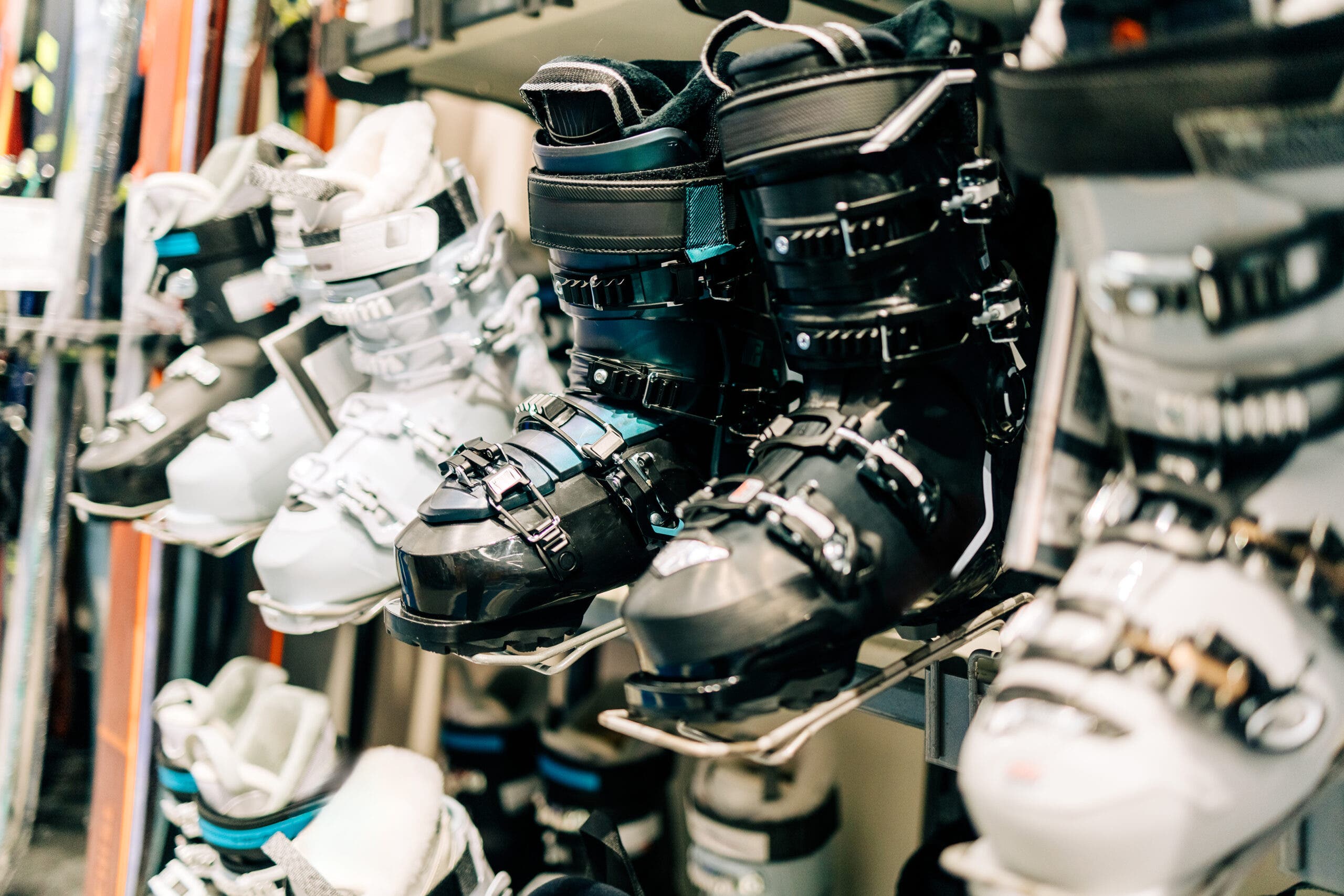
For individuals who rely on rental equipment—where full custom modifications are impossible—preventive care shifts to careful selection and preparation. Renters should communicate any pre-existing foot conditions to rental technicians, ensuring they select a snug-fitting shell rather than compensating with an oversized boot. Furthermore, integrating high-performance ski socks made from moisture-wicking merino wool prevents friction-induced blistering, while transferring everyday custom orthotics into the rental boot can provide vital foundational support.
Daily Slope-Side Management
Protecting foot health does not end once the boots are buckled. Throughout a day on the slopes, skiers must actively manage circulation and tissue fatigue. Dr. Lobkova strongly advises loosening or entirely removing ski boots during extended breaks, such as lunch or rest periods.
This practice serves a critical physiological purpose. Transitioning from sub-zero outdoor temperatures into a heated lodge causes the blood vessels in the feet and ankles to dilate, leading to localized swelling. If swollen feet are constrained within a rigid, fully buckled boot, the footwear acts as an inadvertent tourniquet, severely restricting arterial blood flow and lymphatic drainage. Relieving this pressure periodically prevents acute ischemic pain and promotes normal vascular function.
Official Responses and Industry Implications
The growing dialogue between podiatric medicine and the snowsports industry highlights a broader cultural shift toward longevity and wellness in extreme athletics. Major ski equipment manufacturers have responded to medical advocacy by designing more accommodating anatomical lasts, introducing customizable shell plastics, and incorporating articulated cuff designs that reduce unnecessary strain on the lower extremity.
At the same time, specialty ski retailers and winter sports publications have increasingly prioritized educational content regarding foot health, transforming boot fitting from an optional luxury into a core component of ski safety and performance optimization. Industry data suggests that skiers who invest in professional boot fitting experience significantly fewer injuries, report higher overall satisfaction, and maintain active participation in the sport into their later years.
Broader Impact and Future Outlook
The intersection of podiatric medicine and winter sports underscores a vital message for athletes of all skill levels: physical suffering is not an obligatory price of admission for athletic enjoyment. While alpine skiing will always demand structural support and mechanical rigidity from equipment, modern medical interventions and advanced fitting techniques prove that performance and foot health do not have to be mutually exclusive.
By abandoning the outdated notion that chronic pain is an inevitable badge of honor, skiers can proactively protect their anatomical foundation. Through careful equipment selection, professional heat-molding, custom orthotics, and disciplined slope-side habits, enthusiasts can preserve their long-term mobility, ensure pain-free adventures, and fully enjoy the mountains for decades to come.

