
Colorado’s Interstate 70, a vital artery connecting Denver to the state’s famed Rocky Mountain ski resorts and communities, is renowned for its breathtaking alpine scenery. However, this iconic highway also presents unique challenges for drivers, particularly during winter months and peak travel periods. Beyond adherence to standard traffic laws, understanding specific mountain driving protocols is crucial to ensure safety, avoid significant fines, and prevent potentially catastrophic incidents. This comprehensive guide outlines five common and critical mistakes drivers make on Colorado’s mountain highways, offering insights and context to promote responsible travel.
The Perilous Dance with Mountain Weather and Road Conditions
The unpredictable nature of Colorado’s mountain weather is perhaps the most significant factor contributing to driving hazards on I-70. A clear morning can rapidly transform into a whiteout blizzard, turning a scenic drive into a treacherous ordeal. Ignoring or underestimating these conditions is a primary cause of driver error and subsequent accidents.
Background and Context: Colorado Department of Transportation (CDOT) consistently warns motorists about the importance of pre-trip planning. The agency provides real-time updates through its website, cotrip.org, which details road closures, weather advisories, and construction impacts. During winter, I-70 can experience frequent closures due to heavy snowfall, avalanches, or accidents, often leaving travelers stranded or forced to find lengthy alternate routes. For instance, in the winter of 2023-2024, I-70 experienced multiple prolonged closures, some lasting over 12 hours, due to severe snowstorms, impacting thousands of travelers heading to and from ski resorts.
Analysis of Implications: Failing to check road and weather conditions before embarking on a mountain journey can lead to a cascade of problems. Drivers may find themselves unprepared for sudden changes, driving on tires unsuitable for snow or ice, or encountering impassable roads without any contingency plan. This not only endangers the driver and passengers but also contributes to traffic congestion and prolongs emergency response times.
The Criticality of Proper Tire Traction and Chains
A fundamental aspect of safe mountain driving, especially during winter, involves ensuring a vehicle is equipped with appropriate tires or traction devices. Colorado’s traction laws are designed to mitigate the risks associated with inadequate tire grip on snowy and icy roads.
Supporting Data and Regulations: Colorado’s traction laws, often implemented on I-70 and other mountain passes, mandate specific tire requirements during inclement weather. These laws typically require vehicles to have tires with a tread depth of at least 1/8 inch and often stipulate that all vehicles must have all-wheel drive (AWD) or four-wheel drive (4WD) with four snow-capable tires, or alternatively, use tire chains or other approved traction devices. Failure to comply can result in significant fines, ranging from $130 to $650, and even misdemeanor charges for repeat offenders or those involved in accidents due to non-compliance.
Chronology of Implementation: Traction laws are not static; they are enacted and lifted by CDOT based on real-time road conditions. Alerts are typically issued through cotrip.org and local media. During periods of heavy snowfall, the state may elevate the traction law to "Code 15," requiring all passenger vehicles to have chains or an equivalent traction device. This tiered approach aims to balance mobility with safety.
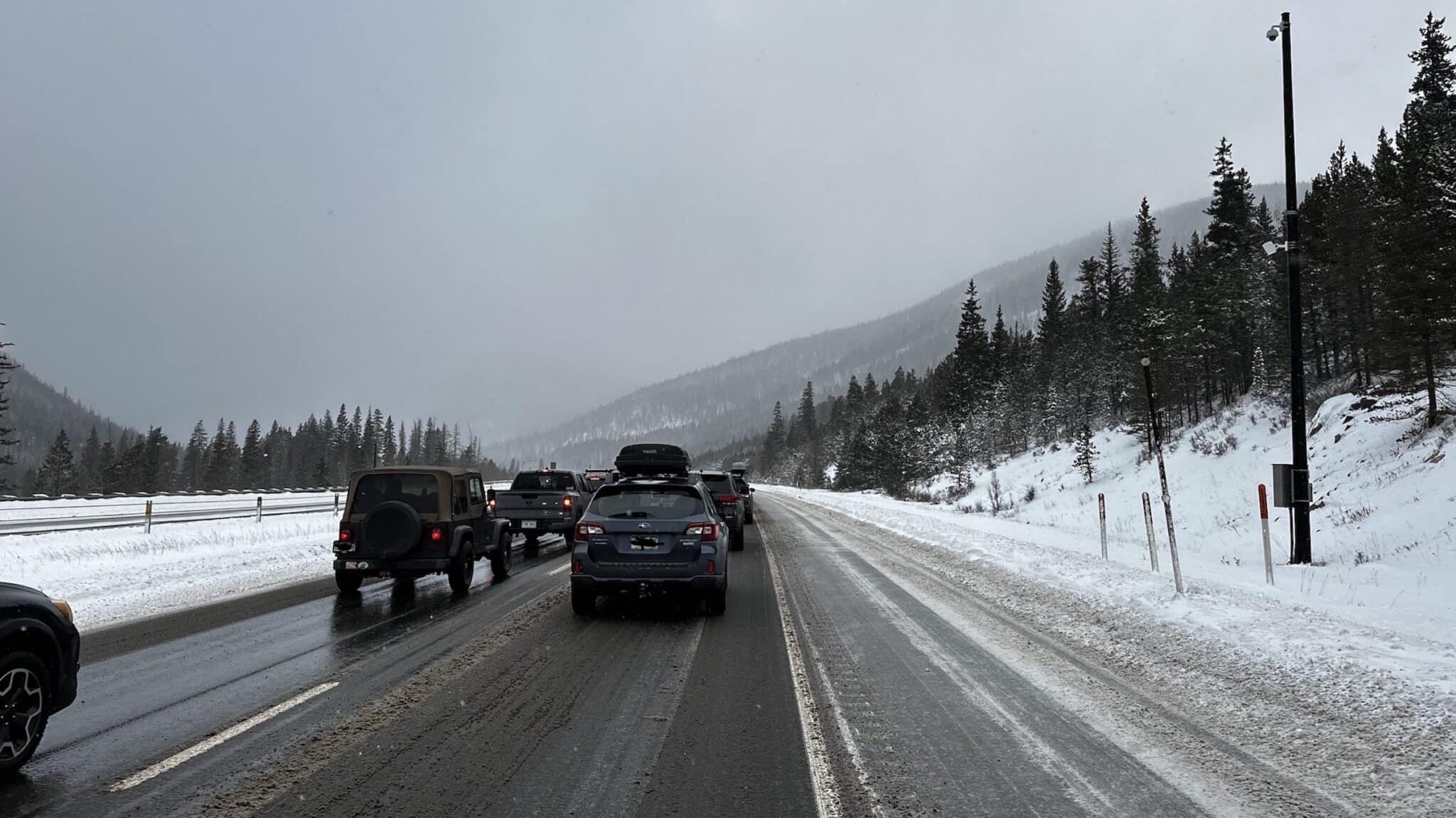
Analysis of Implications: Driving on I-70 with standard all-season tires, particularly if they are worn, on snowy or icy inclines such as those found near the Eisenhower Tunnel or Vail Pass, significantly increases the risk of losing control. Such a loss of traction can lead to vehicles spinning out, blocking lanes, and causing multi-car pileups. These incidents not only result in extensive delays but also pose severe risks of injury or fatality.
Mastering Steep Descents: The Art of Engine Braking
One of the most common and dangerous practices on steep mountain descents is the overuse of brakes. This habit, often born from a lack of understanding of vehicle mechanics and mountain driving techniques, can lead to catastrophic brake failure.
Technical Explanation: When driving downhill, continuously applying the brakes generates significant heat. This heat can cause the brake fluid to boil, leading to a spongy brake pedal and a dangerous reduction in braking effectiveness, a phenomenon known as "brake fade." The correct and safe method for navigating steep descents involves utilizing engine braking. By downshifting to a lower gear, the engine’s resistance helps to control the vehicle’s speed, reducing the reliance on the service brakes. Brakes should then be applied intermittently, allowing them to cool down between applications.
Examples of High-Risk Areas: Notable stretches of I-70 where this mistake is particularly perilous include Floyd Hill and the western descent from Vail Pass. These long, steep grades require drivers to actively manage their speed using lower gears.
Analysis of Implications: Brake fade can render a vehicle’s primary stopping mechanism virtually useless. In a situation where a driver suddenly needs to brake to avoid an obstacle or a stopped vehicle, the inability to do so can have devastating consequences. This risk is amplified by the high speeds often maintained on these downhill sections.
Prudent Use of Shoulders and Runaway Truck Ramps
The allure of Colorado’s majestic mountain vistas can be tempting, leading some drivers to pull over impulsively for photos or to use restroom facilities. However, the designated areas for such stops are critical for safety, and misusing them can create hazardous situations.
Official Guidance and Safety Protocols: Shoulders on highways like I-70 are typically narrow and are intended for emergency stops, not for leisurely breaks. Speeds on these highways remain high, and pulling over on a shoulder can create a dangerous obstruction for other vehicles, especially in low-visibility conditions. Runaway truck ramps, specifically designed to safely stop vehicles with malfunctioning brakes, are not recreational pull-offs. Their use by passenger vehicles is strictly prohibited and can endanger both the occupants of the passenger vehicle and potentially cause issues for any commercial trucks that might need to use them.
Designated Alternatives: CDOT and local authorities provide designated scenic overlooks and rest areas equipped with parking, restrooms, and safe viewing platforms. These facilities are strategically located to offer safe opportunities for drivers to pause, enjoy the scenery, and attend to personal needs.
Analysis of Implications: Misusing shoulders or runaway truck ramps can lead to accidents, either by causing other drivers to swerve or by creating unexpected hazards. Furthermore, obstructing a runaway truck ramp can have dire consequences for commercial drivers facing brake failure.
The Left Lane: A Passing Zone, Not a Parking Spot
A persistent source of driver frustration and potential road rage on I-70, as on many highways, is the misuse of the left lane. The principle of "keep right, pass left" is a fundamental rule of the road that, when disregarded, can lead to dangerous situations and traffic disruptions.
Legal Framework and Enforcement: In Colorado, for roads with a posted speed limit of 65 mph or higher, the left lane is designated as a passing lane. Driving in the left lane without actively overtaking another vehicle, often referred to as "lane camping," is a violation that can result in traffic citations. The Colorado State Patrol actively enforces this rule, recognizing its role in maintaining traffic flow and preventing road rage incidents.
Impact on Traffic Flow and Safety: When slower vehicles occupy the left lane, it forces faster-moving traffic to weave through other lanes or to tailgate, increasing the risk of accidents. This also creates congestion, particularly during peak travel times when traffic volume is already high.
Analysis of Implications: Adhering to the "keep right, pass left" rule not only ensures compliance with traffic laws but also significantly contributes to smoother traffic flow and a safer driving environment for all. It reduces the likelihood of aggressive driving behaviors and promotes a more predictable and orderly highway system.
Conclusion: A Commitment to Safe Mountain Travel
Navigating Colorado’s I-70 requires more than just a driver’s license; it demands a heightened awareness of the unique environmental and traffic-related challenges posed by mountain driving. By understanding and consistently applying these essential guidelines – from diligently checking weather and road conditions, ensuring proper tire traction, mastering descent techniques, using designated pull-offs, and respecting lane usage rules – drivers can significantly enhance their safety and contribute to a more secure travel experience for everyone traversing this vital mountain corridor. Proactive planning, responsible vehicle preparation, and courteous driving are paramount to enjoying the unparalleled beauty of Colorado’s Rockies without incident.

