
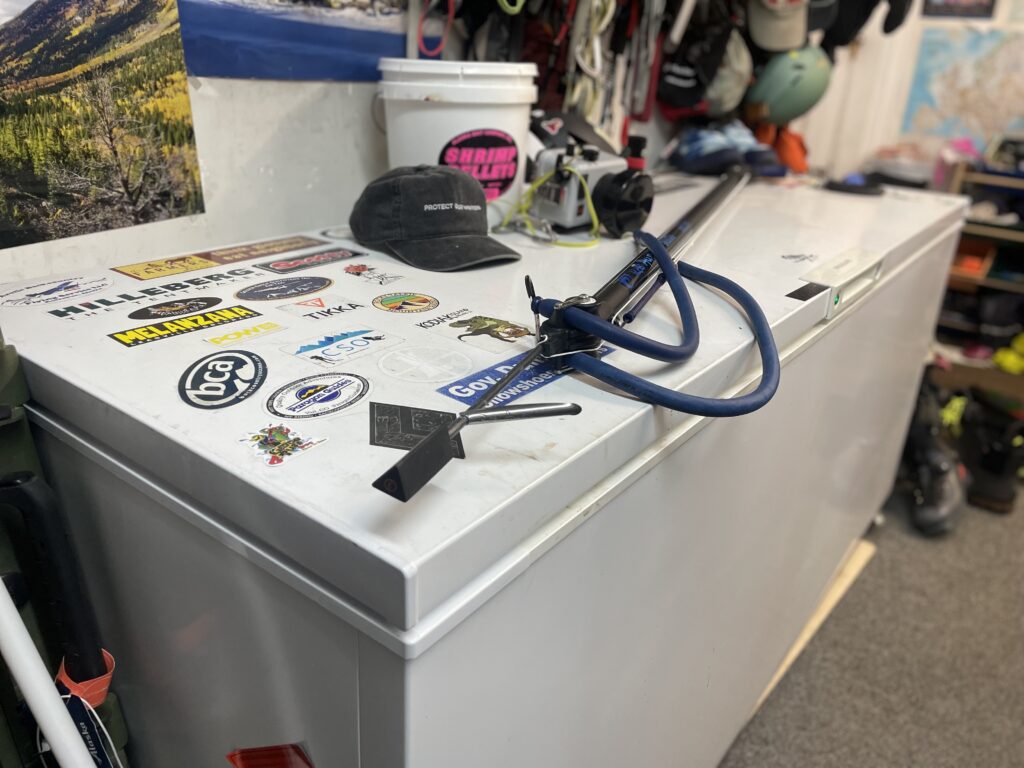
In the garages of Anchorage, Alaska, the chest freezer serves as more than a household appliance; it functions as a seasonal barometer of food security, cultural identity, and environmental health. For residents like Alex Lee, an Associate Professor of Philosophy at Alaska Pacific University and a captain of the Protect Our Winters (POW) Science Alliance, these large freezers represent a "coffer of promise" that ebbs and flows with the state’s rigorous seasonal cycles. As the Alaskan summer progresses, the scarcity of winter gives way to a period of renewal, driven by the massive migration of salmon from the North Pacific Ocean to the state’s freshwater streams. This annual transition is a cornerstone of the Alaskan experience, yet it is increasingly shadowed by the rapid onset of climate change and shifting marine ecosystems.
The Cultural and Economic Foundation of the Alaskan Salmon Harvest
Salmon is categorized as a communal resource in Alaska, transcending its role as a mere commodity. While commercial fishing remains a primary economic engine for the state—contributing billions of dollars to the regional economy and supporting tens of thousands of jobs—the personal and subsistence relationship with the fish is arguably more profound. In both rural and urban centers, Alaskans frequently reorganize their professional and personal schedules to align with the arrival of various salmon runs.

This relationship is governed by an informal but rigid social contract. The prevailing cultural ethos dictates that the fish in a household freezer are "borrowed" from the water, representing a debt of sustenance that must be honored through ethical harvesting and community sharing. In practice, this manifests as a robust informal economy where neighbors provide for those whose stocks have dwindled. This communal approach to resource management ensures that even in "urban" settings like Anchorage—where wildlife encounters such as grizzly bears in residential yards remain common—the connection to the land remains a central pillar of social cohesion.
Chronology of the 2024 Harvest and Species-Specific Trends
The 2024 fishing season has been characterized by a mixture of abundance and concerning scarcity. In the early summer months, stocks of Pacific cod and halibut provided an initial replenishment of white fish supplies. By July, the focus shifted to "red fish," primarily sockeye salmon, which have seen relatively strong runs in recent years. However, the broader timeline of Alaskan fisheries reveals a more troubled trajectory for other species.
Historically, King (Chinook) salmon were the prize of the Alaskan harvest. Over the past several decades, however, King salmon stocks have faced a steady and alarming decline, leading to increasingly stringent state-mandated fishing restrictions. The 2024 season added a new layer of concern as Southcentral Alaska implemented significant restrictions on the retention of Coho (Silver) salmon. These regulatory shifts reflect a broader pattern of uncertainty in the North Pacific, where even traditionally stalwart runs are showing signs of fragility.
Environmental Data and the Impact of North Pacific Warming
The uncertainty surrounding salmon runs is directly linked to the rapid environmental transformation of the North Pacific Ocean. Scientific data indicates that the North Pacific basin is warming faster than any other ocean region on the planet. This thermal increase is accompanied by a decrease in pH levels, a process known as ocean acidification.
The biological implications for salmon are multifaceted:
- Growth Rates: Research suggests that even minor increases in water acidity can significantly decrease the growth rates of juvenile salmon, making them more vulnerable to predation.
- Navigation: Salmon rely on complex olfactory and chemical cues to navigate from the open ocean back to their natal spawning streams. Changes in water chemistry threaten to disrupt these sensory pathways.
- Food Web Stability: The warming ocean alters the distribution and abundance of the zooplankton and smaller fish that salmon rely on for food, creating a mismatch between salmon metabolic needs and available resources.
Simultaneously, the circumpolar north is experiencing terrestrial warming at a rate higher than the global average. The thawing of permafrost is altering the hydrology of spawning streams, leading to increased sedimentation and higher water temperatures, both of which are detrimental to salmon egg survival.
Traditional and Alternative Harvesting Methodologies
The methods by which Alaskans fill their freezers are as diverse as the geography of the state. The most iconic of these is "dipnetting," a practice involving the use of large-diameter nets on long aluminum poles to catch sockeye salmon as they move through river mouths or freshwater constrictions.
Two primary locations dominate the dipnetting scene:
- The Copper River: This location requires a high degree of technical skill and physical risk. Harvesters often utilize ATVs to traverse abandoned railroad grades and must use climbing ropes to descend steep canyon walls to reach the churning glacial waters.
- The Kenai Peninsula: In contrast to the wilderness experience of the Copper River, the Kenai offers a more accessible, albeit crowded, beachfront scene. Here, hundreds of residents stand shoulder-to-shoulder, timed to the incoming tides, to secure their annual supply of fish.
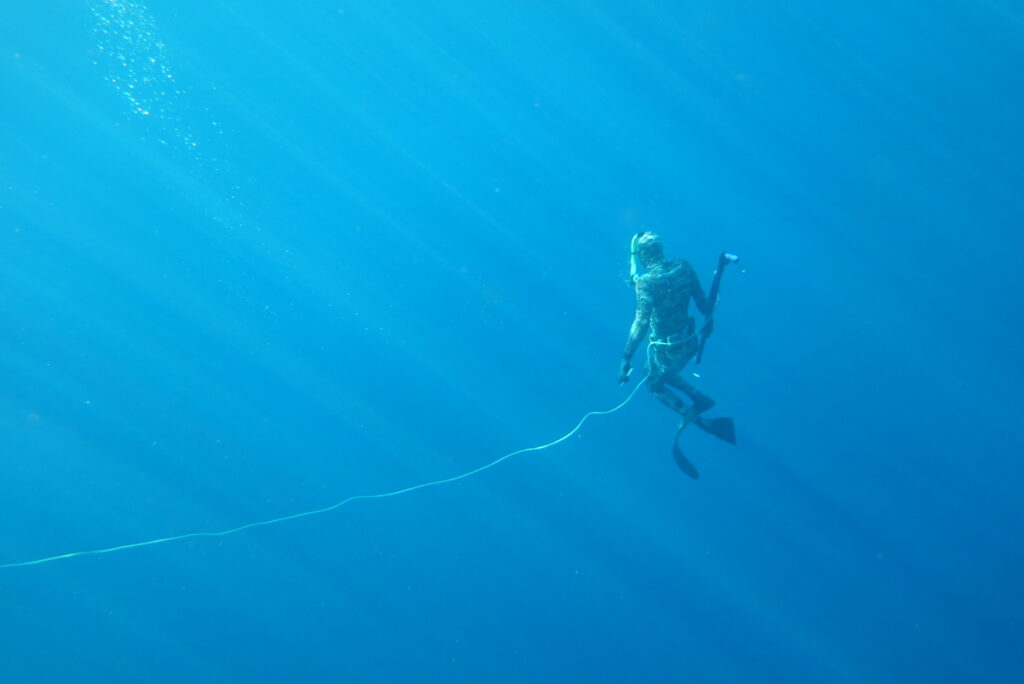
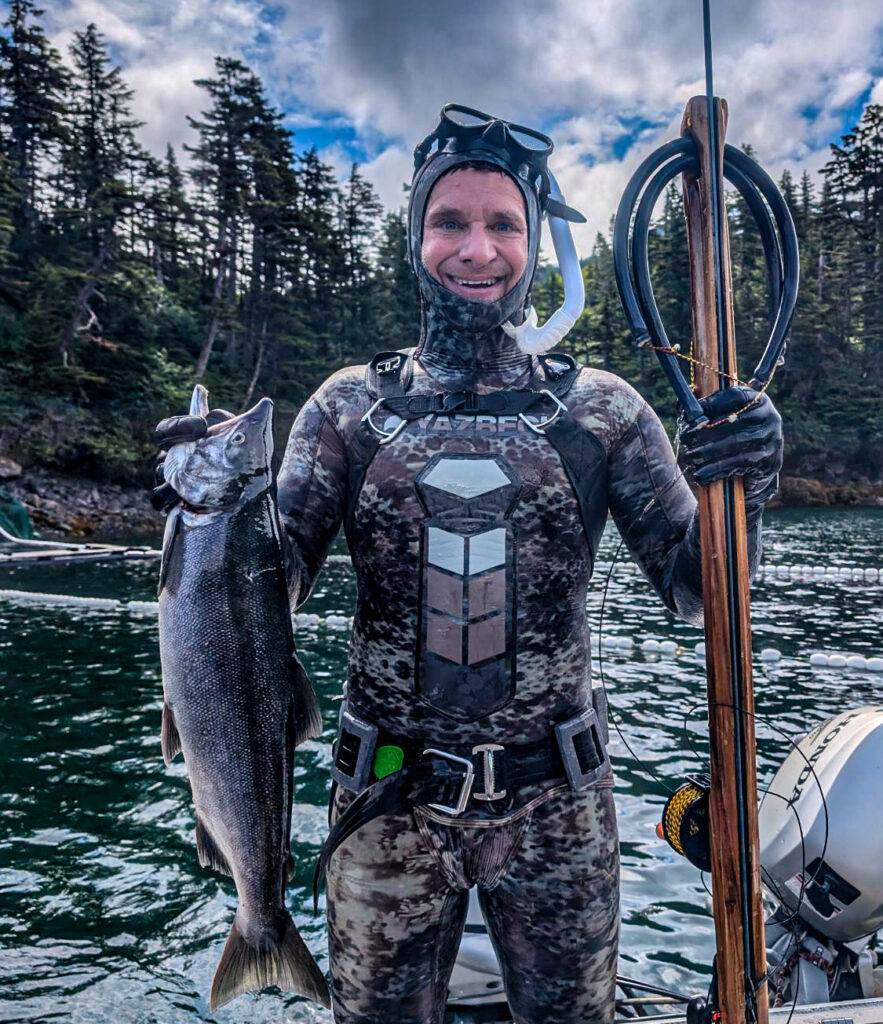
In recent years, some harvesters have turned to more niche methods, such as freediving and spearfishing. This approach involves the use of thick wetsuits and spearguns in frigid, silty saltwater. While more physically demanding and less common than traditional rod-and-reel or net fishing, spearfishing offers a unique perspective on the density of salmon schools before they enter freshwater systems. According to Lee, this method provides a "hypnotic" experience that underscores the sheer abundance of the species while highlighting the silent, underwater reality of the Alaskan wilderness.
Regulatory Framework and Official Responses
The Alaska Department of Fish and Game (ADF&G) is tasked with the complex mandate of "sustainable salmon management." This involves real-time monitoring of "escapement" numbers—the number of fish that must reach spawning grounds to ensure the future of the species—before allowing commercial or personal-use harvests to proceed.
The recent restrictions on King and Coho salmon have been met with a mix of frustration and resignation from the public. Official statements from wildlife managers emphasize that "precautionary management" is necessary to prevent a total collapse of these specific stocks. Meanwhile, environmental advocacy groups like Protect Our Winters argue that while local management is vital, the long-term survival of the fishery depends on global efforts to mitigate the carbon emissions driving ocean warming.
Broader Implications: Food Security and Moral Obligations
The state of the Alaskan freezer is ultimately a reflection of the state of the planet. For environmental philosophers like Lee, the act of fishing and storing food is an exercise in "moral obligations to the non-human world." The disappearance of salmon runs is not merely a loss of a food source; it is a loss of cultural heritage and a failure of ecological stewardship.

The historical context of the Atlantic salmon provides a sobering precedent. In New England, where Lee’s grandfather once fished, salmon stocks were decimated long ago by industrialization, damming, and environmental degradation. The current situation in Alaska represents one of the last remaining opportunities to maintain a large-scale, wild-capture salmon fishery.
As the 2024 season transitions into autumn, Alaskans are shifting their focus to other species, such as rockfish, rainbow trout, and Dolly Varden char. However, the sockeye and coho currently residing in 21.7-cubic-foot freezers across the state remain the primary focus of winter sustenance. These stores are a manifestation of human agency in the face of climate change; they represent the successful navigation of a complex ecosystem that is increasingly under threat.
The future of Alaska’s salmon—and by extension, the future of the Alaskans who rely on them—depends on a delicate balance between human take, economic necessity, and the preservation of a warming ocean. As Lee notes, if the freezers of the North one day run empty, it will not be due to a lack of effort from the fish, but rather a failure of the human systems tasked with protecting them.

