
The Arctic’s North Slope, a vast expanse of tundra characterized by its extreme temperatures and ancient frozen ground, has become the focal point of a critical scientific mission aimed at quantifying the invisible drivers of global climate change. At the Toolik Field Station, an international research hub operated by the University of Alaska Fairbanks, a specialized team of scientists recently concluded the installation of a high-tech flux tower. This mission, led by Dr. Jenny Watts of the Woodwell Climate Research Center and supported by Dr. Kelly Gleason of Portland State University, represents the first effort in the Arctic to specifically evaluate methane and carbon dioxide emissions directly from a permafrost thaw slump—a dramatic and accelerating feature of the warming North.
The expedition, conducted under the auspices of the Protect Our Winters (POW) Science Alliance, underscores a shifting paradigm in climate research. While large-scale satellite observations provide a "top-down" view of Arctic changes, this "bottom-up" approach seeks to understand the granular, localized feedback loops that may be causing global climate models to underestimate the speed of future warming. As the Arctic warms at nearly four times the global average—a phenomenon known as Arctic amplification—the stability of the region’s permafrost has become one of the most pressing questions in modern earth science.
Logistics and Deployment in the Brooks Range
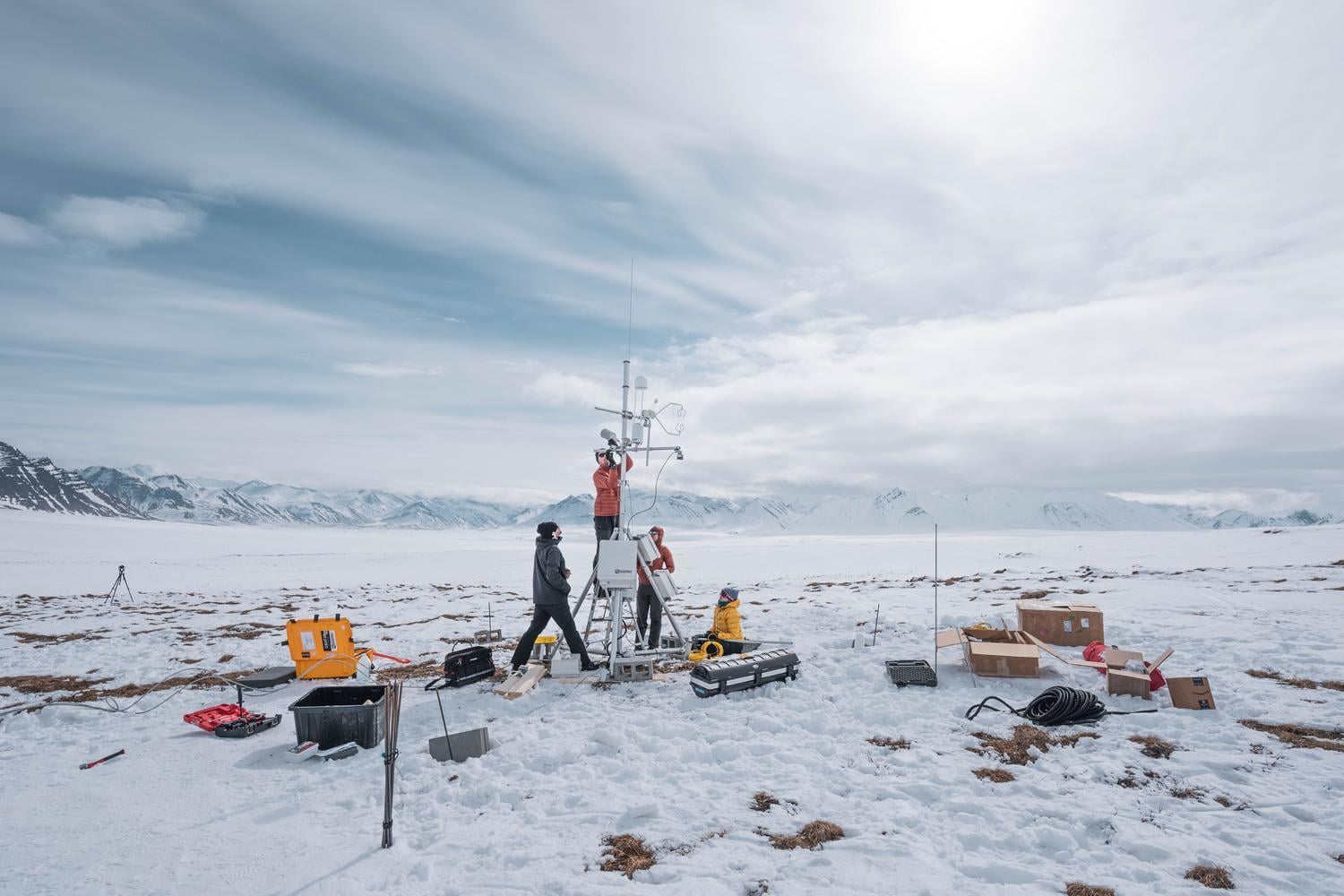
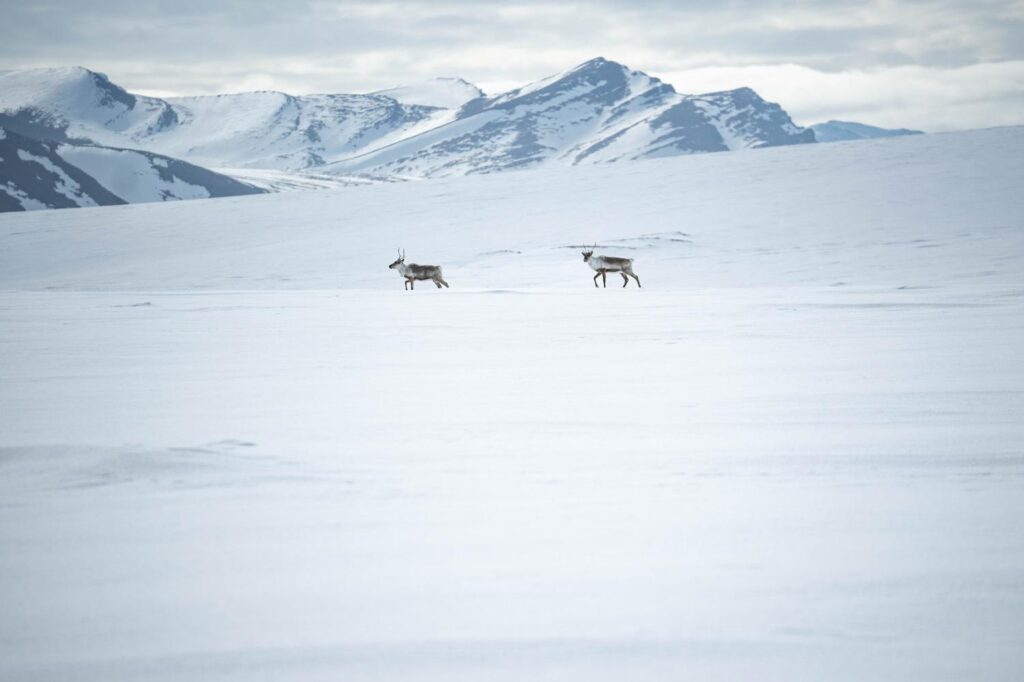
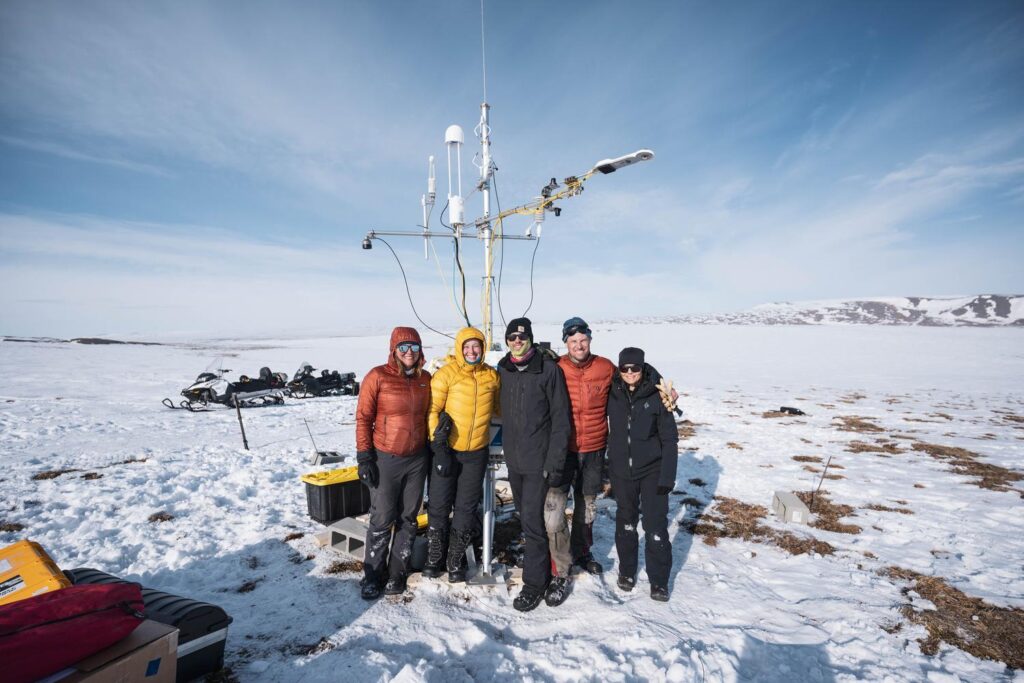
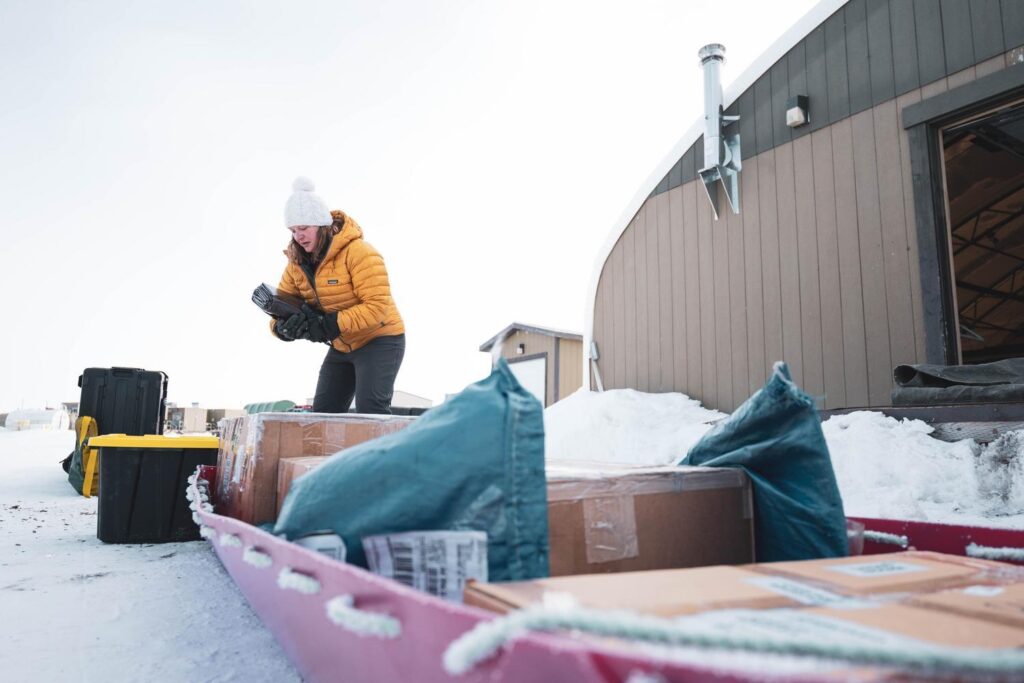
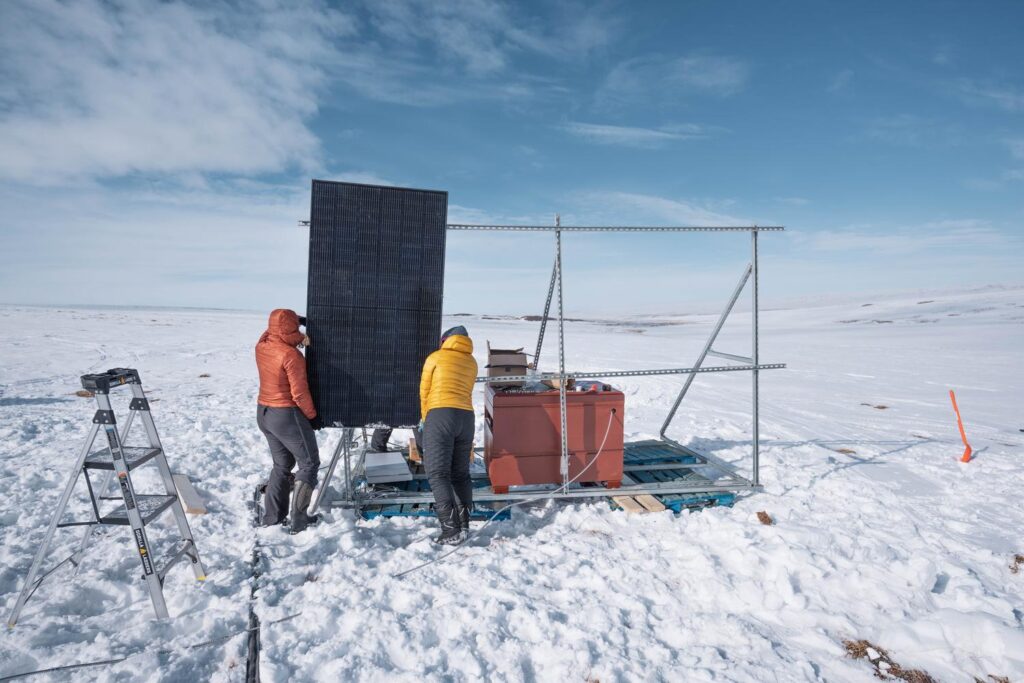
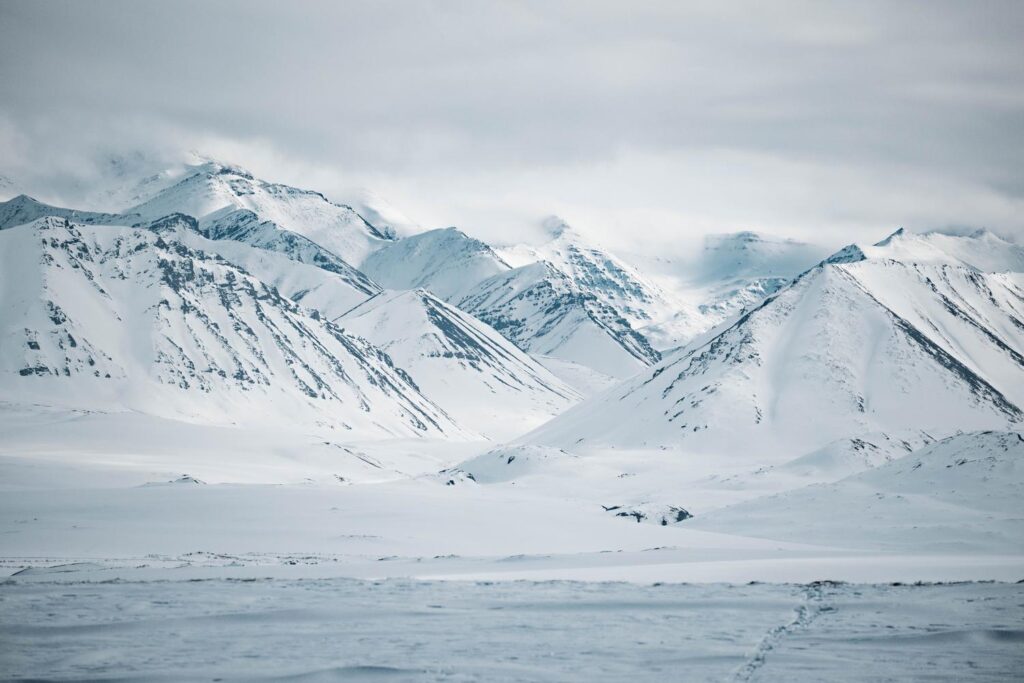
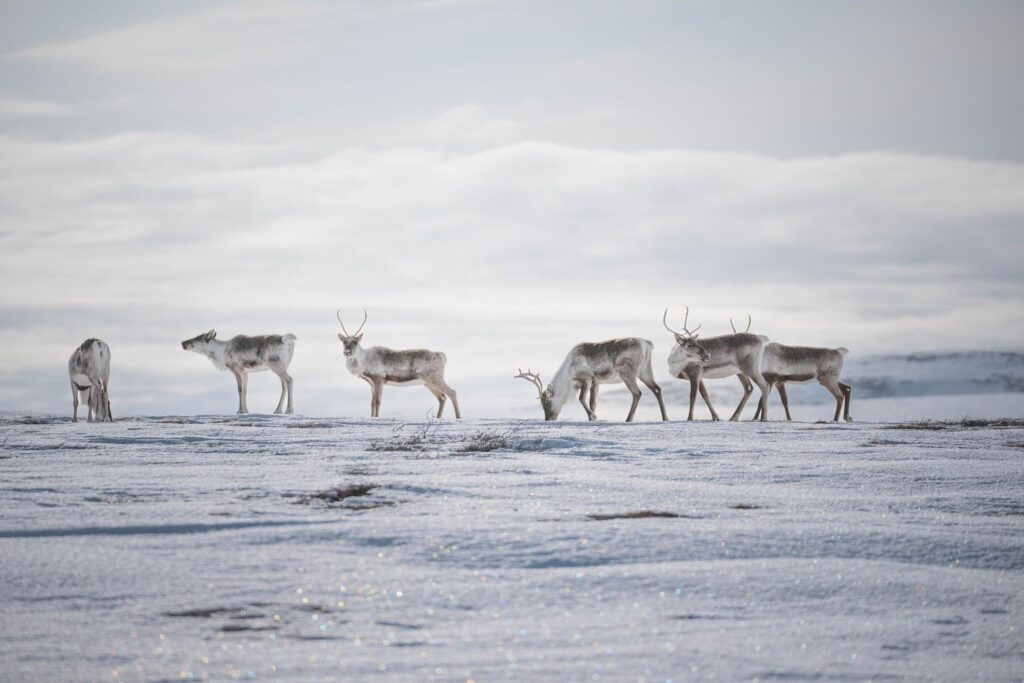
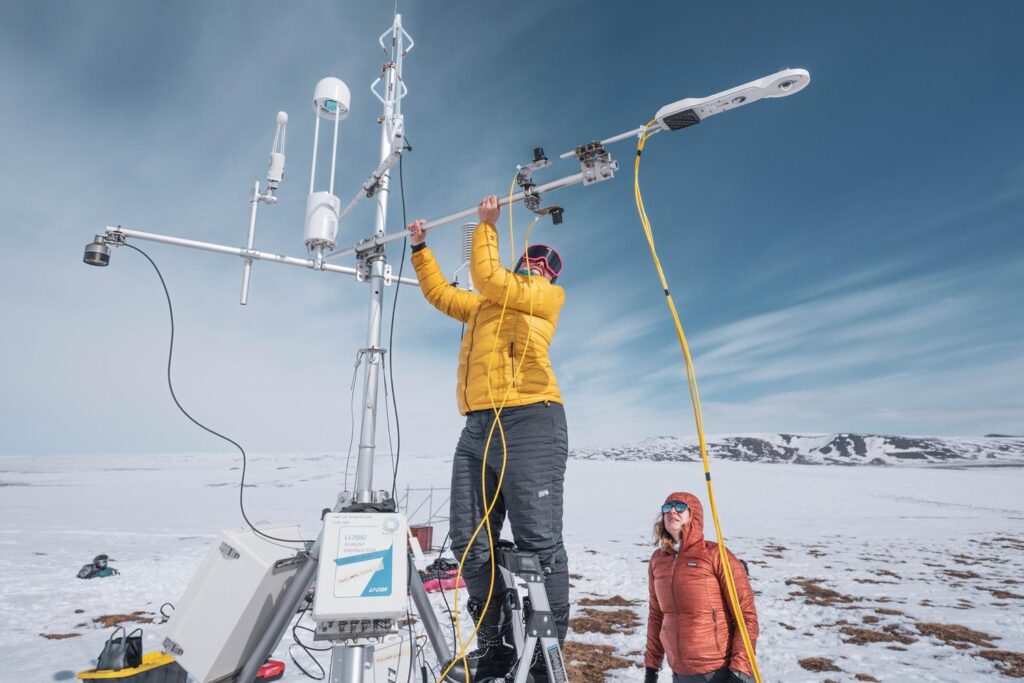
The deployment of scientific instrumentation in the Arctic is a feat of logistical endurance. The team, which included researchers Kyle, Christina, and Kai, operated out of the Toolik Field Station, located north of the Brooks Range. The mission began on a frigid morning characterized by heavy hoarfrost and the presence of caribou herds grazing under the shadow of jagged peaks. The primary objective was the transport and assembly of a 15-foot-tall aluminum flux tower at a remote site characterized by significant permafrost degradation.
The equipment required for this installation was substantial. To power the sensors in an environment that experiences months of polar night and extreme cold, the team hauled eight deep-cell batteries, each weighing over 100 pounds, alongside four large solar panels. The tower itself is equipped with an intricate electrical enclosure and specialized sensors designed to measure "carbon flux"—the movement of carbon between the land and the atmosphere.
Securing the structure against the high winds of the North Slope required the use of guy-lines, cement anchors, and steel spikes driven into the frozen ground. This tower now stands as a sentinel over a "thaw slump," a geological feature where the ice-rich permafrost has melted, causing the ground to lose its structural integrity and collapse downhill. These slumps expose organic matter that has been frozen for thousands of years, effectively "waking up" ancient microbes that begin to decompose the material, releasing greenhouse gases in the process.
The Mechanics of Permafrost Thaw Slumps
Permafrost is defined as ground that remains completely frozen (0°C or colder) for at least two consecutive years. In the Arctic, this frozen layer can extend hundreds of meters deep. However, as summer temperatures rise and winter durations shorten, the "active layer"—the top portion of soil that thaws annually—is deepening. When this process occurs rapidly on slopes, it creates thaw slumps, which act as "hotspots" for carbon release.
While the surrounding intact tundra remains relatively stable, these slumps represent a breach in the Earth’s natural carbon storage system. Current global climate models often treat the Arctic as a uniform landscape, yet the emissions from a single thaw slump can be exponentially higher than those from a nearby undisturbed area. By installing the flux tower directly at the site of a collapse, Dr. Watts and her team aim to provide the primary data needed to incorporate these dramatic geological shifts into broader climate projections.
The gases being measured—carbon dioxide and methane—are of particular concern. While CO2 is more abundant, methane is a much more potent greenhouse gas, possessing a warming potential more than 80 times that of carbon dioxide over a 20-year period. If the Arctic’s vast permafrost reserves, which contain an estimated 1,400 to 1,600 billion metric tons of carbon, continue to thaw at this rate, the resulting "carbon bomb" could render international emissions targets impossible to achieve.
The Snow Insulation Paradox: A Hidden Driver of Warming
A secondary but equally vital component of the expedition involved the study of snow hydrology and its impact on ground temperature. Dr. Kelly Gleason, an expert in snow-water storage and watershed hydrology, conducted a series of experiments to investigate how changing snowfall patterns in the Arctic are influencing permafrost stability.
In the Western United States, snow is primarily viewed as a seasonal reservoir for water. In the Arctic, however, its role is more complex. Snow serves two primary functions: it reflects sunlight (the albedo effect) and it acts as a thermal insulator. While increased snowfall might theoretically cool the Earth by reflecting more solar radiation, it simultaneously creates a thick blanket that traps geothermal heat in the ground during the winter.
During the mission, Dr. Gleason compared temperature profiles in two distinct snowpacks:
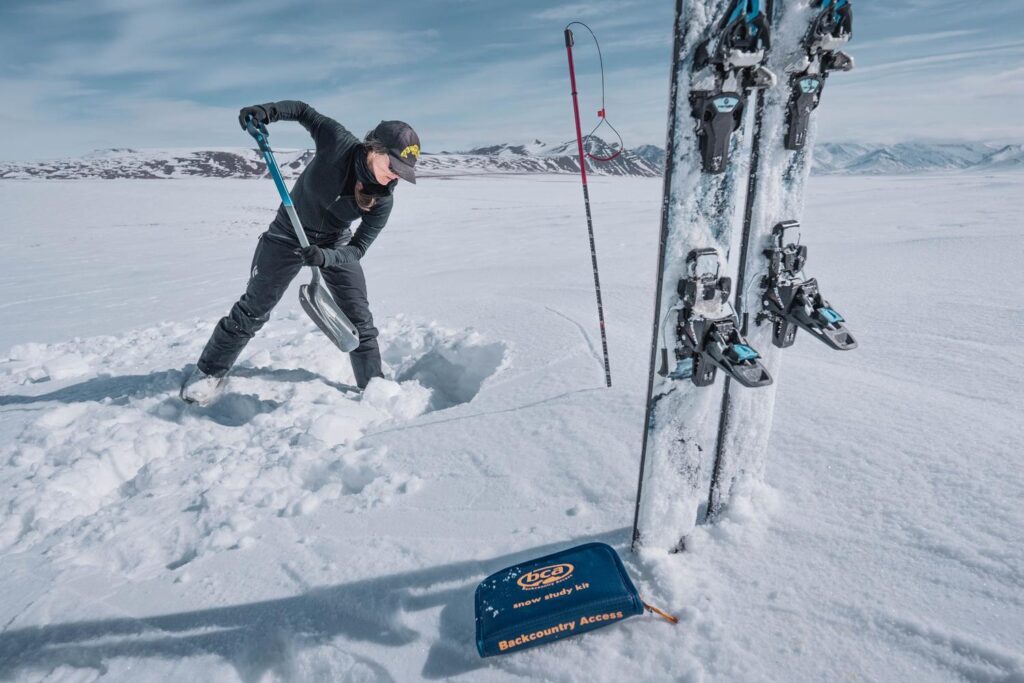
- A Deep Drift: Measuring nearly two meters in depth, this snowpack exhibited a surface temperature of -3°C. However, at the base where the snow met the soil, the temperature was also approximately -3°C.
- A Shallow Pack: Measuring 57 centimeters, this snowpack also had a surface temperature of -3°C but cooled steadily to -10°C at its base.
The data revealed a startling contrast. The deeper snowpack, bolstered by increased moisture from open Arctic waters, was actively keeping the ground warm enough for microbial life to remain active throughout the winter. In the shallow pack, the ground was allowed to reach the deep, dry cold of the Arctic atmosphere, slowing decomposition. This "insulation feedback" suggests that as the Arctic becomes wetter and snowier due to climate change, the permafrost may actually thaw faster from the bottom up, even in the absence of direct summer sunlight.
Scientific Analysis and Global Implications
The findings from Toolik Field Station contribute to a growing body of evidence suggesting that the Arctic is in a state of "regime shift." The transition from a cold, dry, ice-dominated system to a warmer, wetter, and more volatile environment has implications that extend far beyond the North Slope.
The "albedo feedback loop" is perhaps the most well-known of these changes. As sea ice shrinks, the dark open ocean absorbs more heat, leading to more evaporation and inland storms. These storms bring the deeper snow that Dr. Gleason studied, which then insulates the permafrost, leading to the methane releases that Dr. Watts is measuring. These interconnected cycles create a self-reinforcing loop that accelerates global warming independently of human activity.
"The Arctic has a way of pulling you deeper, demanding that you listen," Dr. Gleason noted regarding the complexity of these feedbacks. The data collected by the new flux tower will be transmitted to researchers to help refine Earth System Models (ESMs). Currently, there is a significant "uncertainty gap" in climate science regarding the exact timing and volume of permafrost carbon release. Missions like this one are essential for closing that gap.
The Role of Advocacy and the POW Science Alliance
The expedition also highlights the evolving role of the scientist in the 21st century. Traditionally, researchers have remained detached from policy advocacy, but the urgency of the climate crisis has led many, including those in the POW Science Alliance, to bridge the gap between data and action.
The POW Science Alliance is a collective of scientists who partner with professional athletes and outdoor industry leaders to communicate climate science to the public and policymakers. By turning complex data into narratives of personal experience and observable change, the alliance seeks to build a mandate for systemic climate policy.
"Science shows us what’s happening. Advocacy gives us a path forward," the team emphasized. The involvement of organizations like Protect Our Winters suggests a move toward a more integrated approach to environmental protection, where scientific research serves as the foundation for aggressive legislative advocacy.
Future Projections and Regional Impact
As the flux tower begins its long-term monitoring of the North Slope thaw slump, the scientific community awaits the first full year of data. This information will be critical for the indigenous communities of the North, whose infrastructure—including roads, homes, and pipelines—is built upon the very permafrost that is now slumping.
Beyond the local impact, the "Arctic-global connection" remains the primary concern for the international community. The release of methane from these slumps contributes to the "global carbon budget," the limit of carbon emissions allowed to keep global warming below 1.5°C or 2°C. If permafrost emissions are higher than expected, the "budget" for human emissions from fossil fuels must be reduced even further to compensate.
The Toolik expedition serves as a reminder that the Arctic is not a remote, isolated wasteland, but a dynamic and vital component of the Earth’s life-support system. The jagged peaks of the Brooks Range and the caribou of the North Slope are part of a landscape that is currently undergoing its most rapid transformation in millennia. The work of Dr. Watts, Dr. Gleason, and their team represents a race against time to understand these changes before the feedback loops they uncover become irreversible. Through a combination of rigorous field science and public-facing advocacy, the mission at Toolik Field Station aims to ensure that the "invisible" gases of the Arctic are seen, measured, and ultimately addressed by a global audience.

