
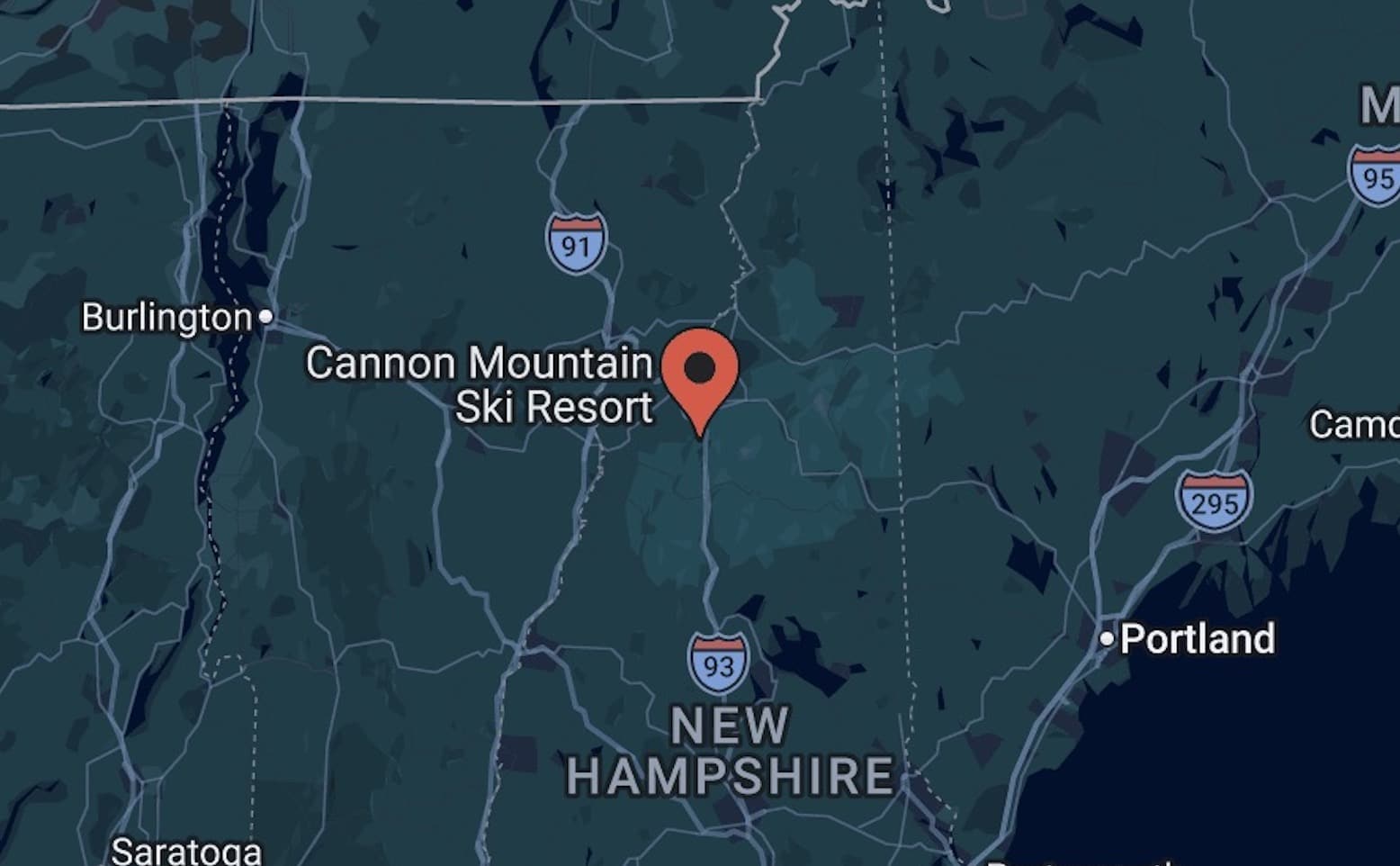
A snowboarding incident occurred yesterday in an unpatrolled, out-of-bounds area at Cannon Mountain Ski Resort, resulting in serious injuries to a 36-year-old man. The accident highlights the inherent risks associated with venturing beyond marked and maintained ski trails. New Hampshire Fish and Game conservation officers were alerted to the situation around 4:30 p.m. on Monday, initiating a rescue operation that involved multiple agencies.
Incident Details and Chronology
The injured snowboarder has been identified as Ethan Haust, a resident of Ashland, New Hampshire. According to initial reports from the New Hampshire Fish and Game Department, Haust was snowboarding with a group of friends when the incident took place. As the day’s skiing concluded, the group reportedly ventured into an area outside the resort’s managed boundaries, a practice that carries significant risks due to the unpredictable nature of ungroomed and unpatrolled terrain.
While navigating what officials described as steep and rocky terrain, Haust is believed to have caught an edge on his snowboard. This loss of control led to a direct and forceful collision with a tree. The impact of the collision rendered Haust unable to move, prompting his companions to seek assistance.
The immediacy of the situation led the group to contact emergency services. In response, Cannon Mountain ski patrol was dispatched to the scene. Ski patrol personnel provided initial medical aid to Haust while simultaneously assessing the complexity of the rescue. Given the challenging terrain and the severity of Haust’s injuries, ski patrol requested the assistance of the New Hampshire Fish and Game Department.
The subsequent rescue operation was a coordinated effort involving multiple specialized teams. Conservation officers from the New Hampshire Fish and Game Department, alongside members of the Pemigewasset Valley Search and Rescue Team, were deployed. Their expertise in wilderness rescue was crucial for safely extracting Haust from the difficult, steep environment. The use of ropes and specialized extrication techniques was employed to carefully maneuver Haust out of the treacherous area.
Once safely evacuated to the base area of Cannon Mountain, Haust was transported by private vehicle to a local hospital to receive further medical treatment for his injuries. The extent and specifics of his injuries have not been publicly disclosed.
Background Context: The Risks of Out-of-Bounds Skiing
Cannon Mountain Ski Resort, a prominent destination in the White Mountains of New Hampshire, is known for its challenging terrain and extensive natural snow opportunities. However, like many ski resorts, it maintains clearly defined boundaries for its operational areas. These boundaries are established for safety reasons, delineating areas that are regularly patrolled, assessed for avalanche risk, and groomed or otherwise managed to mitigate hazards.
Skiing or snowboarding in out-of-bounds areas, often referred to as "sidecountry" or "backcountry" depending on their proximity and accessibility from the resort, presents a significantly higher risk profile. These areas are not subject to the same level of avalanche control, hazard assessment, or search and rescue preparedness as in-bounds terrain. Snow conditions can be highly variable, including hidden obstacles such as rocks, trees, and buried debris. Steep slopes can also increase the likelihood of uncontrolled falls and subsequent injuries.
The decision to venture out-of-bounds, even with experienced companions, requires a thorough understanding of the risks involved, advanced backcountry safety knowledge, and appropriate equipment, including avalanche safety gear if the terrain warrants it. Incidents like the one involving Ethan Haust underscore the critical importance of adhering to marked trails and respecting resort boundaries, which are in place to ensure the safety of all visitors.
Supporting Data and Analysis
While specific data on out-of-bounds incidents at Cannon Mountain is not readily available, national trends highlight the persistent dangers. According to the National Ski Areas Association (NSAA), while the overall injury rate at ski resorts has remained relatively stable over the years, a significant portion of serious incidents occur in areas where skiers and snowboarders venture beyond designated limits. These incidents often involve collisions with natural objects, falls on uneven terrain, or entrapment due to changing snow conditions.
The involvement of both ski patrol and a dedicated search and rescue team in this incident points to the challenging nature of the rescue. Steep terrain significantly complicates extrication, requiring specialized skills and equipment that go beyond standard first aid. The Pemigewasset Valley Search and Rescue Team, a volunteer organization, plays a vital role in supporting emergency services in the rugged terrain of central New Hampshire. Their involvement underscores the reliance on community-based emergency response for incidents in remote or challenging environments.
The fact that the group called for help after Haust was unable to move is a critical aspect of the incident. It highlights the importance of companions recognizing the severity of an injury and initiating the appropriate emergency response protocols. Prompt notification allows for the timely deployment of rescue resources, which can be critical in reducing the time a severely injured individual is exposed to the elements and in pain.
Official Statements and Broader Implications
While specific statements from resort officials or law enforcement regarding this particular incident are pending, ski resorts universally emphasize safety protocols and the risks associated with off-piste activities. Cannon Mountain, like other resorts, likely has signage and advisories in place warning skiers and snowboarders about the dangers of unpatrolled terrain and encouraging them to stay within marked boundaries.
The implications of this incident extend beyond the immediate medical needs of Ethan Haust. It serves as a stark reminder to the broader skiing and snowboarding community about the importance of respecting the natural environment and the managed boundaries of ski areas. For individuals who choose to explore backcountry or sidecountry areas, comprehensive preparation is paramount. This includes understanding avalanche forecasts, carrying essential safety equipment (such as beacons, probes, and shovels), possessing navigation skills, and informing someone of their planned route and expected return time.
The incident also highlights the dedication and professionalism of ski patrol and search and rescue teams. These individuals often operate in hazardous conditions to ensure the safety of others. Their swift response and effective coordination were instrumental in the successful evacuation of Haust.
As the snowboarding season continues in New Hampshire, this incident serves as a critical point of reflection for all winter sports enthusiasts. The allure of untouched powder and challenging, natural terrain is undeniable, but it must be approached with a profound respect for its inherent dangers and a commitment to safety practices that mitigate those risks. The decision to venture out-of-bounds is not one to be taken lightly, and understanding the potential consequences is as crucial as mastering the sport itself.

