
A 61-year-old Connecticut man demonstrated remarkable resilience and adherence to safety protocols last Tuesday when he successfully executed a partial self-rescue on New Hampshire’s Mount Washington. The hiker, identified as Siuzdak, suffered a dislocated shoulder and significant back injuries after slipping on wet granite slabs nearly six hours into his grueling ascent. Despite the severity of his trauma, Siuzdak managed to navigate treacherous alpine terrain with the assistance of New Hampshire Fish and Game conservation officers before being evaluated by emergency medical personnel.
The incident underscores the inherent unpredictability of the White Mountains, where rapid weather shifts, rugged topography, and notoriously severe conditions can turn a routine backcountry excursion into a high-stakes survival scenario. While search and rescue teams frequently face harrowing extractions in this region, Siuzdak’s preparedness and grit ultimately prevented a prolonged and hazardous technical rescue operation.
Chronology of Events: From Early Morning Ascent to Emergency Response
Siuzdak’s journey began well before dawn. Records from the New Hampshire Fish and Game Department indicate that the hiker hit the trail at approximately 4:00 AM on Tuesday, September 15th, opting for the challenging Ammonoosuc Ravine Trail. Known for its steep grades and strenuous elevation gain, the route serves as a popular artery for mountaineers aiming to summit the highest peak in the Northeastern United States.
For the first six hours, the hike proceeded according to plan. However, at approximately 10:00 AM, as Siuzdak traversed a section a short distance below the Lakes of the Clouds Hut, environmental hazards intervened. The hiker slipped on wet granite slabs—a notorious slipping hazard even in early autumn—and suffered a traumatic fall. The impact resulted in a dislocated shoulder and a painful back injury.
Realizing his predicament, Siuzdak managed to pop his shoulder back into its socket independently, though the joint remained unstable and his back caused considerable discomfort. Despite these debilitating injuries, he made the calculated decision to continue moving toward the Mount Washington summit rather than attempting an immediate descent down unfamiliar or steeper terrain.
Hours later, at approximately 3:15 PM, an unrelated hiker crossing Crawford Path between the Lakes of the Clouds and the summit encountered Siuzdak. Recognizing the gravity of the situation, the good Samaritan used a mobile phone to dial 911, alerting the New Hampshire Fish and Game Department to dispatch conservation officers.
Upon receiving the emergency call, dispatchers communicated with Siuzdak, advising him to maintain his course toward the summit while rescue personnel mobilized. Two conservation officers rapidly ascended the mountain, reaching the summit area by 5:00 PM. They immediately hiked approximately one-third of a mile down Crawford Path to intercept the injured trekker.
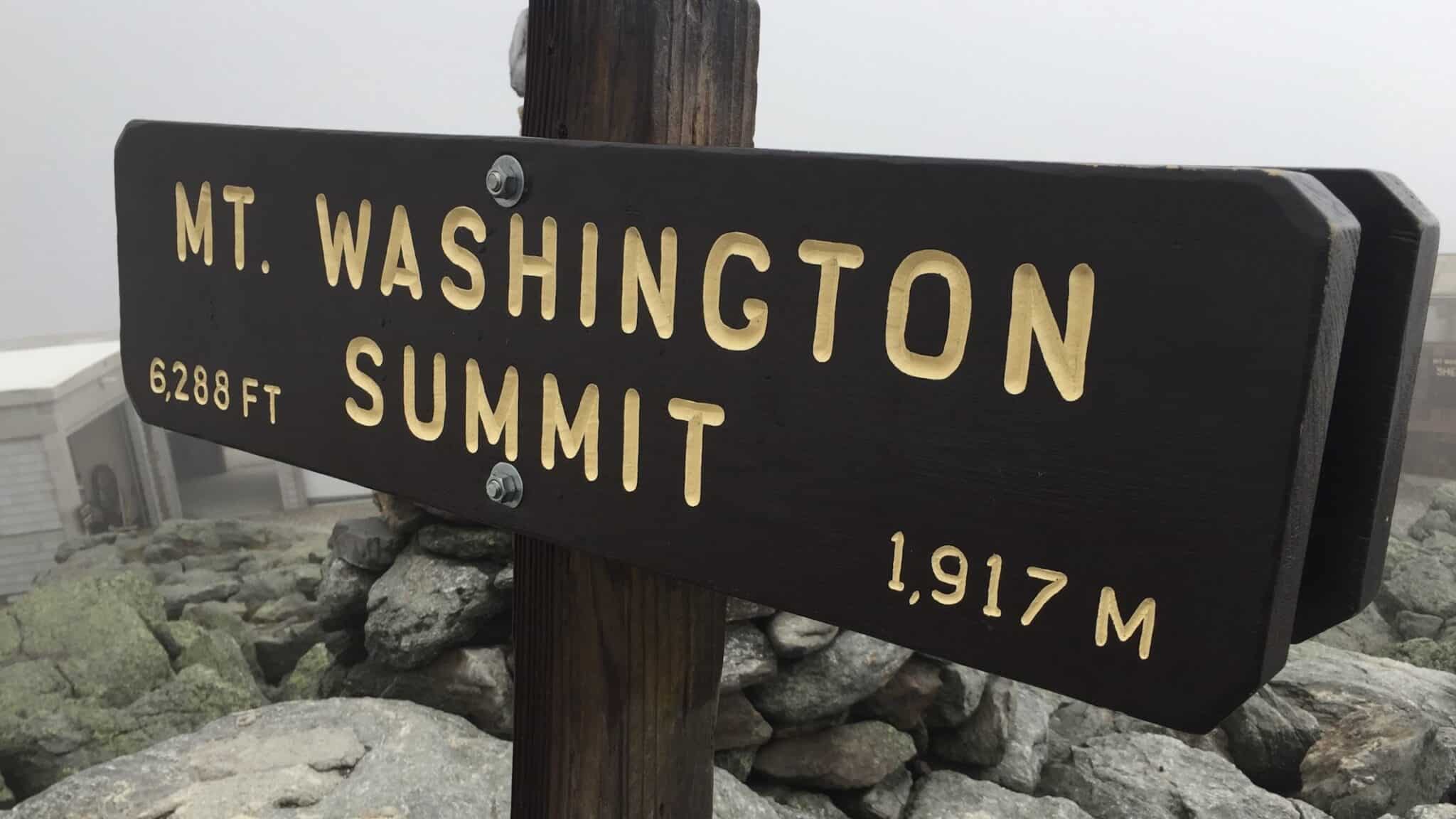
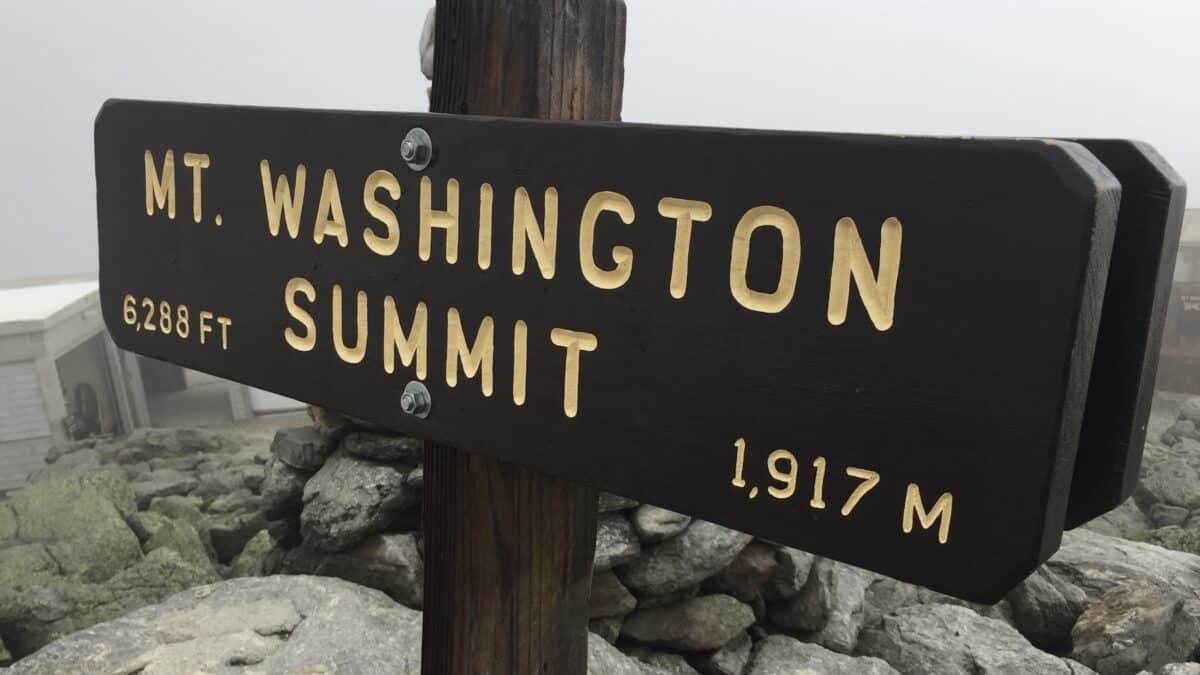
Flanked by the trained officers to prevent any secondary falls, Siuzdak continued his slow, methodical march upward. Displaying considerable endurance, he reached the summit under his own power at approximately 5:30 PM.
Medical Evaluation and Transport
Once at the summit, the rescue operation transitioned into logistics and medical assessment. A conservation officer loaded Siuzdak into a transport vehicle and drove him down the historic Mount Washington Auto Road to the base, where Gorham EMS personnel were standing by.
Emergency medical technicians thoroughly evaluated the Connecticut resident. Following the assessment, Siuzdak expressed his desire to bypass a hospital transfer, opting instead to drive himself to an urgent care facility closer to home. Rescuers subsequently provided him with a ride back to his personal vehicle, which was parked at the Cog Railway base station, concluding a dramatic afternoon on the mountain.
The Critical Role of Preparation and Gear
Authorities were quick to praise Siuzdak’s prior planning, which played a pivotal role in mitigating the consequences of his accident. Before embarking on his New Hampshire expedition, Siuzdak had carefully reviewed the safety recommendations published on the New Hampshire Fish and Game Department’s official website.
Guided by those digital resources, he packed essential emergency equipment, including extra layers of warm clothing and a comprehensive first aid kit. When an unexpected accident left him stranded in the alpine zone for hours before rescue officers could reach him, these provisions protected him against the elements. Mount Washington is globally famous for its volatile microclimate, where temperatures can plummet drastically and wind speeds can reach hurricane force without warning, regardless of the season.
New Hampshire Fish and Game officials frequently emphasize that even experienced hikers can fall victim to the mountain’s deceptively technical terrain. Wet granite, loose scree, and sudden cloud cover routinely catch visitors off guard. The department reiterates that carrying proper gear—such as windproof and waterproof outer layers, adequate hydration, navigation tools, and a reliable first aid kit—is not merely a suggestion, but a vital line of defense.
Broader Implications for Backcountry Safety in the White Mountains
Search and rescue operations in New Hampshire have faced rising administrative and financial strains in recent years, driven by an influx of novice and inadequately prepared outdoor enthusiasts visiting the White Mountains National Forest. While the state operates a Hike Safe card program designed to offset rescue costs, incidents involving preventable negligence often draw heavy criticism and strain limited municipal and state resources.
However, rescue coordinators noted that Siuzdak’s case represents a stark contrast to typical avoidable rescues. He did not venture out in inadequate footwear, nor did he ignore weather warnings or embark without navigation. His accident was an unfortunate mechanical slip on slick rock—a risk inherent to mountaineering—which was safely managed because he possessed the right mindset, followed emergency protocols, and carried life-saving gear.
Furthermore, the involvement of the bystander who placed the initial 911 call highlights the tight-knit, mutually supportive culture of the hiking community. Trail etiquette in the White Mountains dictates that fellow travelers look out for one another, and this intervention ensured that emergency services were mobilized precisely when needed, preventing a potentially worsening medical crisis as daylight began to wane.
As the autumn season progresses, weather windows in the presidential range will continue to shrink, bringing colder temperatures, potential snow, and icy rock faces. Incidents like the one on Crawford Path serve as both a cautionary tale regarding the hazards of wet granite and a masterclass in how proper preparation can avert tragedy when the unexpected occurs in the high alpine wilderness.

