
A powerful lightning strike on Tuesday evening at Fox Hollow Golf Course in Lakewood, Colorado, not only sent one individual to the hospital but also ignited a small wildfire, prompting a swift and coordinated response from multiple fire agencies across the Denver metropolitan area. The incident occurred just before 6 p.m., underscoring the volatile nature of Colorado’s summer thunderstorm season and the persistent threat of lightning-induced fires in dry conditions.
Incident Details and Immediate Response
The dramatic events unfolded on the 6th hole of the popular Lakewood municipal golf course. According to initial reports from West Metro Fire Rescue, the lightning bolt struck the area with considerable force. In the immediate aftermath, one person present in the vicinity of the strike sustained injuries and required immediate medical attention. The individual was subsequently transported to a local hospital, though their current condition remains undisclosed.
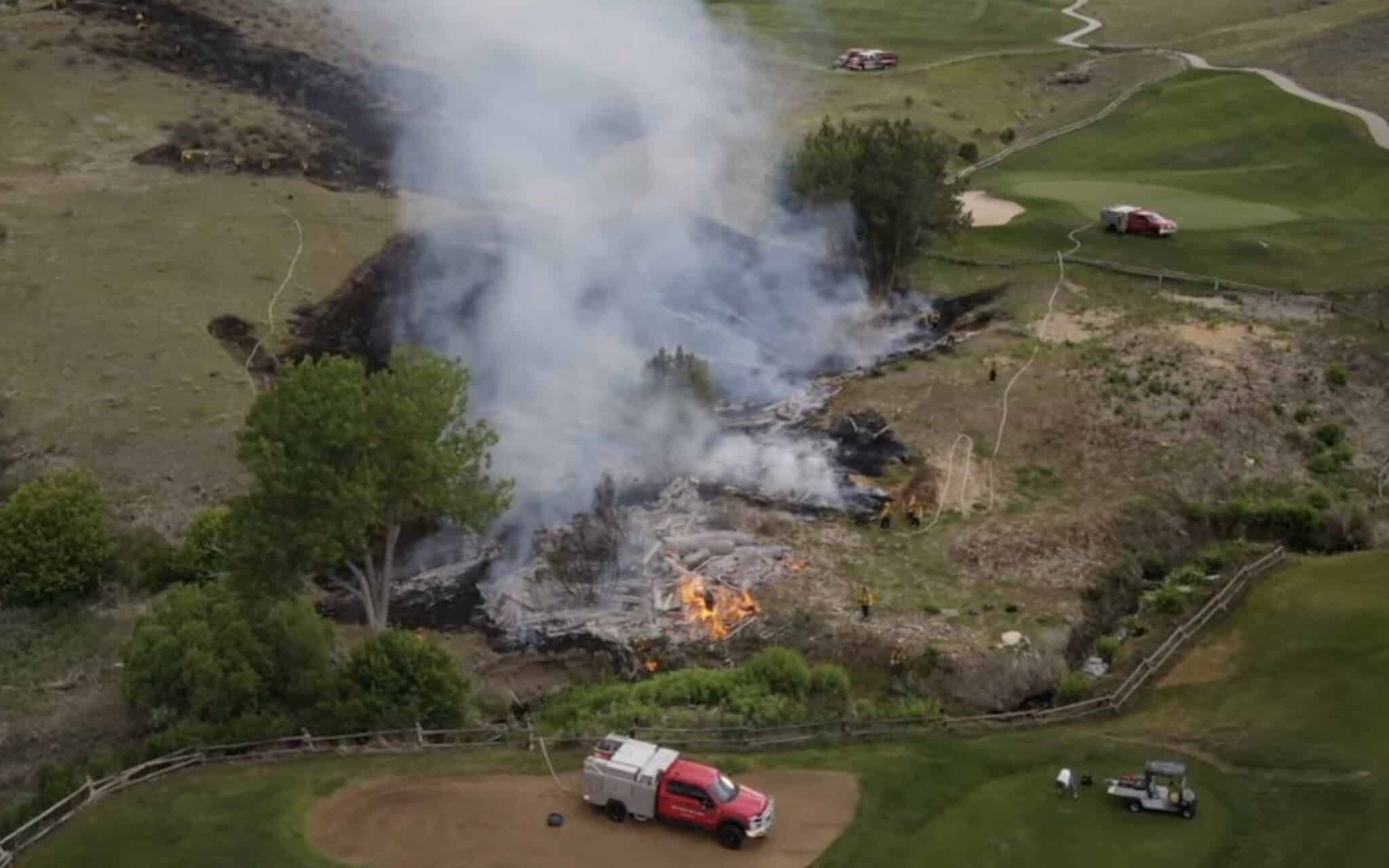
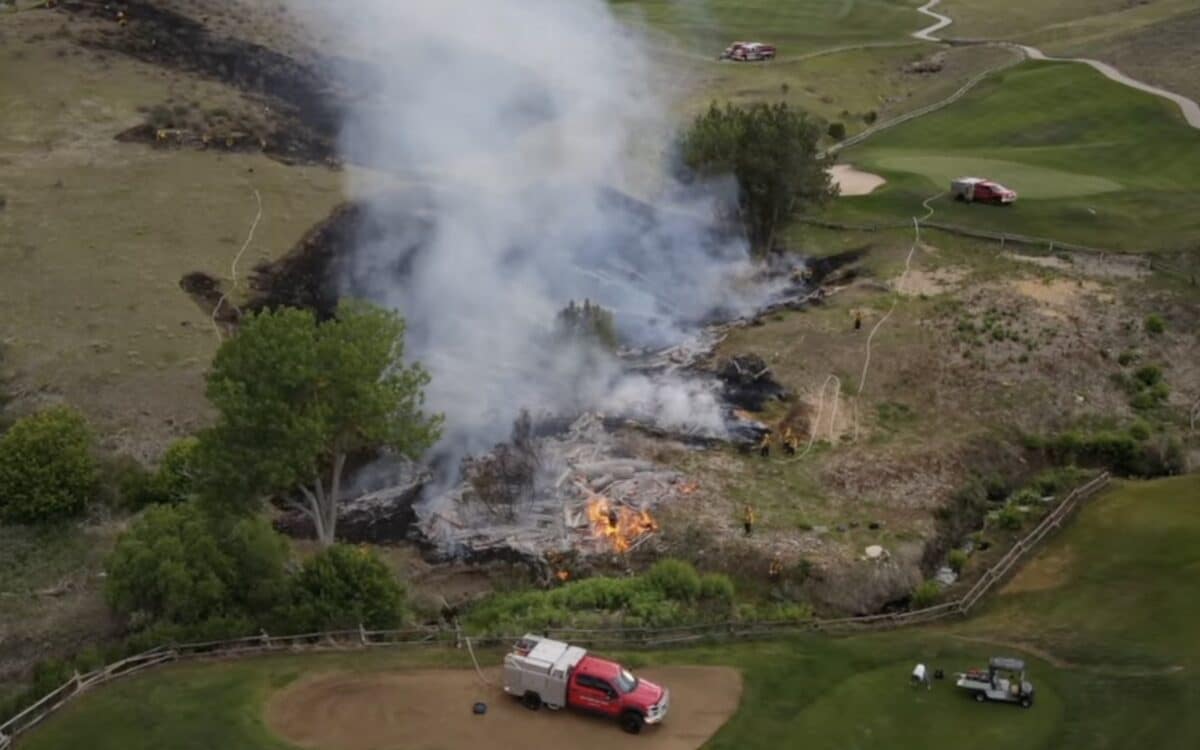
Simultaneously, the intense electrical discharge ignited a fire in a section of the course characterized by dead, dry grass, brush, and fallen trees. This particular area, described as a "rough" section west of Denver, provided ample fuel for the nascent blaze. Firefighters were dispatched to the scene with urgency, recognizing the potential for rapid spread given the dry vegetation and the ongoing storm activity.
Crews from West Metro Fire Rescue, alongside other responding agencies, worked diligently to contain the fire. Their efforts were focused on preventing the blaze from spreading beyond its initial perimeter. The fire was successfully held to approximately two acres, a testament to the quick and effective initial attack by the responding units. Crucially, at the time of the incident, no structures on the golf course or in surrounding areas were reported to be under any immediate threat.
Advanced Firefighting Techniques Employed
During the critical mop-up phase of the firefighting operation, crews utilized advanced technology to ensure the complete extinguishment of the wildfire. A drone equipped with infrared (IR) imaging technology was deployed. This sophisticated tool allows firefighters to detect heat signatures that may not be visible to the naked eye, identifying any remaining hot spots or smoldering embers hidden within the debris and underbrush. This meticulous approach is vital in preventing the fire from reigniting, especially in areas with dense, dry fuel. The use of such technology highlights the evolving strategies employed by modern fire departments to enhance safety and effectiveness.
Background and Context: Colorado’s Thunderstorm Season
The incident at Fox Hollow Golf Course occurs against the backdrop of an already active start to Colorado’s summer thunderstorm season. The state, particularly its mountainous and foothill regions, is highly susceptible to lightning-caused wildfires. These events are a recurring concern for fire management agencies and residents alike.
Several factors contribute to this heightened risk:
- Dry Vegetation: Following a period of drought or low precipitation, grasses, shrubs, and trees become exceptionally dry and flammable. This creates a tinderbox-like environment where even a minor spark can lead to a significant fire.
- Warm Temperatures: Elevated temperatures increase the rate of evaporation from vegetation, further drying it out and making it more susceptible to ignition.
- Thunderstorm Activity: Colorado’s high-altitude terrain often leads to dramatic and frequent afternoon thunderstorms. While these storms can bring much-needed moisture, they are also frequently accompanied by lightning, the primary ignition source for many wildfires in the region.
- Wind Patterns: Thunderstorms can also generate strong, erratic winds, which can rapidly spread a fire once it has ignited.
The National Interagency Fire Center (NIFC) consistently reports that lightning is a major cause of wildfires in the Western United States. In recent years, Colorado has experienced increasingly severe wildfire seasons, with factors like climate change potentially exacerbating dry conditions and increasing the frequency and intensity of fire weather. The persistence of severe wildfire conditions across the West, including Colorado, means that even small, seemingly contained incidents like the one at Fox Hollow serve as stark reminders of the ongoing wildfire threat.
Timeline of Events (Inferred Chronology)
While precise timings are not always available in initial reports, a plausible chronological sequence of events can be constructed:
- Late Afternoon/Early Evening: Weather conditions deteriorate, with the development of a thunderstorm over the Denver metropolitan area.
- Shortly Before 6:00 PM: A powerful lightning strike occurs near the 6th hole of Fox Hollow Golf Course.
- Immediate Aftermath: The lightning strike injures one individual in the vicinity. Simultaneously, the strike ignites dry vegetation on the course.
- Minutes Following Ignition: Golf course staff or witnesses likely report the fire and the injury.
- Within 10-15 Minutes of Report: First responders, primarily West Metro Fire Rescue, arrive on the scene.
- Ongoing: Additional fire agencies from the Denver metro area are dispatched to provide support. Firefighters initiate aggressive suppression tactics to contain the blaze.
- During Suppression: The injured individual is transported to a local hospital.
- After Initial Containment: Crews begin mop-up operations.
- During Mop-Up: A drone equipped with infrared technology is deployed to identify and extinguish any remaining hot spots.
- Late Evening: Fire is declared fully out, with ongoing patrols to monitor for any resurgence.
Official Statements and Agency Collaboration
West Metro Fire Rescue, as the primary responding agency, took the lead in managing the incident and communicating updates. Their swift action and effective command structure were crucial in limiting the spread of the fire and ensuring the safety of personnel and the public. The involvement of multiple fire agencies from the Denver metro area highlights the collaborative nature of emergency response in the region, where resources are often pooled to address significant incidents.
While no direct statements were released regarding the specific details of the injured golfer’s prognosis, the standard protocol in such situations involves providing medical care and assessing the extent of injuries. The quick transport to a hospital indicates the severity of the impact from the lightning strike.
The incident also serves as a reminder for the public to exercise caution during thunderstorms. Golf courses, due to their open nature and the presence of tall flagpoles and scattered trees, can be particularly dangerous during lightning activity. Golfing organizations and course operators often have specific protocols in place to suspend play and seek shelter when lightning is detected.
Broader Implications and Analysis
The lightning-induced wildfire at Fox Hollow Golf Course, though small in scale, carries broader implications for Colorado and other Western states facing similar environmental challenges.
- Wildfire Preparedness: The event underscores the importance of ongoing wildfire preparedness and prevention efforts. Even in developed areas like a golf course, the risk of ignition from natural causes remains significant, especially during periods of high fire danger. This necessitates robust fire management plans, public education campaigns, and investment in advanced firefighting technologies.
- Climate Change and Fire Risk: Scientists widely agree that climate change is contributing to longer and more intense wildfire seasons in the Western U.S. This includes hotter temperatures, drier vegetation, and more frequent extreme weather events. Incidents like the one at Fox Hollow are consistent with these projected trends, suggesting that such events may become more common.
- Economic and Recreational Impact: Golf courses are significant recreational and economic assets. Wildfires, even small ones, can disrupt operations, damage infrastructure, and pose a threat to the surrounding environment and community. The quick containment of this fire minimized such impacts.
- Human Safety: The injury to the golfer is a stark reminder of the direct human toll that natural disasters can take. Lightning strikes, while relatively rare, can be fatal. Awareness of weather conditions and adherence to safety guidelines are paramount.
The quick response and successful containment of the wildfire at Fox Hollow Golf Course prevented a more serious situation. However, the incident serves as a potent illustration of the persistent and evolving wildfire threat in Colorado, driven by natural weather patterns and exacerbated by a changing climate. As the summer progresses, vigilance and preparedness will remain critical for communities across the state.

