
The traditional view of skiing as a seasonal activity is increasingly being challenged by sports medicine professionals and professional athletes who advocate for a year-round approach to physical conditioning. While the majority of recreational skiers only spend four to six months on the snow, the physiological demands of the sport require a level of muscular endurance, core stability, and eccentric strength that cannot be developed in the weeks immediately preceding a winter trip. Experts suggest that maintaining "ski shape" throughout the summer and autumn months is the most effective strategy for enhancing performance in varied terrain—such as powder and moguls—while significantly reducing the risk of musculoskeletal injuries. By establishing a robust physical foundation during the off-season, skiers can ensure they return to the slopes at their peak strength, prepared for the high-impact nature of alpine sports.

The Physiological Demands of Alpine Skiing
To understand the necessity of year-round training, one must first examine the unique stresses skiing places on the human body. Unlike many endurance sports that rely on repetitive, linear movements, alpine skiing is a multi-planar activity that requires explosive power, rapid lateral shifts, and intense isometric contractions. According to data from the American Journal of Sports Medicine, knee injuries account for approximately 30% to 40% of all skiing-related trauma, with Anterior Cruciate Ligament (ACL) tears being particularly prevalent. These injuries often occur due to "quad-dominant" movements or a lack of hip and core stability, which leads to poor alignment when navigating uneven terrain.
Furthermore, skiing involves significant eccentric loading—the process of muscles lengthening under tension. As a skier descends a slope, their quadriceps and glutes must constantly act as shock absorbers against gravity and centrifugal force. Without specific off-season conditioning to prepare the muscles for this type of stress, the body becomes susceptible to early-onset fatigue. Fatigue is a primary precursor to injury; statistics from mountain rescue services indicate that a disproportionate number of accidents occur in the late afternoon, when muscle glycogen is depleted and stabilizing muscles are no longer able to protect the joints.
Assessing Readiness: The Side Plank Strength Test
Before embarking on a rigorous training program, athletes must assess their current baseline. A critical indicator of ski readiness is the strength of the "lateral chain," which includes the obliques, the gluteus medius, and the deep stabilizers of the trunk. These muscles are responsible for maintaining a stable pelvis and preventing the torso from collapsing during high-speed turns.
The Side Plank Test serves as a diagnostic tool to identify hidden weaknesses in these areas. To perform the test, an individual must lie on their side with the elbow positioned directly beneath the shoulder and the legs stacked. Upon lifting the hips to create a straight line from head to toe, the individual flexes the top foot and lifts it to hip height. This movement isolates the hip abductors and challenges the core to maintain its integrity against gravity.
Clinical benchmarks suggest that a fit skier should be able to complete at least five controlled leg lifts per side without losing form. However, the target for those seeking optimal performance is 10 to 15 repetitions with perfect posture. If the shoulder collapses, the hips sag, or the body rotates forward before reaching these numbers, it indicates a deficit in core and hip stability that could manifest as back or knee pain on the slopes.
A Comprehensive Five-Exercise Protocol for Off-Season Conditioning
To address the deficits identified in the side plank test and to prepare the body for the rigors of the mountain, fitness experts recommend a targeted five-exercise protocol. These movements focus on unilateral strength, lateral stability, and posterior chain engagement.
1. Lateral Lunges for Frontal Plane Stability
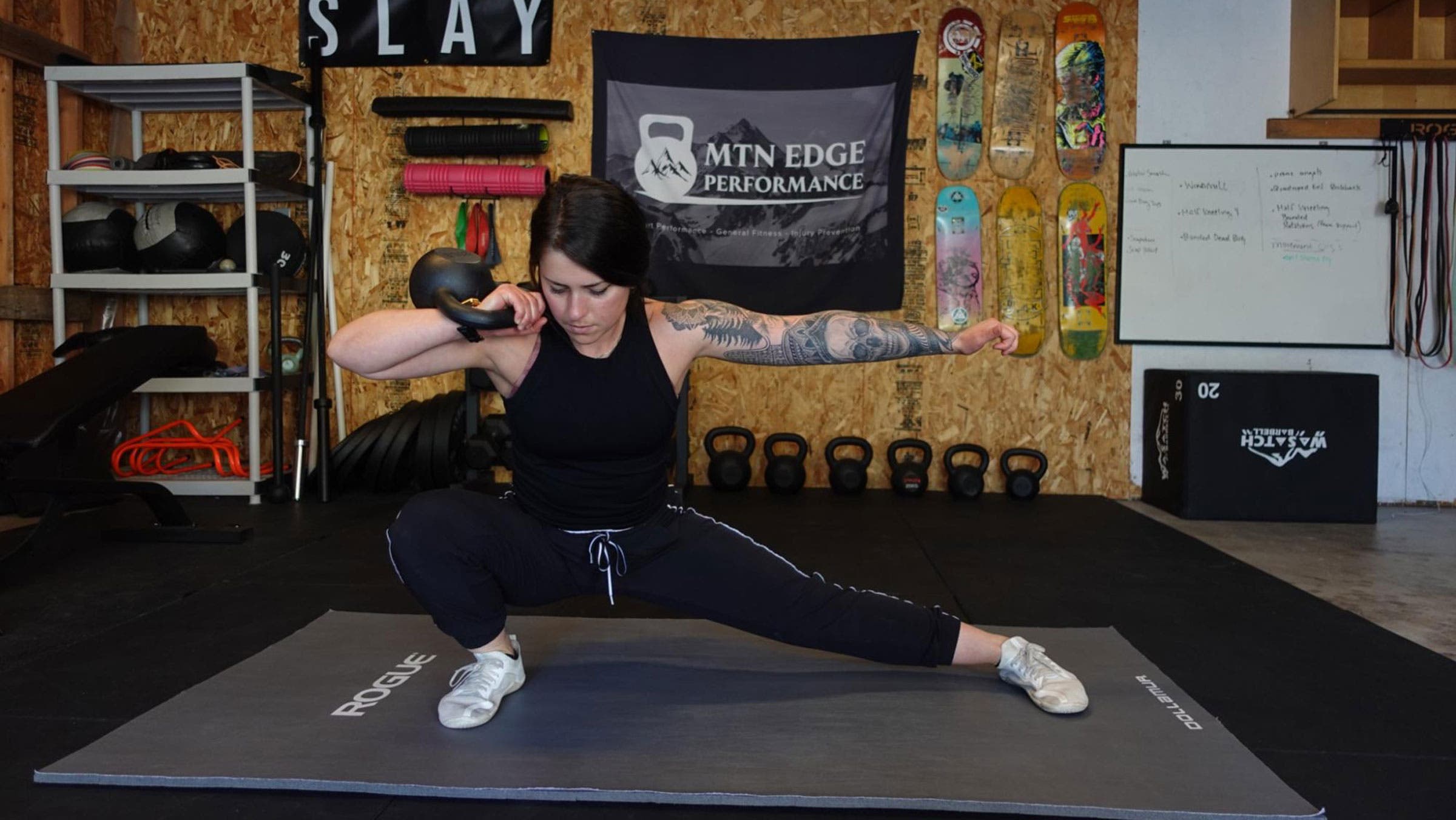
Most gym-goers focus on the sagittal plane (forward and backward movements), yet skiing is inherently a lateral sport. The lateral lunge is essential for building strength in the hip abductors and adductors. By stepping out to the side and lowering the hips while keeping one leg straight, the athlete mimics the weight transfer required during a carved turn.
- Implementation: Aim for eight to 12 repetitions per side. To increase intensity, a weight can be held at the chest in a goblet position. This exercise builds the "robustness" required to handle the lateral G-forces experienced on steep groomed runs.
2. Step-Ups for Explosive Power and Symmetry
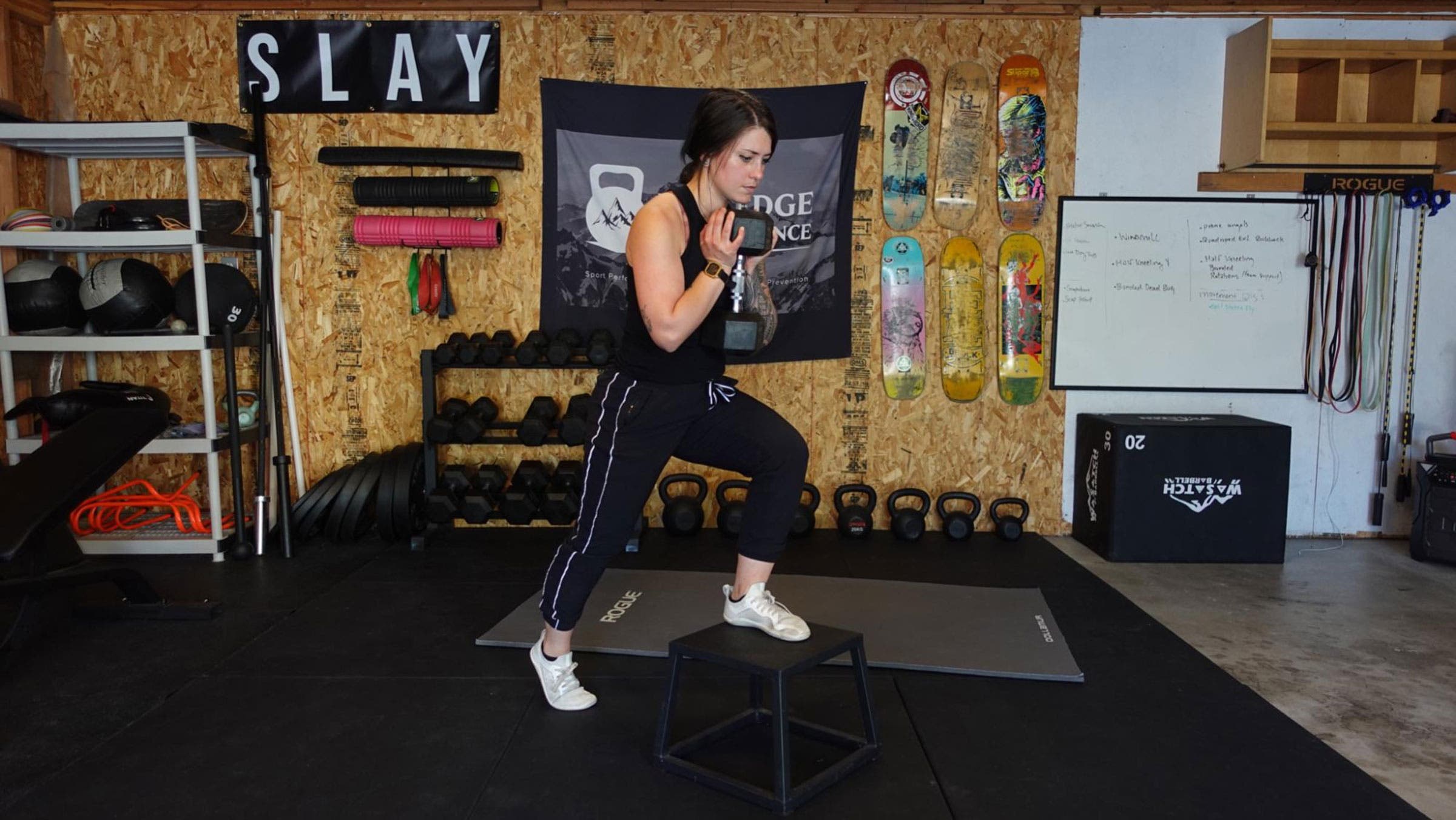
Skiing requires each leg to act independently. Step-ups on a box or bench (at knee height) eliminate strength imbalances and develop the glutes and quadriceps. This exercise is particularly effective for building the explosive power needed to navigate moguls and the endurance required for long descents.
- Implementation: Perform eight to 12 reps on one leg before switching. Focusing on a slow, controlled descent (the eccentric phase) is vital for mimicking the shock-absorption role the legs play during skiing.
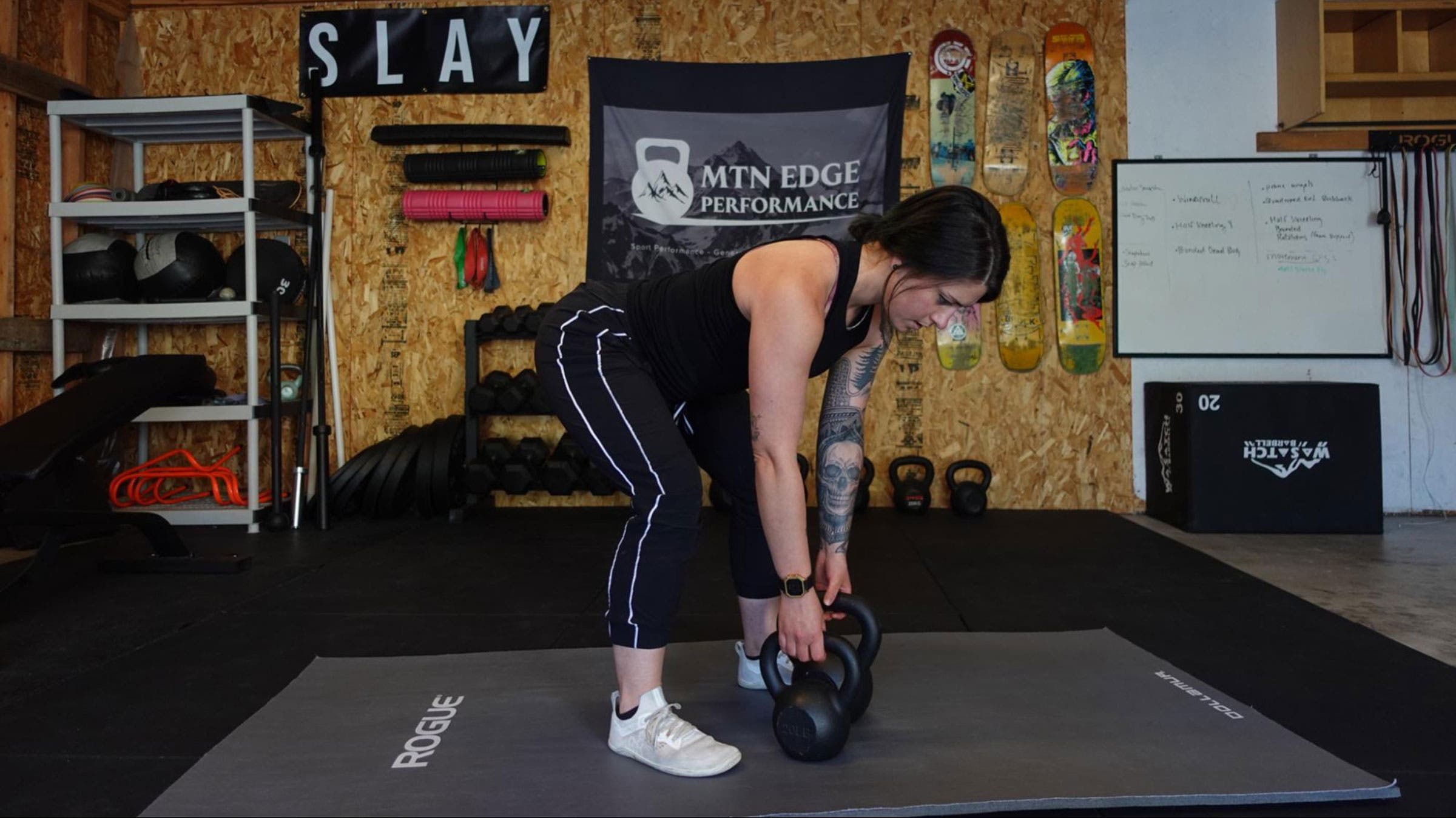
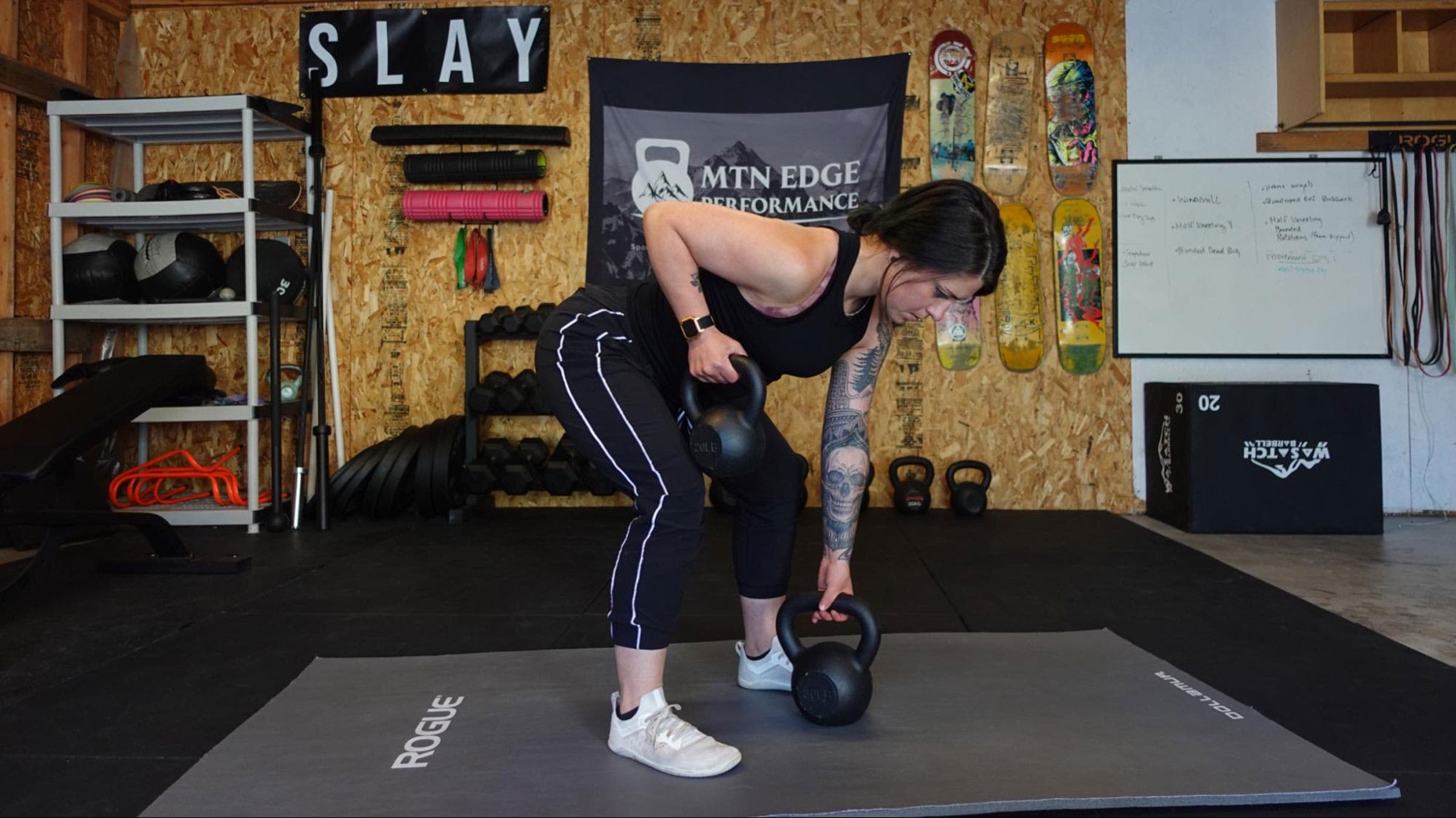
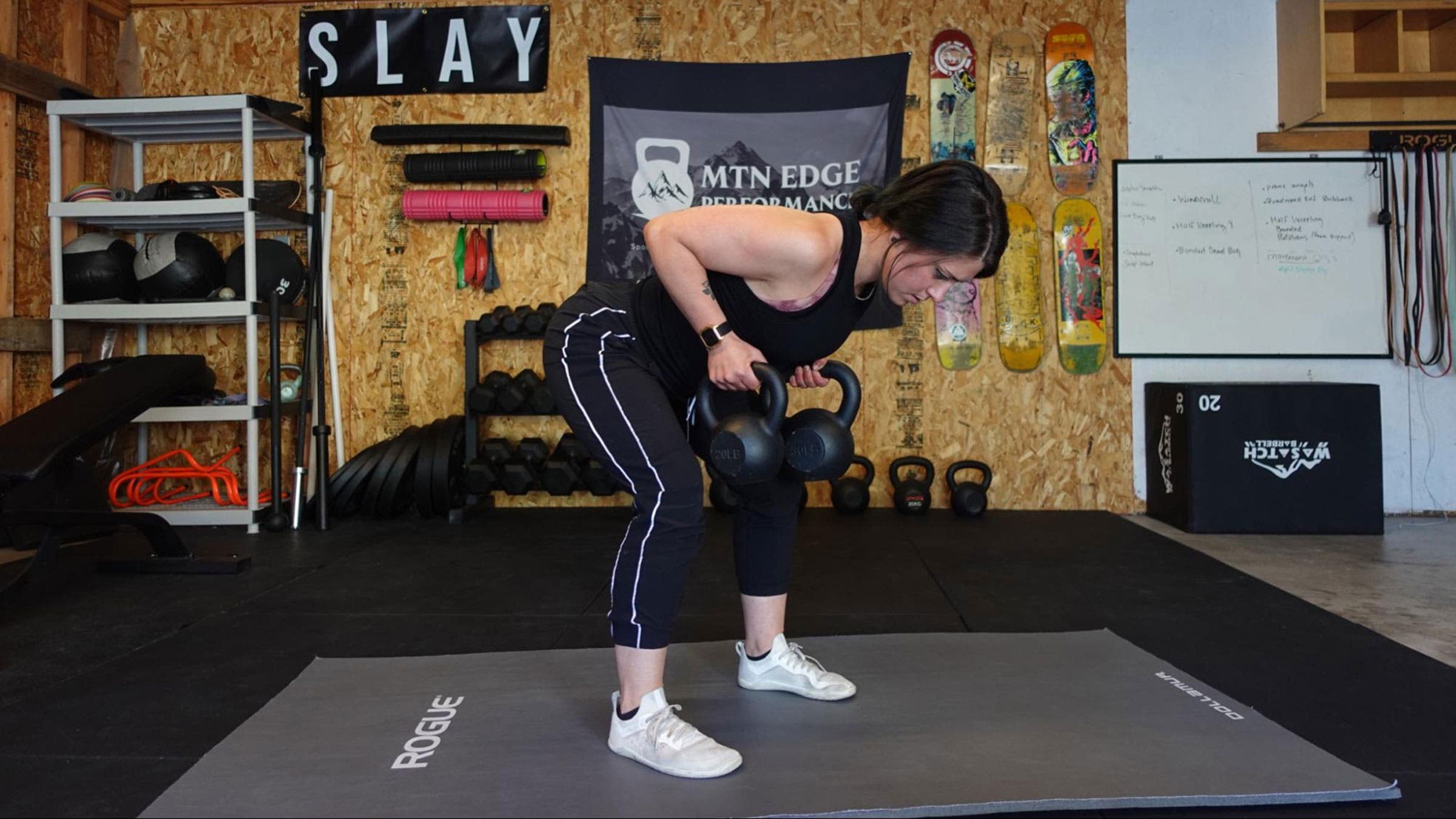
3. The Gorilla Row for Spinal Integrity
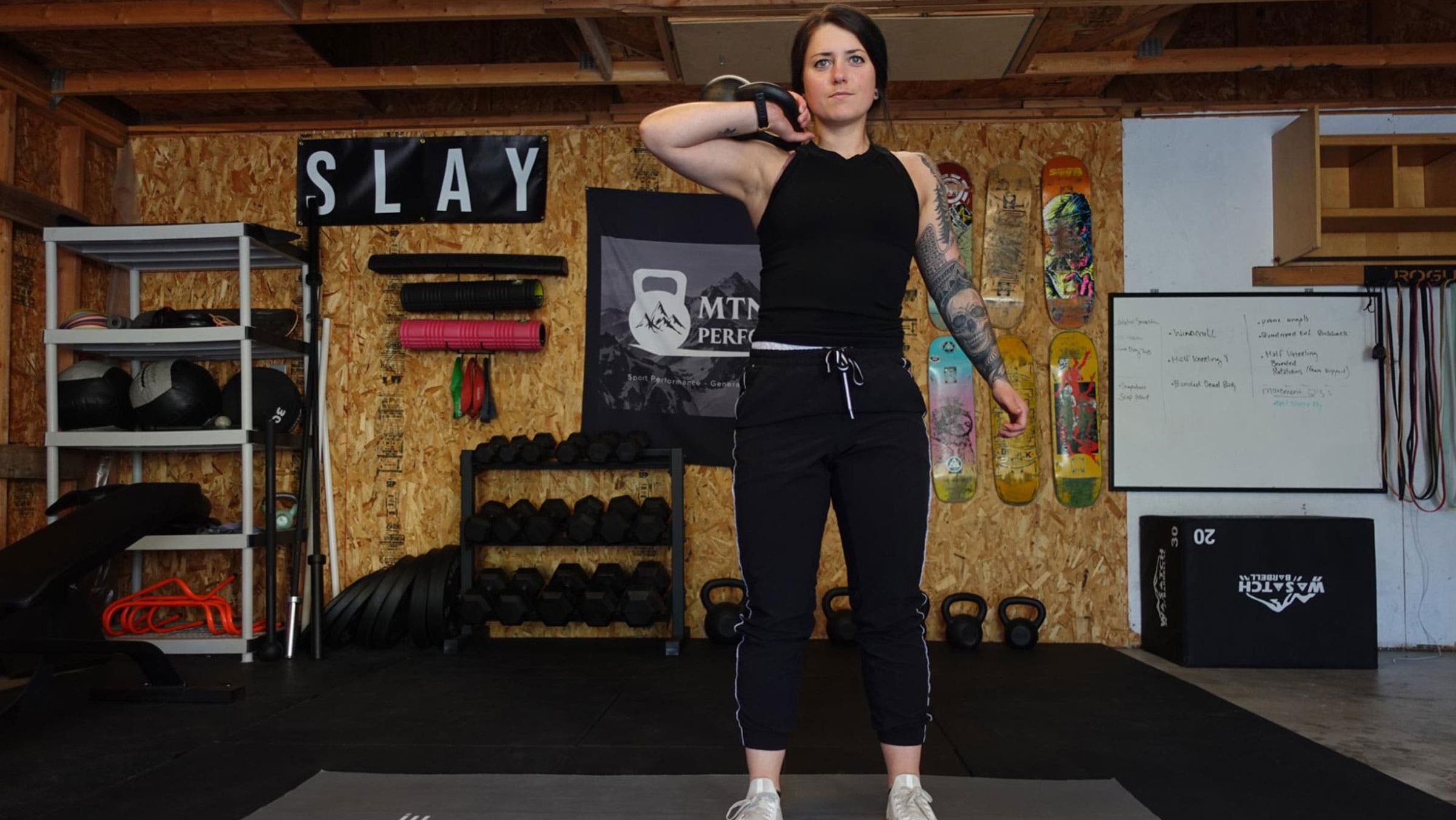
The "ski stance"—a forward-leaning, semi-squatted position—places immense pressure on the lower back. The Gorilla Row, performed with kettlebells, targets the erector spinae and the deep muscles of the core. By maintaining a hinged position while rowing weights from the floor, the athlete builds the "anti-rotational" strength necessary to absorb the impact of jumps and heavy snow.
- Implementation: Complete eight to 12 reps per side. This movement ensures that the back remains protected even when the skier is fatigued or encountering unexpected terrain changes.
4. Suitcase March for Deep Core Stabilization
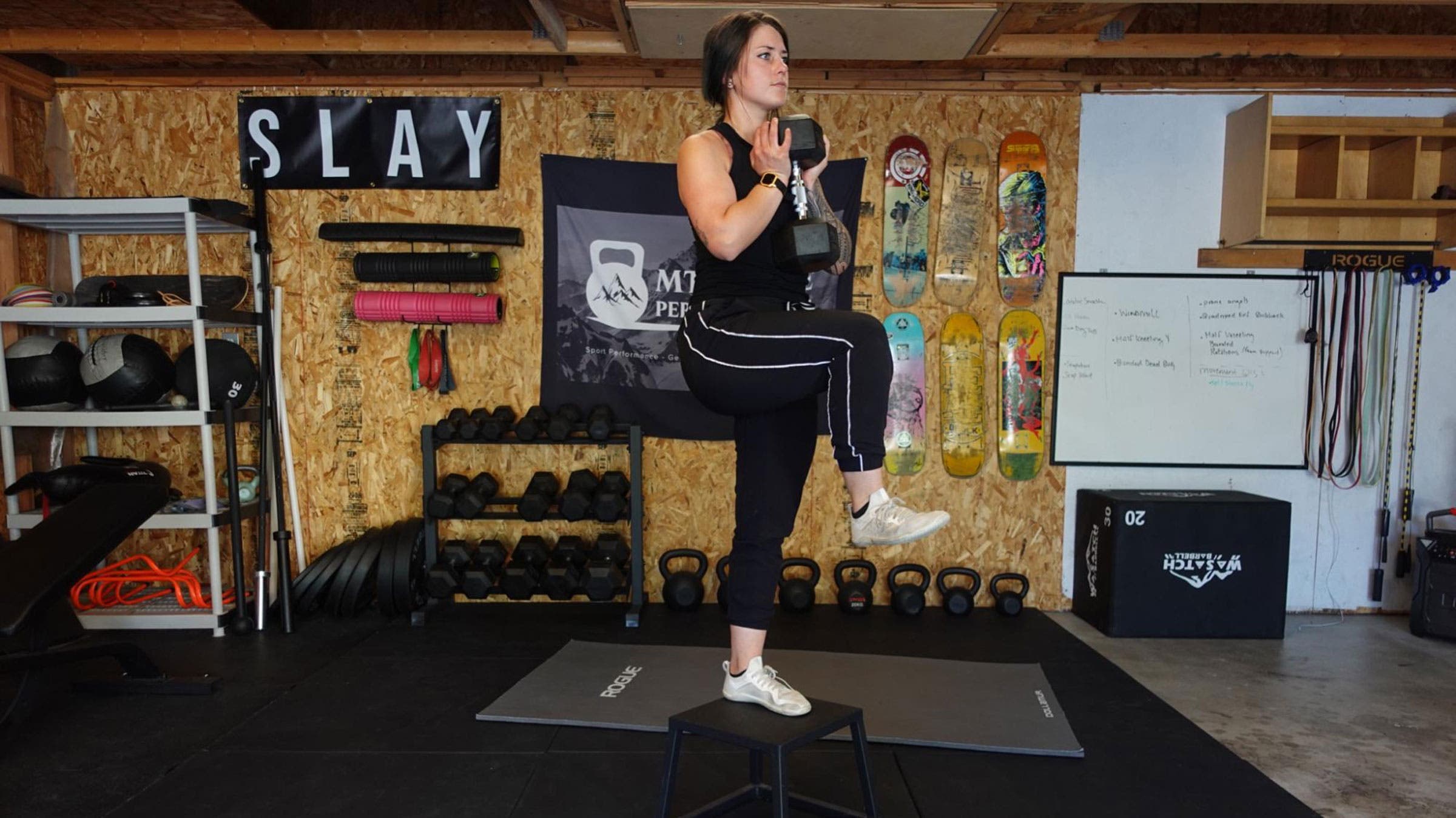
The Suitcase March involves holding a heavy weight in one hand while marching in place, forcing the core to work asymmetrically to keep the torso upright. This targets the quadratus lumborum and the obliques, which are essential for maintaining balance when a skier’s weight shifts unexpectedly.
- Implementation: Perform two to four sets of 30 to 60 seconds per side. The goal is to remain perfectly vertical, resisting the pull of the weight toward the floor.
5. Plank Pull-Through for Dynamic Stability
The Plank Pull-Through is a high-level core exercise that requires moving a weight horizontally beneath the body while maintaining a traditional plank position. This forces the abs and shoulders to stabilize the body against a shifting center of gravity, a direct simulation of the dynamic environment of a ski slope.
- Implementation: Complete two to four sets of 30 to 50 seconds. Success in this exercise translates to better "edge control" and the ability to react quickly to icy patches or hidden obstacles.
Chronology of an Effective Training Cycle
A logical progression is required to maximize the benefits of these exercises. Sports scientists typically divide the off-season into three distinct phases:
- The Foundation Phase (May – August): This period focuses on hypertrophy and general strength. The goal is to build muscle mass in the lower body and core. Training sessions are usually slower, with higher weights and moderate repetitions.
- The Power and Agility Phase (September – October): As the season approaches, the focus shifts to "rate of force development." Exercises like step-ups are performed with more speed, and lateral movements become more explosive. This phase prepares the nervous system for the rapid transitions of skiing.
- The Specificity and Maintenance Phase (November – Season End): Training mimics the duration of a ski run. High-intensity interval training (HIIT) is integrated with the five exercises to build cardiovascular endurance, ensuring the athlete can maintain their form from the first chair to the last.
Analysis of Implications: Injury Prevention and Performance
The broader impact of a structured off-season program extends beyond mere performance. From an economic perspective, the cost of ski-related injuries is substantial. In the United States alone, orthopedic surgeries and rehabilitation for skiing accidents total hundreds of millions of dollars annually. For the individual, an injury often results in lost work time and a permanent reduction in joint health.
By adopting the side plank assessment and the subsequent five-exercise protocol, skiers engage in "prehabilitation." This proactive approach shifts the focus from treating injuries to preventing them. Furthermore, a physically prepared skier is a safer skier for others on the mountain. Improved control and reduced fatigue lead to better decision-making and a lower likelihood of collisions in crowded areas.
In conclusion, the transition from the off-season to the first day on the slopes should not be a shock to the system. Through targeted lateral strengthening, core stabilization, and unilateral leg work, enthusiasts can ensure their bodies are as resilient as their equipment. The data is clear: those who train during the summer enjoy longer seasons, faster recovery times, and a significantly lower risk of ending their winter in a clinic. Conditioning is not merely a supplement to skiing; it is a fundamental component of the sport itself.

