
For decades, the culture of alpine skiing has embraced a certain level of physical suffering as a rite of passage. From the biting wind chill of the chairlift to the heavy, rigid plastic of the equipment, skiers have long accepted that performance requires a trade-off with comfort. However, as the 2025-2026 ski season progresses, medical professionals are increasingly sounding the alarm regarding the long-term physiological costs of this "no pain, no gain" mentality. While the occasional ache is expected, podiatrists warn that the mechanical stresses of a poorly fitted ski boot can transition from temporary discomfort to irreversible anatomical damage.
The fundamental issue lies in the design of the modern alpine boot. Unlike athletic shoes designed for gait and flexibility, ski boots are engineered to act as a rigid lever, transferring the kinetic energy of the leg directly to the ski’s edge. This requires a high degree of immobilization. When this immobilization is applied incorrectly—either through excessive tightness or improper alignment—the foot becomes a site of significant medical concern.
The Pathophysiology of Compression: Bunions and Neuromas
Dr. Nelya Lobkova, a New York City-based podiatrist and an avid skier, emphasizes that the foot is a complex structure of 26 bones and dozens of nerves that are not designed to be encased in non-pliable plastic for eight hours a day. According to Dr. Lobkova, the most common casualties of the ski boot are existing deformities that become exacerbated by the high-pressure environment of the shell.
Bunions, or Hallux Valgus, are often considered a genetic predisposition, but the friction and lateral pressure of a narrow "last" (the internal width of the boot) can accelerate the inflammation of the joint. When the toebox is too tight, the constant rubbing against the plastic shell can lead to bursitis—an inflammation of the fluid-filled sac protecting the joint—which may eventually require surgical intervention if the bone begins to shift permanently.
Even more debilitating is Morton’s neuroma. This condition involves the thickening of the tissue around one of the nerves leading to the toes, typically between the third and fourth metatarsals. "When the toebox in a boot is tight, friction can cause bunions, hammertoes, and neuromas to become painful," Dr. Lobkova explains. "This is also the case if the boots are too loose, as the foot jams excessively forward inside the boot and impinges the toe bones."
The "loose boot" paradox is a common pitfall for intermediate skiers. In an attempt to find comfort, many opt for a larger size, only to find that their foot slides forward during every turn. This repetitive "toe-bang" causes the nerve roots to become impinged, leading to a lingering, sharp, burning sensation that can persist for months after the snow has melted.
Chronic Trauma to the Nail Bed and Integumentary System
Beyond the bone and nerve, the superficial structures of the foot—the skin and nails—face unique risks. Subungual hematoma, colloquially known as "black toenail," is a frequent result of the toes hitting the front of the boot. While often dismissed as a cosmetic issue, Dr. Lobkova warns that the pressure of blood trapped under the nail can lead to permanent changes in the nail’s growth pattern.
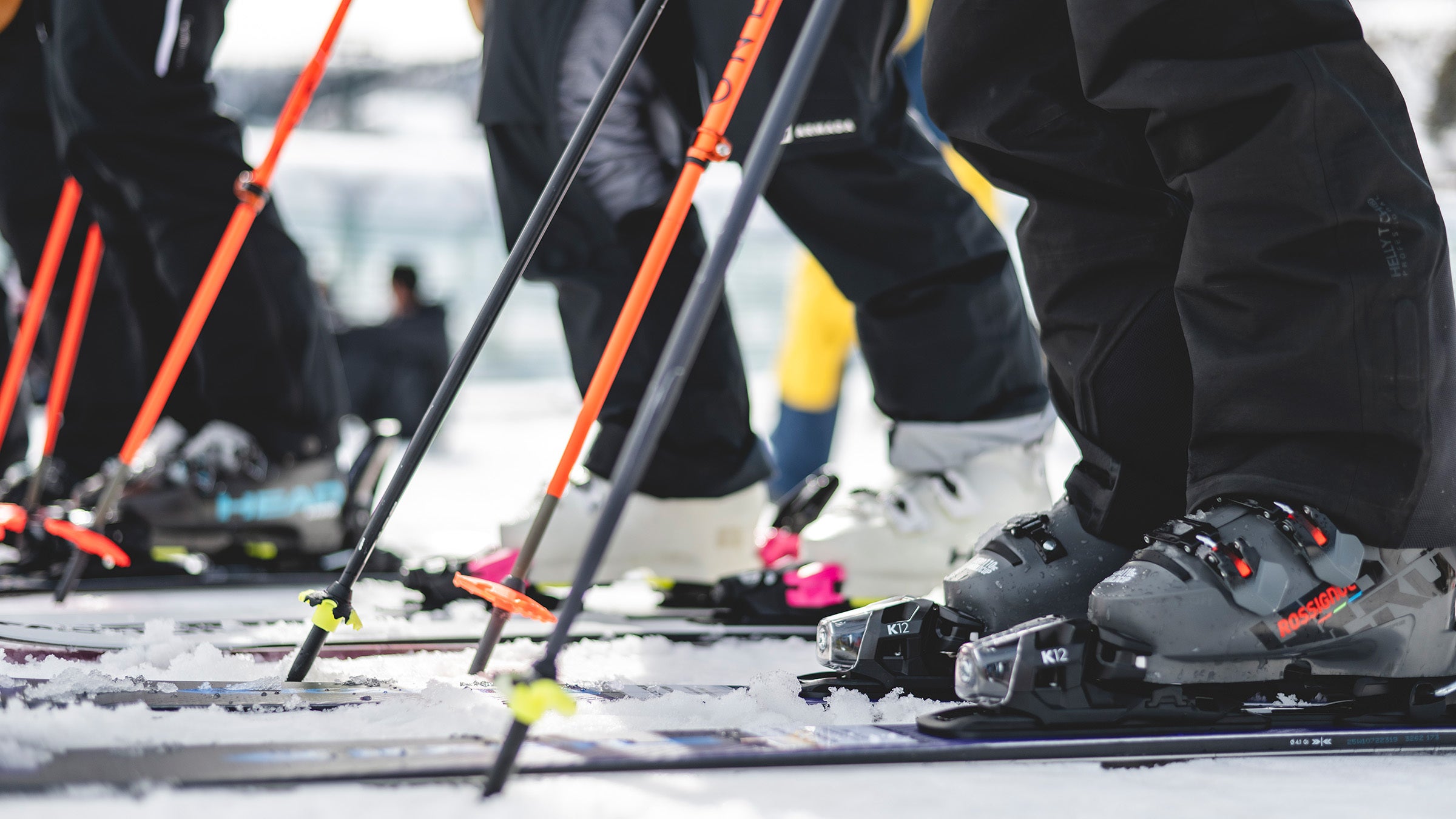
"Both conditions [hematomas and ingrown nails] could potentially lead to a toenail infection that may require removal of the toenail or oral antibiotics," says Lobkova. She notes that excessive damage to the toenail bed can be irreversible, leading to nails that appear permanently thicker, shorter, and more prone to fungal infections. For high-performance athletes, this chronic trauma can lead to onycholysis, where the nail plate detaches from the bed, creating a gateway for secondary infections.
Distinguishing "Break-in" Discomfort from Pathological Pain
The challenge for the average consumer is distinguishing between the expected "snugness" of a performance boot and the warning signs of injury. Dr. Mikel Daniels, a Baltimore-based podiatric surgeon, suggests that the industry needs to move away from the idea that boots are inherently "bad" for the feet. Instead, he posits that the fit is the sole determinant of health.
"There is a difference between regular ski boot discomfort and a bad fit," Daniels says. A correctly fitted boot should feel like a firm handshake—consistent pressure without "hot spots." In a neutral standing position, the toes should lightly touch the front of the liner. However, once the skier moves into a "ski stance"—flexing the knees and ankles forward—the toes should pull back slightly from the front.
Dr. Daniels offers a simple diagnostic for skiers: "My rule is simple: if your boot pain makes you think more about your feet than your skiing, the fit is wrong." Signs of a pathological fit include:
- Localized "Hot Spots": Sharp pain in a specific bony prominence.
- Pins and Needles: Indicative of nerve compression or restricted blood flow.
- Persistent Coldness: While snow is cold, "unusually cold feet" often signal that the buckles are too tight, restricting arterial flow.
The Evolution of Boot Fitting: From Heat Molding to Custom Orthotics
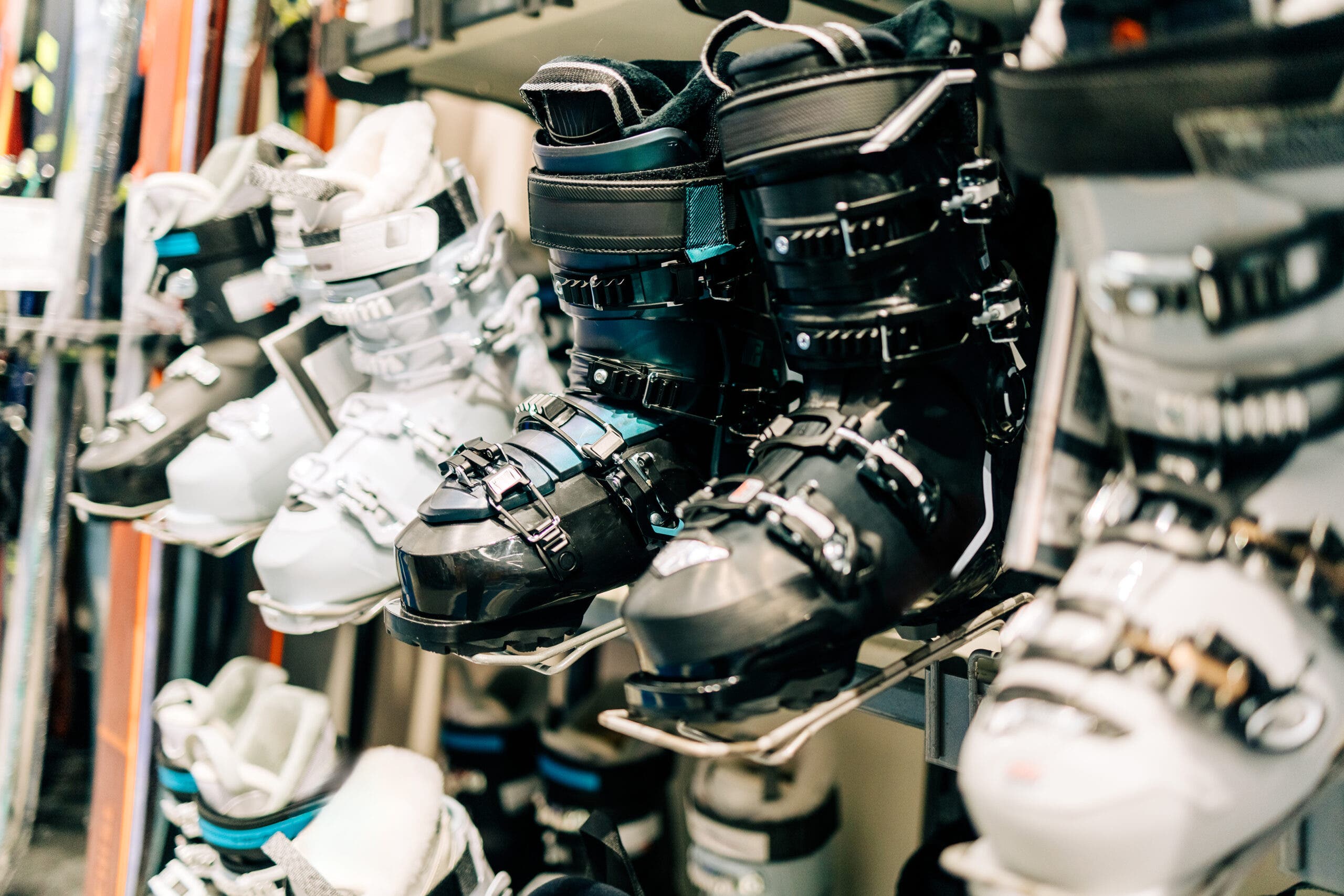
The modern solution to these podiatric risks lies in the hands of professional boot fitters. The industry has evolved significantly from the days of "off-the-shelf" purchases. Today, heat-moldable shells and liners are the gold standard. This process involves heating the boot in a specialized oven and having the skier wear it as it cools, allowing the plastic to expand and contour to the unique shape of the foot.
"When heat-molded and custom-fitted, downhill ski boots should contour all forefoot deformities," says Dr. Lobkova. For those with specific anatomical protrusions, boot fitters use a technique called "punching." This involves using a hydraulic press or a ball-and-ring tool to stretch a specific area of the plastic shell—such as the area over a bunion or the sixth toe—to create a pocket of relief without compromising the boot’s overall integrity.
Dr. Daniels recounts a case study of a patient who suffered for years with chronic black toenails, believing it was an unavoidable tax for being a strong skier. "Once we got him into a boot with the right shell length and a small punch in the toe box, his toenails finally survived a ski season," Daniels says.
Furthermore, the role of the insole cannot be overstated. Standard factory insoles are often flimsy pieces of foam that provide zero arch support. When the arch collapses inside a boot, the foot elongates and widens, leading to the very friction and compression that causes neuromas. Dr. Lobkova frequently recommends custom orthotics specifically designed for the low-volume environment of a ski boot. These orthotics often include a metatarsal pad, which helps spread the metatarsal heads and relieves pressure on the nerves.
Protecting the Occasional Skier: Rental Hazards and Best Practices
The risk of foot damage is perhaps highest among the rental population, where "one size fits most" is the prevailing logic. While rental shops cannot offer custom heat molding, there are still critical steps that casual skiers can take to mitigate risk.
Dr. Daniels advises against the common mistake of sizing up for comfort. "A loose shell with over-tight buckles gives you pressure points and poor control," he notes. Instead, skiers should focus on the quality of their hosiery. Cotton socks are a primary cause of blisters and cold feet because they retain moisture. High-quality, thin merino wool socks provide the necessary warmth without adding bulk that can lead to "choking" the foot.
Additionally, the "tourniquet effect" is a significant concern during rest periods. When a skier moves from the sub-zero temperatures of the mountain to the warmth of a lodge, the feet and ankles naturally swell. "You don’t want them to swell against a stiff boot because this will cause a tourniquet effect, preventing blood from reaching the foot," Dr. Lobkova warns. She recommends loosening all buckles—or removing the boots entirely—during lunch breaks to allow for proper circulation and "reset" the foot’s volume.
The Broader Impact: Sustainability of the Sport
The medical community’s focus on boot fit has broader implications for the ski industry. Data from various ski resort associations suggests that "discomfort" is one of the leading reasons why first-time skiers do not return to the sport. By reframing ski boot fit as a health issue rather than just a performance one, the industry may see better retention rates.
Moreover, the rise of "crossover" boots—which feature a "walk mode" and more anatomical lasts—reflects a growing demand for equipment that respects human physiology. As the technology continues to advance, the goal is to bridge the gap between the rigid requirements of alpine racing and the biological needs of the human foot.
Ultimately, the responsibility lies with the individual to listen to their body. Persistent numbness, changes in nail color, or pain that lasts more than 24 hours after skiing are not badges of honor; they are clinical signs of trauma. As Dr. Lobkova concludes, the most important preventive measure is the simplest: listening to your body and refusing to accept that permanent damage is "just part of the game."

