
Jasper, Alberta – A critical access route to the popular Marmot Basin ski resort has been partially closed indefinitely due to significant mud, rock, and debris accumulation, a direct consequence of the 2024 Jasper wildfire and ongoing terrain instability. The closure impacts guests attempting to reach the resort, necessitating a detour that adds considerable travel time. While Marmot Basin continues to operate, this disruption highlights the lingering environmental and infrastructural challenges posed by the recent wildfire season in Jasper National Park.
Wildfire’s Enduring Impact on Infrastructure
The 2024 Jasper wildfire, though it narrowly avoided catastrophic damage to Marmot Basin itself, has left a lasting imprint on the surrounding landscape and its vital access routes. The intense heat and subsequent weather events have destabilized slopes, leading to increased risk of landslides and debris flows. The primary access road to Marmot Basin, identified as Wabasso Road, has been particularly affected, with sections now compromised by substantial accumulations of mud, rocks, and other natural detritus.
This environmental fallout has prompted an urgent decision from park authorities. As of April 4, 2026, a portion of the access road has been closed to vehicular traffic until further notice. This measure is a direct response to safety concerns arising from the unstable terrain, which poses a significant risk to motorists. The extent of the damage and the ongoing geological activity necessitate a comprehensive assessment and repair process before the road can be fully reopened.
Detour and Extended Travel Times
For visitors planning to ski or snowboard at Marmot Basin, the road closure introduces a significant logistical challenge. The designated detour route utilizes Athabasca Pass, a route that, while functional, is considerably less direct and more time-consuming. This alternative path is estimated to add approximately 30 minutes to the typical journey to the ski resort. This extension in travel time, particularly during peak operational hours or inclement weather, could impact visitor experience and potentially deter some from making the trip.
The situation has also ignited discussions regarding the proactive management of park infrastructure. Some members of the public have expressed concerns about the timeline for addressing these issues, suggesting that the off-season, when Marmot Basin experiences lower visitor traffic, would have been an opportune period for preventative maintenance and repairs. Critics argue that Parks Canada could have prioritized these infrastructure assessments and mitigation efforts more effectively, especially given the known vulnerabilities of mountain terrain to extreme weather events and wildfire impacts. The current situation underscores the complex interplay between natural hazards and the management of public lands and their associated recreational facilities.

Marmot Basin’s Operational Status and Snowfall Performance
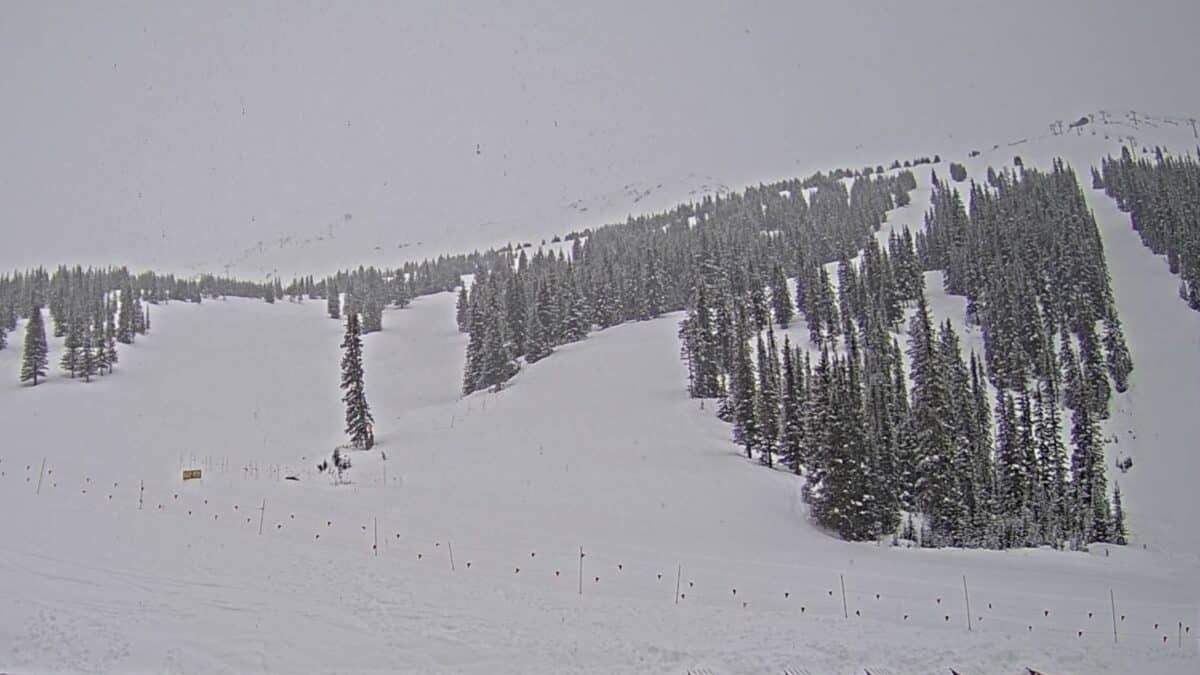
Despite the access road challenges, Marmot Basin remains operational and is looking forward to a strong conclusion to its winter season, with operations scheduled to continue until May 3rd. The resort has reported a respectable snowfall total for the 2025-2026 season, accumulating approximately 416 centimeters (around 163 inches) of snow. This figure is closely aligned with Marmot Basin’s historical average snowfall of 440 centimeters.
While the snowfall totals at Marmot Basin may not have reached the exceptionally high figures seen at some of its Canadian Rockies counterparts, such as Banff, the resort has nonetheless received a sufficient amount of snow to offer a satisfying skiing and snowboarding experience. This performance stands in contrast to the challenging conditions faced by many ski resorts in the Western United States, some of which have experienced significantly diminished snowpacks and shortened seasons due to warmer and drier weather patterns. Marmot Basin’s continued operation, therefore, represents a positive outcome for both the resort and its patrons, offering a viable destination for late-season snow sports enthusiasts.
Broader Implications for Jasper National Park
The partial closure of the Marmot Basin access road serves as a stark reminder of the far-reaching consequences of major environmental events like the Jasper wildfire. Beyond the immediate threat to life and property, such incidents can have profound and long-lasting impacts on critical infrastructure, local economies, and the overall accessibility of natural attractions.
For Jasper National Park, which relies heavily on tourism for its economic vitality, disruptions to key access routes can have significant ripple effects. The extended travel times and potential uncertainty surrounding the reopening of the road could affect visitor numbers, impacting not only Marmot Basin but also other businesses and services within the park that cater to resort visitors.
Furthermore, the incident highlights the increasing need for resilient infrastructure planning in regions prone to natural hazards. Climate change is intensifying the frequency and severity of wildfires, droughts, and extreme weather events, placing greater demands on park management agencies to adapt and invest in infrastructure that can withstand these challenges. This includes not only road maintenance but also the development of early warning systems, improved land management practices to mitigate wildfire risk, and robust emergency response protocols.
The long-term implications for Marmot Basin and Jasper National Park will depend on the speed and effectiveness of the repairs to the access road and the ongoing efforts to manage the landscape’s post-fire recovery. Continued collaboration between Marmot Basin, Parks Canada, and local stakeholders will be crucial in navigating these challenges and ensuring the sustained accessibility and appeal of this iconic Canadian destination. The current situation underscores the delicate balance between preserving the natural environment and providing safe and reliable access to recreational areas in an era of increasing environmental uncertainty.
A Look at the Timeline of Events
The events leading to the current access road closure can be traced back to the significant wildfire activity in the Jasper region during the summer and fall of 2024. While specific dates of the wildfire’s peak intensity and containment efforts are part of the broader park history, the impacts on the terrain have become increasingly apparent in the subsequent periods.
- Summer/Fall 2024: The Jasper wildfire, a major environmental event, significantly altered the landscape surrounding Marmot Basin.
- Post-Wildfire Period (Late 2024 – Early 2026): Unstable terrain, exacerbated by the wildfire’s impact, led to increased occurrences of mudslides, rockfalls, and debris accumulation on the Marmot Basin access road. Parks Canada would have been monitoring these conditions.
- Early April 2026: Significant accumulations of mud, rock, and debris were reported on the access road, prompting safety concerns.
- April 4, 2026: Parks Canada officially announced the partial closure of a section of the Marmot Basin access road, citing unstable terrain and the presence of hazardous debris. This announcement was made to inform the public and ensure visitor safety.
- Present: The road remains closed indefinitely, with visitors being directed to an alternative route that adds considerable travel time. The focus shifts to assessment, planning, and execution of necessary repairs.
Official Statements and Perspectives
While direct quotes from Parks Canada officials regarding this specific closure were not immediately available in the provided context, the decision to close a vital access route typically stems from a rigorous assessment of public safety and environmental risk. Parks Canada’s mandate includes the protection of natural resources and the provision of safe recreational opportunities within national parks. Therefore, any closure of this nature is a considered decision based on expert evaluations of geological stability and potential hazards.
Similarly, Marmot Basin, as a commercial entity operating within the park, would be working closely with Parks Canada to manage the situation. Their primary concern would be ensuring the safety of their guests and staff while also seeking the most efficient resolution to the access issue to minimize business disruption. The resort’s communication channels would likely be focused on providing updated information to visitors regarding the access situation and the operational status of the resort.
The feedback from the public, suggesting a perceived delay in addressing the road’s condition, points to a broader societal expectation for infrastructure resilience and proactive management of natural resources, especially in the face of evolving environmental challenges. This sentiment often arises when public access to popular destinations is impacted by natural events.
The Importance of Snowfall Data and Season Comparisons
The snowfall data for Marmot Basin provides crucial context for understanding the resort’s operational success despite the access challenges. The reported 416 cm of snowfall places the resort within its historical averages, indicating a generally favorable snow year for skiing and snowboarding. This is a critical factor for any ski resort, as it directly influences the quality of the skiing experience and the length of the operating season.
Comparing Marmot Basin’s snowfall to that of other resorts, particularly in the Western U.S., highlights regional variations in weather patterns. While the Canadian Rockies have experienced a relatively robust winter, many areas in the American West have grappled with significant drought conditions and warmer temperatures, leading to reduced snowpack and early season closures. This contrast underscores the resilience of the Canadian ski industry in the face of a challenging winter for some regions globally. Marmot Basin’s ability to remain open and offer a full season, even with access hurdles, is a testament to its reliable snow base.
The extended operating season until May 3rd also offers a significant advantage for late-season skiers and snowboarders who may find fewer options available elsewhere. This provides a valuable window of opportunity for the resort to attract visitors who are seeking spring skiing conditions.
Conclusion: Navigating the Aftermath
The closure of a portion of the Marmot Basin access road is a complex issue with roots in the significant environmental impact of the 2024 Jasper wildfire. While the ski resort itself remains operational and has enjoyed a solid season in terms of snowfall, the accessibility challenges posed by unstable terrain are a stark reminder of the interconnectedness of natural events and human infrastructure.
The ongoing situation necessitates a robust response from Parks Canada to ensure the safety and stability of the access route. For visitors, it requires patience and adaptability, with the understanding that the detour, while inconvenient, is a necessary measure to prioritize safety. The incident also serves as a valuable case study for future infrastructure planning and environmental management within Jasper National Park and other regions susceptible to the impacts of climate change and natural disasters. The successful resolution of this access issue will be crucial for Marmot Basin’s continued appeal and Jasper’s status as a premier outdoor recreation destination.

