
The 30th Conference of the Parties (COP30) to the United Nations Framework Convention on Climate Change (UNFCCC) concluded in Belém, Brazil, leaving a complex legacy of heightened grassroots ambition set against persistent diplomatic stalemates. Held from November 11 to 28, the summit gathered approximately 60,000 delegates, including heads of state, scientists, Indigenous leaders, and activists, at the symbolic "gateway to the Amazon." While the conference was positioned as a critical juncture for finalizing pathways to limit global warming to 1.5°C, the final negotiated outcomes highlighted a significant rift between the urgent demands of climate-vulnerable communities and the economic interests of major fossil fuel-producing nations.
Strategic Context and the Belém Mandate
The selection of Belém as the host city was a deliberate move by the Brazilian government, under President Luiz Inácio Lula da Silva, to center the Amazon rainforest in global climate discourse. As the world’s largest carbon sink, the Amazon’s health is inextricably linked to global climate stability. COP30 was intended to serve as the platform where nations would submit updated Nationally Determined Contributions (NDCs), outlining more aggressive targets for 2035.
According to the United Nations Environment Programme (UNEP), the world currently faces a trajectory that could exceed the 1.5°C threshold within the next decade. To remain within safe planetary boundaries, global greenhouse gas emissions must be reduced by 55% by 2030 compared to current levels. COP30 was viewed by many as the "last chance" summit to institutionalize the transition away from fossil fuels, a goal that was famously introduced in the "UAE Consensus" at COP28 but faced significant pushback during the Belém negotiations.
A Divided Presence: The Role of the United States
One of the most notable dynamics of COP30 was the shift in United States representation. The federal government did not send an official negotiating delegation, a decision attributed to the current administration’s shift in climate policy priorities. Historically, U.S. negotiators have played a central role in brokering high-stakes agreements behind closed doors. Former U.S. officials present in an unofficial capacity noted that the absence of a formal federal presence created a leadership vacuum, making it significantly more difficult to reach a consensus on ambitious language regarding fossil fuel phase-outs.
However, the U.S. was not entirely silent. A robust "sub-national" presence emerged, led by governors, mayors, and state legislators. The Local Leaders Forum, held in Rio de Janeiro immediately preceding COP30, saw participation from leaders representing 26 U.S. states. At the summit itself, California Governor Gavin Newsom emerged as a prominent figure, bypassing federal gridlock to sign bilateral agreements. These included a methane reduction pact with Colombia and a partnership with Nigeria aimed at expanding electric vehicle (EV) infrastructure.
Senator Sheldon Whitehouse of Rhode Island, the sole member of Congress in attendance, emphasized the domestic challenges preventing U.S. leadership. Addressing an audience in the Blue Zone, Whitehouse argued that the influence of the fossil fuel industry has created an "artificial state" of partisan division regarding climate action. His presence underscored the ongoing efforts by organizations like "America’s All In" and the "U.S. Climate Alliance" to demonstrate that a significant portion of the American economy remains committed to the goals of the Paris Agreement, despite federal fluctuations.
The Rise of Indigenous Leadership and Persistent Inequities
COP30 saw a record-breaking presence of Indigenous delegates, with nearly 900 representatives gaining access to the Blue Zone—the restricted area where formal negotiations occur. This represented a three-fold increase from the 300 delegates present at COP29. The Indigenous Peoples’ Pavilion became a hub for showcasing land stewardship techniques that have protected biodiversity for millennia.
Despite this increased visibility, Indigenous leaders reported that their influence on the final text remained marginal. The paradox of the summit was exemplified by the host nation’s own domestic policy; just days before COP30 began, Brazil moved forward with new exploratory oil drilling projects, a move criticized by environmental groups as contradictory to the summit’s goals.

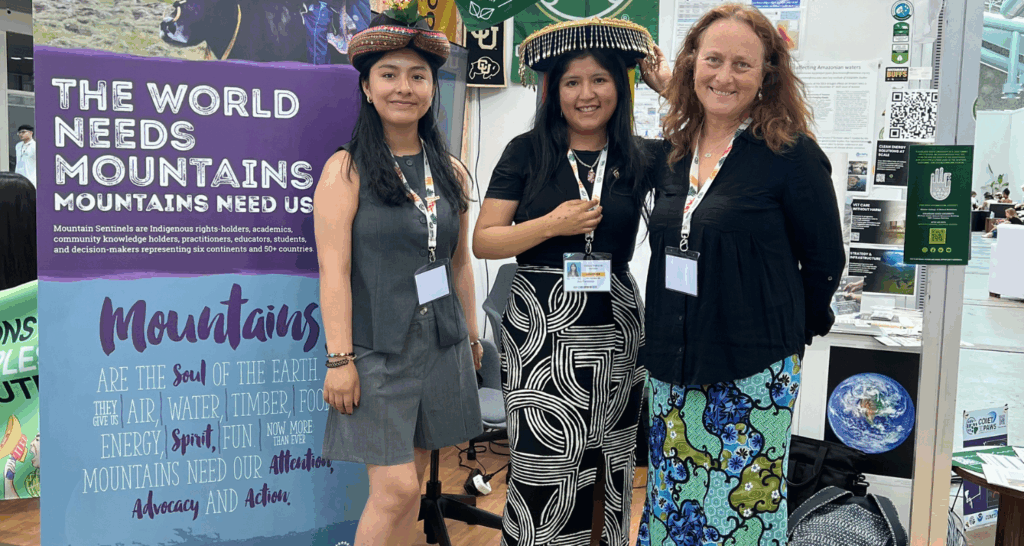
The barriers to true inclusivity were also logistical and systemic. Julia Klein, a professor at Colorado State University and a member of the Mountain Sentinels Alliance, observed that even with funding and accreditation, many Indigenous participants faced insurmountable hurdles. A delegate from Cameroon was unable to secure a transit visa to reach Brazil, while others found the programming inaccessible due to a lack of translation services for languages such as Quechua. Klein noted that while the "Blue Zone" hummed with cultural symbols and diverse narratives, the actual power to influence treaty language remained concentrated in the hands of a few wealthy delegations.
Chronology of the Summit: Key Milestones and Conflicts
The two-week conference followed a trajectory of early optimism followed by late-stage deadlock:
- Week One: The Surge of Sub-National Diplomacy. The first seven days were characterized by a flurry of "side deals." Beyond the Newsom agreements, coalitions like the Research and Independent Non-Governmental Organizations (RINGO) and the Mountain Sentinels Alliance hosted exhibits linking Andean climate challenges to those in the Rocky Mountains.
- The Mid-Summit Protests. On November 18, the "People’s Climate Summit" saw thousands of activists march through the streets of Belém. Inside the venue, protesters briefly breached security to demand that "polluters pay" for the loss and damage incurred by developing nations. Saúl Luciano Lliuya, a Peruvian farmer involved in a landmark lawsuit against the energy giant RWE, became a focal point for discussions on climate litigation and corporate accountability.
- Week Two: The Negotiating Deadlock. As the ministerial-level talks began, the language regarding "fossil fuels" became the primary point of contention. A bloc of over 80 countries, including many European and small island nations, pushed for a clear roadmap to end coal, oil, and gas use.
- The Final Plenary. The conference went into overtime as negotiators struggled to reconcile the demands of climate-vulnerable states with the objections of petrostates. The final document, while containing provisions for forest conservation and methane reduction, notably omitted any direct mention of "fossil fuels"—a significant regression from the language adopted two years prior in Dubai.
Supporting Data: The Lobbyist Influence
Data released during the summit by the "Kick Big Polluters Out" coalition revealed that fossil fuel lobbyists significantly outnumbered Indigenous delegates and scientists. More than 1,800 individuals tied to the oil and gas industry were granted access to the Blue Zone. Analysts suggest this presence was a decisive factor in the removal of fossil fuel phase-out language from the final agreement. In contrast, scientific delegations, such as those from the Mountain Sentinels and various university collectives, focused on the "Loss and Damage" fund, which saw a modest increase in pledges but still remains far below the trillions required to support the Global South.

Broader Impact and Geopolitical Implications
The outcome of COP30 has sparked a debate over the effectiveness of the UN’s consensus-based negotiating model. Critics argue that as long as a single nation or a small bloc of nations can veto language regarding the primary cause of global warming—fossil fuel combustion—the COP process will struggle to meet the urgency of the climate crisis.
However, the summit was not without incremental progress. Meaningful wins were recorded in the realms of technical cooperation and nature-based solutions. The "Belém Declaration on Tropical Forests" strengthened international cooperation on preventing deforestation, and new frameworks were established for monitoring methane leaks in real-time using satellite data.
For mountain communities and the "Outdoor State," the implications of COP30 are particularly stark. The failure to secure a global commitment to phase out fossil fuels means that alpine regions will continue to experience warming at twice the global average rate, leading to accelerated glacial retreat and unpredictable water supplies.
Analysis: The Path Forward to COP31
As the global community looks toward COP31, the focus is shifting from high-level diplomacy to "all-of-society" action. The phrase "everyone, everywhere, all at once," popularized during the summit by a U.S. negotiator, has become a rallying cry for civil society. The emphasis is now on sub-national policy, corporate transparency, and local resilience.
The experience in Belém demonstrated that while the formal UN process is fraught with geopolitical friction, the momentum for climate action is increasingly being driven from the bottom up. The alliances formed between researchers in Colorado, Indigenous youth in the Andes, and local leaders in West Africa represent a parallel track of climate governance that operates independently of federal shifts. While the official "Belém outcome" fell short of scientific requirements, the cultural and intellectual exchange at the heart of the Amazon has laid the groundwork for a more decentralized and resilient global climate movement.

