
The United States energy and environmental landscape has undergone a seismic shift as the Trump administration initiates a series of executive and departmental actions aimed at dismantling the clean energy transition and expanding domestic fossil fuel production. In a rapid succession of policy reversals during the recent holiday period, the Department of the Interior, the Department of Energy, and other federal agencies have moved to halt major renewable energy infrastructure, threaten the funding of premier climate research institutions, and open vast tracts of federal waters to oil and gas exploration. These maneuvers represent a coordinated effort to prioritize traditional energy sectors and deregulate the industrial use of public lands and waters, citing national security and economic stability as the primary justifications.
Federal Moratorium on Offshore Wind Development
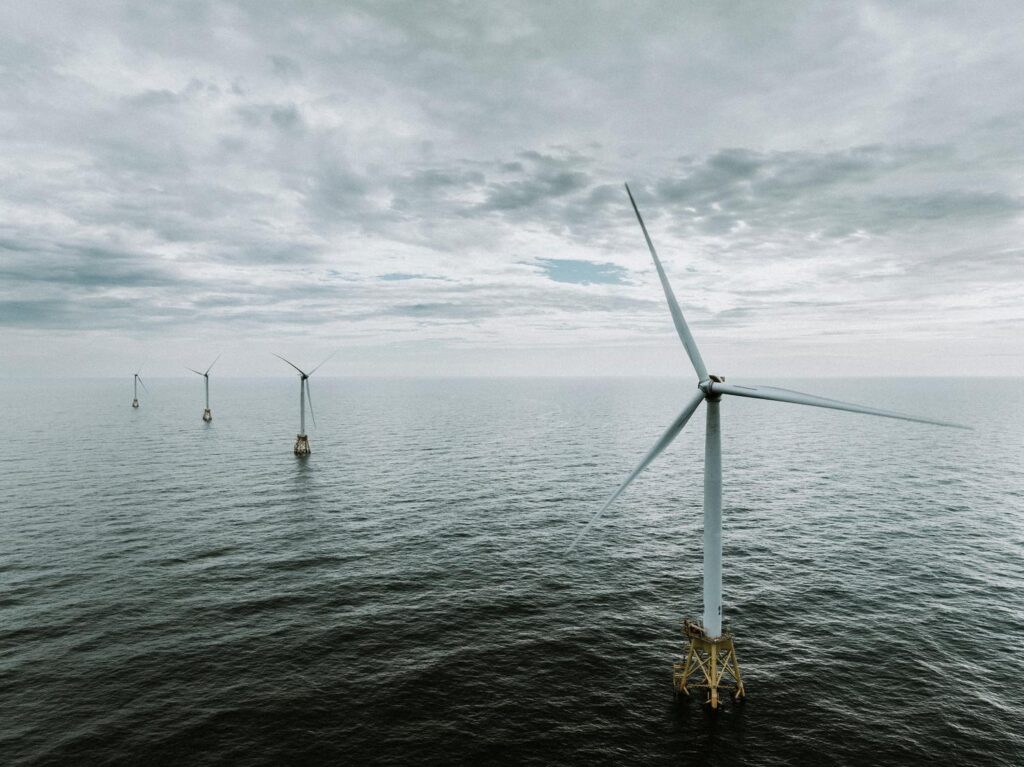
In one of the most significant blows to the renewable energy sector, the Department of the Interior (DOI) has issued an immediate halt to five major offshore wind projects that were already in various stages of construction and permitting. The affected projects—Vineyard Wind, Revolution Wind, Coastal Virginia Offshore Wind, Sunrise Wind, and Empire Wind—represent the vanguard of the American offshore wind industry. Collectively, these projects were expected to provide several gigawatts of clean electricity to the Eastern Seaboard, enough to power millions of homes while creating thousands of specialized maritime and construction jobs.
The administration’s rationale for the suspension centers on "national security" concerns. Officials have indicated that the placement of wind turbines in federal waters could potentially interfere with radar systems, naval maneuvers, or underwater surveillance technology. However, the specific evidence supporting these claims remains classified, leading to criticism from industry stakeholders and legal experts who argue that the projects had already undergone rigorous multi-year reviews by the Bureau of Ocean Energy Management (BOEM) and the Department of Defense.
Chronology of the Wind Energy Halt
The development of these projects began under the previous administration as part of a broader goal to deploy 30 gigawatts of offshore wind by 2030.

- 2021–2023: Projects receive Record of Decision (ROD) approvals and begin securing billions in private investment.
- Mid-2024: Construction begins on Vineyard Wind and Revolution Wind, with turbine foundations being installed.
- December 2024: The DOI issues a surprise "Stop Work Order," citing a reassessment of national security protocols.
- January 2025: The administration confirms the indefinite suspension of all five major Atlantic leases.
The economic implications are immediate. Investors in the offshore wind sector have seen stock prices fluctuate as uncertainty grows regarding the sanctity of federal permits. Analysts suggest that if these permits can be revoked mid-construction without public evidence, the risk profile for large-scale infrastructure in the U.S. will increase significantly, potentially driving capital to European or Asian markets.
Threats to the National Center for Atmospheric Research
Simultaneously, the administration has signaled a potential defunding or total shutdown of the National Center for Atmospheric Research (NCAR) located in Boulder, Colorado. Established in 1960 and managed by the University Corporation for Atmospheric Research (UCAR) under a cooperative agreement with the National Science Foundation (NSF), NCAR is a cornerstone of global climate and weather science.
The administration has questioned the "utility and objectivity" of NCAR’s climate modeling, suggesting that federal resources should be redirected toward "immediate economic forecasting" and "traditional meteorology" rather than long-term climate projections.
The Scientific and Economic Role of NCAR
NCAR’s contribution to the United States extends beyond academic research. Its supercomputing facilities and the Community Earth System Model (CESM) provide the foundational data used by:
- The Aviation Industry: For turbulence forecasting and flight path optimization.
- Emergency Management: For predicting the path and intensity of hurricanes and wildfires.
- Agriculture: For long-term drought projections and water resource management.
- National Defense: For understanding how changing arctic conditions affect maritime security.
The loss of NCAR would result in a significant "data gap." Without the longitudinal datasets maintained by the center, the ability of both public and private sectors to prepare for extreme weather events would be severely diminished. Critics of the administration’s proposal argue that shutting down the center is an attempt to suppress the scientific data that underscores the necessity of the energy transition.
Expansion of Offshore Drilling to 1.27 Billion Acres
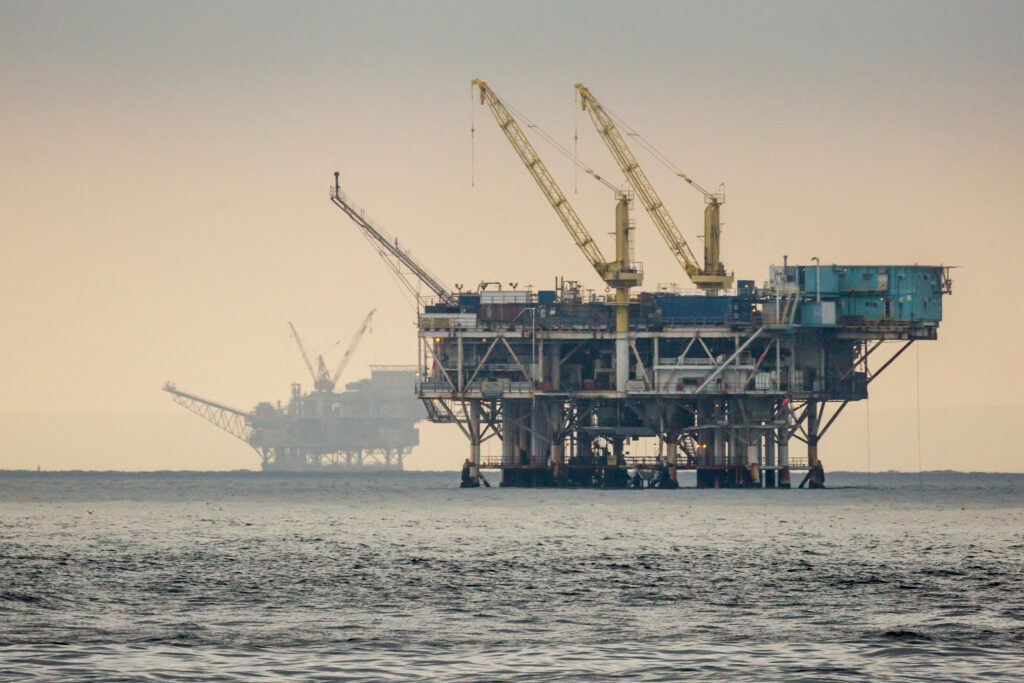
In a move that mirrors the administration’s previous "Energy Dominance" agenda, the Department of the Interior has proposed a new Five-Year Outer Continental Shelf (OCS) Oil and Gas Leasing Program. This proposal seeks to open nearly the entire U.S. coastline—approximately 1.27 billion acres—to oil and gas drilling. This includes regions that have been off-limits for decades, such as the Eastern Gulf of Mexico, the Atlantic and Pacific coasts, and sensitive areas of the Arctic.
Environmental and Economic Trade-offs
The proposal marks a total reversal of the 2023–2028 program, which featured the fewest lease sales in history. The administration argues that expanding offshore production is essential for lowering domestic energy prices and ensuring that the United States remains a net exporter of energy.
However, the plan faces stiff opposition from a bipartisan coalition of coastal governors. Leaders in states like Florida, California, and South Carolina have expressed concerns over the potential impact on the tourism and fishing industries, which contribute billions of dollars to the national economy. The 2010 Deepwater Horizon disaster remains a frequent point of reference for opponents, who argue that the ecological and economic risks of a spill far outweigh the benefits of new extraction.
Federal Intervention in Colorado’s Energy Market
The use of federal emergency powers has also extended to the terrestrial power grid. The U.S. Department of Energy (DOE) recently invoked Section 202(c) of the Federal Power Act to force the Craig Generating Station Unit 1 in Colorado to remain operational. The coal-fired unit, which is nearly 50 years old, was scheduled for decommissioning as part of a transition to cleaner, more cost-effective energy sources.
The Use of Section 202(c)
Section 202(c) allows the Secretary of Energy to require the operation of generating facilities during times of "war or emergency." The DOE cited "grid reliability concerns" and a potential "shortfall in baseload capacity" as the reason for the order. This intervention occurred despite statements from the plant’s operators and state regulators that the grid was stable and that the unit was no longer economically viable to run.

The decision has sparked a debate over federalism and the rights of states to manage their own energy portfolios. Colorado has been a leader in the transition to renewables, and state officials argue that the federal government is overstepping its authority to subsidize a failing industry at the expense of local ratepayers.
Broader Impact and Implications
The cumulative effect of these actions represents a fundamental pivot in American energy policy. By halting renewables, challenging climate science, and mandating the continued use of coal while expanding oil and gas leasing, the administration is attempting to lock in a fossil-fuel-based economy for the coming decades.
1. Economic Volatility: The sudden shifts in regulatory requirements create a "whiplash" effect for the energy industry. Large-scale projects require decades of planning and stable regulatory environments. The use of executive orders to bypass established permitting processes may lead to a decrease in long-term domestic investment.
2. International Standing: These domestic policies are likely to isolate the United States in international climate negotiations. As other major economies, including the European Union and China, continue to invest heavily in the green transition, the U.S. risks losing its competitive edge in the burgeoning clean-tech market.
3. Environmental and Health Consequences: Increased fossil fuel extraction and the continued operation of aging coal plants are projected to lead to higher emissions of greenhouse gases and particulate matter. This has direct implications for public health, particularly in communities located near industrial sites, and contributes to the acceleration of global warming.
4. Legal Challenges: It is expected that almost all of these actions will face immediate litigation. Environmental groups, state attorneys general, and industry associations are preparing to challenge the administration in federal court, arguing that the actions violate the Administrative Procedure Act (APA), the National Environmental Policy Act (NEPA), and the Outer Continental Shelf Lands Act.
As the administration moves forward with its agenda, the tension between federal mandates and state-level energy goals is expected to intensify. The coming months will likely see a series of high-stakes legal and political battles that will determine the trajectory of the American environment and the stability of the global climate for future generations. The administration’s focus on "energy dominance" via traditional means stands in stark contrast to the growing global consensus on the necessity of a diversified, low-carbon energy grid. Whether these executive actions can withstand judicial review or the economic realities of the global energy market remains the defining question of the current political era.

