
As the 2025–2026 ski season enters its twilight weeks, the European Alps are experiencing a definitive shift toward spring conditions, characterized by a mix of high-altitude snow preservation and lower-elevation melt. While the peak winter months have concluded, the high-altitude domains of France, Switzerland, and Italy continue to offer robust opportunities for enthusiasts, even as the lower-lying resorts prepare for seasonal decommissioning. According to the latest meteorological data and on-site reports from Tignes, Val d’Isère, and the Scottish Highlands, the remaining window for winter sports is narrowing, with a premium placed on north-facing slopes and elevations exceeding 2,500 meters.
Current Meteorological Overview and Short-Term Forecast
The weather across the Alpine region has remained largely settled through the middle of April, providing a stable environment for those visiting during the final weeks of the season. However, this stability follows a period of significant volatility. On Tuesday, April 14, several regions reported a stark contrast in precipitation: high-altitude slopes received fresh snowfall, while lower elevations were subjected to heavy rainfall. This rain-on-snow event created immediate concerns regarding snowpack stability and contributed to a spike in avalanche risks across various sectors.
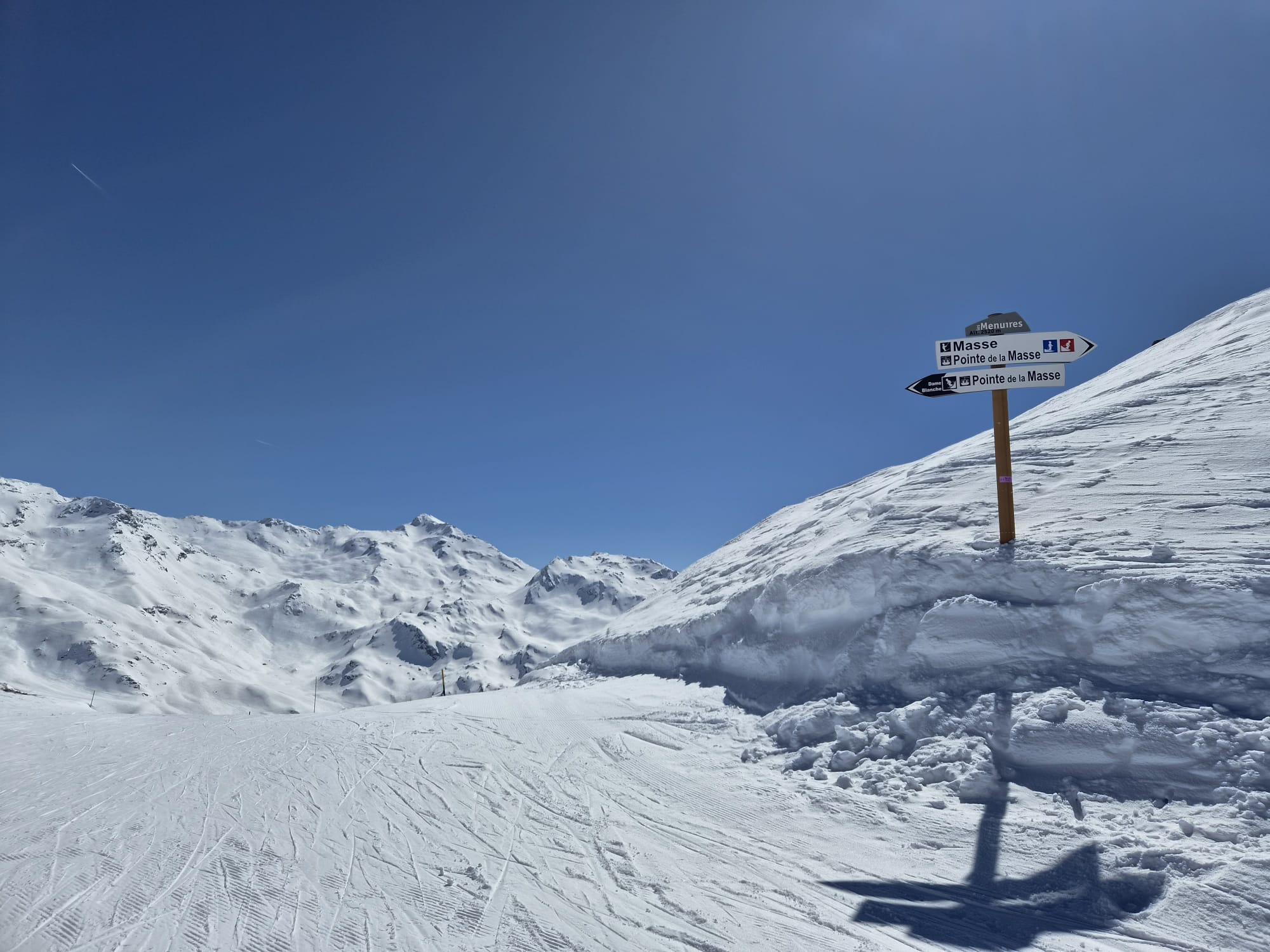
As of Thursday, April 16, the atmosphere has stabilized. Fraser Wilkin, a leading meteorologist from weathertoski.co.uk, notes that while the immediate outlook remains fine, a transition is expected as the weekend approaches. A minor unsettled front is projected to move across the Alps late Sunday, bringing scattered showers. For skiers, the critical data point is the freezing level; snow is expected to fall only above 2,300 meters. While this will provide a light dusting for the highest glaciers, it is not anticipated to result in significant accumulations that would alter the overall spring trajectory of the snowpack.
The Science of Spring Snow: Following the Sun
The current skiing experience in the Alps is defined by the classic spring "melt-freeze" cycle. This phenomenon requires skiers to adapt their schedules to the movement of the sun to find the best possible surface conditions. Overnight, clear skies allow the snowpack to radiate heat and freeze hard. By early morning, these surfaces are firm and occasionally icy.
As the sun rises, the softening process begins on slopes with an easterly or south-easterly aspect. By midday, southern slopes reach their peak "corn snow" state—a granular, soft texture highly prized by spring skiers—before becoming heavy and "slushy" later in the afternoon. Western slopes follow suit in the mid-afternoon. To maintain a "wintry" feel—where the snow remains dry and packed rather than wet—skiers are currently advised to seek out north-facing slopes at altitudes between 2,500 and 2,700 meters. Below these heights, the ambient temperature and solar radiation are now too high to prevent the transition to heavy spring snow.
Regional Reports: France, Italy, and Switzerland
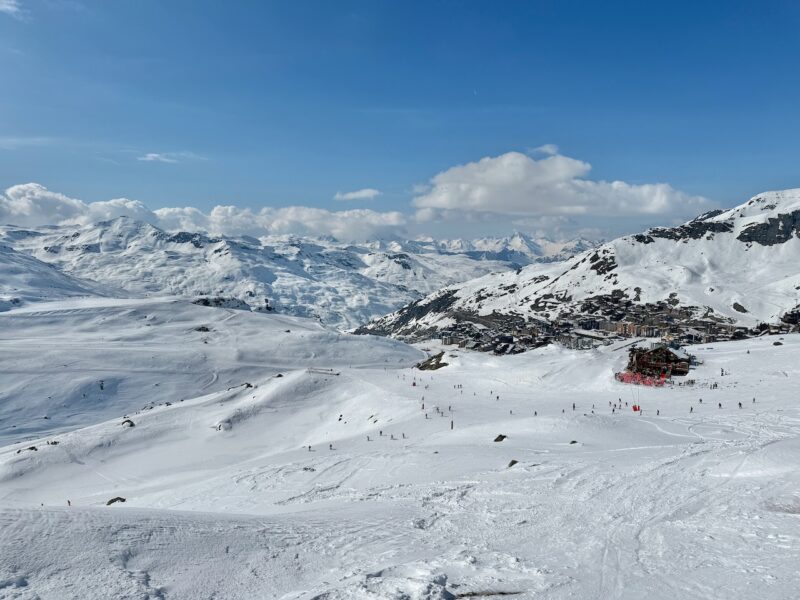
In the French Alps, high-altitude giants such as Tignes and Val d’Isère remain the primary destinations for late-season skiing. Steve Angus, reporting from the Tignes/Val d’Isère sector, indicates that while the current week may mark the final video snow reports of the season, the physical infrastructure will remain operational for several more weeks. Both Tignes and Val Thorens—the latter being the highest resort in Europe—are scheduled to continue operations until the first weekend of May, capitalizing on their vast terrain located well above the 2,000-meter mark.
In Italy and Switzerland, the cross-border area of Cervinia and Zermatt has benefited significantly from the recent weather patterns. These resorts, which boast some of the highest lift-served terrain in Europe, saw the best of the recent snow totals during the April 14 storm cycle. The Matterhorn Glacier Paradise continues to provide near-winter conditions, serving as a haven for those looking to escape the rapidly warming valleys.
Conversely, lower-altitude resorts are facing the inevitable conclusion of their season. The heavy rains earlier in the week have accelerated the depletion of snow cover on home runs and lower-tier pistes. In the Les3Vallées region, while Val Thorens remains in peak spring form, Les Menuires is preparing to close its gates this coming weekend. This staggered closing schedule is a standard operational procedure, allowing mega-resorts to consolidate their remaining staff and resources onto the highest, most snow-sure slopes.
The Scottish Exception: Late-Season Success in the Highlands
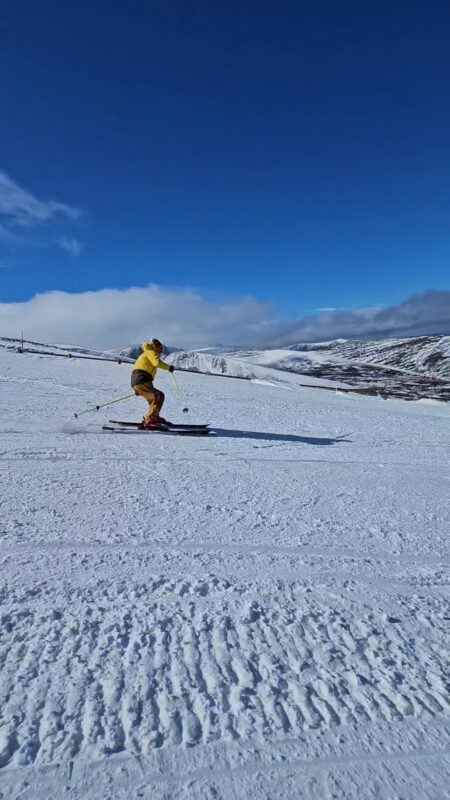
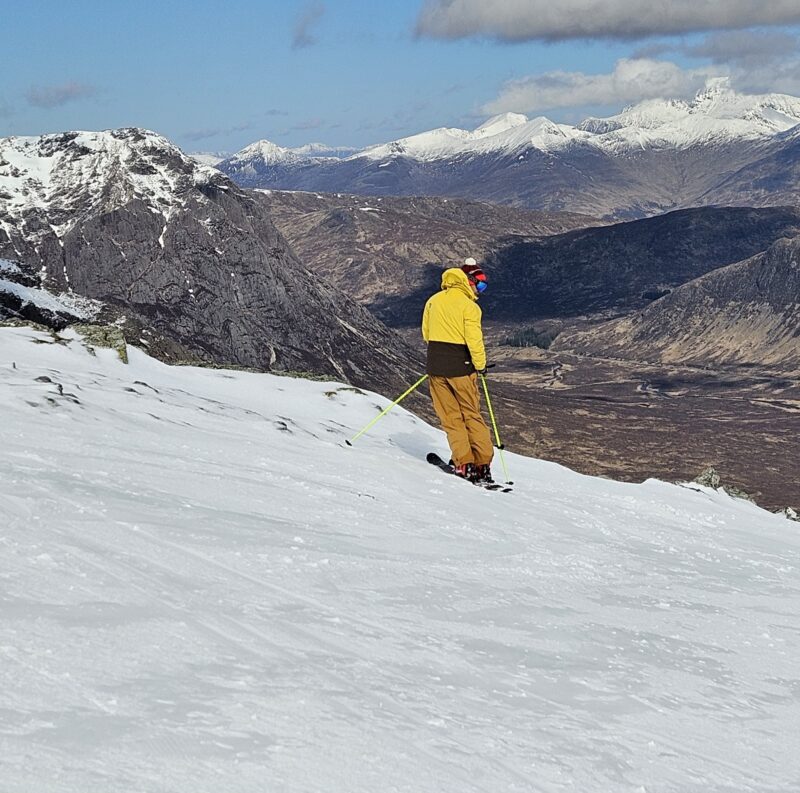
While the Alps transition toward summer, the Scottish Highlands are reporting an unusually strong finish to the season. Reporting teams Dianne and Rod Frazer have highlighted excellent conditions at both Cairngorm and Glencoe. Unlike the Alps, where the season is winding down due to rising temperatures and scheduled closures, the Scottish resorts have benefited from a series of late-season cold snaps that have bolstered the snow cover on the upper mountains.
The longevity of the Scottish season is often unpredictable, but the 2026 April reports suggest one of the better late-season showings in recent years. This has provided a much-needed boost to the local snowsports economy, which often faces shorter windows of operation compared to its continental counterparts.
Avalanche Safety and Snowpack Stability
The transition to spring weather brings a shift in the primary types of avalanche threats. The recent heavy rain at lower altitudes on April 13 and 14 acted as a lubricant, increasing the risk of wet-snow avalanches and full-depth glides. When rain penetrates the snowpack, it weakens the bonds between layers and adds significant weight to the existing structure.
As the weather turns finer, the primary concern shifts to "solar-induced" instability. As slopes warm up throughout the day, the risk of wet-snow slides increases. Mountain safety experts urge off-piste skiers to finish their descents on sun-exposed slopes before the heat of the day renders the snowpack unstable. The stabilization of the weather on April 16 has reduced the immediate danger, but the freeze-thaw cycle remains a critical factor for those venturing outside of marked boundaries.
Operational Logistics and Economic Impact of the Season End
The closing of a ski resort is a complex logistical undertaking that begins long before the final lift stops turning. For resorts like Les Menuires, closing this weekend involves more than just turning off the power. It marks the beginning of the "decommissioning" phase, where piste markers, safety netting, and signage are removed and stored.
The economic implications of the spring season are significant. While the high-volume crowds of February have long since departed, the late-season market is vital for high-altitude resorts. This period attracts a different demographic—often more experienced skiers and locals who are less concerned with après-ski culture and more focused on the technical aspects of spring snow and ski touring.

Furthermore, the "closing date" is often a contractual obligation rather than a purely meteorological one. Resorts must balance the cost of operating lifts and maintaining a ski patrol with the diminishing number of lift pass sales. Even in years with record-breaking snow, many resorts will close on their scheduled dates because seasonal staff contracts conclude and the market demand shifts toward summer activities like mountain biking and hiking.
Broader Implications and Environmental Context
The 2026 season reinforces a growing trend in the European ski industry: the increasing reliance on high-altitude terrain. As climate variability continues to impact the duration of winter, the "snow line" for reliable spring skiing is steadily climbing. The advice provided by Fraser Wilkin to stay above 2,500 meters is becoming a standard operating procedure for late-season travelers.
This shift is driving significant investment in high-altitude infrastructure. Resorts that can guarantee skiing into May are becoming increasingly dominant, while lower-altitude villages are diversifying their offerings to include year-round mountain tourism. The success of Val Thorens and Tignes this year serves as a case study for the viability of the "high-altitude model."
Looking Ahead to May and Beyond
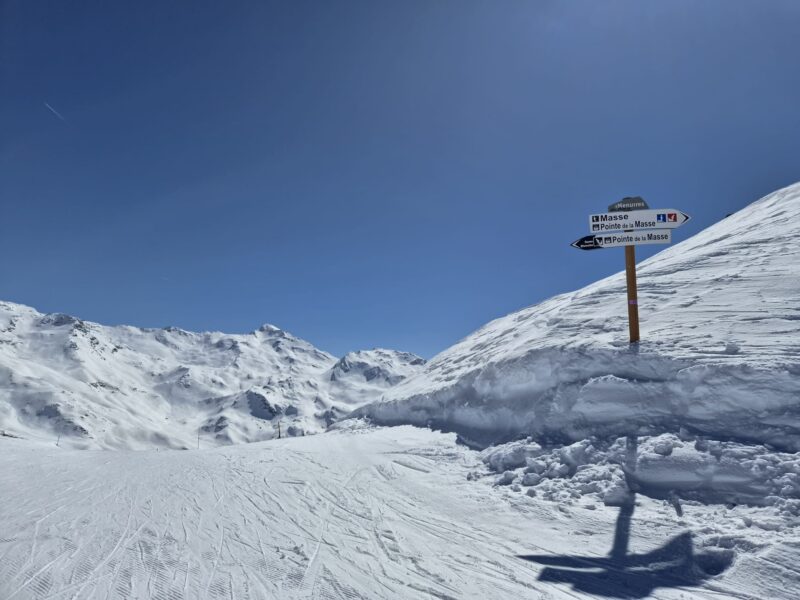
As the Alps move toward the final weeks of April, the focus will shift entirely to the glacier resorts and the highest peaks of the Espace Killy and the 3 Vallées. For those still looking to hit the slopes, the message is clear: the season is not over, but the geography of skiing has shrunk. Success in the final weeks of 2026 will depend on altitude, aspect, and timing.
Skiing will continue in select locations into May, with some summer skiing operations on glaciers expected to begin shortly after the winter season officially concludes. For now, the Alpine community remains focused on a safe and successful conclusion to a season that has seen everything from mid-winter blizzards to the warm, golden "corn" of a classic European spring.

