
The International Ski and Snowboard Federation (FIS) once again proposed the elimination of the iconic 50-kilometer cross-country ski race in Holmenkollen for the upcoming winter season. This proposal, which deemed the cherished classic a "poor idea," was ultimately rejected by the FIS Cross-Country Committee during their meeting in Slovenia on Thursday morning. The traditional 50km race will proceed as scheduled, a decision met with relief by many within the sport.
The alternative put forth for consideration was a race weekend comprising sprint events and a 20-kilometer individual start. However, the FIS Cross-Country Committee chose to preserve the historic 50km, a decision that underscores the enduring significance of this particular event in the annals of winter sports. The proposed dates for the 50km races in Holmenkollen are set for March 12th to 14th, immediately following the conclusion of the World Championships in Falun. This scheduling, while presenting a demanding consecutive race schedule for elite athletes, ultimately ensured the survival of the Holmenkollen classic.
The Unrivaled Prestige of the Holmenkollen 50km
The 50-kilometer race at Holmenkollen is not merely another event on the World Cup calendar; it is a cornerstone of cross-country skiing history, a spectacle that draws immense crowds and captivates audiences worldwide. For many athletes, victory in Holmenkollen transcends even the coveted Olympic gold medal. This sentiment was powerfully articulated by Einar Hedegart, the recent winner of the Holmenkollen 50km. "The Olympics can go and take a backseat. This was much bigger. Bloody hell, what a feeling," Hedegart expressed to TV 2, recounting the profound emotional impact of crossing the finish line first in this legendary venue. He further elaborated on the personal significance of the victory, stating, "It ranks almost higher for me. It was absolutely insane to cross the finish line first." This assertion highlights the unique allure and historical weight associated with winning the Holmenkollen 50km. The race has a storied past, dating back to the early 20th century, and has been the stage for countless legendary performances and dramatic finishes. Its inclusion in the World Cup circuit has consistently been a highlight, showcasing the endurance and tactical prowess required for such a demanding distance.
The deep emotional connection athletes feel to the Holmenkollen 50km is further evidenced by the fact that it is often considered the ultimate test of a skier’s mettle. The challenging terrain of the Holmenkollen ski resort, combined with the sheer distance, pushes athletes to their absolute limits. Winning here is a testament to years of dedication, rigorous training, and an unwavering mental fortitude. The roar of the crowd, echoing through the snow-laden trees, adds an unparalleled atmosphere to the event, making it a truly immersive experience for both participants and spectators.
A Resounding Victory for Tradition and Fan Engagement
The decision to retain the 50km race was a significant win for the Norwegian delegation and proponents of traditional long-distance skiing. Ulf Morten Aune, a member of the FIS World Cup Committee, and Espen Bjervig, from the FIS Cross-Country Committee, expressed their profound relief and satisfaction following the vote. Aune, who spoke on behalf of Norway during the Slovenia meeting, emphasized the broader implications of the decision. "The 50km in Holmenkollen means a great deal to Norwegian and international skiing. It is important for us to preserve such traditions and popular festivals. Norwegians and all foreigners also find it incredibly exciting to compete in Holmenkollen because of the spectator festival in the forest, and the distance itself is something special," Aune and Bjervig stated to NTB.
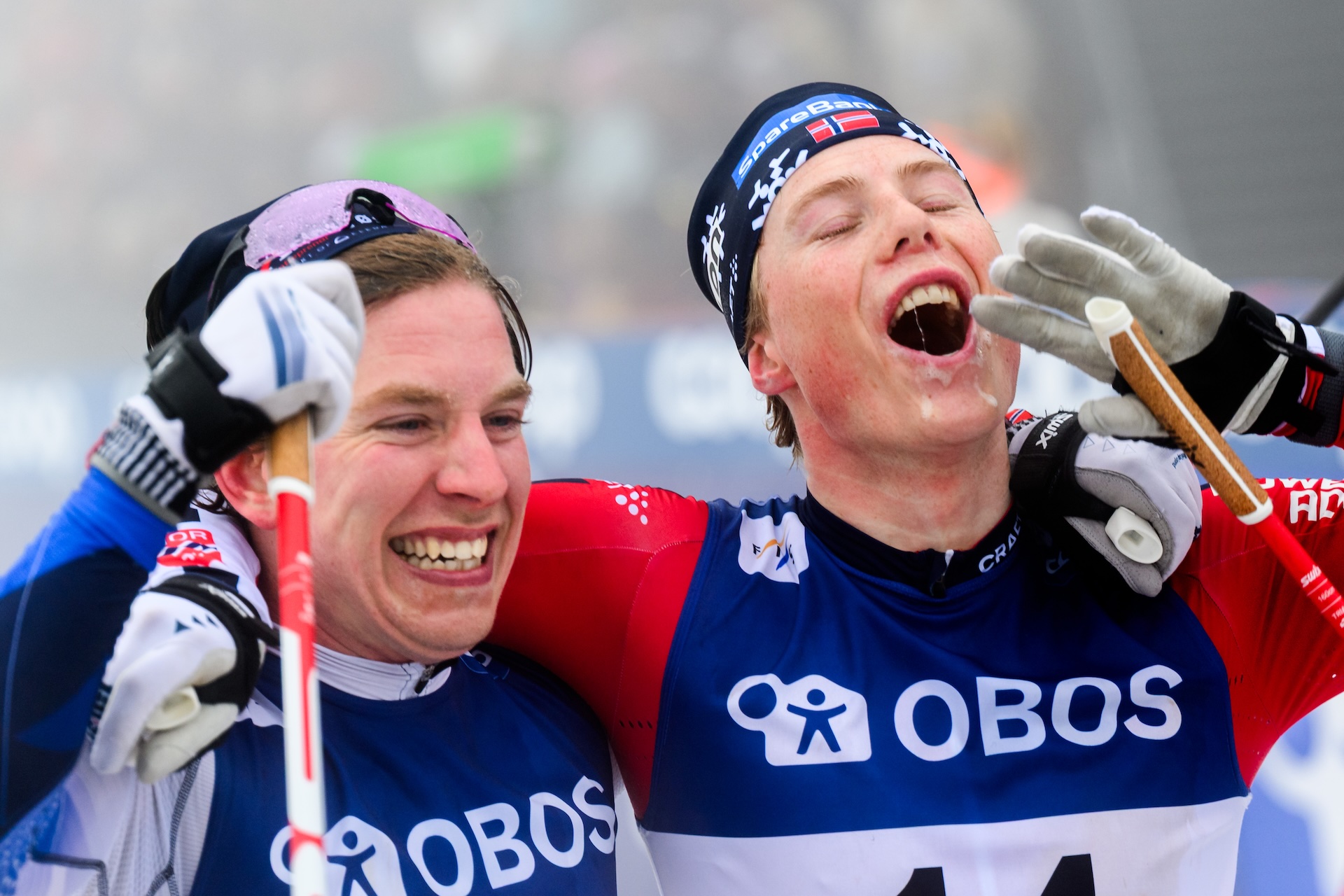
Their remarks underscore the dual importance of the Holmenkollen 50km: its historical significance and its role as a major public event. The race is more than just a competition; it is a cultural phenomenon that unites communities and fosters a shared passion for winter sports. The vibrant atmosphere created by thousands of spectators lining the course is an integral part of the Holmenkollen experience, contributing to its legendary status. The preservation of this tradition ensures that future generations of skiers will have the opportunity to compete on this hallowed ground and that the spectacle for fans will continue.
Widespread Support from Skiing’s Elite
The sentiment to preserve the Holmenkollen 50km is not confined to race organizers and officials; it resonates strongly with the athletes themselves. Several prominent skiers have voiced their unequivocal support for the continuation of the event. Frida Karlsson, the reigning champion of the Holmenkollen 50km, articulated her strong stance: "I absolutely think they should have the 50km in Holmenkollen. If there is a tradition we should protect, it is precisely this one. There are no competitions that are as cool," she stated.
Karlsson, while acknowledging the logistical challenge of holding the Holmenkollen 50km so close to the World Championships 50km races in Falun, maintained her unwavering conviction. "If it has to be that weekend, then you just have to bite the bullet and race the 50km two weekends in a row," she remarked. This pragmatic approach from a top athlete highlights the willingness of the elite to adapt to challenging schedules to ensure the survival of a beloved event. The fact that the reigning champion prioritizes the Holmenkollen 50km over potential scheduling conflicts speaks volumes about its standing in the sport.
Other athletes have echoed Karlsson’s sentiments. Many view the Holmenkollen 50km as a unique challenge that demands a different kind of preparation and strategy compared to shorter races. The ability to maintain a consistent pace over such a long distance, coupled with the mental fortitude to endure the physical strain, is a skill set that is highly respected and admired within the cross-country skiing community. The race offers a true test of endurance, providing a platform for skiers to showcase their strength and resilience.
The Shadow of Scheduling Conflicts: A Recurring Dilemma
The recurring proposals to scrap the Holmenkollen 50km stem from a legitimate concern regarding athlete participation and burnout, particularly when the race is scheduled immediately after major championships like the World Championships. The proximity of the Holmenkollen 50km to the World Championships’ own 50km events has, in the past, led to a significant drop in participation. This was starkly evident in 2023, when the Holmenkollen 50km followed the World Championships in Planica. The women’s race saw a dismal turnout of only 32 starters, despite being the first-ever women’s World Cup 50km in Holmenkollen’s history. The men’s race fared only slightly better, with 36 participants.
This low participation was widely criticized as "embarrassing" and raised questions about the viability of the event in its current format and scheduling. Consequently, FIS removed the 50km from the World Cup calendar the following year, when the Holmenkollen 50km would have fallen on the weekend after the World Championships in Trondheim. In its place, a 10-kilometer individual start race was held. However, the recent decision ensures that this alternative solution will not be implemented for the 2027 season. The 50km race will indeed take place on the weekend of March 12th to 14th, placing it directly after the Falun World Championships.

The concern about athlete participation is rooted in the immense physical and mental toll that a 50km race takes. Competing in two consecutive 50km races, separated by only a few days, is an extraordinary demand on even the most elite athletes. Fatigue from the World Championships, coupled with the need for recovery and preparation for subsequent events, often leads skiers to prioritize rest over another grueling long-distance race. This creates a paradoxical situation where a highly anticipated and historically significant event struggles to attract a competitive field.
Analyzing the Implications: A Balancing Act for FIS
The FIS’s decision to uphold the Holmenkollen 50km, despite past concerns about participation, represents a significant balancing act. On one hand, the federation is tasked with ensuring the health and well-being of its athletes and maintaining competitive integrity. On the other hand, it must also consider the historical importance and spectator appeal of its traditional events.
The immediate implication of this decision is the continued preservation of a legendary race that holds deep cultural and sporting significance. The Holmenkollen 50km is a benchmark for endurance and a symbol of cross-country skiing’s rich heritage. Its survival ensures that this legacy will continue to inspire future generations of skiers.
However, the scheduling challenge remains a critical factor. The close proximity to the World Championships in Falun will undoubtedly put pressure on athletes. The success of the Holmenkollen 50km in 2027 will likely depend on the dedication of the athletes and their willingness to embrace the challenge. It also places a greater onus on the organizers and FIS to ensure that the event is promoted effectively and that the narrative around the consecutive 50km races is framed not just as a physical challenge, but as a testament to the ultimate endurance athletes.
Furthermore, the decision might prompt a broader discussion within FIS about the calendar structure. While traditions are important, the federation may need to explore more sustainable scheduling solutions that allow for both the preservation of historic events and the well-being of its athletes. This could involve exploring alternative dates for either the World Championships or the Holmenkollen 50km in future seasons, or perhaps implementing stricter regulations on athlete participation in back-to-back long-distance events. The current decision, while a victory for tradition, highlights the ongoing need for strategic planning and adaptation within the evolving landscape of professional sports. The coming season will be a crucial test of whether the Holmenkollen 50km can thrive under these demanding conditions, demonstrating its enduring appeal and the commitment of its participants.

