
At the southern extremity of the planet, where the crystalline expanse of the Antarctic Ice Sheet meets the Southern Ocean, a critical scientific inquiry is unfolding that carries profound implications for the future of global civilization. The central question driving this research—how long the continent’s massive ice shelves can maintain their structural integrity—is no longer a matter of academic curiosity but a cornerstone of global climate security. Dr. Ali Banwell, a Research Scientist at the University of Colorado Boulder and a Professor in Glaciology at Northumbria University, recently concluded a pivotal field season on the McMurdo Ice Shelf, leading a National Science Foundation (NSF)-funded mission to investigate the mechanical stability of these frozen barriers. As a prominent member of the Protect Our Winters (POW) Science Alliance, Dr. Banwell’s work bridges the gap between high-latitude physical geography and the urgent socio-economic necessity of sea-level rise projection.
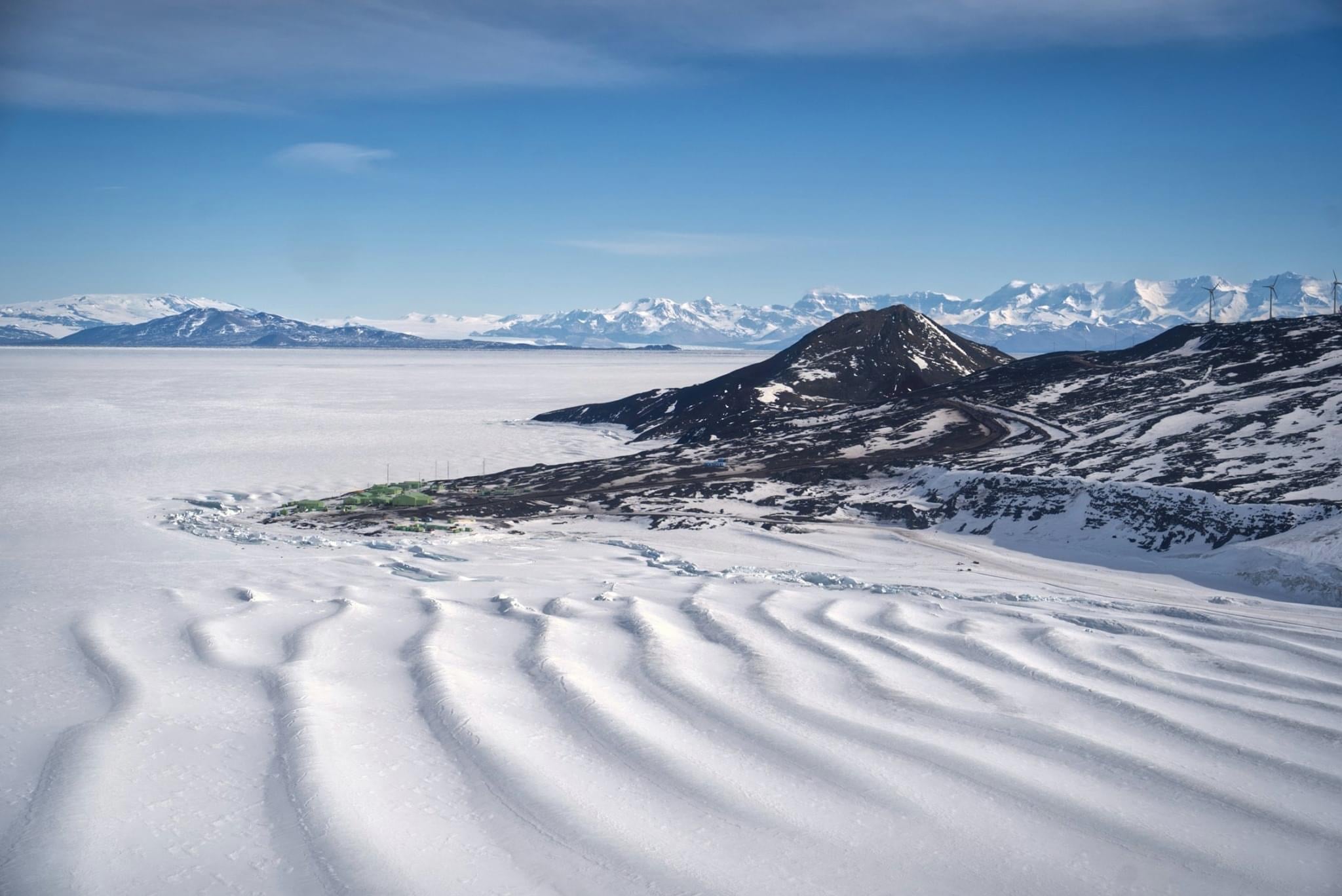
The scale of the potential risk is difficult to overstate. The Antarctic Ice Sheet represents the largest single mass of ice on Earth; should it melt entirely, global sea levels would rise by approximately 190 feet. While such a total collapse is not projected in the immediate future, the mechanisms that could trigger large-scale instability are already in motion. Antarctica’s primary defense against rapid ice loss is its system of ice shelves—vast, floating extensions of land-based glaciers that ring roughly 75 percent of the continent’s coastline. These shelves provide a "buttressing effect," acting as structural dams that slow the flow of glacial ice from the interior into the ocean. When an ice shelf thins or collapses, the glaciers behind it accelerate, discharging ice into the sea and directly contributing to global sea-level rise.
The Buttressing Mechanism and the Mystery of Ice Shelf Rumples
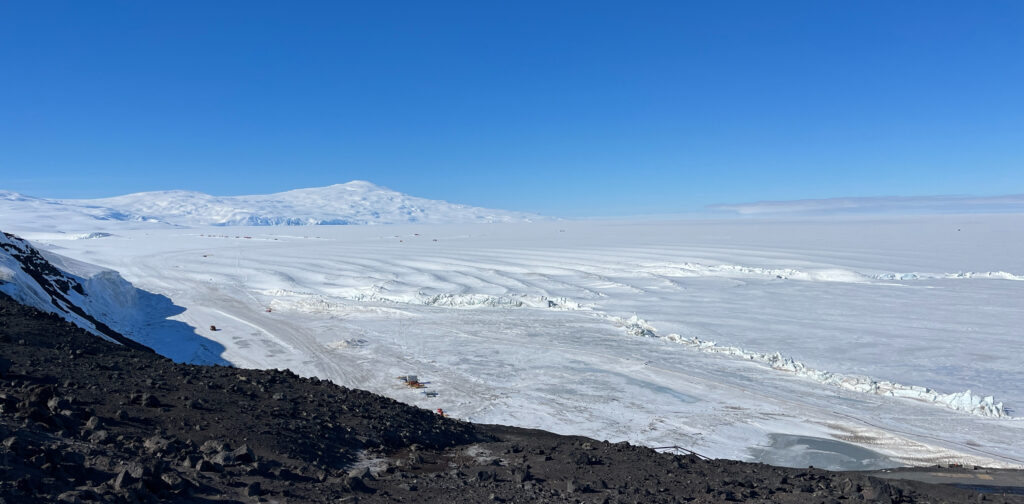
To understand the urgency of Dr. Banwell’s research, one must understand the delicate physics of the Antarctic coastline. Ice shelves are inherently fragile, subject to the dual pressures of warming atmospheric temperatures from above and rising ocean temperatures from below. However, not all ice shelves behave uniformly. On the McMurdo Ice Shelf, located near the United States’ McMurdo Research Station on Ross Island, glaciologists have observed a phenomenon that defies the standard model of outward glacial flow.
Typically, ice shelves are expected to flow unimpeded toward the open sea. At McMurdo, however, sections of the ice shelf are being forced into contact with stationary land masses or seafloor rises. This lateral and vertical compression causes the ice to buckle and "crumple," creating features known as ice shelf rumples. These wave-like ridges, which can span miles across the ice surface, represent areas of intense internal stress. The core of Dr. Banwell’s research seeks to determine whether these rumples act as structural anchors that strengthen the shelf or whether the resulting fractures and buckling make the shelf more susceptible to catastrophic break-up.
The answer to this question has global stakes. If rumples provide stability, they may represent "safety valves" that help the ice resist warming. If they are points of failure, they could be the precursors to the kind of rapid disintegration seen in the Larsen B Ice Shelf in 2002.
Chronology of the Field Season: Forty-Two Days in the Perpetual Sun
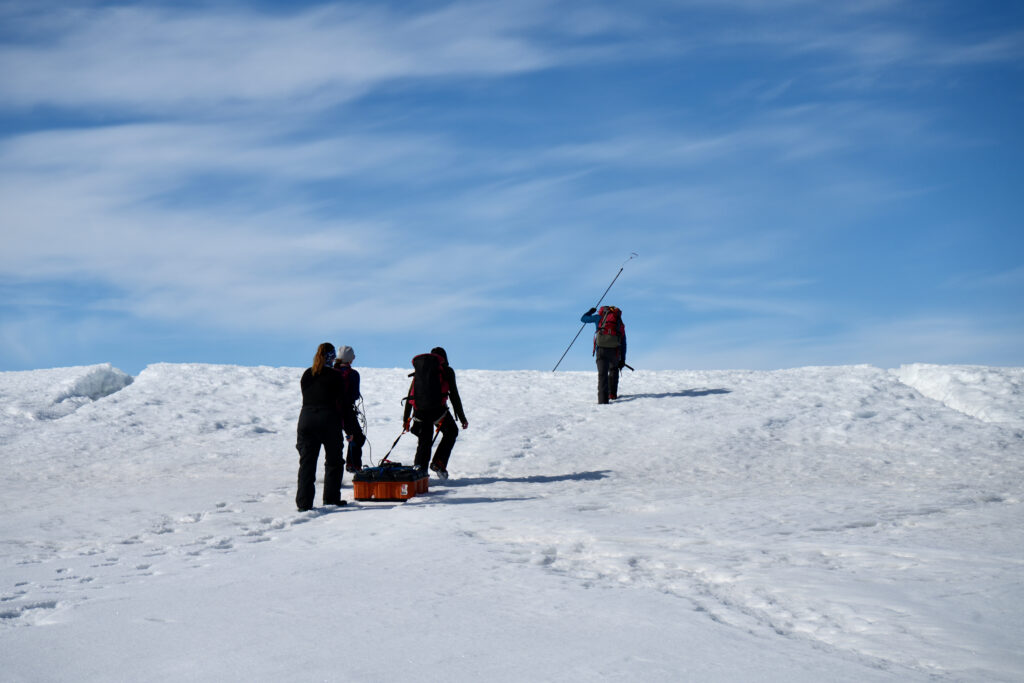
The research mission involved a six-week deployment during the Antarctic summer, a period characterized by 24-hour daylight and a narrow window of operational weather. Dr. Banwell led a specialized four-person team, including PhD students Michela Savignano from the University of Colorado Boulder and Allie Berry from the University of Maine, alongside Co-Principal Investigator Ryan Cassotto.
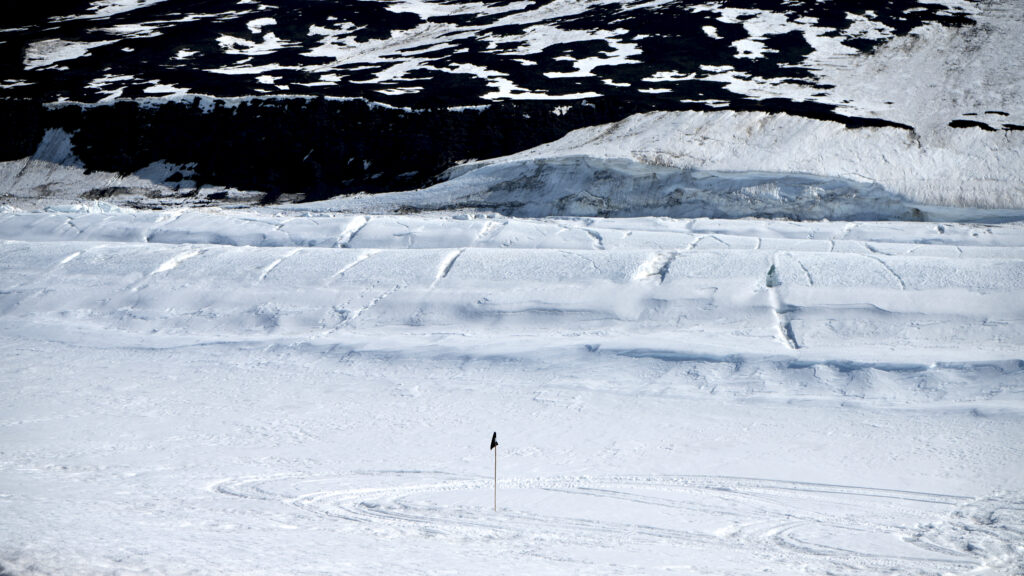
The team’s daily operations were a masterclass in polar logistics. Operating out of McMurdo Station, the researchers traveled via snowmobile across the vast, "otherworldly" landscape to reach their primary study sites. The environment was both a laboratory and a hazard; the team had to navigate a labyrinth of crevasses—deep fissures in the ice—requiring advanced mountaineering skills and constant vigilance.
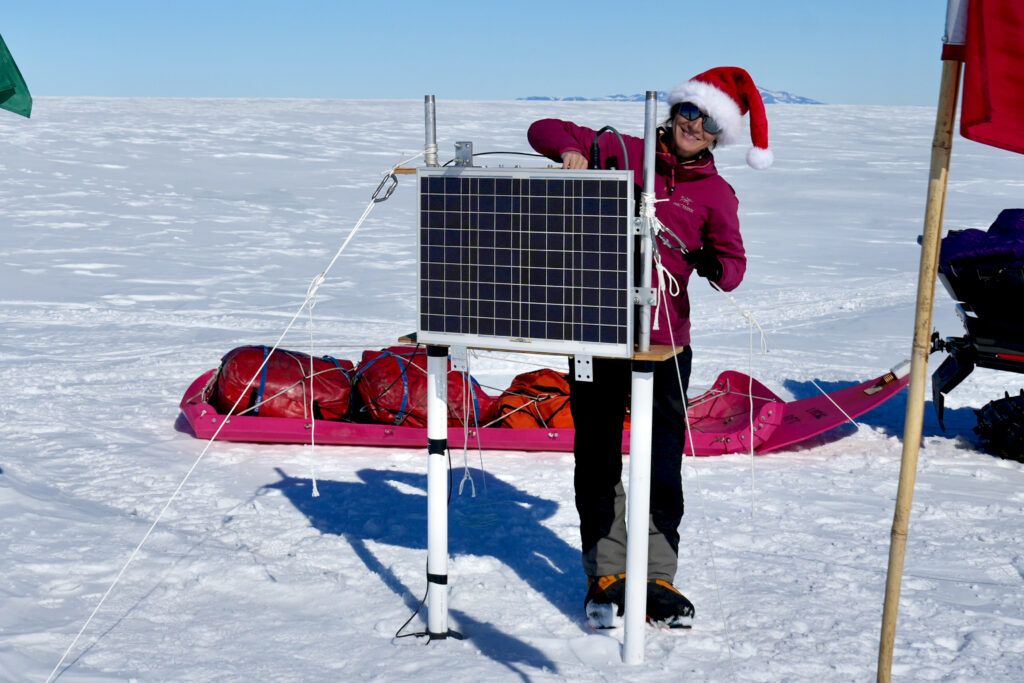
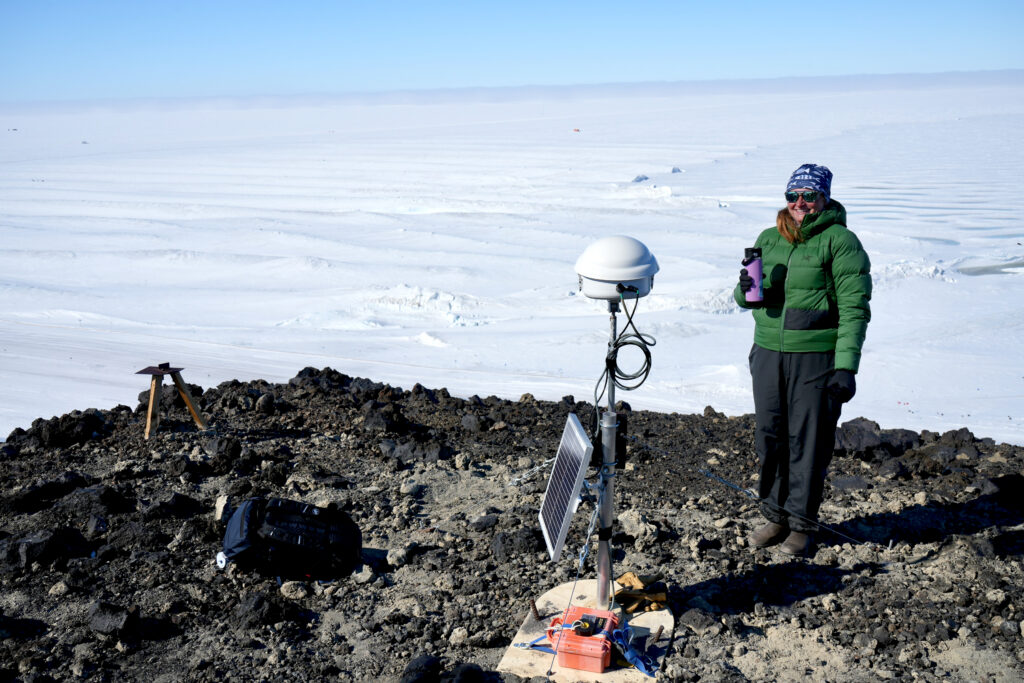
Over the course of the six-week period, the team meticulously constructed a multi-modal sensor network designed to "listen" to the ice. This network included:
- Seismometers: Sensitive instruments deployed to detect "icequakes," the internal cracking and snapping of ice as it undergoes stress.
- High-Precision GPS Units: Centimeter-accurate sensors used to track the daily movement and deformation of the ice shelf.
- Ground-Penetrating Radar (GPR): Systems used to map the internal layers of the ice and measure its thickness.
- Automated Weather Stations: Units designed to correlate atmospheric temperature and wind speed with ice movement.
- Time-Lapse Cameras: Positioned to capture images every 30 minutes, providing a visual record of surface changes.
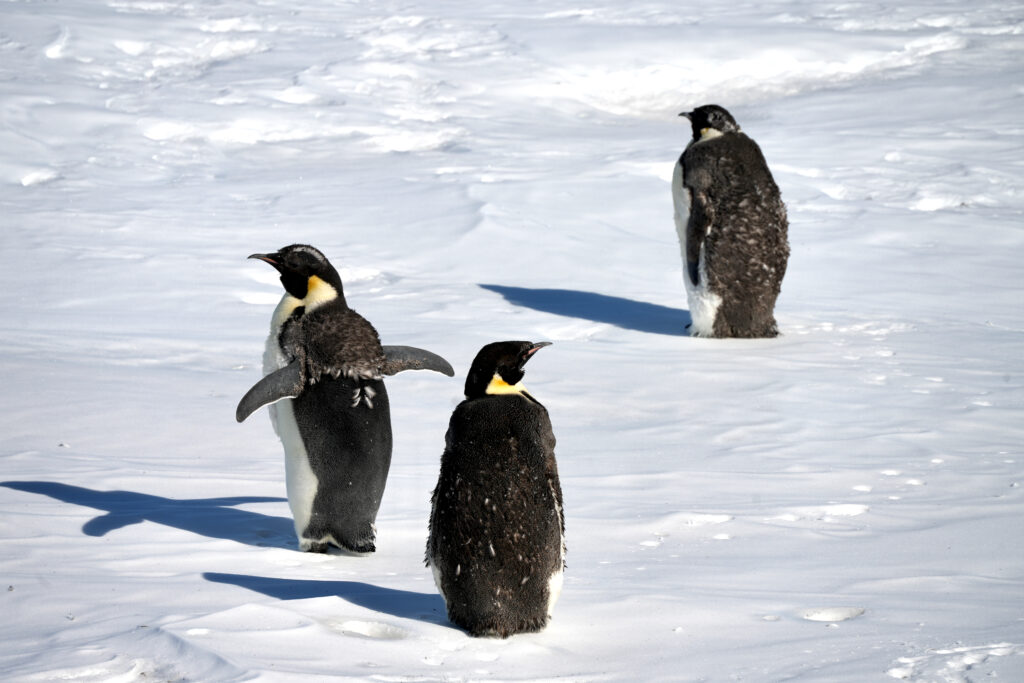
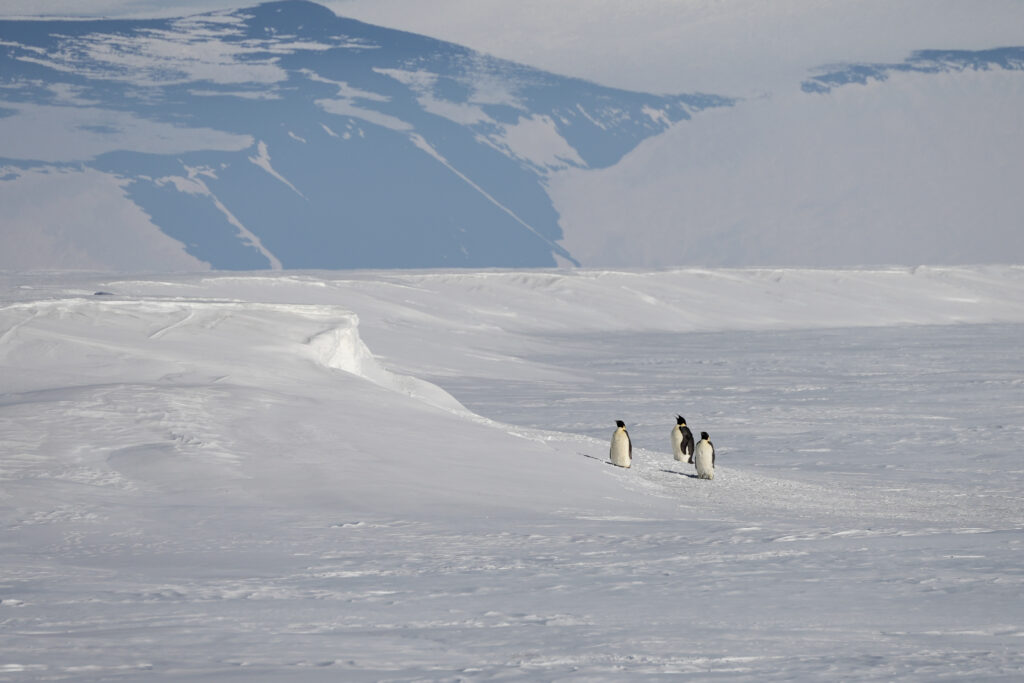
In a rare intersection of glaciology and biology, the team shared their field site with three emperor penguins. The birds, mid-molt and therefore unable to enter the water, remained stationary near the researchers for weeks. Their presence served as a constant reminder of the ecosystem that depends entirely on the stability of the ice the team was there to measure.
Preliminary Findings: A Dynamic and Warming Landscape
While the full analysis of the collected data will take months, Dr. Banwell’s initial observations from the field provide a sobering glimpse into the shifting state of the Antarctic cryosphere. The team discovered that the ice shelf was moving significantly faster than previous models had suggested, averaging one to two feet of horizontal movement per day. In the context of glaciology, such speeds indicate a highly dynamic system under significant pressure.
Furthermore, the field season was marked by unprecedented environmental conditions. Dr. Banwell, a veteran of seven Antarctic summers, noted that this was the warmest season she had ever experienced on the continent. This spike in temperature had immediate physical consequences: the winter snowpack melted prematurely, exposing a "far more fractured" ice surface than anticipated. The exposure of hidden crevasses increased the technical difficulty of the mission and highlighted the accelerating rate of surface ablation (melting).
"The team encountered more crevasses than anticipated," Dr. Banwell reported, noting that the thinning of the snow bridges that usually hide these gaps is a direct result of the warming trend. These observations suggest that the McMurdo Ice Shelf is entering a phase of increased structural volatility.
Broader Impact and the Global Sea-Level Projection
The data currently being gathered by Dr. Banwell’s instruments—which remain on the ice, silently recording through the dark, brutal Antarctic winter—will be retrieved in the next field season. Once cross-referenced with satellite imagery from programs like NASA’s ICESat-2, this dataset will provide one of the most comprehensive views of ice shelf mechanics ever recorded.
The implications of this research extend far beyond the South Pole. Current scientific consensus, supported by organizations such as the Intergovernmental Panel on Climate Change (IPCC), suggests that global sea levels could rise by one to three feet by the end of the 21st century. Such an increase would be catastrophic for low-lying coastal regions, potentially displacing between 150 million and 300 million people worldwide. Cities like Miami, Shanghai, and Amsterdam, as well as entire island nations in the Pacific, face existential threats from even the lower end of these projections.
The acceleration of Antarctic ice loss is the "wild card" in these climate models. Because the Antarctic Ice Sheet is so massive, even a slight increase in the rate of glacial discharge can lead to a significant upward revision of sea-level rise forecasts. Dr. Banwell’s work on ice shelf rumples is essential for refining these models; by understanding exactly how much stress an ice shelf can withstand before it fractures, scientists can better predict when and where the next major collapse will occur.
Conclusion: The Weight of Small Numbers
In the remote silence of the McMurdo Ice Shelf, the difference between a stable coastline and a global humanitarian crisis is measured in inches and degrees. A movement of two feet per day or a temperature rise of two degrees Celsius may seem marginal in a domestic context, but in the physics of the cryosphere, these are massive shifts.
The efforts of Dr. Banwell and her team represent the front line of climate defense. By enduring the extreme conditions of the Antarctic winter through their automated sensors and returning each year to face the physical rigors of the field, these scientists are providing the empirical evidence needed to inform global policy. As the world grapples with the transition to a low-carbon economy, the data from the McMurdo rumples serves as a stark reminder of the stakes: the "last line of defense" for the world’s coastlines is currently buckling under the weight of a warming world, and understanding why is the first step toward mitigation.

