
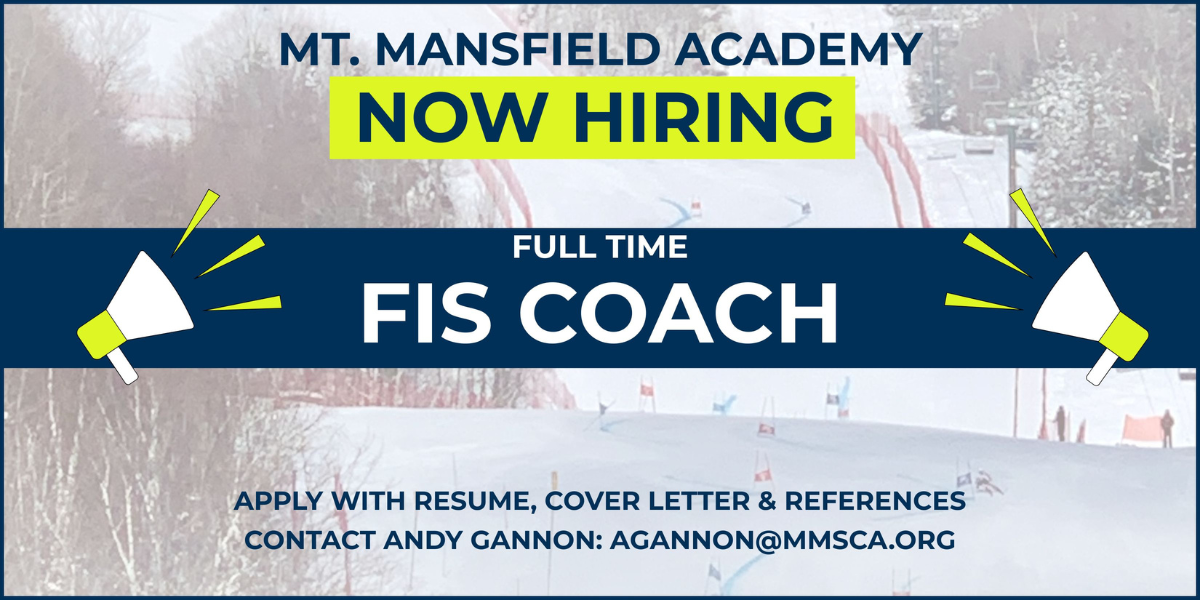
Mount Mansfield Academy (MMA), a prominent institution in the Eastern Region renowned for its integrated athletic and academic programs, has formally announced a comprehensive search for highly qualified FIS Coaches. This strategic recruitment drive aims to bolster the academy’s alpine skiing department, specifically targeting professionals capable of leading the daily training environment and competitive development of its FIS (International Ski Federation) and Post-Graduate alpine athletes. The full-time, year-round positions, reporting directly to the Athletic Director, underscore MMA’s unwavering commitment to fostering elite talent within a structured, high-performance system that prioritizes both athletic excellence and academic achievement. The roles mandate significant travel, reflecting the competitive nature of the FIS circuit, and offer a robust benefits package, including a 401k with a 4% company match and comprehensive medical coverage.
The Apex of Alpine Development: Understanding the FIS Coaching Imperative
The search for FIS Coaches at Mount Mansfield Academy is more than just filling vacancies; it represents a critical investment in the future of alpine skiing talent. FIS, the governing body for international ski sports, sanctions races that serve as the primary pathway for aspiring Olympians and World Cup athletes. Coaching at this level demands a profound understanding of ski racing mechanics, athlete psychology, physical conditioning, and strategic race planning. These coaches are not merely instructors; they are mentors, strategists, and facilitators of dreams, guiding young athletes through the demanding progression of junior racing to potential international acclaim.
Mount Mansfield Academy, situated in the heart of Vermont’s prime ski country, has long been a crucible for developing ski racing talent. Its location provides unparalleled access to varied terrain and training facilities, making it an ideal environment for intensive on-snow development. The academy’s integrated model ensures that while athletes pursue their sporting ambitions, their academic growth remains paramount, a balance crucial for long-term success and post-skiing career pathways. The new FIS Coaches will be central to upholding this dual commitment, meticulously planning training sessions that align with academic schedules and competition calendars.
Core Responsibilities: A Multifaceted Role in Athlete Nurturing
The scope of responsibilities for the FIS Coach positions at MMA is extensive, reflecting the multifaceted nature of high-performance athletic development. These roles are designed to be pivotal in the daily operations and long-term strategic vision of the alpine program, ensuring a holistic approach to athlete growth.
On-Snow Leadership: This primary responsibility involves the direct supervision and instruction of athletes during training. Coaches are expected to design and implement daily training plans, which include slalom, giant slalom, super-G, and downhill drills, gate training, and free skiing technique refinement. They must possess an expert understanding of snow conditions, course setting, and equipment tuning to optimize performance and safety. Effective on-snow leadership also encompasses creating a dynamic and challenging environment that pushes athletes to their limits while fostering a love for the sport and a commitment to continuous improvement.
Athlete Development: Beyond technical skills, coaches are tasked with the comprehensive development of each athlete. This includes identifying individual strengths and weaknesses, developing personalized training regimens, and monitoring progress through video analysis and performance metrics. Crucially, it involves fostering mental fortitude, resilience, and strategic thinking – qualities essential for navigating the pressures of competitive skiing. Coaches act as guides, helping athletes set realistic goals, manage expectations, and cope with setbacks, ensuring their journey is as psychologically enriching as it is physically demanding.
Training and Competition: A significant aspect of the role involves meticulous planning and execution of training blocks and competition schedules. This includes domestic and international travel logistics, ensuring athletes are prepared physically and mentally for races, and providing on-site support during competitions. Coaches must analyze racecourses, devise race strategies, and offer immediate feedback to athletes post-run. The ability to scout talent, understand the competitive landscape, and adapt training based on evolving conditions is paramount. The travel component, a staple of competitive alpine skiing, requires coaches to be adaptable, organized, and capable of maintaining a high-performance environment across various locations and time zones.
Team Culture and Standards: Cultivating a positive, disciplined, and supportive team culture is a cornerstone of MMA’s philosophy. FIS Coaches are instrumental in setting high standards for sportsmanship, respect, and academic diligence. They are expected to model professional behavior, reinforce team values, and create an inclusive environment where every athlete feels valued and motivated. This also involves working closely with academic advisors to ensure athletes maintain their scholastic responsibilities while managing demanding training and competition schedules.
Collaboration: Success at MMA is a collective effort. Coaches are expected to collaborate extensively with the Athletic Director, Head of Academy, academic staff, strength and conditioning coaches, and sports medicine personnel. This interdisciplinary approach ensures that all aspects of an athlete’s development – physical, mental, academic, and social – are harmonized. Regular communication with parents/guardians is also vital, keeping them informed about their athlete’s progress and addressing any concerns.
Program Support: Beyond direct coaching, the roles involve significant administrative and logistical support. This includes maintaining training equipment, managing inventory, assisting with program budgeting, and contributing to the overall strategic planning of the alpine department. Coaches are also expected to participate in professional development activities, staying abreast of the latest coaching methodologies, sports science research, and FIS regulations.
Qualifications and Expectations: The Profile of an Elite Coach
Mount Mansfield Academy is seeking individuals with a specific blend of experience, certification, and personal attributes to fill these critical coaching roles. The qualifications reflect the high standards required to lead athletes at the FIS level.
Essential Qualifications:
- US Ski & Snowboard Coaching Certification: Level 200 or higher is typically a minimum requirement, demonstrating a foundational understanding of coaching principles recognized by the national governing body. Higher levels (e.g., 300 or 400) would be highly advantageous, indicating advanced expertise.
- Collegiate or US Ski & Snowboard Coaching Experience: Proven experience coaching at competitive levels, ideally within a collegiate program or a US Ski & Snowboard sanctioned academy or club, is crucial. This ensures candidates have practical experience with the demands and protocols of high-level ski racing.
- Bachelor’s Degree: A degree, preferably in a related field such as sports science, education, or physical therapy, signifies a strong academic foundation and the ability to contribute to the intellectual environment of the academy.
- Current First Aid & CPR Certification: Non-negotiable for athlete safety, reflecting the inherent risks of alpine skiing.
- Valid Driver’s License and Clean Driving Record: Essential for transportation of athletes and equipment, particularly given the extensive travel requirements.
- Strong Technical Skiing and Coaching Background: Candidates must possess excellent personal skiing ability and a deep understanding of modern ski racing technique and tactics. The ability to demonstrate and articulate complex movements is vital.
- Proficiency in Video Analysis Software: A standard tool in modern sports coaching, enabling detailed performance feedback and technical refinement.
- Strong Communication and Interpersonal Skills: The ability to effectively communicate with athletes, parents, colleagues, and administrators is paramount for fostering a cohesive and productive environment.
- Organizational and Administrative Skills: Essential for managing schedules, logistics, equipment, and documentation.
Expectations:
- Commitment to the MMA Mission: Coaches must embody the academy’s dedication to developing the whole athlete – academically, athletically, and personally.
- Positive Role Model: Coaches are expected to serve as exemplary figures for young athletes, demonstrating integrity, discipline, and a strong work ethic.
- Team Player: A collaborative spirit and willingness to work within a team-oriented environment are crucial for the overall success of the program.
- Flexibility and Adaptability: The nature of competitive skiing often involves last-minute changes due to weather, snow conditions, or competition schedules. Coaches must be able to adapt quickly and effectively.
- Passion for Alpine Skiing and Youth Development: A genuine enthusiasm for the sport and a dedication to nurturing young talent are fundamental to inspiring athletes.
The Broader Landscape: Alpine Skiing Development and the Role of Academies
The recruitment of top-tier FIS Coaches by Mount Mansfield Academy highlights a broader trend in youth athletic development: the increasing professionalization and specialization of sports academies. Institutions like MMA play a vital role in providing a focused environment where aspiring athletes can balance rigorous training with academic pursuits, a model that often outperforms traditional high school sports programs in terms of individual athlete progression.
According to data from U.S. Ski & Snowboard, the national governing body, participation in competitive alpine skiing has seen steady growth, with thousands of young athletes across the country vying for spots on collegiate teams, national teams, and eventually, the World Cup circuit. The pathway is incredibly demanding, requiring significant financial investment, unwavering dedication, and, critically, access to expert coaching. Academies like MMA bridge this gap, offering comprehensive programs that provide structured training, strength and conditioning, sports psychology, and academic support, all under one roof.
The demand for highly qualified coaches has also surged. As the sport evolves with new equipment, techniques, and training methodologies, coaches must continually update their skills and knowledge. The FIS Coach is at the forefront of this evolution, translating complex sports science into actionable training plans. Their influence extends beyond the racecourse, shaping the character and life skills of young individuals who often face intense pressure and scrutiny.
Economic and Community Impact
Mount Mansfield Academy, like other specialized sports academies, contributes significantly to the local economy and community. The presence of such an institution creates employment opportunities not only for coaches but also for academic staff, administrative personnel, support staff, and local businesses that supply goods and services. The influx of families and visitors for training camps and competitions also provides an economic boost to the Eastern Region, particularly during the winter months.
Moreover, the academy serves as a beacon for aspiring athletes, drawing talent from across the nation and even internationally. This concentration of elite young athletes and experienced professionals fosters a vibrant sporting culture, inspiring younger generations and contributing to the legacy of American alpine skiing. The success of MMA alumni often translates into national pride and renewed interest in the sport.
The Application Process: A Call for Elite Talent
The formal application process for these critical positions requires interested candidates to submit a comprehensive resume, a detailed cover letter outlining their qualifications and coaching philosophy, and professional references. All materials should be directed to Andrew Gannon, the Athletic Director, at [email protected]. This direct line of communication ensures that applications are reviewed by the key decision-maker responsible for the alpine program’s strategic direction.
The meticulous nature of the application requirements underscores MMA’s commitment to securing the best possible talent. The cover letter, in particular, offers an opportunity for candidates to articulate their vision for athlete development, their experience in high-performance environments, and how their values align with Mount Mansfield Academy’s mission. Given the year-round, full-time nature of the roles and the travel requirements, MMA is clearly seeking dedicated professionals prepared to make a long-term commitment to the academy and its athletes.
Implications for Mount Mansfield Academy and Beyond
The proactive recruitment of FIS Coaches by Mount Mansfield Academy signifies a robust commitment to maintaining and enhancing its position as a premier institution for alpine ski racing development. By investing in top-tier coaching talent, MMA aims to:
- Elevate Athlete Performance: Provide cutting-edge training and individualized development plans that propel athletes to higher competitive levels, including NCAA programs and national teams.
- Strengthen Program Reputation: Reinforce MMA’s standing as a leading academy capable of attracting and nurturing the most promising young skiers.
- Foster a Culture of Excellence: Continue building an environment where athletes are challenged to excel both on the slopes and in the classroom, embodying sportsmanship and academic integrity.
- Contribute to National Skiing Success: Play a crucial role in the pipeline of American alpine talent, ultimately contributing to the success of U.S. Ski & Snowboard on the international stage.
This hiring initiative is not merely about filling positions; it is about strategically positioning Mount Mansfield Academy for continued success in a highly competitive and demanding sport. The chosen coaches will inherit a legacy of excellence and be entrusted with the vital task of shaping the next generation of alpine ski champions, ensuring that MMA remains at the forefront of integrated athletic and academic development in the Eastern Region and beyond. The pursuit of these elite professionals underscores the enduring belief that exceptional coaching is the bedrock of exceptional athletic achievement.

