
As the autumn season progresses, the window for physiological preparation for the upcoming alpine ski season narrows, prompting a shift in training focus for both recreational and competitive athletes. For the modern skier, the transition from summer leisure to winter performance requires a calculated approach to cardiovascular endurance, muscular hypertrophy, and neuromuscular coordination. Industry data and sports medicine research increasingly suggest that the "skiing into shape" philosophy—relying on the first few weeks of the season to build fitness—is a primary contributor to early-season fatigue and high injury rates. Instead, a structured preseason regimen initiated in September or October has become the gold standard for those seeking to maximize time on the snow while minimizing the risk of catastrophic musculoskeletal failure.
The Physiological Demands of Alpine Environments
Alpine skiing is a unique physiological endeavor, characterized by high-intensity bursts of anaerobic activity interspersed with periods of aerobic demand. The sport requires significant eccentric muscle strength, particularly in the quadriceps and glutes, to manage the forces generated during turns and to absorb terrain variations. Furthermore, the high-altitude environment typical of major ski destinations in the Rocky Mountains or the European Alps places an additional burden on the cardiovascular system.
According to sports physiologists, the primary goal of preseason training is to bridge the gap between sedentary or linear summer activities and the multi-planar, explosive movements required for skiing. This involves targeting stabilizer muscles around the knees and hips, enhancing core engagement for balance, and improving the body’s ability to process oxygen in thin air. For athletes entering their fourth or fifth decade, this preparation is even more critical, as the natural decline in bone density and muscle mass necessitates a proactive approach to maintain the physical resilience required for high-impact mountain sports.
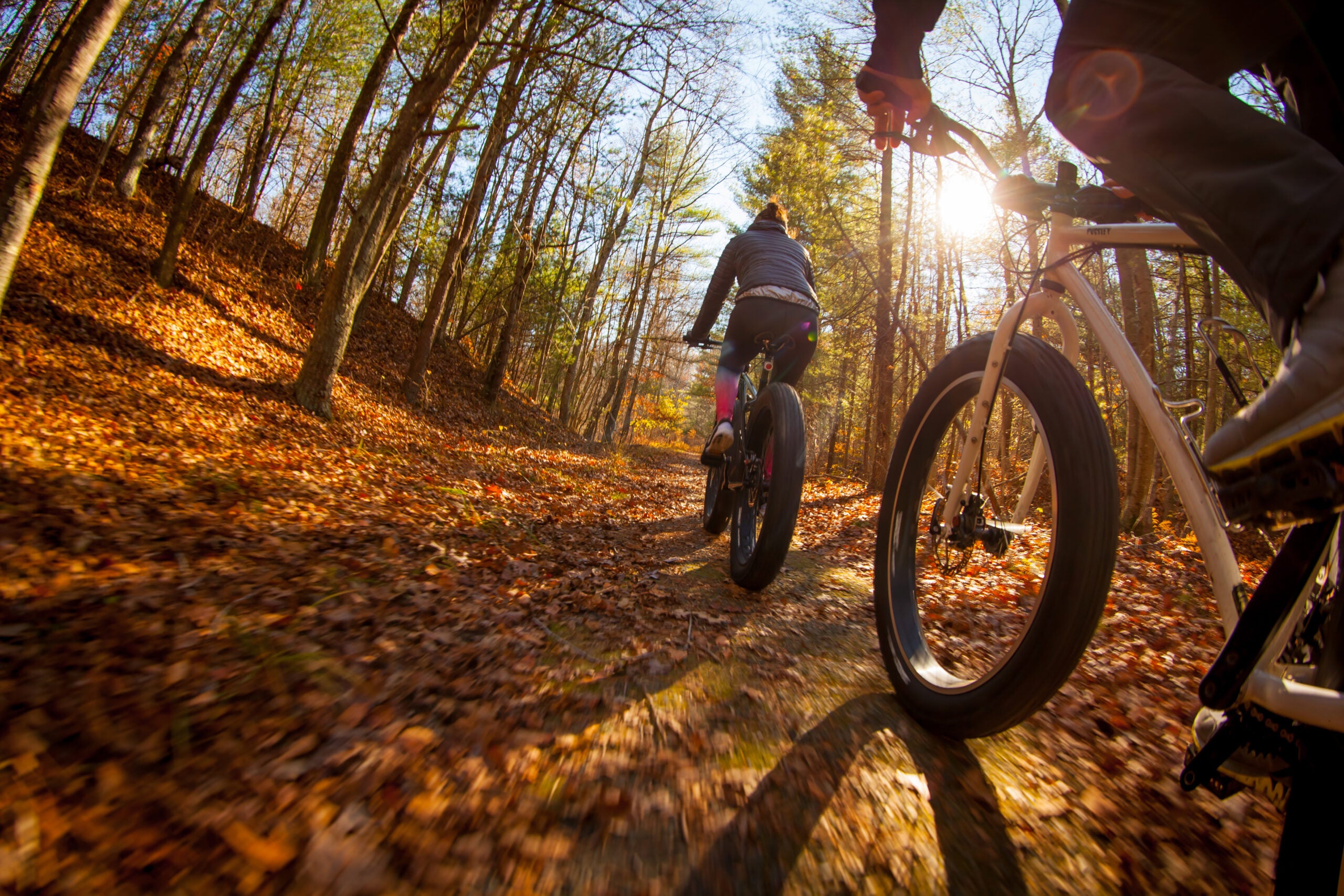
Neuromuscular Training and the Mitigation of ACL Injuries
One of the most compelling arguments for preseason conditioning is found in injury prevention statistics. The Anterior Cruciate Ligament (ACL) remains the most vulnerable structure for skiers, with tears often occurring during the "phantom foot" mechanism or when a skier loses control in a backseat position. A landmark Swedish study involving alpine ski students demonstrated the efficacy of targeted training; researchers found that preseason neuromuscular training—focusing on balance, core stability, and proper landing mechanics—reduced the incidence of ACL injuries by nearly 50% over two consecutive seasons.
This data underscores the importance of proprioception, the body’s ability to sense its position in space. By engaging in activities that challenge balance and coordination before the first snowfall, skiers can "pre-program" their nervous systems to react faster to sudden shifts in terrain or equipment failure. Surgeons affiliated with the U.S. Ski Team have long advocated for these "pre-hab" routines, noting that a well-conditioned leg is far more likely to withstand the torque of a twisting fall than one that has been inactive since the previous spring.
Vertical Gain and Eccentric Loading: The Role of Slope Hiking
A growing trend among elite and enthusiast skiers is the practice of hiking active ski slopes during the autumn months. This modality provides a direct transfer of fitness to the sport, as it involves navigating the exact gradients and terrain profiles the athlete will encounter in the winter. Hiking uphill at a steep incline serves as a high-intensity cardiovascular workout that "torches" the lungs, but the descent is equally valuable.
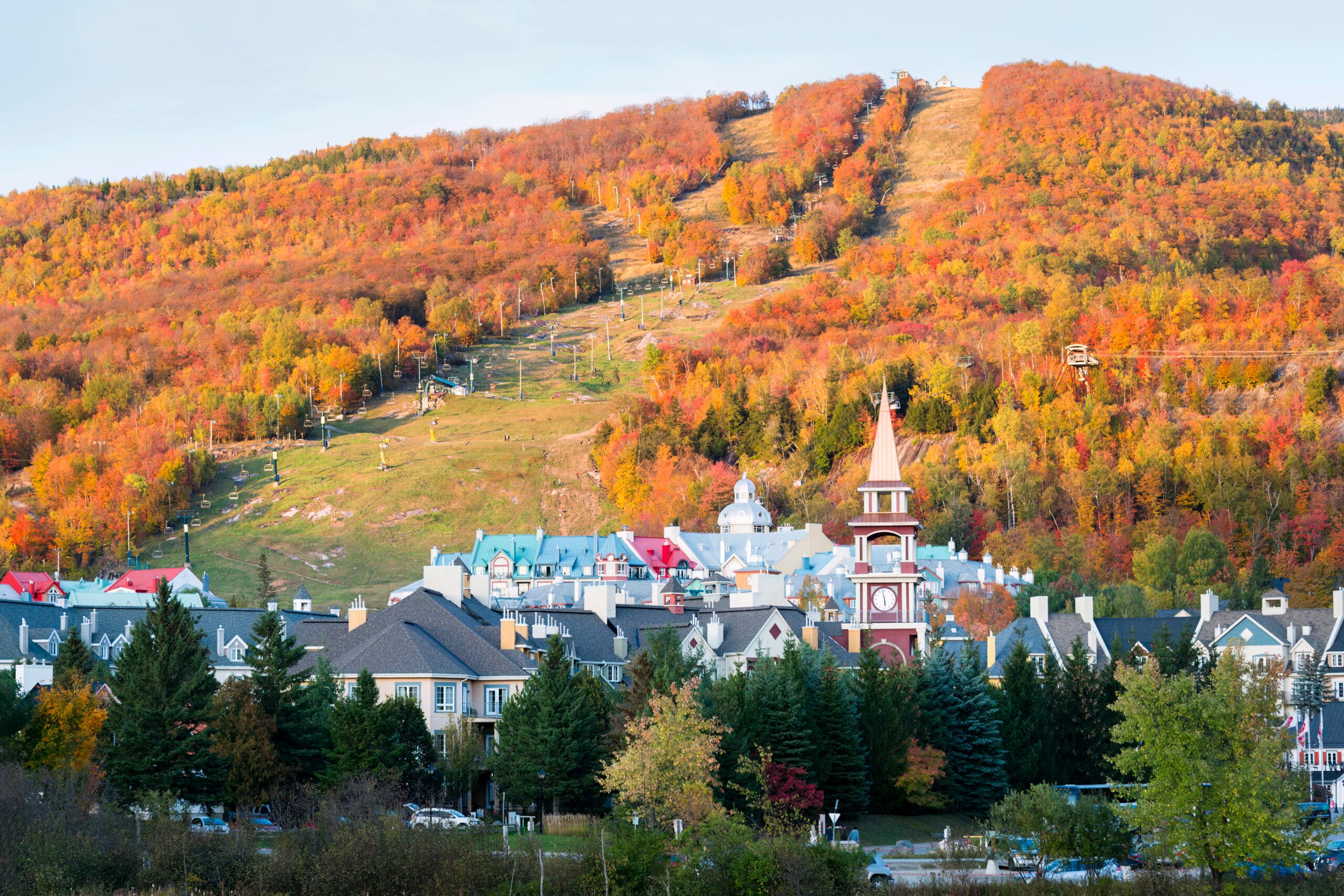
Walking downhill requires significant eccentric loading, where the muscle fibers lengthen under tension. This specifically mimics the "braking" action required during a ski turn. To increase the specificity of this training, some athletes utilize weighted vests or carry loaded backpacks to simulate the weight of an avalanche safety kit or standard winter gear. This added resistance further strengthens the gluteal complex and the muscles surrounding the patella, providing a protective buffer against the high-impact forces of skiing through variable snow conditions or moguls.
High-Altitude Trail Running and Cardiovascular Adaptation
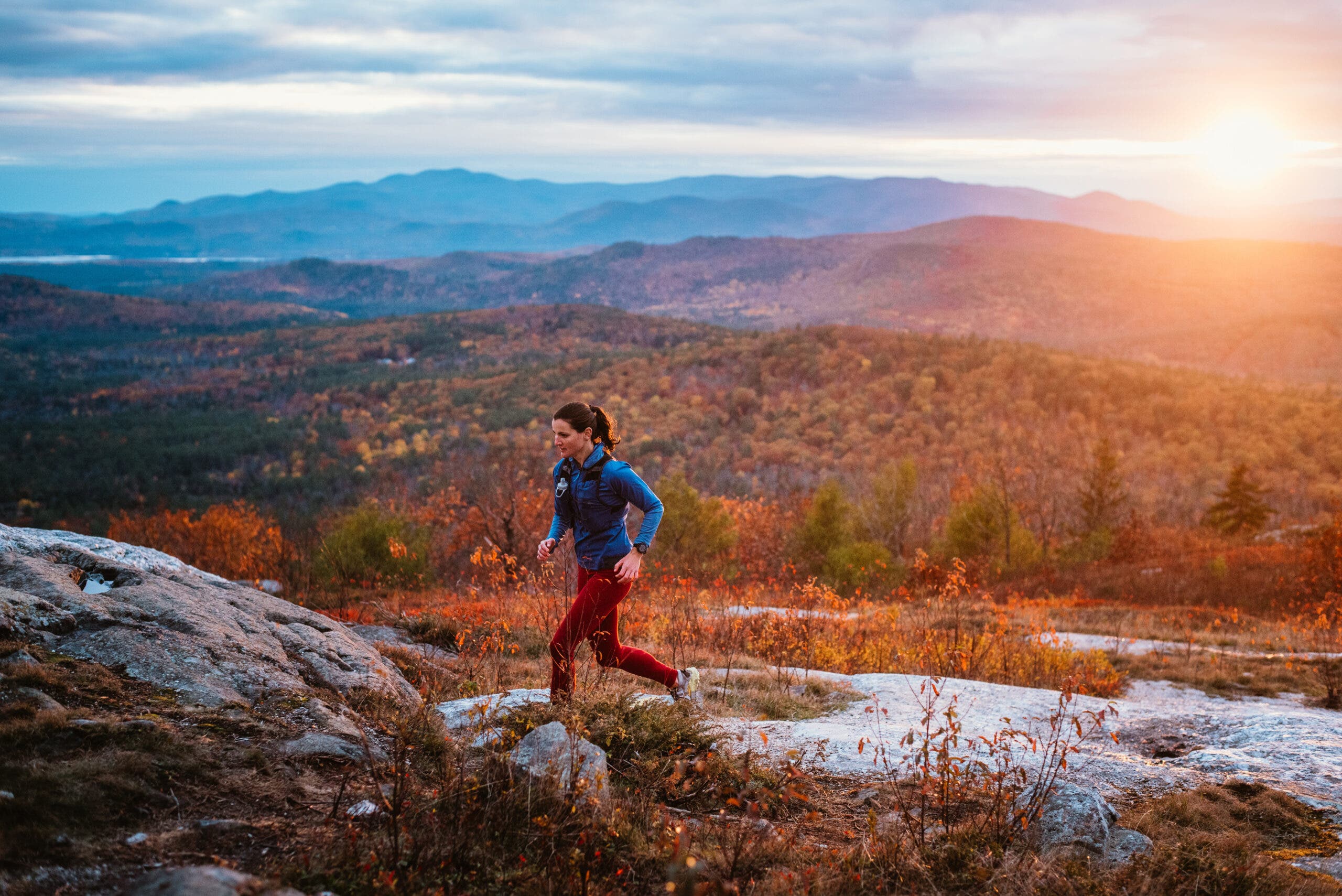
For those with access to mountainous terrain, trail running at altitude is considered one of the most efficient ways to build "mountain lungs." As atmospheric pressure decreases at higher elevations, the body is forced to adapt by increasing its red blood cell count and improving its ability to transport oxygen to working muscles. This physiological adaptation is invaluable for skiers who live at sea level but travel to high-altitude resorts like Breckenridge, Zermatt, or Val d’Isère.
Beyond the cardiovascular benefits, trail running differs from road running in its demand for lateral stability. Navigating roots, rocks, and uneven switchbacks forces the ankles and knees to stabilize in multiple directions, strengthening the connective tissues that are often stressed during skiing. For those residing in urban environments, treadmill training at high inclines serves as a functional, if less scenic, substitute, allowing for the controlled development of the posterior chain and aerobic capacity.
Mountain Biking as a Proxy for Technical Edge Control
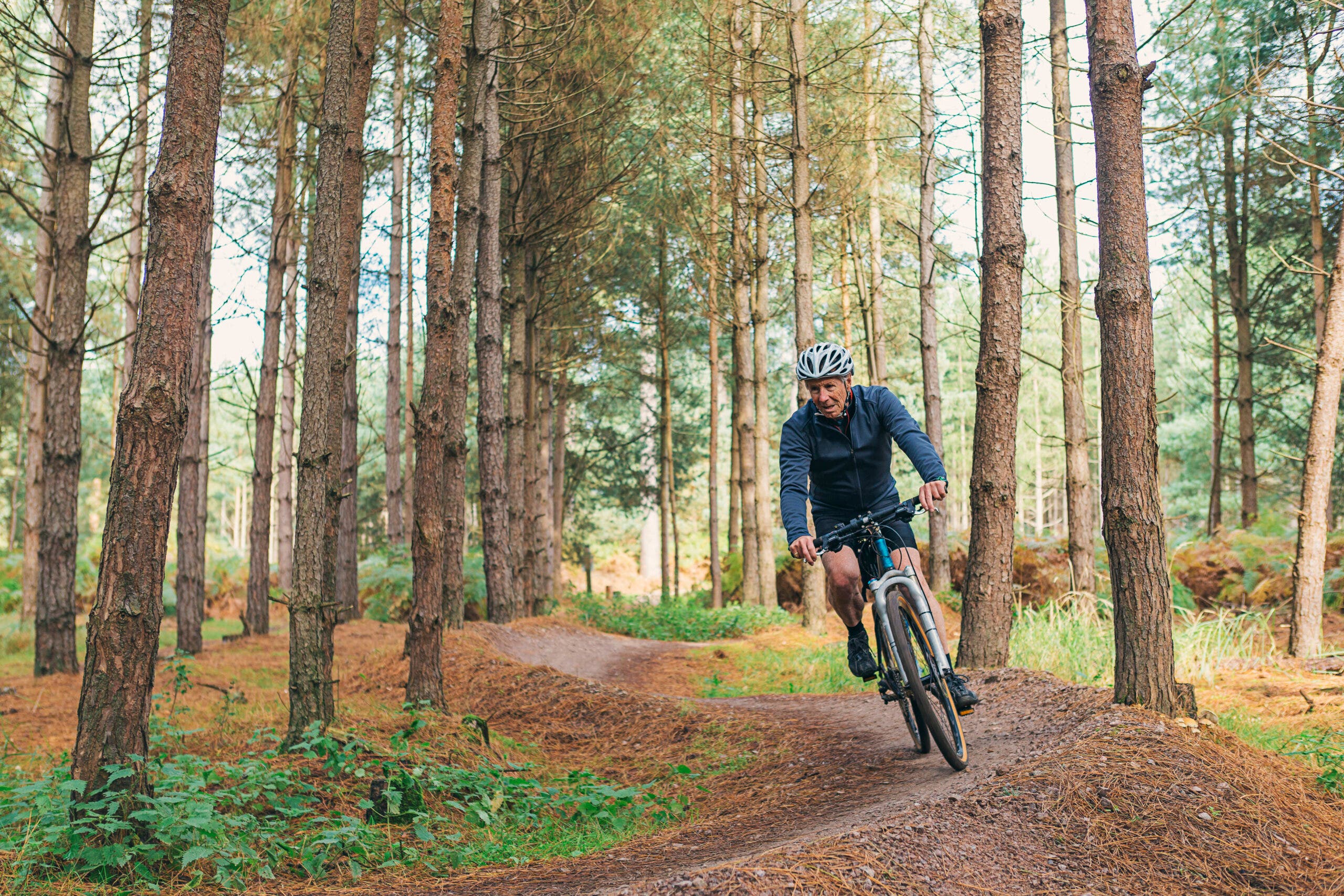
Mountain biking has emerged as the premier off-season activity for the global skiing community. The parallels between the two sports are numerous: both require high-speed line selection, weight distribution shifts, and constant balance over variable surfaces. In particular, uphill mountain biking provides a grueling cardiovascular challenge that builds the quad strength necessary for long, continuous descents.
The technical aspects of mountain biking also translate to improved skiing performance. Cornering on loose dirt or "tacky" trails trains the athlete to maintain edge control and manage centrifugal force, similar to carving on groomed runs or navigating crusty snow. The use of e-bikes has also gained traction in this space, allowing athletes to maintain a high heart rate while covering more vertical distance and focusing on technical descents, thereby maximizing the "gravity-fed" training stimulus.
The Rise of Via Ferrata in Preseason Proprioception
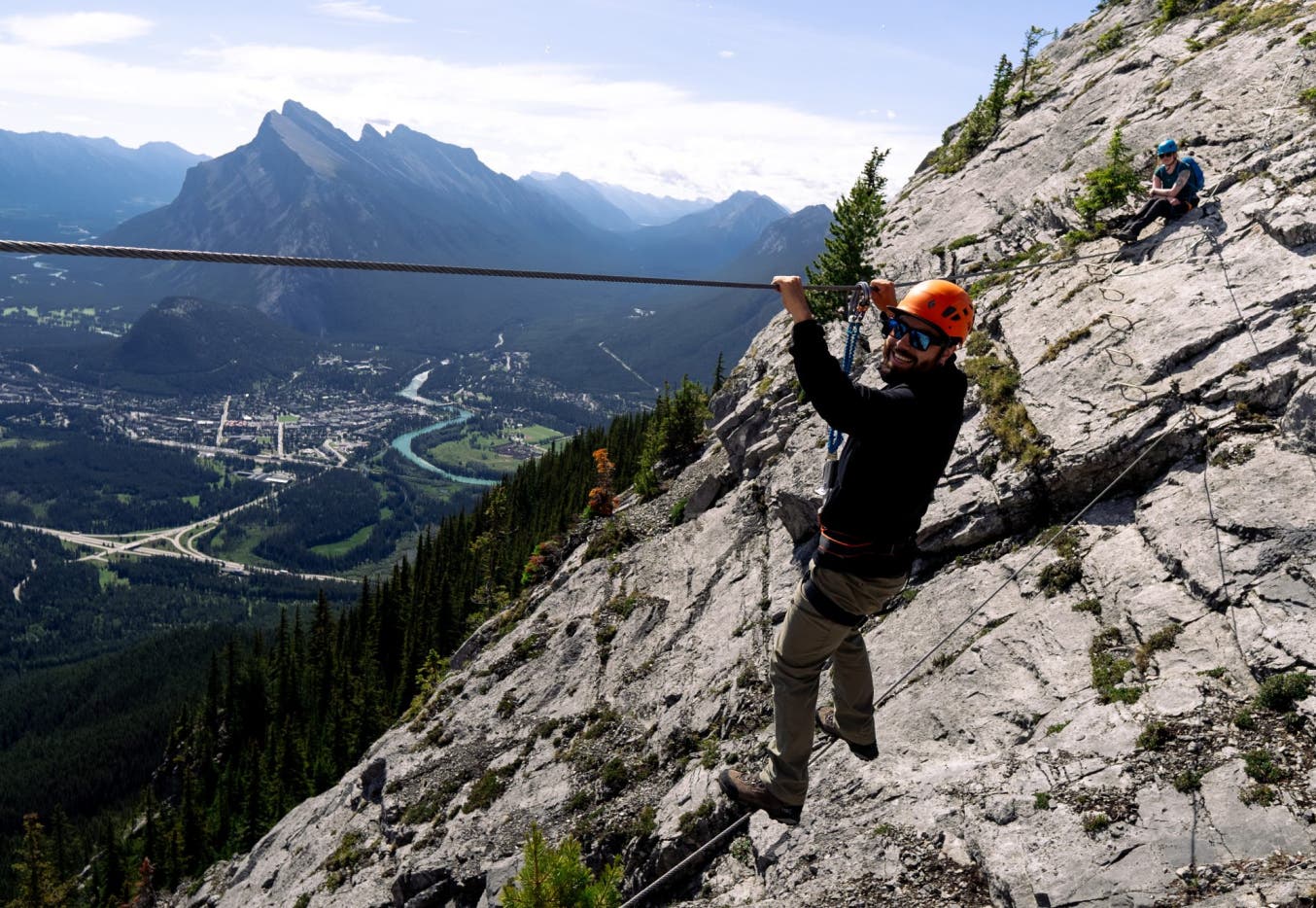
Originally developed as a means for troops to move through the Italian Dolomites during World War I, via ferrata—a system of steel cables, rungs, and ladders fixed to rock faces—has become a popular training tool for modern skiers. This activity combines elements of rock climbing and hiking, requiring intense focus, core engagement, and isometric strength.
From a training perspective, via ferrata is excellent for developing "functional grip strength" and upper-body stability, which are often overlooked in traditional ski fitness programs. However, the primary benefit lies in the mental and physical coordination required to move across vertical terrain. The focus on three points of contact and the necessity of maintaining balance while suspended over dramatic drops mirrors the mental discipline required for steep, technical "extreme" skiing. While traditionally a European pursuit, via ferrata routes are expanding rapidly in North America, with installations in locations ranging from Mt. Norquay in Banff to urban centers in the United States, providing accessible training for a wider demographic.
Technological Interventions: The Evolution of Ski Simulators and Indoor Facilities
The final frontier in preseason preparation is the integration of technology through ski simulators and indoor ski centers. Facilities such as "Big Snow" in New Jersey and the emerging "Bluerun" centers represent a shift toward year-round technical maintenance. Unlike traditional gym equipment, these facilities allow for the high-volume repetition of ski-specific movements in a controlled environment.
"Infinite Slope" technology, which utilizes a revolving carpet of synthetic turf, allows skiers to practice carving and weight transitions without the interruptions of lift lines or weather. These simulators provide real-time feedback on hip angulation, upper-lower body separation, and edge pressure. For the urban-based skier, these centers offer a way to maintain "muscle memory" and neuromuscular pathways that would otherwise lie dormant for eight months of the year. This repetition is vital for refining form, as it allows the athlete to focus entirely on biomechanics rather than environmental survival.
Broader Implications for Athlete Longevity and Public Health
The shift toward proactive preseason conditioning reflects a broader trend in the "Master Athlete" movement—a demographic of individuals over 40 who are committed to maintaining high levels of athletic performance into their 60s and 70s. By treating skiing as an athletic pursuit that requires year-round preparation rather than a seasonal hobby, this population is successfully extending its "ski life," reducing the burden on healthcare systems associated with winter sports injuries, and contributing to the economic stability of mountain resort communities.
Furthermore, the diversification of training—incorporating biking, hiking, and technology—creates a more well-rounded athlete. The integration of these activities ensures that the physical benefits of the ski season are not lost during the summer months. As the ski industry continues to evolve with more sophisticated equipment and more challenging terrain access, the necessity of a rigorous, multi-disciplinary preseason training window will only increase. Ultimately, the data is clear: the skiers who invest in their physical infrastructure during the autumn are the ones who will enjoy the most successful, sustainable, and injury-free winters.

