
The global elite of alpine skiing will once again converge on the world’s most iconic slopes for the 61st season of the FIS Alpine Ski World Cup, commencing in October 2026 and culminating in March 2027 with the prestigious Finals in Sun Valley, USA. This highly anticipated season promises a thrilling display of athleticism, technical prowess, and unwavering determination as skiers vie for supremacy across a demanding calendar. However, the undisputed centerpiece of the 2026-2027 season is the return of the FIS Alpine World Ski Championships to Crans-Montana, Switzerland, a venue steeped in alpine history and poised to host the pinnacle of the sport for the second time.
Crans-Montana: A Historic Return to the Haut-Plateau
The 49th FIS Alpine World Ski Championships are scheduled to take place in Crans-Montana from February 1st to 14th, 2027. This marks a significant occasion, as the resort will welcome the World Championships for the first time in 40 years, since its inaugural hosting in 1987. The selection of Crans-Montana underscores its enduring commitment to elite alpine skiing and its proven capability to stage major international competitions. The resort has consistently been a fixture on the FIS World Cup circuit for both men and women since 2008, further solidifying its reputation. Its successful track record extends to hosting the European Cup finals in 2009 and the Junior World Championships in 2011, demonstrating a robust operational framework and a passion for nurturing skiing talent.

The anticipation surrounding the Crans-Montana World Championships is palpable. The venue’s challenging yet spectacular terrain, set against the backdrop of the majestic Swiss Alps, provides an ideal stage for the world’s best skiers to showcase their skills. The historic significance of returning to a venue that previously hosted the championships adds an extra layer of prestige. The 1987 championships were a memorable event, and the 2027 edition is expected to build upon that legacy, attracting global attention and inspiring a new generation of skiers.
A Global Journey: The 2026-2027 World Cup Calendar
The FIS Alpine Ski World Cup season is renowned for its geographically diverse schedule, testing athletes in various conditions and on different types of terrain. The 2026-2027 season is no exception, featuring a carefully curated calendar that balances traditional European powerhouses with essential North American stops.
The season traditionally kicks off in Sölden, Austria, with both the men’s and women’s giant slalom races in late October. This iconic opening event sets the tone for the entire season, allowing skiers to gauge their early-season form and for fans to witness the first major showdowns. Following Sölden, the circuit typically moves to Levi, Finland, for the first slalom races of the season, a highly anticipated event known for its challenging icy conditions. Obergurgl, Austria, often follows, continuing the early-season technical discipline focus.
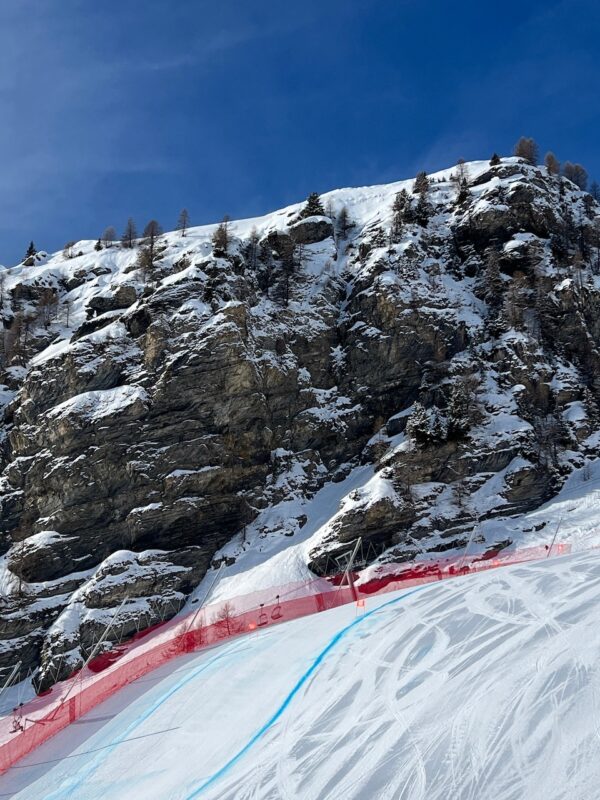
North American Challenge and European Classics
As the season progresses into late November and early December, the World Cup circuit makes its customary transatlantic journey. The men will head to Copper Mountain, USA, for Super-G and giant slalom events, testing their speed and technical abilities on North American soil. Simultaneously, the women are slated to return to Killington, USA, for giant slalom and slalom races, a venue that has become a popular stop on the women’s tour, noted for its enthusiastic crowds and demanding courses.
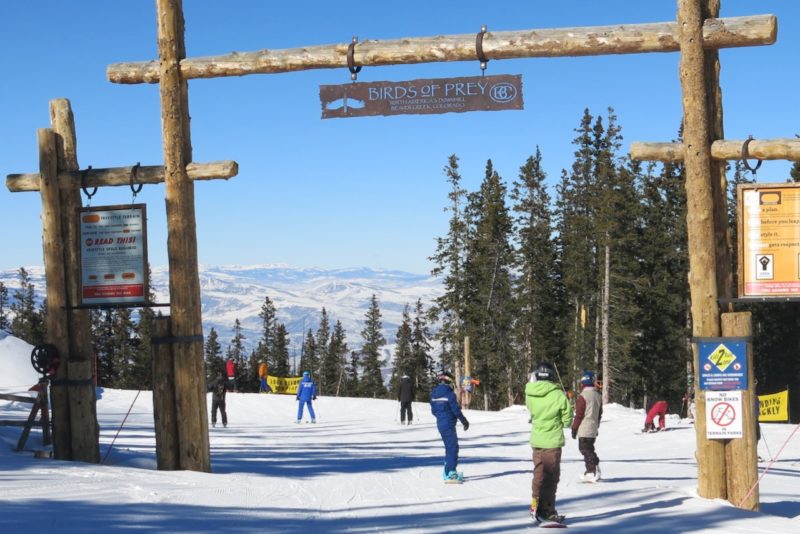
The North American leg continues with significant events in the United States and Canada. Beaver Creek, USA, a legendary venue for its "Birds of Prey" course, will host a series of men’s speed races, including downhill and Super-G, alongside a giant slalom. This demanding course is a true test of courage and skill. In parallel, the women will travel to Tremblant, Canada, for two giant slalom races, marking a return to this Canadian venue.
Following these North American engagements, the circuit largely shifts back to Europe. The men are scheduled to compete in Val d’Isère, France, for slalom races, a resort with a rich World Cup history. Conversely, the women will undertake a speed-focused stint in Beaver Creek, USA, participating in downhill and Super-G events, a strategic scheduling decision that allows for concentrated speed training and competition across both continents.

Mid-Season Intensity and New Frontiers
The pre-Christmas period brings a series of classic European venues to the forefront. Val Gardena, Italy, will host men’s Super-G and downhill races, renowned for its dramatic Saslong course. St. Moritz, Switzerland, a picturesque resort, is set to host women’s Super-G events and, significantly, a giant slalom for the first time since 2016, indicating a potential shift in emphasis or a desire to test athletes on varied disciplines in familiar locations.
Alta Badia, Italy, will host the men’s first night slalom, a spectacle enhanced by the installation of new floodlights, promising a dramatic and visually striking competition. The resort of Gosau, Austria, is set to make its debut on the World Cup calendar, hosting women’s giant slalom and slalom races, taking the place of Lienz. This introduction of a new venue highlights FIS’s commitment to broadening the sport’s reach and providing opportunities for developing resorts. Bormio, Italy, a former Olympic venue, returns to the World Cup calendar, likely featuring men’s speed disciplines, adding another Italian highlight to the schedule.
Post-New Year, the circuit continues with established venues. Kranjska Gora, Slovenia, will host men’s giant slalom and slalom races, a consistent fixture known for its challenging technical slopes. Flachau, Austria, will host women’s night giant slalom and traditional slalom races, also benefiting from new lighting infrastructure, further enhancing the spectator experience. The precise locations for a women’s speed double-header in early January remain to be determined, signaling potential flexibility in the calendar.

The Iconic January Gauntlet and Championship Preparations
January is traditionally the most intense and celebrated month on the Alpine Ski World Cup calendar, featuring a string of legendary races that define careers. The classic venues of Adelboden, Wengen, and Kitzbühel in Switzerland and Austria, respectively, are scheduled to host crucial men’s races. These three resorts hold the unique distinction of having been part of the World Cup since its inception in 1967, representing the sport’s enduring heritage. The combination of Adelboden’s demanding giant slalom, Wengen’s iconic Lauberhorn downhill and slalom, and Kitzbühel’s legendary Hahnenkamm downhill and slalom, creates a thrilling and challenging period for the male athletes.
Cortina d’Ampezzo, Italy, a recent Olympic host, is returning to the women’s World Cup calendar, likely featuring speed events. Kronplatz, Italy, will host a women’s giant slalom, further solidifying Italy’s role in the women’s circuit. Jasná, Slovakia, and Garmisch-Partenkirchen, Germany, are also set to return to the women’s calendar. Garmisch-Partenkirchen will host two downhill races that were relocated from Lenzerheide, Switzerland, due to course limitations. Lenzerheide itself will still host women’s Super-G races on the preceding weekend. Soldeu, Andorra, will replace Åre, Sweden, for women’s technical races in early March, while Sweden will host men’s races later in the season. Saalbach, Austria, the host of the 2025 World Championships, will feature two men’s speed races, adding another Austrian highlight. Narvik, Norway, is tentatively scheduled to host a women’s event the week before the World Cup Finals, subject to confirmation, with ongoing infrastructure work and preparations for the 2029 World Championships influencing its inclusion.
World Championships: A Crucial Precursor
The FIS Alpine World Ski Championships in Crans-Montana, running from February 1st to 14th, 2027, will serve as a critical benchmark for athletes and teams in the lead-up to the season’s conclusion. The championships will feature all disciplines, including downhill, Super-G, giant slalom, and slalom, for both men and women. This event is not only a battle for world titles but also a crucial indicator of form for the remaining World Cup races and the upcoming World Cup Finals. The success of Crans-Montana in hosting these championships will undoubtedly be closely watched, with potential implications for future hosting bids and the development of alpine skiing infrastructure.
The Grand Finale: Sun Valley, USA
The 2026-2027 Audi FIS Alpine Ski World Cup season will conclude with the Finals in Sun Valley, Idaho, USA, from March 22nd to 25th, 2027. This marks the second time the prestigious Finals will be held in Sun Valley, a testament to the venue’s capabilities and appeal. The challenging "Challenger" race course will host the final showdowns, with speed events (downhill and Super-G) scheduled for March 20th-21st, and technical events (giant slalom and slalom) taking place on March 23rd, 24th, and 25th. The selection of Sun Valley for the Finals underscores the growing importance of North American venues in the global ski circuit and provides a fittingly spectacular conclusion to a demanding season. The Finals represent the last opportunity for athletes to accumulate World Cup points and secure their final rankings, often leading to dramatic last-minute title battles.
Broader Implications and Future Outlook
The 2026-2027 FIS Alpine Ski World Cup season, with its emphasis on established World Cup venues and the highly anticipated World Championships in Crans-Montana, signifies a period of both continuity and evolution for the sport. The return of the World Championships to a historic venue like Crans-Montana not only celebrates the sport’s rich heritage but also highlights the ongoing development and commitment of resorts to hosting top-tier events.
The continued inclusion of both traditional European strongholds and key North American venues ensures a balanced global appeal for the sport. The introduction of new venues, such as Gosau, and the return of others like Bormio, demonstrates FIS’s strategic efforts to expand the sport’s reach and engage new audiences. Furthermore, the increasing use of night races and investments in infrastructure, such as floodlights, suggest a focus on enhancing spectator experience and media appeal.
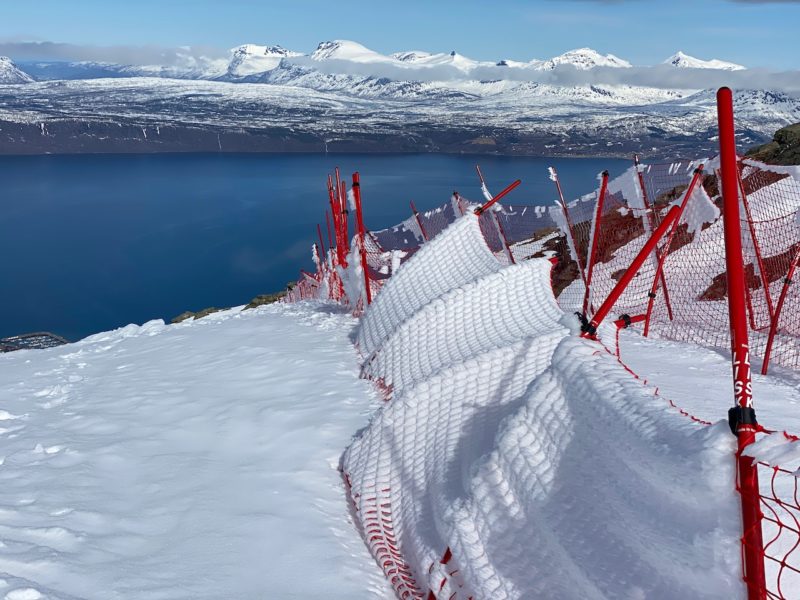
The scheduling of the World Cup Finals in Sun Valley reinforces the growing influence of North American venues in the sport’s premier events. The extensive renovations planned for Narvik in preparation for the 2029 World Championships also point towards a forward-looking approach to athlete development and event hosting.
As the 2026-2027 season unfolds, it promises to be a captivating chapter in the history of alpine skiing, showcasing the peak of human athletic achievement against some of the world’s most breathtaking natural backdrops. The combined allure of the World Cup circuit and the prestige of the World Championships in Crans-Montana sets the stage for a truly memorable year in snow sports.

