
The 30th annual United Nations Climate Change Conference, known as COP30, concluded its proceedings in Belém, Brazil, leaving a complex legacy of incremental progress overshadowed by significant diplomatic omissions. Held from November 11 to November 28, the summit drew approximately 60,000 participants to the "gateway of the Amazon," a location chosen specifically to highlight the critical role of tropical rainforests in global carbon sequestration and the preservation of biodiversity. Despite the high stakes and the symbolic venue, the conference ended with a final negotiated text that notably lacked the term "fossil fuels," sparking intense debate regarding the efficacy of the UN framework in the face of influence from major oil-producing nations.
The Strategic Context of COP30 in the Amazon
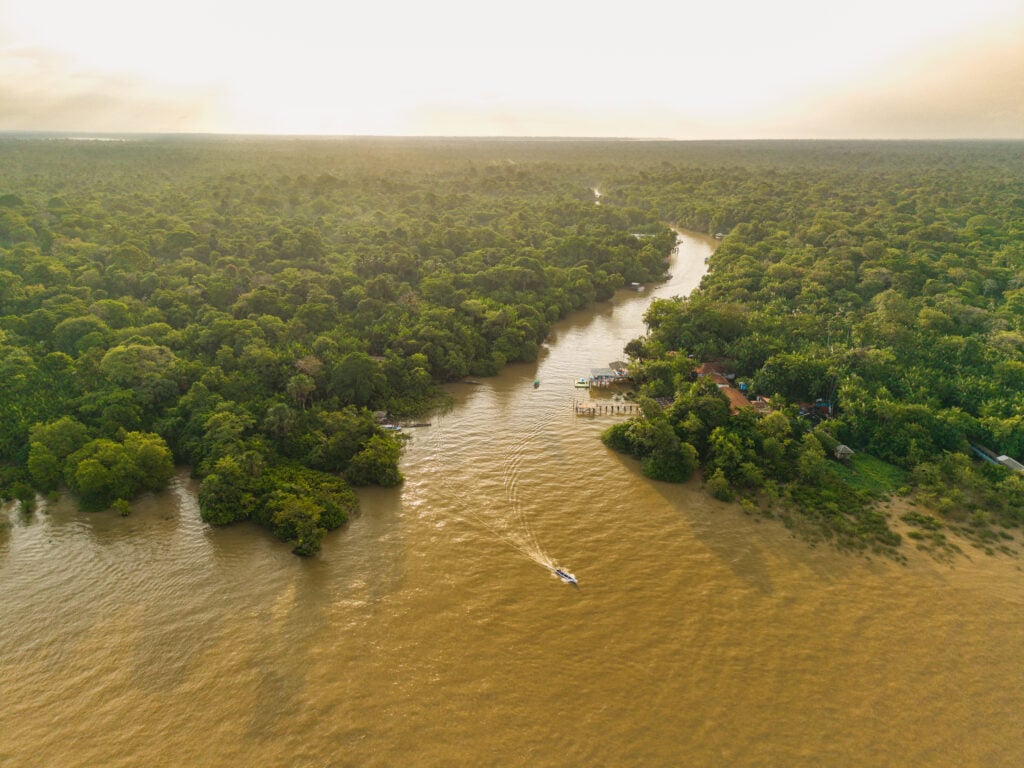
Belém, the capital of the Brazilian state of Pará, served as more than just a host city; it was a living laboratory for the climate crisis. As the first COP held in the heart of the Amazon, the summit was intended to pivot the global conversation toward nature-based solutions and the protection of Indigenous territories. The Amazon rainforest contains an estimated 150 to 200 billion tons of carbon; its degradation would not only release vast amounts of greenhouse gases but would also disrupt South American rainfall patterns and global weather systems.
The conference occurred against a backdrop of alarming scientific data. According to the United Nations Environment Programme (UNEP) 2024 Emissions Gap Report, the world currently faces a trajectory of 2.6°C to 3.1°C of warming by the end of the century unless drastic cuts are made. To maintain the 1.5°C goal established by the Paris Agreement, global emissions must be reduced by 42% by 2030 and 55% by 2035 relative to 2019 levels. COP30 was positioned as the final major opportunity for nations to align their Nationally Determined Contributions (NDCs) with these scientific requirements before the next major reporting cycle.
Chronology of the Summit: From Ambition to Negotiation
The two-week summit followed a standard but high-tension UN chronology. The first week was characterized by the arrival of subnational leaders, civil society organizations, and scientific delegations. During this phase, the "Blue Zone"—the secure area reserved for official negotiations and accredited observers—was a hub of activity. Various pavilions, including those from India, Portugal, and the United States Climate Alliance, showcased regional successes and technological innovations.
A significant development occurred early in the first week when California Governor Gavin Newsom arrived to represent the U.S. Climate Alliance. In the absence of an official federal delegation from the Trump administration, Newsom engaged in subnational diplomacy, signing methane reduction agreements with Colombia and electric vehicle (EV) expansion pacts with Nigeria. This signaled a shift in climate leadership, where state and local governments attempted to bridge the gap left by federal-level policy changes.
The second week saw the transition to high-level ministerial negotiations. This period was marked by increased civil society activity, including the People’s Climate Summit and a large-scale Climate March through the streets of Belém. Inside the negotiation rooms, however, the atmosphere grew increasingly fraught. Indigenous leaders and representatives from climate-vulnerable mountain communities pressed for "Loss and Damage" funding and a clear roadmap for the phase-out of fossil fuels.
The Geopolitical Void: The United States and the Petrostates
One of the most defining characteristics of COP30 was the lack of an official United States negotiating delegation. Under the Trump administration, the U.S. opted not to send formal representatives to broker the final agreements. Historically, the United States has played a central role in "shuttle diplomacy," working behind the scenes to find middle ground between the European Union, China, and the G77 bloc of developing nations.
In the absence of a federal presence, Senator Sheldon Whitehouse of Rhode Island remained the sole member of Congress in attendance. During his address to students and researchers, Whitehouse attributed the lack of progress to the influence of the fossil fuel industry, stating that the industry’s "freedom to pollute for free" prevents a clear pathway to climate safety. He characterized the partisan divide on climate in the U.S. as an "artificial state" manufactured by massive industry spending.

This power vacuum was filled, in part, by petrostates and fossil fuel interests. Industry data indicated that there were more than twice as many fossil fuel lobbyists in the Blue Zone as there were Indigenous delegates. This imbalance was reflected in the final hours of the conference. Despite a coalition of over 80 nations advocating for a commitment to transition away from fossil fuels, the final document omitted the term entirely, focusing instead on broader emissions reductions without naming the primary source of those emissions.
Indigenous Representation and the "Power Gap"
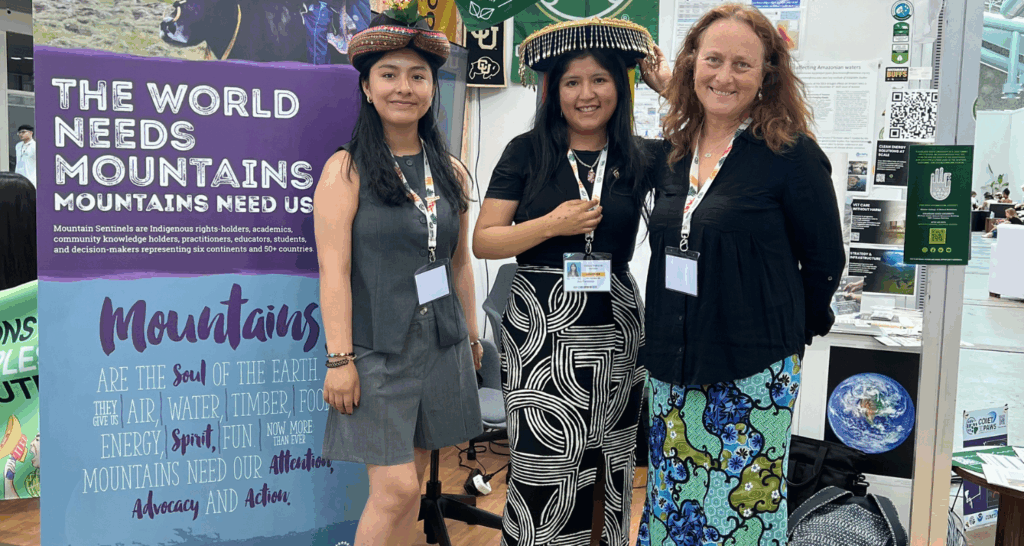
While COP30 saw a record 900 Indigenous delegates in the Blue Zone—a significant increase from the 300 present at COP29—representatives argued that their presence did not equate to actual power in the decision-making process. The Mountain Sentinels Alliance and the Instituto de Montaña, led by researchers like CSU Professor Julia Klein, highlighted the systemic barriers that remain.
Even with accreditation and funding, many Indigenous participants from the Global South faced insurmountable hurdles. For example, a delegate from Cameroon was unable to attend due to transit visa restrictions, and several Quechua-speaking delegates from the Andes found that many high-level events lacked translation services, remaining accessible only to English speakers. This "inequity in climate spaces" remains a primary criticism of the UNFCCC process.

Furthermore, the host nation, Brazil, faced scrutiny for its own domestic policies. Shortly before the conference began, the Brazilian government moved forward with new exploratory oil drilling projects, a move that environmental advocates characterized as a contradiction to the summit’s goals of forest preservation and climate leadership.
Key Outcomes and Incremental Successes
Despite the failure to secure a fossil fuel phase-out agreement, COP30 yielded several technical and financial advancements:
- Global Carbon Market (Article 6.4): After years of deadlock, negotiators made progress on the rules for a centralized carbon market under the UN. This framework is designed to allow countries to trade carbon credits, theoretically incentivizing emissions reductions through market mechanisms, though critics remain concerned about the potential for "greenwashing."
- The Mountain Agenda: A significant victory for climate-vulnerable regions was the formalization of a mountain-specific agenda within the UNFCCC process. This recognizes the unique challenges faced by mountain communities, such as glacial melt and the loss of "water towers" that provide fresh water to billions downstream.
- Forest Finance: New commitments were made toward forest conservation, including a roadmap for halting deforestation by 2030. These agreements were particularly relevant given the summit’s location and the urgent need to protect the Amazon basin.
- Climate Litigation Evolution: The presence of Saúl Luciano Lliuya, a Peruvian farmer involved in a landmark lawsuit against the energy giant RWE, highlighted the growing role of the judiciary in climate action. His case, which seeks to hold corporations legally responsible for their historical emissions, was presented as a blueprint for future climate accountability.
Analysis of Implications and Future Outlook
The outcomes of COP30 underscore a growing divergence between the scientific community and the diplomatic reality of the UN process. While the "Blue Zone" remains the epicenter of official negotiations, the real momentum for climate action appears to be shifting toward civil society, subnational governments, and the legal system.
The omission of "fossil fuels" from the final text is viewed by many analysts as a tactical victory for petrostates but a strategic failure for the UNFCCC’s credibility. As global temperatures continue to rise, the pressure on the next host nation, Australia (which is bidding for COP31 in partnership with Pacific Island nations), will be immense. The "Belém Accord" serves as a reminder that geographical symbolism cannot substitute for political will.
For the scientific community, including organizations like the POW Science Alliance and the Research and Independent Non-Governmental Organizations (RINGO) community, the takeaway from COP30 is one of urgent decentralization. The advice shared by negotiators with students in Belém—"We need everyone, everywhere, all at once"—reflects a realization that while global summits provide a necessary forum, the actual work of decarbonization must happen at the local, state, and corporate levels, independent of the gridlock in international negotiation rooms.
As the world looks toward the 2035 targets, the legacy of COP30 will likely be defined by whether the incremental wins in carbon markets and forest finance can offset the diplomatic stagnation regarding the core drivers of global warming. The "gateway to the Amazon" provided a clear view of what is at stake, but the world’s leaders proved once again that the path to a post-carbon future remains blocked by significant geopolitical and economic interests.

