
Navigating downhill on roll skis demands a precise blend of technique, courage, and unwavering balance. For enthusiasts of cross-country skiing, the transition to summer training with roll skis presents a unique set of challenges, particularly when tackling inclines. While the exhilaration of speed can be enticing, a fundamental understanding of downhill mechanics is paramount for ensuring both safety and effective skill development. This article delves into the core techniques that empower skiers to approach descents with confidence and control, drawing upon expert insights and the foundational principles of efficient downhill roll skiing.
The physics of downhill roll skiing are not dissimilar to those experienced on snow. Gravity becomes the primary driving force, and skiers must learn to manage this momentum through strategic body positioning and controlled movements. The sensation of increased speed can be disorienting, especially for those accustomed to the friction and feedback provided by snow. Roll skis, with their typically smaller and harder wheels, offer less inherent resistance, thus necessitating a more proactive approach to speed management.
Understanding the Fundamentals of Downhill Roll Skiing
At the heart of safe downhill roll skiing lies the mastery of the center of gravity. Shifting your weight appropriately allows you to influence the skis’ trajectory and maintain stability. A common pitfall for novice skiers is a tendency to lean backward, a reaction that can lead to instability and loss of control. Instead, the recommended posture involves a forward lean, keeping the body’s center of mass over the skis. This allows for better absorption of uneven terrain and a more direct connection with the skis, facilitating quicker reactions to changing conditions.
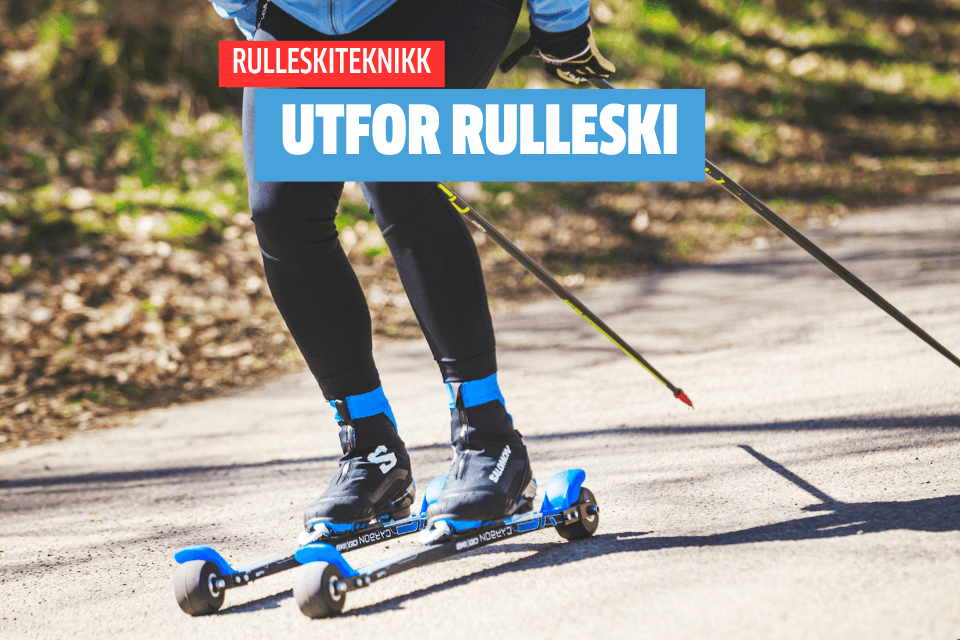
The article’s accompanying video, a segment of a larger series on classic roll ski technique, visually demonstrates these principles. It highlights the importance of maintaining a stable core and utilizing the entire body to absorb shocks and maintain balance. Key elements include:
- Body Positioning: A low, athletic stance is crucial. Knees and ankles should be flexed, acting as natural shock absorbers. The upper body should be relaxed but engaged, with arms held in a position that aids balance, typically extended slightly to the sides.
- Weight Distribution: Shifting weight subtly from one ski to the other is essential for steering. During descents, a more forward weight distribution helps to keep the ski tips engaged with the ground, providing better steering control.
- Pole Usage: While poles are not typically used for propulsion downhill, they can serve as critical balance aids. They should be held back and slightly to the sides, ready to be planted for stability if needed, but not actively used to push.
- Steering and Turning: Executing controlled turns is vital for managing speed and navigating the descent. This involves a combination of subtle weight shifts and edging the skis. The video likely illustrates techniques for initiating turns by slightly rotating the hips and shoulders, combined with a gentle pressure on the uphill ski.
The Role of Balance and Coordination
Balance on roll skis is a dynamic process. Unlike snow, where ski edges can bite into the surface for grip, roll ski wheels are designed for smooth rolling. This means that balance relies more heavily on the skier’s proprioception – the body’s awareness of its position in space – and their ability to make micro-adjustments. Practicing balance exercises off-ski, such as standing on one leg or using a balance board, can significantly enhance a skier’s ability to maintain equilibrium on roll skis.
Coordination plays an equally important role. The movements required for downhill skiing – steering, balancing, and absorbing terrain – must be executed in a fluid and integrated manner. This often involves a delayed reaction to stimuli, allowing the body to process the input and respond effectively. For instance, when encountering a bump, the instinct might be to react immediately. However, a more controlled response involves allowing the skis to move up and over the obstacle while maintaining a stable body position.
Contextualizing Roll Skiing as Training
Roll skiing has become an indispensable component of off-season training for cross-country skiers worldwide. It provides a low-impact, high-intensity alternative to on-snow training, allowing athletes to maintain and improve their cardiovascular fitness, muscular endurance, and technical skills during months when snow is unavailable. The development of specialized roll skis, designed to mimic the feel and dynamics of snow skis, has further enhanced their utility as a training tool.
The integration of roll skiing into training regimens dates back several decades, with continuous advancements in equipment and technique. The evolution from rudimentary roller skis to sophisticated models with adjustable resistance and different wheel types reflects the sport’s commitment to optimizing off-season preparation. The "Rulleskiguiden 2025" mentioned in the article signifies the ongoing effort to provide skiers with the latest information and equipment recommendations, underscoring the importance of this training modality.
Safety Considerations and Risk Management
The inherent risks associated with downhill roll skiing cannot be overstated. Unlike on snow, where falls might be cushioned by powder, falls on asphalt or other hard surfaces can result in serious injuries. Therefore, a strong emphasis on safety protocols is paramount.
- Protective Gear: The use of helmets is non-negotiable. Wrist guards, knee pads, and elbow pads are also highly recommended, particularly for less experienced skiers or when practicing on challenging terrain.
- Terrain Selection: Beginners should always start on gentle, well-maintained slopes with minimal traffic. As proficiency increases, gradually introduce more challenging terrain. Thoroughly scout any new downhill section before attempting it at speed.
- Awareness of Surroundings: Maintaining constant awareness of the trail and potential hazards – such as potholes, gravel, pedestrians, or other cyclists – is crucial.
- Speed Control: The most effective safety measure is proactive speed control. Skiers should always be able to stop or safely navigate any obstacle at their current speed. This means understanding one’s limits and choosing a speed that allows for a comfortable margin of error.
The video series, of which this downhill technique segment is a part, aims to equip skiers with the knowledge and skills to mitigate these risks. By understanding how to control their speed through body positioning and turning techniques, skiers can significantly reduce the likelihood of accidents.
Broader Implications for Skiers and the Sport
The ability to confidently and safely descend on roll skis has several implications for cross-country skiers. Firstly, it directly translates to improved performance on snow. A skier who can efficiently manage speed and maintain balance downhill on roll skis will likely exhibit greater control and confidence on snowy descents, allowing them to maintain momentum and potentially gain time on competitors.

Secondly, it fosters a more well-rounded and adaptable athlete. The skills learned on roll skis – balance, coordination, and proprioception – are transferable to other disciplines and can contribute to overall athletic development.
Furthermore, the accessibility of roll skiing as a training method democratizes high-level training. Athletes in regions with limited snow access can still engage in rigorous and effective training, contributing to the global growth and competitiveness of cross-country skiing. The availability of comprehensive video resources, like the one referenced, democratizes access to expert coaching and technical guidance, further leveling the playing field.
The SC Play Platform and Ongoing Skill Development
The mention of SC Play as a platform for accessing a comprehensive library of technique videos, encompassing both classic and freestyle disciplines, highlights the modern approach to sports training. Streaming services offer a convenient and accessible way for athletes to learn from expert coaches and analyze their technique. The inclusion of live broadcasts from major events like the Pro Tour and the extensive video archive provides a valuable resource for both aspiring and elite skiers. This integrated approach to content delivery underscores the commitment of organizations like Ski Classics to athlete development and fan engagement.
The fact that these roll skiing videos were first published in June 2023 indicates their recency and relevance to current training methodologies. The continuous updating of resources, such as the Rulleskiguiden, suggests a dynamic and evolving approach to the sport, ensuring that athletes have access to the most current and effective training strategies.
In conclusion, mastering downhill roll skiing is not merely about descending a slope; it is about cultivating a profound understanding of biomechanics, balance, and risk management. By diligently applying the fundamental techniques of body positioning, weight distribution, and controlled turning, skiers can transform potentially daunting descents into opportunities for skill enhancement and exhilarating training. The continuous development of resources and platforms dedicated to technique refinement, such as those offered by SC Play, ensures that cross-country skiers have the tools necessary to excel year-round, pushing the boundaries of their performance and their passion for the sport.

