
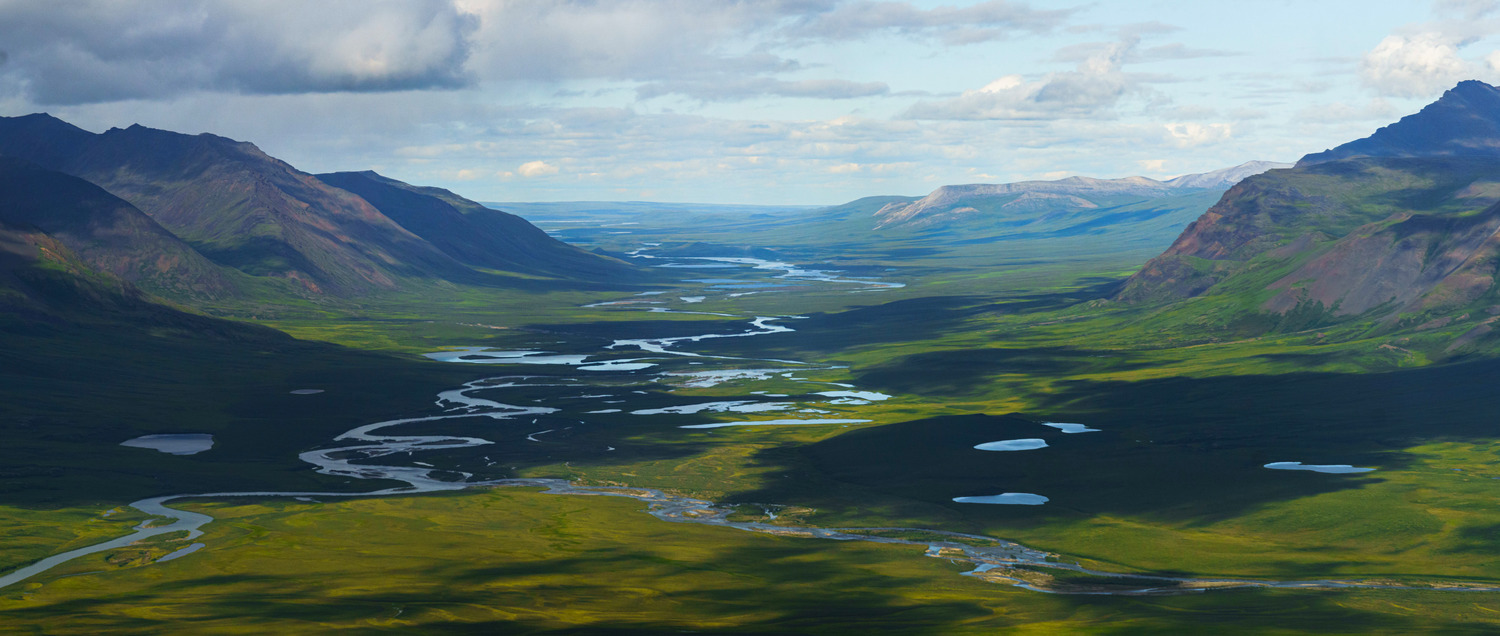
The federal government initiated the first of five mandated lease sales in the Western Arctic on March 18, marking a significant milestone in the century-long history of Alaska’s North Slope. This development targets the National Petroleum Reserve-Alaska (NPR-A), a 22.1-million-acre expanse of public land that represents the largest single block of federally managed territory in the United States. While the administrative name of the region suggests a singular purpose for energy extraction, the modern landscape of the NPR-A is the site of a complex intersection between energy security, economic necessity, and urgent environmental conservation. The recent leasing activity, which includes more than 5.5 million acres of the Western Arctic, has reignited a national debate over the management of Alaska’s natural resources and the future of the nation’s climate policy.
Historical Foundations: From Naval Reserve to Civilian Management
The origins of the NPR-A date back to 1923, when President Warren G. Harding signed an executive order establishing "Naval Petroleum Reserve No. 4." At the time, the United States Navy was in the midst of a critical technological transition, converting its fleet from coal-burning engines to oil-fueled propulsion. Geologists had identified significant oil seeps along the Arctic coast, leading the federal government to withdraw the land from all other uses to ensure a strategic stockpile for national defense.
The designation occurred during an era of transition for Alaska, which was still functioning largely as a resource-rich territory following the volatility of the gold rush. However, the early years of the reserve were marked by political controversy. Shortly after the designation, the Harding administration was embroiled in the Teapot Dome scandal, involving Interior Secretary Albert Bacon Fall, who accepted bribes to grant oil leases on Naval Petroleum Reserve No. 3 in Wyoming. Although the Alaska reserve remained largely undeveloped during this period, the precedent for political and corporate tension over these lands was firmly established.
In 1976, Congress passed the Naval Petroleum Reserves Production Act, which transferred management of the 22-million-acre tract from the U.S. Navy to the Department of the Interior. This legislation renamed the area the National Petroleum Reserve-Alaska. While the name was updated to reflect civilian oversight, the statutory mandate remained focused on energy. The Act directed the Secretary of the Interior to conduct an "expeditious program of competitive leasing," a phrase that modern administrations continue to cite as the legal basis for expanded drilling operations.
Ecological Significance of the Western Arctic
Despite its name, the NPR-A contains some of the most ecologically sensitive and intact ecosystems in the Western Hemisphere. Unlike the contiguous United States, where development has fragmented wild spaces into isolated pockets, the Arctic remains a contiguous landscape of mountains, valleys, and coastal plains.
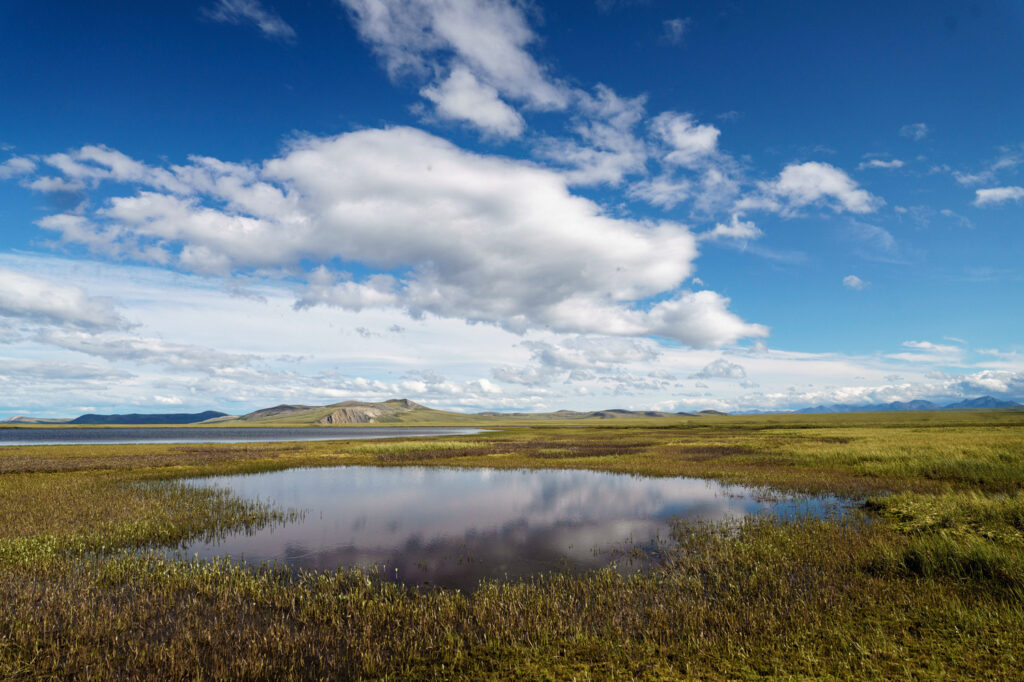
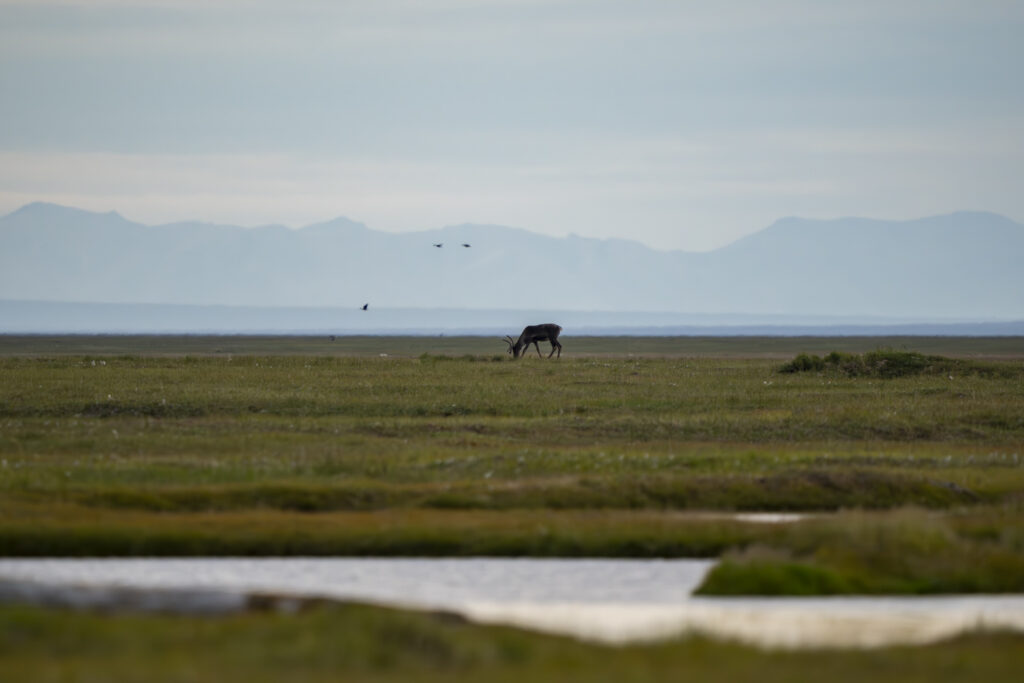
Central to the current environmental concern is the Teshekpuk Lake wetlands. For decades, this region was protected from development due to its status as a globally critical habitat. The lake and its surrounding tundra serve as the primary calving grounds for the Teshekpuk Lake caribou herd and provide essential molting habitat for hundreds of thousands of migratory waterfowl.
Current biological data suggests that the NPR-A supports an estimated 5.4 million aquatic birds each season, more than any other Arctic wetland system. These birds migrate from six different continents, linking the health of the Alaskan tundra to ecosystems across the globe. The opening of these wetlands to leasing marks a departure from decades of conservation-focused management, raising concerns among biologists regarding the long-term viability of these migratory routes and breeding grounds.
Energy Potential and Economic Realities
The push for development in the NPR-A is driven by the region’s vast energy potential. According to the U.S. Geological Survey (USGS), the Northern Alaska region may contain nearly half of all undiscovered, technically recoverable oil on federal lands in the United States. Specifically, the NPR-A is estimated to hold approximately 900 million barrels of conventional oil.
The most prominent current development is the Willow Oil Project, spearheaded by ConocoPhillips. Located within the northeastern portion of the NPR-A, the project is estimated to produce up to 750 million barrels of oil over its lifetime. Proponents of the project, including the State of Alaska and various labor unions, argue that it is essential for domestic energy security and the state’s fiscal health. Alaska’s state budget is heavily dependent on oil revenues, and with production at the older Prudhoe Bay fields declining from their peak, the development of the Western Arctic is seen by many as an economic necessity.
However, critics point to the high costs associated with Arctic extraction. The extreme environment requires specialized infrastructure, including ice roads and chilled pipelines, to prevent the thawing of permafrost. These requirements make Arctic oil among the most expensive fossil fuels to produce in the country. Analysts note that such projects often require significant public subsidies or favorable tax environments to remain competitive with cheaper domestic sources, such as shale oil from the Permian Basin.
Infrastructure and Connectivity: The Ambler Road and Dalton Highway
The recent lease sales are not occurring in isolation but are part of a broader push for industrial infrastructure across Northern Alaska. This includes the proposed 211-mile Ambler Access Project, a road that would cut through the Brooks Range to provide access to the Ambler Mining District. While primarily intended for mineral extraction—specifically copper and zinc—the road represents a significant expansion of the industrial footprint in a region currently served by only one major artery, the Dalton Highway.
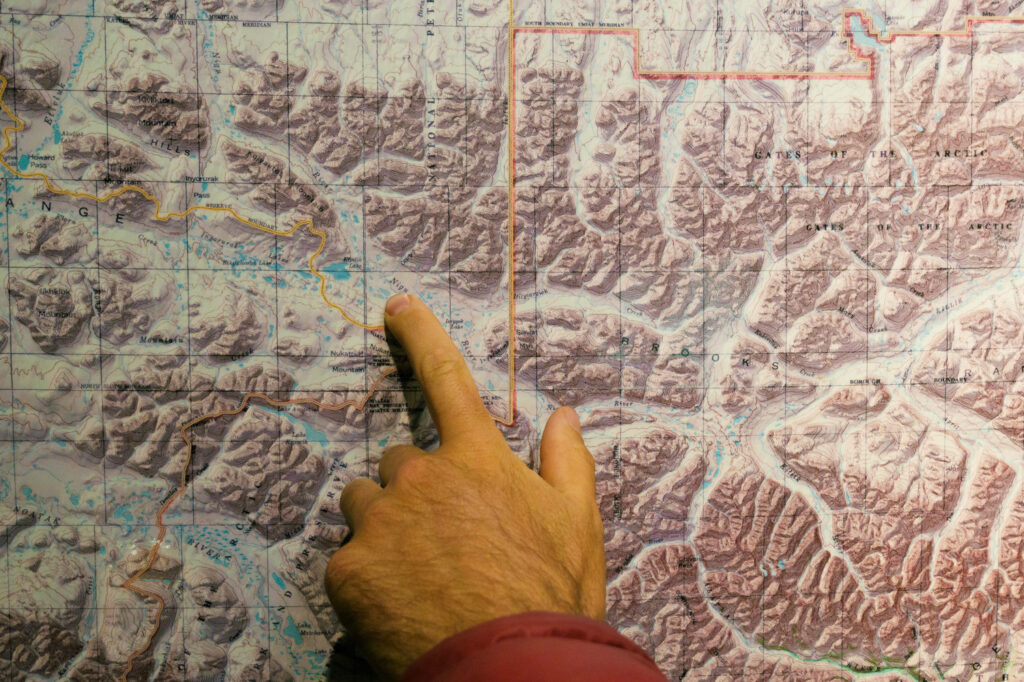
The Dalton Highway, which runs from Fairbanks to Prudhoe Bay, has historically been the sole corridor for industrial activity. The expansion of road networks into previously untrammeled areas like the Western Arctic is viewed by conservationists as a "tipping point" for the ecosystem. They argue that once the land is fragmented by roads and pipelines, its resilience to environmental stress is permanently compromised.
Climate Change and the Warming Arctic
The debate over the NPR-A is further complicated by the rapid pace of climate change in the region. Scientific observations confirm that the Arctic is warming three to five times faster than the global average. This warming has led to significant changes in the landscape, including the melting of permafrost, shifts in vegetation, and alterations to the migration patterns of caribou and birds.
The paradox of the NPR-A is that while it is a major source of the fossil fuels that contribute to global warming, it is also one of the regions most vulnerable to its effects. The federal government’s mandate to lease the land for oil production has been criticized by climate scientists who argue that the "carbon bomb" represented by untapped Arctic reserves is incompatible with international goals to limit global temperature rise.
Stakeholder Reactions and Policy Implications
The reaction to the March 18 lease sale and the broader development plan has been deeply polarized.
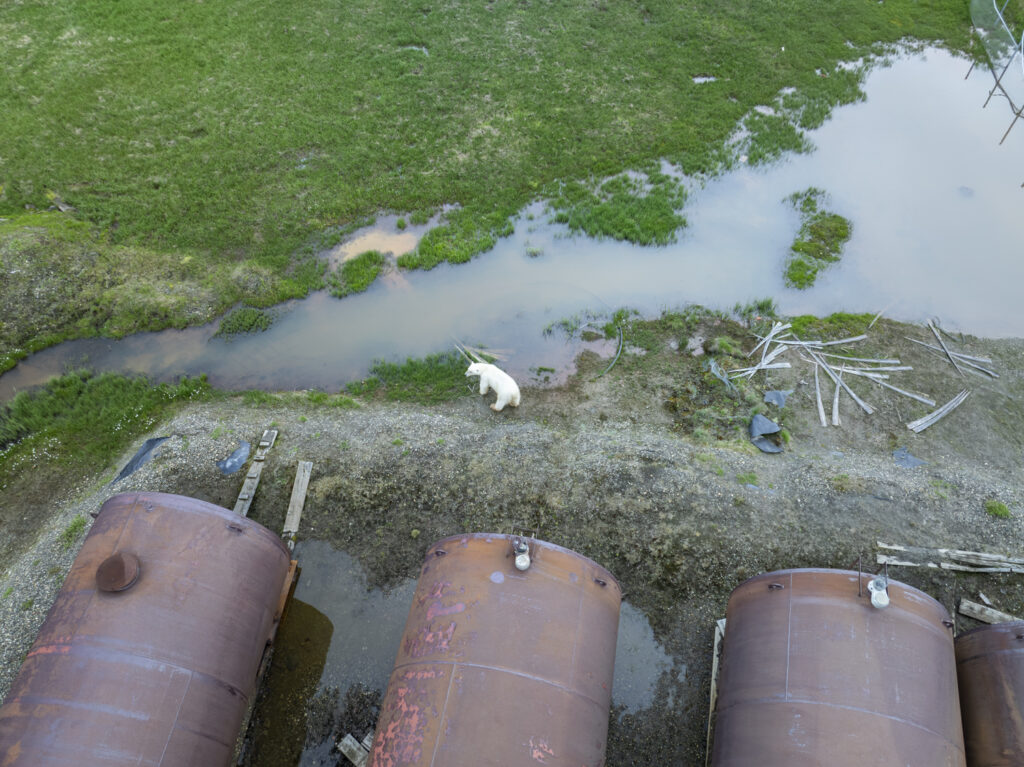
State and Federal Proponents: The State of Alaska, along with federal officials advocating for energy independence, maintains that the NPR-A was specifically designated for this purpose by Congress. They emphasize the job creation and revenue potential, asserting that modern technology allows for "responsible development" with a minimal surface footprint.
Environmental and Conservation Groups: Organizations such as Protect Our Winters and the Northern Alaska Environmental Center argue that the "Petroleum Reserve" label is an antiquated 20th-century construction that fails to account for 21st-century environmental realities. They advocate for a transition toward renewable energy and the permanent protection of "Special Areas" within the reserve, such as the Teshekpuk Lake and the Utukok River Uplands.
Indigenous Perspectives: The response from Alaska Native communities is nuanced and varies by region. Some North Slope communities benefit significantly from the tax revenue and jobs provided by the oil industry, which fund essential services like schools and healthcare. Others, particularly those reliant on subsistence hunting, express concern that increased industrial activity and noise will disrupt the caribou migrations that have sustained their cultures for millennia.
Broader Impact and Future Outlook
The current legal framework mandates a total of five lease sales in the NPR-A over the next decade. This schedule creates a long-term trajectory for development that may span multiple presidential administrations. However, the financial viability of these projects often depends on a 30-year capital horizon.
Economic analysts suggest that the future of the Western Arctic may ultimately be decided by the private sector’s appetite for risk. The combination of high extraction costs, potential legal challenges, and a global shift toward decarbonization has made some major financial institutions hesitant to fund new Arctic projects.
The federal government’s decision to move forward with leasing in the Western Arctic represents a pivotal moment in American land management. It forces a reconciliation between a century-old strategic mandate and the modern imperative to address climate change and biodiversity loss. As the legal machinery of the lease sales continues, the NPR-A remains a primary battleground for the soul of American energy policy, illustrating the tension between the country’s industrial past and its ecological future. The "sticky name" given to the region in 1923 continues to dictate policy, but the environmental and economic landscape of 2024 demands a more complex evaluation of what it means to manage the nation’s last "whole place."

