
Whitelines Snowboarding Magazine, a bastion of snowboarding culture for three decades, celebrates its 30th anniversary this year, marking a remarkable journey from a "debaucherously British fanzine" to a global digital media powerhouse. Born in 1995 amidst the nascent, rebellious energy of 1990s snowboarding, the publication carved out a unique niche through its irreverent humor, authentic voice, and deep-seated connection to the sport’s core ethos. Its evolution reflects not only the dramatic shifts within the snowboarding industry but also the broader, turbulent landscape of print and digital media.
The Genesis: From Primordial Ooze to Print Powerhouse
The mid-1990s represented a pivotal era for snowboarding. Having transitioned from a fringe activity to a burgeoning extreme sport, it was attracting a new generation eager for media that mirrored its counter-cultural spirit. In 1995, as snowboarding began its ascent towards mainstream recognition—eventually encompassing energy-drink sponsorships, Olympic inclusion, and multi-million dollar endorsements—two former staffers from Snowboard World Magazine, Jim Peskett and Tudor "Chod" Thomas, envisioned a different kind of publication. They aimed to create a magazine that, in the words of former editor Chris Moran, "put a mirror up to the burgeoning 1990s snowboard scene, but accidentally turn it on themselves instead." This self-deprecating yet acutely observant philosophy would become the bedrock of Whitelines.
Operating from a modest office in Oxfordshire, their initial approach was anything but conventional. Lacking significant capital, sophisticated infrastructure, or even a strict adherence to journalistic norms, Whitelines embraced its limitations, transforming them into strengths. "I think the fact that we had no budget, no real understanding of how to make a magazine, and no idea of things like spelling, storytelling or basic decency. Those concepts definitely worked really well in our favour," Moran recalled, painting a vivid picture of the early days. Before the widespread adoption of email, articles were often dictated over prepaid phone cards from remote locations, typed out by a company secretary, leading to endearing typographical errors that inadvertently became part of the magazine’s charm. This raw, unfiltered approach allowed Whitelines to stay intrinsically connected to the grassroots snowboarding community, reporting from within rather than observing from a distance. The lack of immediate reader feedback mechanisms, pre-social media, also fostered an environment of unbridled creative freedom. "Who knew what others thought of what we did? I mean, face-to-face feedback was always good, and as long as we annoyed our publisher Jim, we just thought things were going well!" Moran added, underscoring the internal compass that guided their early editorial decisions.
A Tapestry of Anarchy: Embodying Snowboarding’s Spirit
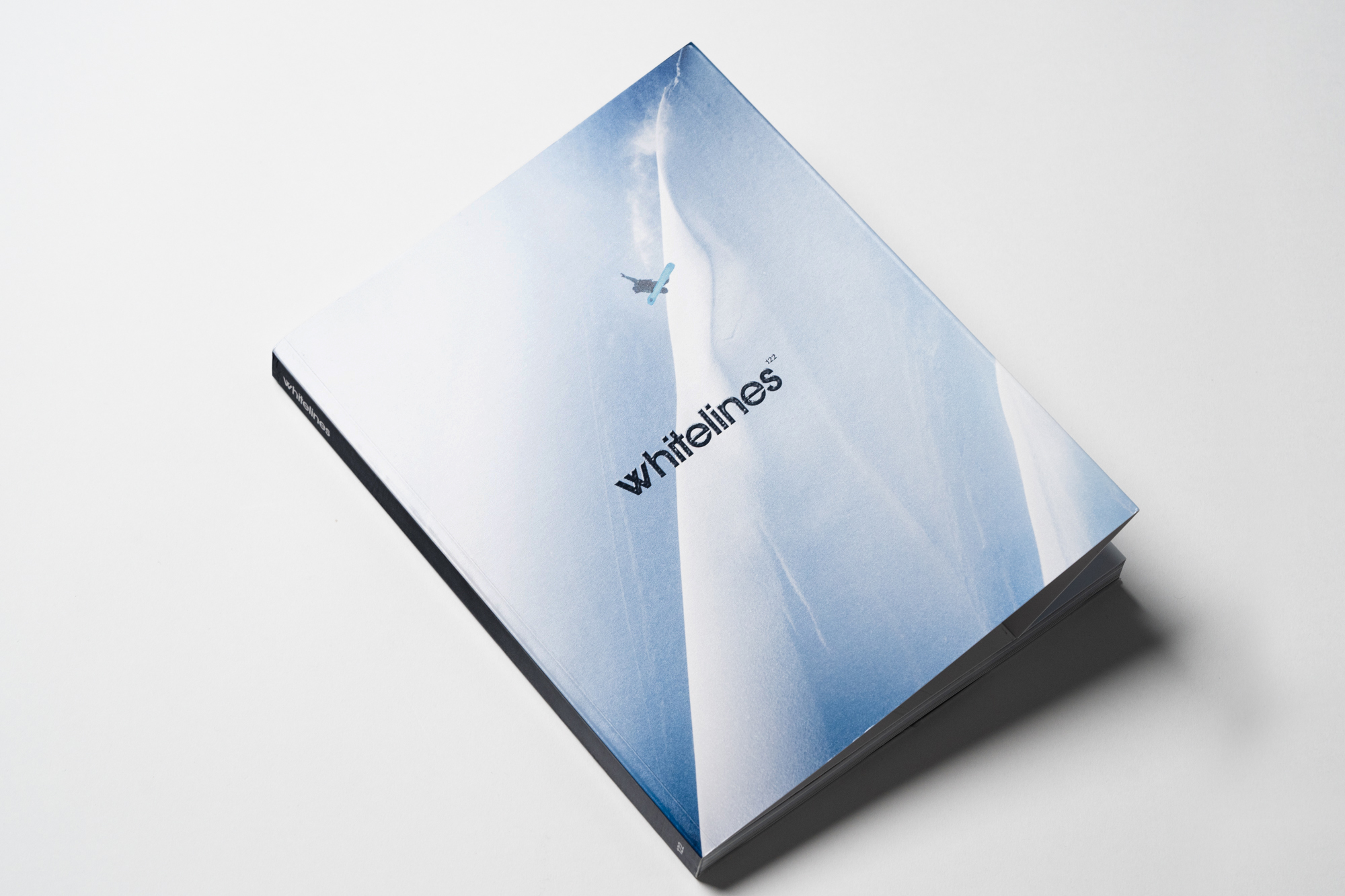
Whitelines quickly distinguished itself in a crowded market of snowboarding magazines by embodying the sport’s decidedly unserious and rebellious nature. While competitors might have focused on polished imagery and technical prowess, Whitelines celebrated the chaotic, the quirky, and the outright absurd. This identity was famously encapsulated in its often-prankish spine titles, conceived by designer-in-chief Chod Thomas. Issues might bear titles like "Dwarf Throwing Monthly," "Working With Endangered Animals Weekly," or "Neck Brace Monthly: The Skyscraper Issue," playful subversions that delighted readers and baffled general newsagents. These artistic liberties were not merely superficial; they were a direct reflection of the magazine’s ethos, signalling to its audience that Whitelines understood and shared their anti-establishment sensibilities.
The magazine’s commitment to "chaos" extended beyond its masthead. Legendary anecdotes from staff trips, often blurring the lines between reporting and hedonistic adventure, became part of the Whitelines lore. One such tale recounted a hotel stay in Austria, where an accordion was stolen and later used in a tug-of-war in a guest room, alongside the infamous shaving of a taxidermied marmot, leaving it with a "mad Lemmy-style goatee." These escapades, while perhaps testing the limits of professional conduct, solidified Whitelines’ reputation as the "naughty kids at school," a publication unafraid to challenge norms and generate genuine, unscripted content. This authenticity resonated deeply with a readership that valued real experiences over manufactured glamour.
Furthermore, the magazine’s interaction with its readers often mirrored its playful defiance. Chris Moran recounted instances where competition entry addresses were deliberately outlandish, such as "the crack in the arse cheeks of Jim Peskett, 1 Stert Street, Abingdon." This practice, while generating a flurry of complaints from the UK postal service and exasperated pleas from publisher Jim Peskett, cultivated a unique, almost conspiratorial bond with its audience. Even a letter from a concerned mother banning her son from reading the magazine was celebrated as "letter of the month," with the son receiving a lifetime subscription, reinforcing Whitelines’ commitment to its community, even in defiance of authority. This direct, often mischievous, engagement cultivated a loyal readership that saw Whitelines not just as a magazine, but as an extension of their own subculture.
The Digital Revolution: Pivoting to Modernity
The mid-2010s ushered in a seismic shift in media consumption, presenting an existential challenge to traditional print publications. As digital platforms gained ascendancy, convenience and instant gratification became paramount for audiences. Snowboard magazines, once staples on newsstands, found their shelf space diminishing, mirroring a broader industry trend where print circulation plummeted while online engagement soared. Industry data from the period indicates a sharp decline in magazine sales, with many niche publications struggling to adapt to the accelerating pace of digital content creation and distribution.

Whitelines, like many of its contemporaries, faced this digital reckoning. In 2015, after two decades and 120 issues, the decision was made to cease print production. The final issue, WL120, marked the end of an era, but also the beginning of a strategic pivot. The announcement, appropriately made online, included a candid statement from then-editor Ed Blomfield: "Factory Media’s proposal to sacrifice print frees up the editorial staff to channel all that passion and energy into their websites, including this one. As a team, we’re obviously gutted to see the end of a paper publication into which we poured heart and soul over two decades. But with the good ship WL celebrating its 20th anniversary this year, we’re also excited to see where – with a renewed focus and a healthy budget – we can take it next."
This transition was not merely a surrender to technological inevitability; it was a strategic reorientation. The resources previously dedicated to print production were reallocated to enhance the digital experience. Whitelines intensified its focus on a slicker website, more unique video content, in-depth gear reviews (building on the success of its "Whitelines 100" product guides), how-to articles, and extensive travel features. The shift allowed the editorial team to deliver content with greater immediacy and interactivity, catering to a global audience that now expected 24/7 access to their snowboarding fix. This digital evolution transformed Whitelines from a primarily UK-focused publication into a truly worldwide favourite, expanding its reach exponentially. The editorial team, no longer stretched across print and digital demands, could dedicate full energy to cultivating a robust online presence, leveraging the dynamic capabilities of the internet to present snowboarding culture in new and engaging ways.
The Comeback Kid: Resilience and Reinvention
The media industry is notoriously fickle, with publications often falling victim to economic downturns or shifts in consumer preferences. Whitelines, however, proved to be remarkably resilient. Despite facing numerous challenges and being "read its last rites more than once," the magazine, likened to "the cockroach that refuses to die" or "chewing gum stuck to the sole of snowboarding’s gaffa-taped boot," continually defied expectations. This enduring spirit, often operating on a "shoestring and a dream," was attributed to the unwavering passion of its staff. "No one had any money, least of all our publisher, but we begged, borrowed and stole enough to get all 120-odd editions out! And we eBayed pretty much every bit of product that anyone ever sent in. Honestly, it kept us all afloat. Sketchy as fuck, eh?" a former staffer candidly admitted, illustrating the extraordinary measures taken to sustain the publication.
In a surprising turn, Whitelines briefly returned to print in 2019 with "The Whitelines Annual." This limited-run format, under the renewed leadership of Ed Blomfield, delivered three premium-quality magazines, totaling over 600 pages of exclusive interviews, stunning photography, and compelling written content. This brief foray into print served as a nostalgic nod to its heritage while showcasing the enduring artistic value that print media can offer. However, by 2026, Whitelines had once again fully embraced its digital identity.

30 Years Later: A Digital Vanguard
Today, as it celebrates its 30th anniversary, Whitelines operates as a purely digital entity, strategically curating and cultivating a global team of dedicated snowboarders across three continents. This crack team is tasked with rigorously testing the latest innovations for premium gear reviews, conducting in-depth interviews that "lift the curtain" on the industry, providing relevant "culture hits" through daily coverage, and offering boots-on-the-ground event reporting that captures the sport’s beating heart.
The current digital footprint of Whitelines underscores the success of its transformation. This season alone, the website attracted 2 million unique visitors, while its social media channels boast over 750,000 followers. The publication’s content is also increasingly integrated into AI snippets and other emerging digital interfaces, showcasing its widespread influence. This reach dwarfs the 20,000 copies of a typical print run, demonstrating the undeniable power of digital distribution in the contemporary media landscape.
Despite the massive increase in content volume and exponential growth in audience, Whitelines remains committed to its foundational tenet: every piece of content must be engaging, informative, or amusing—ideally all three simultaneously. While the team admits to occasionally "waxing poetic about the joys of print" and sketching out "hasty business models on the back of napkins" after a few pints, their focus remains firmly on the digital frontier. The journey of Whitelines Magazine over three decades is a compelling narrative of adaptation, resilience, and unwavering dedication to a sport and its culture. From its chaotic print beginnings to its sophisticated digital present, Whitelines has consistently demonstrated that authenticity, passion, and a healthy dose of irreverence are timeless ingredients for success in an ever-evolving media world. And, as they confirm with a characteristic wink, "we can confirm we have received no mail addressed to the crack in the arse cheeks of anyone. Yet."

