
The Northwest Avalanche Center (NWAC) is a vital organization dedicated to public safety in the mountainous regions of Washington and northern Oregon. Through its tireless efforts in avalanche forecasting, education, and community engagement, NWAC plays a critical role in mitigating risks for backcountry enthusiasts, winter recreationists, and the communities that depend on these environments. Recently, a deeper look into the organization’s operations and its impact has been provided by its Development and Communications Manager, who has transitioned into a more strategic role within the non-profit team. This individual’s journey to NWAC, their multifaceted responsibilities, and their vision for the future offer valuable insights into the dedication and innovation driving avalanche safety in the Pacific Northwest.
A Calling to Serve the Winter Backcountry Community
The initial draw to NWAC for the Development and Communications Manager stemmed from a dual motivation: a profound desire to become more deeply integrated into the winter backcountry community and a strong drive for mission-driven work. This convergence of personal passion and professional purpose led to their first role at the organization. Reflecting on this, the manager expressed a sense of good fortune in finding a position that allows for the application of diverse skills, fosters immersion within a community of like-minded individuals, and provides an outlet for creative expression. The experience has been transformative, marked by significant learning and the formation of valuable connections with numerous dedicated professionals. Being part of a team comprised of talented creatives, educators, innovators, and avalanche specialists has been a source of gratitude.
Evolving Role: From Coordinator to Strategic Manager
The manager’s role at NWAC has recently undergone a significant evolution, transitioning from Membership & Communications Coordinator to Development & Communications Manager. While the core area of focus remains consistent, this shift signifies a move towards a more strategic approach to the organization’s outreach and sustainability. The day-to-day responsibilities are inherently dynamic, heavily influenced by the seasonal nature of NWAC’s operations. A typical week can encompass a wide spectrum of tasks. These include the creation of engaging content for social media platforms and email newsletters, capturing compelling photographs and videos of forecasters conducting crucial field observations, managing the logistics of shipping membership gear, meticulously maintaining and optimizing the organization’s Salesforce Customer Relationship Management (CRM) database, and orchestrating the planning and execution of NWAC events. This comprehensive involvement underscores the interconnectedness of communication, membership engagement, and financial sustainability in supporting NWAC’s core mission.
Championing NWAC’s Voice and Mission
Over the past two seasons, the manager has taken particular pride in their contributions to shaping NWAC’s voice and communications strategy. This work has involved the creation of visual and narrative content designed to effectively convey NWAC’s mission and the critical importance of avalanche safety. The development of impactful images and videos has played a direct role in the success of fundraising campaigns and NWAC events, yielding tangible results that resonate deeply with the team. The ability to tell stories in a way that aligns with and amplifies NWAC’s objectives has been both enjoyable and rewarding. Looking ahead, the manager expressed enthusiasm for assuming a more strategic leadership position in NWAC’s communications efforts for the upcoming season, aiming to further enhance the organization’s reach and impact.

Exploring the Rugged Beauty of NWAC Zones
While still exploring the vast and varied landscapes covered by NWAC’s forecast zones, the manager has gained valuable firsthand experience across several key areas. These include the renowned Washington Pass, the popular Crystal backcountry, and the iconic Mount Hood region. The manager’s personal connection to the North Cascades, forged during their time living in the Methow Valley upon their arrival in Washington, remains a significant part of their identity. More recently, the East Central zone has captured their attention, particularly after relocating to Roslyn. This past winter, they had the opportunity to participate in a hut-based AIARE 2 (American Institute for Avalanche Research and Education) course at the Fortune Peak huts in the Teanaway, further deepening their appreciation for the region’s backcountry offerings.
Empowering Backcountry Users: A Message of Personal Agency
A core message the manager wishes to impart to all backcountry users is the principle of personal agency in how one chooses to engage with the wilderness. Whether individuals are seeking a tranquil outing, enjoying high-speed descents on a sled, or pursuing challenging alpine lines, the ultimate decision on their preferred style of recreation rests with them. This emphasis on individual choice underscores a philosophy of inclusive backcountry use, recognizing that diverse motivations and skill levels can coexist within these shared environments.
Anticipating Growth and Enhanced Capacity
The future of NWAC and the broader field of avalanche safety is a source of considerable excitement for the manager. A key driver of this optimism is the recent evolution and expansion of the non-profit team. The addition of a new team member is anticipated to significantly bolster the non-profit’s capacity to support NWAC’s essential forecasting work and to deepen engagement with the community. The manager looks forward to witnessing the collective achievements of a larger, more experienced team – including the established synergy with fellow long-term staff members Devon and Liz, who have collaborated for two seasons – and the dynamic potential that a continually evolving team structure brings. This strategic growth is seen as crucial for enhancing NWAC’s ability to serve its mission effectively.
A Memorable Field Day: The Reality of Forecasting
One particularly memorable day on snow from the past season provided a vivid, albeit challenging, glimpse into the realities of avalanche forecasting. The manager accompanied forecaster Payton on a field day in Icicle Creek, an excursion that quickly transformed into an unexpected adventure. The majority of the day was spent hiking with skis strapped to their backs, navigating terrain characterized by abundant dirt, wind-scoured surfaces, and dense tree cover. A particularly humorous video captured Payton’s determined efforts to traverse obstacles, remarking, "This is what we get paid for!" This anecdote serves as a powerful reminder of the hard work, dedication, and often strenuous conditions that avalanche forecasters endure to produce the vital forecasts that keep the public safe. It highlights the physical and mental fortitude required to gather essential data from challenging environments.
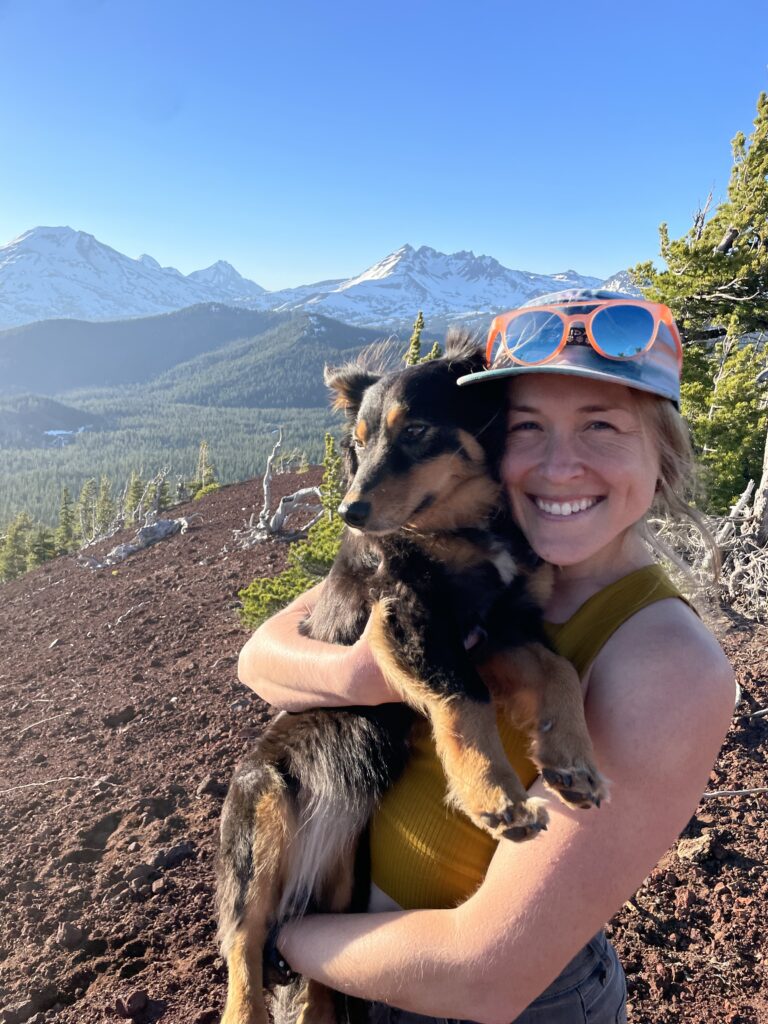
The Evolving Landscape of Avalanche Safety and NWAC’s Role
The operations of the Northwest Avalanche Center (NWAC) are critically important for public safety in one of the nation’s most popular winter recreation regions. The Pacific Northwest, with its vast mountain ranges like the Cascades and the Olympics, receives significant snowfall, creating conditions ripe for avalanches. NWAC’s mission is to provide timely and accurate avalanche forecasts, warnings, and educational resources to help mitigate the inherent risks associated with these environments.
Historical Context and NWAC’s Founding
The need for organized avalanche forecasting in the Pacific Northwest became apparent in the mid-20th century as winter recreation grew in popularity. Following several high-profile avalanche fatalities, including a tragic incident in 1967 that claimed the lives of five skiers on Mount Rainier, the impetus for a dedicated forecasting center gained momentum. NWAC was officially established in 1975, initially as a joint project of the University of Washington’s Department of Atmospheric Sciences and the U.S. Forest Service. Its primary objective was to provide daily avalanche forecasts during the winter season to inform the public about potential hazards.
Over the decades, NWAC has evolved significantly. It transitioned from a university-affiliated project to an independent non-profit organization, allowing for greater flexibility and a broader base of support. This shift also facilitated a more direct engagement with the community it serves. The organization’s forecasting methodology has also advanced, incorporating increasingly sophisticated data collection, analysis techniques, and technological tools.
The Criticality of Field Observations and Data Collection
The anecdote shared by the Development and Communications Manager about the challenging field day in Icicle Creek underscores a fundamental aspect of NWAC’s work: ground-truth data collection. Avalanche forecasters are not simply analyzing weather patterns from afar. They are actively venturing into avalanche-prone terrain, often under difficult conditions, to observe snowpack structure, temperature gradients, and signs of instability. This hands-on approach is crucial for validating and refining the forecasts generated through more generalized models.
Data Highlights and Trends in Avalanche Activity
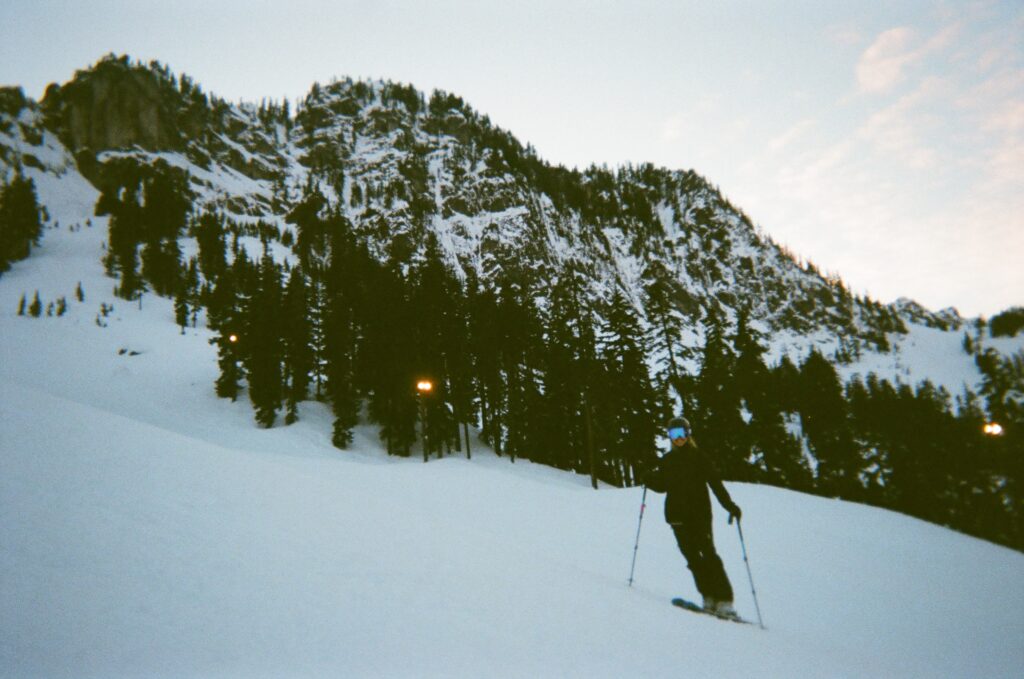
While specific data points for past seasons are not detailed in the provided content, general trends in avalanche activity in the Pacific Northwest are well-documented. The region consistently experiences a significant number of avalanche incidents, ranging from small, relatively harmless slides to large, destructive events capable of burying entire slopes. According to historical data from NWAC and other avalanche centers, human-triggered avalanches remain the most common type, emphasizing the critical role of education and informed decision-making. The frequency and severity of avalanches are influenced by a complex interplay of factors, including snowfall amounts, temperature fluctuations, wind patterns, and the existing snowpack structure. Climate change is also emerging as a factor, with potential implications for snowpack stability and the duration of the avalanche season. NWAC’s ongoing efforts to monitor these trends are vital for adapting its forecasting and educational strategies.
The Importance of AIARE Education
The mention of an AIARE 2 course highlights the significance of formal avalanche education. AIARE is a leading provider of avalanche safety training in North America. The AIARE 1 course introduces fundamental concepts of avalanche hazard recognition and avoidance, while the AIARE 2 delves into more advanced topics such as snowpack analysis, decision-making in complex terrain, and avalanche rescue techniques. The manager’s participation in an AIARE 2 course demonstrates a commitment to deepening their understanding of avalanche science, which in turn can inform their role in communicating NWAC’s mission and safety messages. The continued emphasis on AIARE and similar educational programs is a cornerstone of NWAC’s strategy to empower backcountry users with the knowledge and skills necessary to make safe decisions.
Community Engagement and Fundraising: The Backbone of Support
The evolution of the manager’s role from Membership & Communications Coordinator to Development & Communications Manager reflects the increasing importance of fundraising and donor relations in supporting NWAC’s operations. Non-profit organizations like NWAC rely heavily on a diverse funding base, which can include individual donations, grants from foundations and government agencies, corporate sponsorships, and membership dues. Effective communication is paramount in cultivating these relationships. By sharing compelling stories, highlighting the impact of their work, and demonstrating transparency, NWAC can inspire continued support from its community. The manager’s role in creating content that drives fundraising campaigns and promotes events is therefore directly tied to the organization’s ability to sustain its forecasting services and expand its educational outreach.
Broader Implications for Winter Recreation and Public Safety
The work of NWAC extends far beyond simply issuing daily forecasts. It plays a crucial role in fostering a culture of safety and responsibility within the winter backcountry community. By providing accessible information and promoting education, NWAC contributes to a reduction in avalanche-related fatalities and injuries. This, in turn, allows more people to safely enjoy the unique beauty and recreational opportunities offered by the Pacific Northwest’s mountainous regions.
The strategic growth of NWAC’s non-profit team, as anticipated by the manager, signifies a commitment to enhancing its operational capacity and outreach. This includes not only the core forecasting mission but also the vital work of public education, research, and community engagement. As the challenges of winter recreation continue to evolve, with increasing numbers of people venturing into the backcountry and the potential impacts of climate change, organizations like NWAC are more critical than ever. Their dedication to safety, innovation, and community service ensures that the winter wonderland of the Pacific Northwest can be experienced responsibly and with a reduced risk of tragedy. The ongoing efforts of individuals like NWAC’s Development and Communications Manager are instrumental in maintaining and advancing this vital public safety mission.

