
Mammoth Mountain has officially announced an extension of its 2025-2026 ski and snowboard season, confirming that lifts will continue to spin through at least May 31, 2026. This decision comes on the heels of a robust spring weather pattern that delivered significant late-season snowfall to the Sierra Nevada, contrasting sharply with the conditions observed in the Rocky Mountains. While California’s premier high-altitude resort prepares for several more weeks of winter sports, the ski season in Colorado has reached its definitive conclusion, with Arapahoe Basin (A-Basin) ceasing operations last weekend. The divergence in season longevity between these two major North American ski hubs highlights the localized nature of snowpack accumulation and the operational strategies employed by resorts to manage the transition from winter to summer activities.
Operational Adjustments and Late-Season Logistics at Mammoth
The extension at Mammoth Mountain is supported by deep coverage on the upper mountain, where the resort’s high base elevation—starting at 7,953 feet and reaching 11,053 feet at the summit—provides a natural advantage for snow preservation. Resort officials noted via social media that the decision to remain open was fueled by both the quality of the remaining snowpack and the enthusiasm of the pass-holder community. To accommodate the warming temperatures typical of late May, the resort will implement a modified operational schedule designed to offer the best possible surface conditions.
Starting May 26, 2026, Mammoth will transition to its "spring hours" format. The Broadway Express (Chair 1), Face Lift Express (Chair 3), and the high-alpine Chair 23 will operate daily from 7:30 a.m. to 1:00 p.m. This early-start, early-close schedule is a standard industry practice during the spring months, allowing skiers and riders to utilize the "corn snow" produced by the overnight freeze-thaw cycle before the afternoon sun softens the slopes into heavy slush.
The Main Lodge will serve as the primary hub for all guest services during this period. Visitors will have access to food and beverage outlets, equipment rentals, repair shops, and professional lessons. By consolidating operations to the Main Lodge and the upper-mountain lifts, the resort maximizes efficiency while focusing on the terrain that historically holds snow the longest.
The Dual-Sport Transition: Skiing, Biking, and Golf
A unique aspect of Mammoth’s late-season strategy is the overlap of winter and summer recreation. On May 22, 2026, the resort is scheduled to open its renowned bike park and golf courses. This creates a rare "multi-sport" window where visitors can conceivably ski in the morning and mountain bike or play a round of golf in the afternoon. This phenomenon, often referred to as the "California Double," is a significant marketing draw for the Mammoth Lakes region, attracting outdoor enthusiasts who wish to experience two distinct seasons in a single day.
The opening of the bike park requires intensive labor from the resort’s trail crews, who must clear snow from lower-elevation trails while simultaneously maintaining the ski runs above. This logistical feat is made possible by the resort’s topographical layout, where the lower-elevation terrain near the Village and Canyon Lodge thaws out weeks or even months before the summit.
Colorado Operations Conclude Amidst Challenging Snow Totals
While the mood in California remains celebratory, the Colorado ski industry has transitioned into its maintenance and summer preparation phase. Arapahoe Basin, frequently the first resort to open and the last to close in the United States, officially wound up its proceedings last weekend. Historically known for staying open into June or even July, A-Basin’s mid-May closure serves as a bookend to a winter that was characterized by below-average snowfall across much of the state.
The 2025-2026 season in Colorado faced several meteorological hurdles. Early-season storms were inconsistent, and several warm dry spells in February and March hindered the development of a resilient base. Although late-season bursts of snow provided temporary relief, they were insufficient to offset the overall deficit. As the final resort in Colorado to close, A-Basin’s departure marks the official end of the 2025-2026 ski season for the Southern Rockies, leaving Mammoth Mountain as one of the few remaining options for lift-served skiing in the lower 48 states.
Comparative Snowpack Analysis and Climate Factors
The disparity between Mammoth and the Colorado resorts can be traced to the specific storm tracks that defined the 2025-2026 winter. California benefited from a series of atmospheric rivers—long, narrow regions in the atmosphere that transport water vapor from the tropics. When these systems collide with the Sierra Nevada, they can deposit several feet of snow in a single 24-hour period. Even in years where the total number of storms is lower, the sheer volume of moisture in these systems often results in a massive snowpack that can withstand the spring sun.
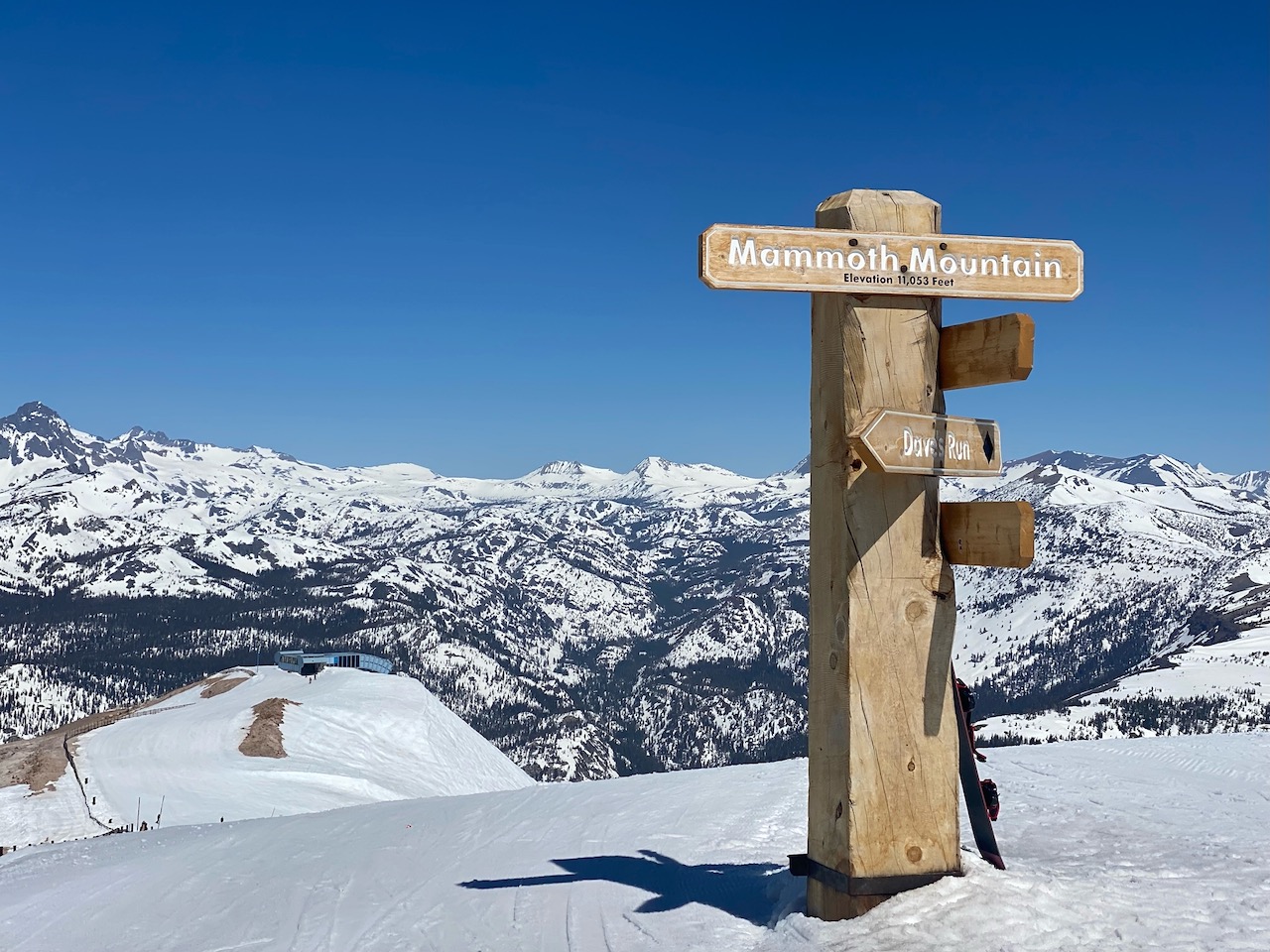
In contrast, Colorado’s "continental" snowpack is generally thinner and drier. While the state is famous for its light, powdery snow, it lacks the sheer density of the "Sierra Cement" found in California. Heavy, dense snow is more resistant to melting, providing a more durable foundation for late-season operations. Data from the 2025-2026 season indicates that while Mammoth’s summit received totals nearing 400 inches, many Colorado resorts struggled to surpass the 250-inch mark, falling short of their historical averages.
Economic Impact on the Mammoth Lakes Community
The decision to extend the season through May 31 has significant economic implications for the town of Mammoth Lakes and Mono County. The "shoulder season"—the period between the end of winter and the start of the peak summer tourism months—is traditionally a time of lower economic activity. By keeping the lifts spinning, Mammoth Mountain helps sustain local businesses, including hotels, restaurants, and retail shops, which would otherwise see a sharp decline in foot traffic.
The extension also benefits the resort’s workforce. Seasonal employees, many of whom rely on the longevity of the ski season for their livelihoods, are able to work several additional weeks before transitioning to summer roles or other employment. Furthermore, the continued operation maintains the resort’s visibility in the digital space, as social media content featuring spring skiing serves as a powerful advertisement for the region’s year-round appeal.
Environmental and Sustainability Considerations
Operating a ski resort in late May is not without environmental challenges. As the snowpack thaws, resort management must carefully monitor water runoff to prevent erosion and protect local watersheds. The grooming of late-season snow requires specialized machinery and techniques to move snow from high-density areas to thinning spots on the runs, a process known as "farming" snow.
Additionally, the energy requirements for running lifts and facilities for a smaller number of guests are weighed against the revenue generated. Mammoth Mountain has invested heavily in energy-efficient lift technology and sustainable resort management practices, which help mitigate the environmental footprint of extended operations. The resort’s ability to remain open late into the spring is often viewed as a testament to its operational efficiency and its commitment to providing value to its season pass holders, particularly those on the Ikon Pass.
The Broader Context of North American Skiing
Mammoth’s announcement places it in an elite group of North American resorts capable of offering skiing in June. Historically, other contenders for late-season operations include Timberline Lodge in Oregon, which utilizes the Palmer Snowfield on Mount Hood for summer skiing, and occasionally resorts like Snowbird in Utah or Whistler Blackcomb in British Columbia.
The 2025-2026 season has reinforced the trend of "volatility" in the ski industry, where geographic location and elevation play increasingly critical roles in determining the length of the season. As climate patterns become more unpredictable, resorts with high-altitude terrain and robust snowmaking capabilities are better positioned to weather poor winters and capitalize on strong ones.
Chronology of the 2025-2026 Season Extension
To understand the current status of operations, it is helpful to look at the timeline of events leading to the May 31 extension:
- November 2025: Mammoth Mountain opens for the season with a mix of man-made and natural snow.
- January – February 2026: Heavy atmospheric river activity deposits significant totals, establishing a deep base on the upper mountain.
- March 2026: Consistent spring storms continue to add to the snowpack, even as lower-elevation resorts begin to see significant melting.
- Early May 2026: Resort management evaluates snow depths and weather forecasts, determining that coverage is sufficient for at least three more weeks of operation.
- May 18, 2026: Official announcement of the extension to May 31 is released to the public.
- May 22, 2026: Scheduled opening of the Mammoth Bike Park and golf courses.
- May 26, 2026: Transition to spring operating hours (7:30 a.m. to 1:00 p.m.).
Looking Ahead: Potential for June Operations
While the current commitment extends to May 31, the resort has left the door open for further extensions if conditions permit. "Mammoth will be open at least until the end of May and is hoping to go into June," the resort noted. Such a decision would depend on the rate of snowmelt over the Memorial Day holiday weekend and the long-term temperature forecasts for the first week of June.
For the dedicated skiing community, the extension represents a victory over a winter that, in other parts of the country, felt all too short. As the "spring laps" continue at Mammoth, the industry turns its eyes toward the summer, with maintenance crews already beginning the work necessary to ensure the mountain is ready for the 2026-2027 season, whenever the first flakes may fall. For now, the focus remains on the "upper mountain," where the lifts continue to spin and the winter of 2026 refuses to quietly fade away.

