
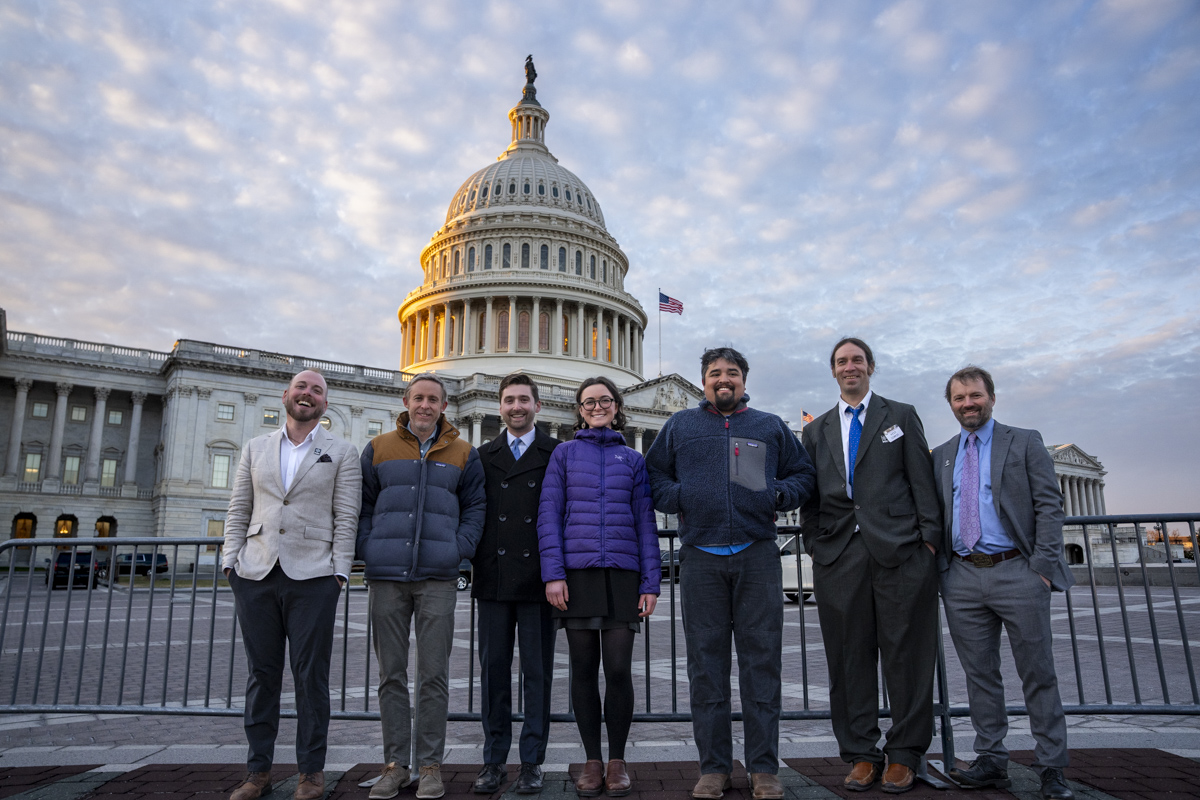
In a strategic effort to influence federal land management policy, a diverse coalition led by the advocacy group Protect Our Winters (POW), the Alaska Wilderness League (AWL), and the League of Conservation Voters (LCV) recently conducted a high-profile legislative "fly-in" at the United States Capitol. The delegation, comprised of professional athletes, climate scientists, Indigenous representatives, and creative professionals, arrived in Washington, D.C., to deliver a comprehensive 74-page petition. The document, which contains more than 6,000 signatures from members of the "Outdoor State"—a demographic representing the millions of Americans who participate in outdoor recreation—calls for the establishment of permanent protections for the Arctic National Wildlife Refuge and the National Petroleum Reserve in Alaska (NPRA).
The timing of this advocacy mission was prompted by a significant shift in federal energy policy. Following the fly-in, the Trump administration signed a series of legislative measures and executive actions designed to streamline the permitting process for oil and gas exploration in the Arctic. These new laws aim to reduce regulatory hurdles, effectively easing the path for energy companies to begin drilling operations in regions that have been at the center of environmental and political contention for decades. In response, the coalition engaged in dozens of meetings with lawmakers to argue that such industrial expansion is not only ecologically hazardous but also economically volatile.
Chronology of the Legislative Advocacy Mission
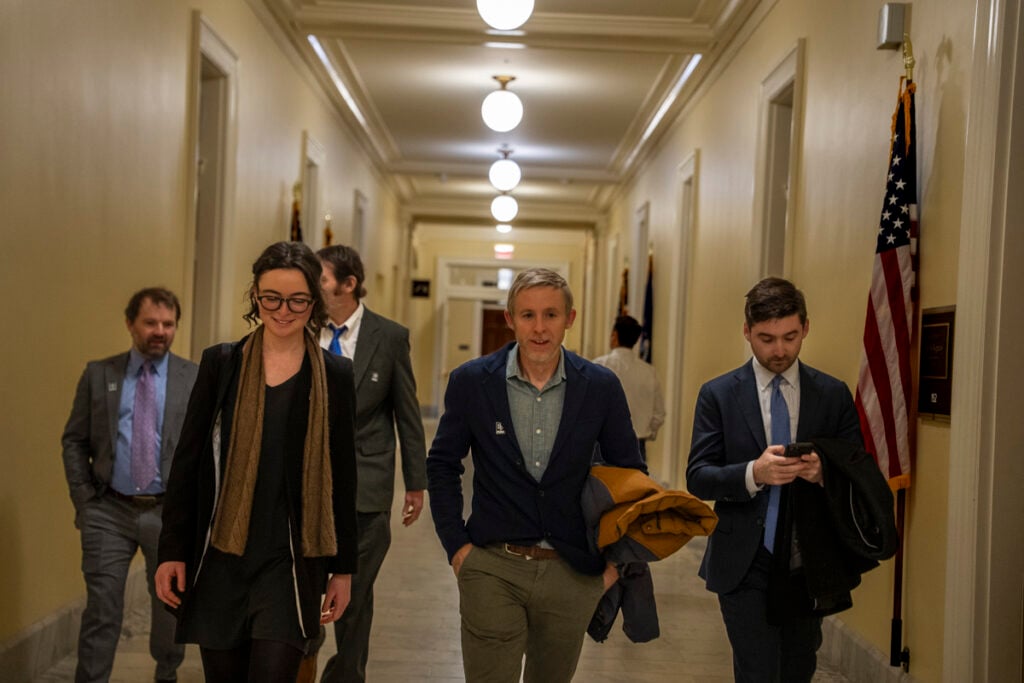
The coalition’s engagement on Capitol Hill unfolded over a rigorous two-day schedule, characterized by back-to-back meetings with key Senate and House offices. The primary objective was to ensure that the voices of those most directly impacted by climate change—including Indigenous Alaskans and professionals whose livelihoods depend on stable winter climates—were heard by the officials shaping Arctic policy.
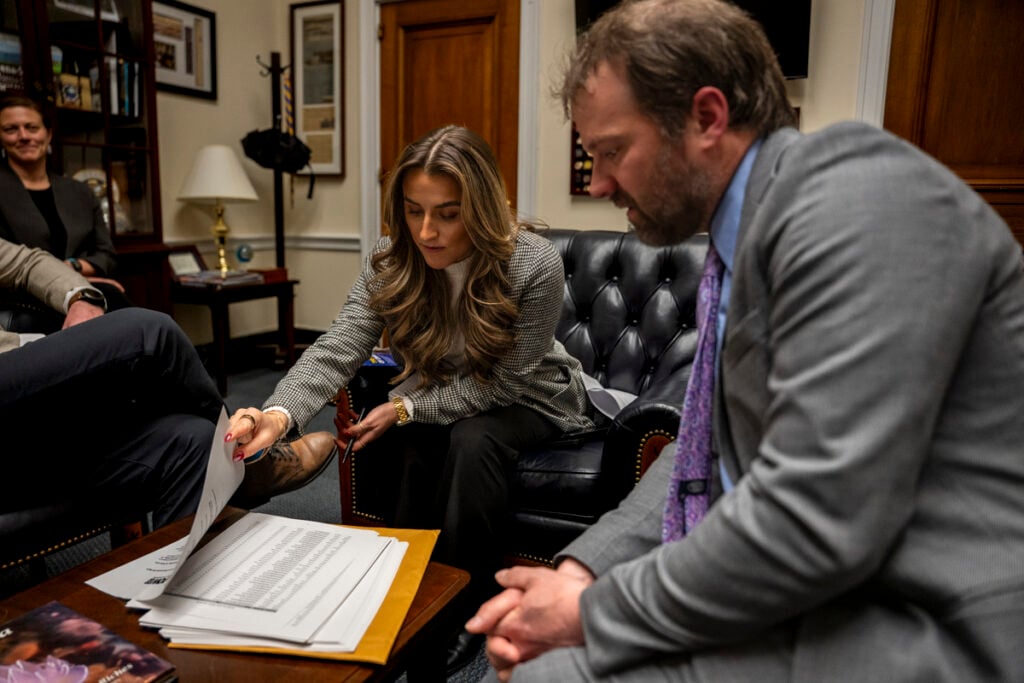
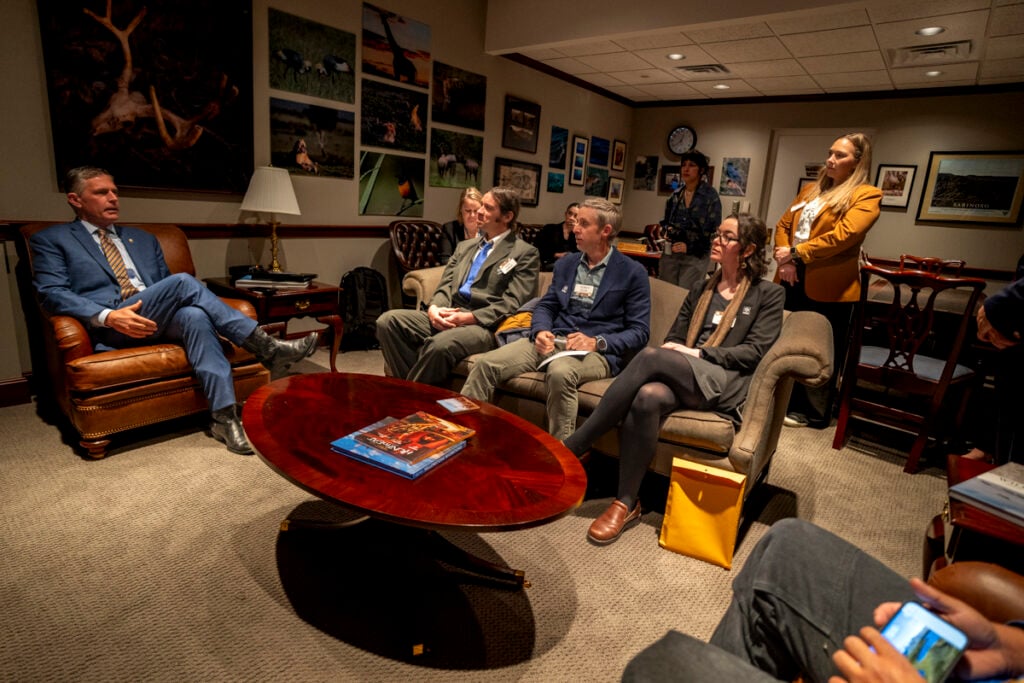
On the first day of the fly-in, delegates met with staffers and representatives to present the 74-page petition. The physical delivery of the document was intended to serve as a tangible reminder of the public’s investment in conservation. Among the offices visited were those of Representative Jared Huffman (D-CA), a long-time advocate for the Arctic Refuge, and Senator Martin Heinrich (D-NM), who has been a proponent of balancing energy needs with public land preservation.
The second day focused on the "Energizing Our Communities Act" (EOCA), a piece of legislation supported by POW that proposes a bipartisan, community-level approach to energy resilience. By advocating for the EOCA alongside Arctic protections, the coalition sought to offer a "two-track" solution: resisting fossil fuel expansion in sensitive ecosystems while simultaneously advancing practical, clean-energy infrastructure that benefits local economies.
The mission concluded just as the executive branch moved to finalize the new drilling legislation. On the Friday following the coalition’s departure, President Trump signed the bills into law, signaling a period of intensified industrial interest in the Alaskan North Slope. This development has transitioned the coalition’s efforts from proactive lobbying to what they describe as "Phase Two" of their campaign—a phase likely to involve legal challenges and increased public pressure on the Department of the Interior.
Historical Context of the Arctic Drilling Debate
The conflict over the Arctic National Wildlife Refuge (ANWR) dates back to its establishment. While the 19.6-million-acre refuge was created to preserve unique wildlife and wilderness values, the "1002 Area"—a 1.5-million-acre coastal plain—was specifically set aside by Congress in 1980 for potential oil and gas development, pending further authorization.
The debate was reignited by the 2017 Tax Cuts and Jobs Act, which included a provision mandating two lease sales in the Arctic Refuge by 2024. The first of these sales, conducted in early 2021, saw limited interest from major oil companies, with many leases being picked up by a state-owned Alaskan corporation. Critics of the drilling projects point to this lack of private sector enthusiasm as evidence that Arctic exploration is becoming a "stranded asset" risk in a global economy increasingly focused on decarbonization.
Furthermore, the National Petroleum Reserve in Alaska (NPRA), located to the west of the Arctic Refuge, has become a secondary flashpoint. While the NPRA was originally designated for energy production, it also contains vital "Special Areas" that serve as critical habitats for caribou herds and migratory birds. The coalition’s petition specifically demands that these Special Areas remain off-limits to new leasing.
Economic and Ecological Data Supporting Conservation
The coalition’s arguments are supported by a growing body of economic data regarding the "Outdoor State." According to the Bureau of Economic Analysis (BEA), the outdoor recreation economy accounts for approximately 2.2% of the U.S. Gross Domestic Product (GDP), generating $1.1 trillion in economic output and supporting nearly five million jobs. Advocates argue that the long-term economic stability of this sector depends on the preservation of public lands and the mitigation of climate change, which threatens the snowpack essential for winter sports and the ecosystems necessary for hunting and fishing.
From an ecological perspective, the Arctic serves as a critical global carbon sink. The permafrost in the region stores vast amounts of methane and carbon dioxide; industrial disturbance through drilling and infrastructure development risks releasing these greenhouse gases, which would accelerate global warming. Additionally, the Arctic Refuge is the primary onshore denning site for the Southern Beaufort Sea polar bear population and the calving ground for the Porcupine Caribou Herd, which is central to the food security and cultural identity of the Gwich’in people.
The financial risks of Arctic drilling are also highlighted in the petition. High operational costs, the necessity of building expensive ice roads that are melting earlier each year due to rising temperatures, and the refusal of several major global banks to fund Arctic oil projects have created a precarious investment environment. The coalition noted that since 2017, the projected revenue from Arctic lease sales has consistently failed to meet the initial forecasts used to justify the legislation.
Perspectives from the Coalition and Lawmakers
The presence of high-profile athletes and Indigenous voices provided a unique dimension to the legislative meetings. Tommy Caldwell, a world-renowned professional climber and member of the POW Climb Alliance, emphasized the intersection of policy and personal experience. "Policy is the only thing that has the chance to fix our climate and save our public lands," Caldwell stated, noting that the trip was designed to create a direct pathway for the outdoor community to influence the federal process.
Brennan Lagasse, a member of the POW Creative Alliance and a frequent visitor to the Arctic, highlighted the resilience of the opposition. Despite the current political climate favoring energy extraction, Lagasse observed that every congressional office acknowledged the importance of constituents hand-delivering petitions. He described the effort as a "vibrant counter-balance" to the momentum of the oil and gas industry.
Ming Poon, a filmmaker and photographer who documented the fly-in, noted that even in meetings with offices traditionally supportive of drilling, there were opportunities for dialogue. "Even in meetings with those pushing to open the Refuge to oil extraction, we found at least some common ground—or at minimum, established communication channels," Poon said. He emphasized that the 6,000 signatures served as proof that a significant portion of the electorate is closely monitoring these decisions.
While the Trump administration has not issued a formal response to this specific petition, the Department of Energy and the Department of the Interior have frequently stated that expanding domestic oil production is a matter of national security and economic independence. Supporters of the new legislation argue that Arctic energy development will create high-paying jobs for Alaskans and provide a stable source of domestic energy.
Analysis of Policy Implications and Future Outlook
The signing of the new Arctic drilling legislation marks a pivotal moment in U.S. environmental policy. By easing the path for exploration, the administration has set the stage for a period of rapid industrialization in the North Slope. However, the legal and social hurdles remain substantial.
The coalition’s strategy moving into 2026 involves a multi-pronged approach. First, there is the likelihood of litigation. Environmental groups have a long history of using the National Environmental Policy Act (NEPA) and the Endangered Species Act (ESA) to challenge lease sales and drilling permits. Second, there is the "market-based" pressure. By highlighting the fiscal risks and the lack of corporate interest, advocates hope to dissuade major oil companies from bidding on future leases.
The Energizing Our Communities Act (EOCA) represents the "proactive" side of this policy struggle. By proposing that a portion of the revenue from renewable energy projects on federal lands be returned to the local communities that host them, the EOCA attempts to build a bipartisan coalition for the energy transition. This approach recognizes that for many rural and Alaskan communities, the debate is not just about the environment, but about economic survival.
As the 2026 legislative cycle approaches, the "Outdoor State" appears increasingly organized. The delivery of the 74-page petition is a clear indication that conservation groups are moving beyond traditional awareness campaigns toward direct, data-driven legislative engagement. The Arctic story, as told by the scientists who study its melting permafrost and the athletes who witness its changing landscapes, has become a central pillar of the broader American climate movement.
In the coming months, the Department of the Interior is expected to release further guidelines on the implementation of the recently signed bills. Observers will be watching closely to see how the administration balances these new mandates with existing environmental protections, and how the coalition of athletes and scientists adapts its strategy to this new regulatory reality. The fight for the Arctic, far from being settled by the stroke of a pen, has entered a more intense and complex phase of engagement.

