
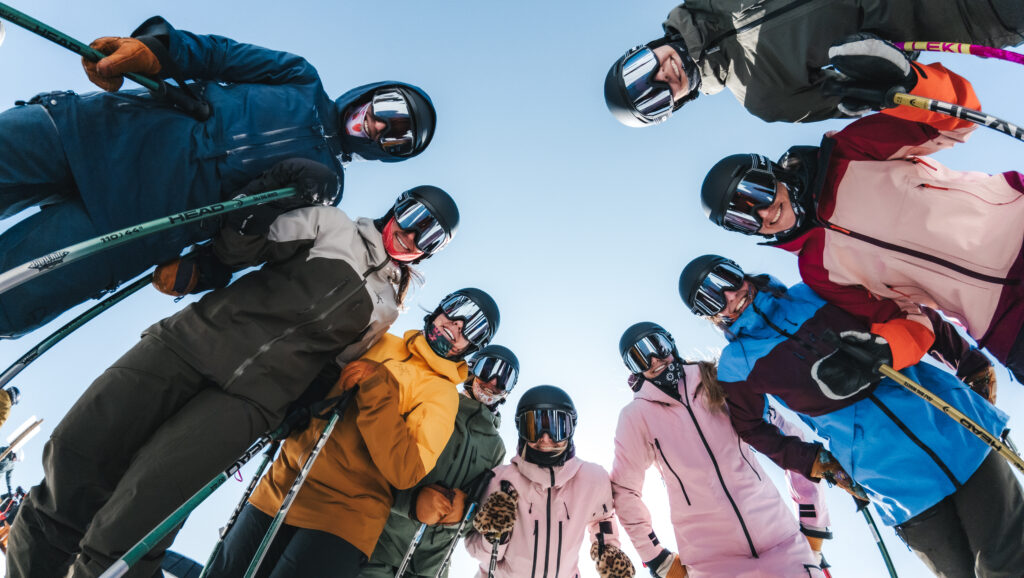
In a significant departure from conventional industry practices, HEAD, a global leader in ski manufacturing, recently convened an exclusive, women-focused summit at the picturesque Big White Ski Resort in British Columbia. This groundbreaking initiative brought together a curated selection of eight influential women from across the North American ski landscape, representing a diverse array of professional roles including buyers, marketers, professional ski testers, coaches, and retailers. The primary objective extended far beyond mere product evaluation; it was a deliberate effort to foster deep listening and integrate nuanced female perspectives directly into the brand’s future product development and marketing strategies, particularly concerning its redeveloped 2027/28 Joy line.
Natalie Dyksterhouse, Winter Sports Marketing Manager for HEAD, articulated the core motivation behind the gathering, stating, "We wanted to get feedback specifically from the North American side of things and from women in particular." This sentiment underscores a growing recognition within the outdoor industry of the critical importance of diverse representation, not just in marketing campaigns, but at the foundational stages of product conceptualization and design. Historically, product decisions in the ski industry, much like many other sports and outdoor gear sectors, have often been made within relatively homogenous environments, frequently lacking the breadth of experience and insights that a truly diverse group, especially women, can provide. This summit therefore represents a proactive step by HEAD to bridge that gap, ensuring its offerings genuinely resonate with and meet the evolving needs of a crucial demographic.
A Strategic Shift Towards Inclusive Development
The decision by HEAD to host such a targeted event at Big White, a destination renowned for its abundant snow and varied terrain, reflects a strategic evolution in how major brands approach innovation. Unlike the often sprawling and generalized media camps or large-scale product launches that characterize much of the industry, this summit was intentionally intimate. With only eight participants, the gathering was designed to cultivate an environment conducive to in-depth dialogue and genuine connection, fostering a level of candid feedback that larger, more formal settings often inhibit. "We wanted to keep it smaller to get more quality conversations going," Dyksterhouse elaborated, highlighting the deliberate choice to prioritize depth over breadth.
The timing of the event, likely held in late winter or early spring 2024 to gather insights for the 2027/28 product cycle, provided participants with ample opportunity to engage with cutting-edge prototypes. A significant focus was placed on HEAD’s revitalized Joy line, a collection specifically engineered for women. The participants were not merely testing skis for performance metrics; they were immersed in discussions spanning product development philosophies, brand positioning, and the intricate nuances of communicating with the female ski market. This dual approach of on-snow performance evaluation intertwined with focused qualitative discussions allowed for a holistic assessment that captures both technical functionality and emotional resonance.
The structure of the summit was meticulously planned to maximize both structured feedback and organic insights. The first day was dedicated to rigorous, structured on-snow testing, where participants meticulously evaluated the prototype skis across various conditions and terrains, providing detailed technical feedback. This systematic approach ensured that performance attributes were thoroughly assessed. The second day, however, adopted a more relaxed rhythm, embracing freer skiing and fostering an atmosphere of camaraderie and open conversation. This shift allowed for the emergence of invaluable, often unscripted, insights that frequently elude traditional data collection methods. The result was a trove of honest, multi-layered feedback, rich in qualitative detail, that is exceedingly difficult to obtain through conventional industry channels.

The Evolving Landscape of Women’s Skiing and Gear
The ski industry has witnessed a significant demographic shift over the past few decades, with women constituting an increasingly vital segment of the skiing population. According to recent industry reports, women now make up nearly 40-45% of all skiers globally, and this participation rate continues to grow. This burgeoning demographic represents substantial purchasing power, influencing not only their own gear choices but often those of their families. Despite this, the representation of women in product development teams across the outdoor sports industry has historically lagged. Studies often indicate that fewer than 20% of R&D roles in outdoor gear companies are held by women, leading to products that may not fully account for the diverse anatomical, physiological, and psychological preferences of female users.
This context underscores the critical importance of initiatives like HEAD’s summit. By directly involving women in the developmental pipeline, HEAD is not only responding to market trends but actively shaping a more inclusive future for the sport. The summit was not solely about refining women’s specific ski models; it aimed to fundamentally understand the female perspective in a more profound and meaningful way. With the impending relaunch of the Joy line, HEAD recognized an unparalleled opportunity to create a dedicated forum where women could articulate their needs and desires candidly, covering not just performance specifications but also how they wish to be represented and engaged with by the brand.
The ensuing conversations revealed a complex and nuanced landscape. Natalie Dyksterhouse highlighted a significant challenge: "There’s a lot of discussion around how women want to be talked to in the ski industry, it’s a very fine line." This "fine line" speaks to the delicate balance between acknowledging differences without resorting to stereotypes or tokenism. It involves crafting marketing narratives that empower and inspire, avoiding patronizing language or overly feminized aesthetics that can alienate segments of the female market. The feedback gathered during the summit delved deep into these communication strategies, offering HEAD invaluable guidance on how to refine its messaging for the North American market.
One of the most compelling discussions revolved around the very existence of women-specific product lines. This topic elicited varied responses, reflecting the diverse preferences within the female skiing community. Participants involved in freeskiing, for instance, often expressed a leaning towards more unisex approaches, prioritizing performance and technical specifications regardless of gender-specific design. Conversely, those focused on frontside and carving categories generally demonstrated strong support for women-specific designs, valuing the tailored characteristics that can enhance comfort, control, and overall experience for different body types and skiing styles. The absence of a monolithic answer underscored the importance of nuance and segmentation, signaling that a one-size-fits-all approach is insufficient for effectively serving the diverse female market.
Beyond the Technical: Communication and Purchasing Psychology
A pivotal takeaway from the summit transcended technical specifications or material compositions, centering instead on the crucial aspect of communication. Dyksterhouse noted a general consensus that HEAD’s products already perform exceptionally well. "There was agreement that our products perform really well," she stated, "So the conversation became how do we talk about them in a way that’s more relatable to the North American market." This shift from purely validating product efficacy to refining the narrative around these products signifies a profound evolution in brand engagement. It highlights the understanding that superior performance must be accompanied by compelling, authentic storytelling that resonates with the target audience. For HEAD, this means translating complex engineering into relatable benefits and experiences that speak directly to the aspirations and realities of female skiers.
Furthermore, the summit provided significant insights into the unique gear purchasing patterns observed among women. Discussions illuminated that women often approach gear acquisition with less ego and a greater degree of self-assessment compared to their male counterparts. This can lead to distinct decision-making processes, where factors like comfort, ease of use, aesthetic appeal, and perceived value often weigh heavily alongside pure performance metrics. This understanding has far-reaching implications, informing everything from the language used in marketing campaigns to the design of in-store experiences and the training provided to retail staff. Brands that can effectively cater to these nuanced purchasing behaviors are better positioned to build stronger, more enduring relationships with female consumers.
Representation: A Foundation for Innovation
A pervasive theme throughout the entire event was the indispensable role of inclusion, not merely as a marketing buzzword, but as an integral component of the product development lifecycle itself. Dyksterhouse candidly acknowledged a long-standing industry challenge: "As you know, a lot of the development teams are not composed of women." This reality often means that products designed for women may not fully incorporate the lived experiences and insights of the very demographic they aim to serve. Creating dedicated platforms like this summit is a direct, impactful way to close this representational gap, ensuring that real-world feedback from diverse female voices flows directly into the product pipeline, influencing design, functionality, and overall user experience. This approach is not just about manufacturing better skis; it is fundamentally about constructing a more robust, equitable, and responsive development process.
The implications of this initiative extend beyond HEAD itself. Industry observers suggest that such proactive engagement sets a new benchmark for corporate responsibility and innovation within the outdoor sports sector. Retail partners, who serve as the crucial interface between brands and consumers, are likely to view HEAD’s approach favorably. Anticipating the launch of the redeveloped Joy line, retailers can expect products that are not only technically superior but also deeply aligned with consumer desires, supported by marketing narratives that genuinely connect. This could translate into stronger sales performance and increased brand loyalty within the women’s segment.
Cultivating Community and Charting a Progressive Path
Beyond the tangible product and marketing insights, the summit also underscored the profound value of community among women in skiing. Natalie Dyksterhouse described the overall experience as profoundly empowering, emphasizing the supportive and collaborative atmosphere that permeated the gathering. "I think it really put into perspective how unique it is to be part of the community of female skiers," she reflected. This sense of shared experience, mutual support, and collective purpose is an invaluable, often unquantifiable, outcome that strengthens the bonds within the female skiing community and reinforces their connection to brands that genuinely listen. Such authentic connection cannot be artificially manufactured; it must be cultivated through intentional and meaningful engagement.
For HEAD, this summit is not an isolated event but rather a foundational component of a broader, sustained effort to better understand and serve a critical and dynamic segment of the sport. It signals a long-term commitment to inclusivity and consumer-centric innovation. For the wider ski industry, HEAD’s initiative serves as a powerful testament to the transformative potential of listening. It challenges traditional paradigms and encourages other brands to re-evaluate their own development processes, urging them to embrace more diverse perspectives. In an era where consumer expectations for authenticity and representation are higher than ever, the most impactful move a company can make is often not the launch of a new, groundbreaking product, but rather the humble, yet profound, act of listening to those who use them. This progressive approach promises to not only refine future ski designs but also to foster a more vibrant, inclusive, and responsive culture across the entire ski industry.

