
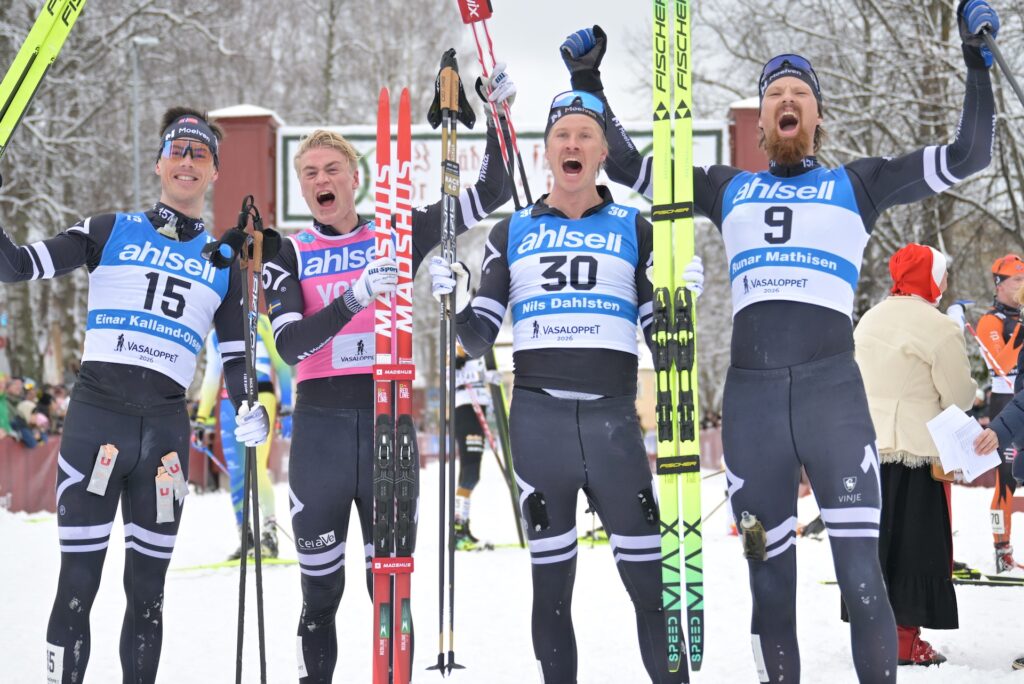
The unprecedented fivefold victory at the Vasaloppet in 2026 stands as one of the most remarkable team achievements witnessed in the history of long-distance skiing. While the individual triumphs of the athletes have been widely celebrated, the narrative behind this staggering success points to a mastermind operating from the shadows, a strategist whose foundational work paved the way for such historic dominance. Runar Skaug Mathisen, the 33-year-old from Vinje, is not one to seek the spotlight, yet his influence is undeniable. His quiet dedication and meticulous planning have been instrumental in forging a team that not only conquers but utterly subjugates the elite field, and now, he is looking to elevate his own legacy even further.
The defining moment of the 2026 Vasaloppet, according to Skaug Mathisen himself, was not a singular athletic feat but a collective realization of a shared dream. "When we saw Oskar [Kardin] was in a position to take the win at Hemus, just three kilometers from the finish, the focus shifted to securing the silver and bronze in the main pack," Skaug Mathisen recounted to Langrenn.com. "But to have all five top spots locked down? That was something we only comprehended as we crossed the finish line. These are the days you dedicate an entire athletic career to experiencing." This sentiment underscores the profound significance of the achievement, a culmination of years of training, sacrifice, and an unwavering commitment to the team’s collective ambition.
The Vasaloppet, a storied event with a rich history dating back to 1922, is more than just a race; it is a cultural institution in Sweden and a benchmark of endurance and strategic prowess in the international ski marathon circuit. The 90-kilometer course, from Sälen to Mora, demands not only exceptional physical conditioning but also astute tactical awareness, particularly in the latter stages where fatigue is at its peak. For a team to achieve a complete sweep of the top five positions is an anomaly of staggering proportions, a testament to superior preparation, flawless execution, and an almost telepathic understanding among teammates.
Skaug Mathisen emphasizes that this historic achievement was not the work of a single individual but a meticulously orchestrated symphony of effort from every member of the team. "It was a small, dedicated support team that truly did the groundwork, and a group of athletes who all hit peak form on the day," he stated. This acknowledgment highlights the crucial, often unseen, contributions of coaches, mechanics, and support staff who enable the athletes to perform at their absolute best. The "dream day," as Skaug Mathisen describes it, was a perfect storm of individual talent and collective support.
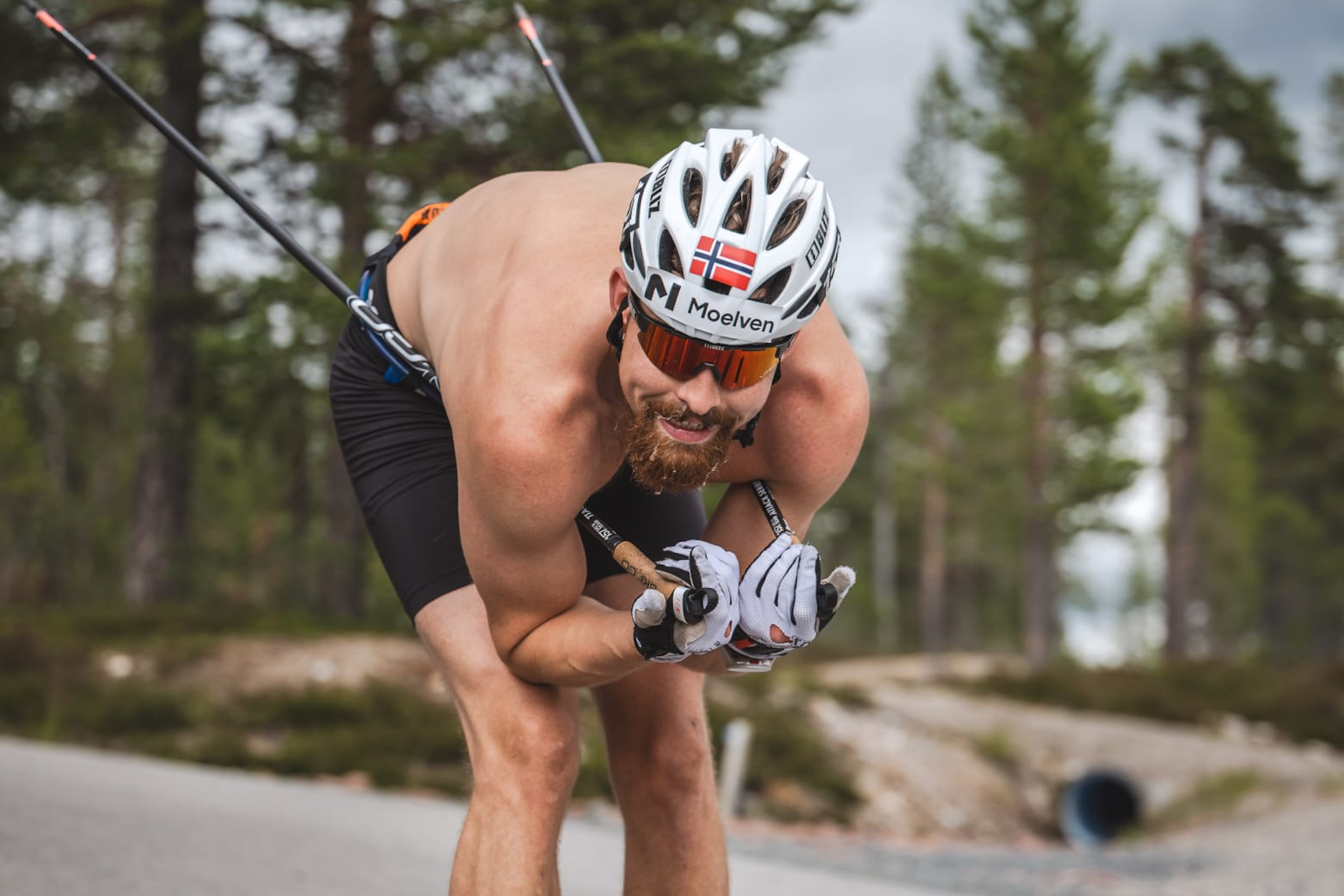
The strategic approach employed by Skaug Mathisen’s team allows for flexibility and individual initiative in the early and middle phases of the race. "All members of the team have relatively open roles until the halfway sprint. They can try to break away in a group or with rivals they believe have a chance to hold on," he explained. This adaptable strategy allows for opportunistic attacks and the testing of opponents’ strength, while also conserving energy for the crucial final kilometers.
Within this framework, Skaug Mathisen himself assumed the role of the team’s "workhorse," a vital position dedicated to setting up the team’s premier sprinters for success. "I was the final lead-out for Alvar [Myhlback], who won that sprint, so I believe I did my job well," he stated. "I gave everything I had to the finish line and had enough power left to cross with a certain style." His fourth-place finish, achieved after fulfilling his crucial support role, is a testament to his own exceptional capabilities and selfless commitment to the team’s objectives.
The immediate aftermath of such an extraordinary victory was characteristically understated, reflecting the team’s grounded ethos. "It was absurd," Skaug Mathisen admitted. "But we ate pizza, recorded an episode for ‘Vasapodden’ [a podcast dedicated to the Vasaloppet], and immediately began preparing for the Birkebeinerrennet." This swift transition from celebration to preparation underscores their relentless pursuit of excellence and the immediate focus on the next challenge. The "real celebration," he added, will only come after the season concludes, a sign of their professional discipline and long-term vision.
The implications of this fivefold victory extend beyond mere race results. It signals a new era of dominance for this Swedish elite team, establishing a benchmark that other teams will undoubtedly strive to emulate. The success also validates Skaug Mathisen’s strategic acumen and his ability to foster a cohesive and high-performing unit. His role as a facilitator and architect of success, rather than solely a headline-grabbing individual performer, sets him apart and positions him as a significant figure in the sport’s strategic landscape.
Looking ahead, the team’s overarching ambition remains clear: to secure a sixth consecutive Vasaloppet victory in 2027. Skaug Mathisen is determined to play a pivotal role in achieving this historic feat. However, his personal aspirations are also keenly focused on the Birkebeinerrennet, the most prestigious long-distance ski race in Norway. "The team has achieved three third-place finishes in the Birken, and we performed better there than ever before," he noted. "But we have never won the premier Norwegian race. I hope I can be the first." This ambition highlights his drive for individual recognition and his desire to conquer new frontiers.
The path to realizing these ambitious goals, particularly the conquest of the Birkebeinerrennet, requires continuous improvement. Skaug Mathisen acknowledges this, stating, "I’m taking steps forward every year, delivering better numbers on the SkiErg than ever before. But my capacity is likely my limiting factor. That’s the most important factor for performing in cross-country skiing." This self-awareness is a crucial element of his continued development.
To enhance his capacity, Skaug Mathisen has devised a rigorous summer training regimen centered on a challenging local ascent known as "Opp Vehuskjerringa." "I have to do more hard efforts on my legs, and now that I’m home in Vinje, Telemark, I’m going to tackle the hill I’ve been doing since I was 12 years old: Vehuskjerringa," he explained. This formidable mountain, standing at 1356 meters, with a starting point around 700 meters, offers approximately half an hour of punishing uphill trail running. Skaug Mathisen plans to ascend this "beast" at least once a week throughout the summer.
"This is more frequent than I’ve done in recent years, but I believe it will make a difference," he said. His primary concern during these demanding sessions is to maintain a sustainable intensity. "The most important thing is not to throw up at the summit," he quipped. "That would significantly lengthen the recovery time." The reward at the summit, beyond the physical accomplishment, is a breathtaking panoramic view of Vinje, and, he hopes, a vision of his future victory at the Birkebeinerrennet in March 2027.
The strategic depth and personal drive of Runar Skaug Mathisen paint a compelling picture of a champion’s mindset. While the fivefold Vasaloppet victory will be etched in skiing history as a team triumph, the meticulous planning and unwavering dedication of individuals like Skaug Mathisen are the bedrock upon which such extraordinary achievements are built. His journey from the shadows to potentially conquering Norway’s most iconic race adds another layer to his already remarkable story, proving that true greatness often lies in the quiet pursuit of excellence and the relentless ambition to push boundaries, both for the team and for oneself. The future of long-distance skiing undoubtedly holds more to come from this Norwegian strategist.

