
Austria’s tourism sector experienced a notable downturn in March 2026, with overnight stays dropping by 4.9% compared to the previous year, registering 12.1 million. This figure stands in contrast to a robust winter season overall, which saw a 3.6% increase in overnight stays from November 2025 to March 2026, totaling 66.4 million. The dip in March has been attributed to a confluence of factors, including the ripple effects of President Trump’s international policies, a recent military conflict, and a recalibration of holiday travel periods.
Geopolitical Tensions Cast a Shadow Over International Arrivals
The most significant factor cited for the decline in international visitors during March 2026 is the escalating geopolitical uncertainty following the military intervention in Iran by the United States and its allies. The conflict, which commenced on February 28th, 2026, is believed to have significantly deterred potential international travelers from choosing Austria as a destination. Global news outlets reported on the swift and decisive nature of the initial military operations, which, while achieving stated objectives, created an atmosphere of heightened global instability. This instability often translates into a reluctance among tourists to embark on international journeys, particularly to regions perceived as potentially affected by or indirectly linked to such conflicts.
The "war on Iran," as described in initial reports, likely triggered travel advisories from various nations, impacting flight availability and insurance costs for potential tourists. Furthermore, the broader international policies enacted by the Trump administration, which have been characterized by a more protectionist and assertive stance on global affairs, may have contributed to a general unease among international markets. This sentiment has been colloquially termed "trumplation" by some observers, referring to the economic and diplomatic consequences perceived to stem from these policies, which can dampen demand in key source markets for Austrian tourism.
Tourism State Secretary Elisabeth Zehetner articulated these concerns, stating, “Geopolitical uncertainty and a noticeable ‘trumplation’ in important markets are increasing costs and dampening demand.” This statement highlights the multifaceted nature of the challenges facing the sector, where not only direct conflict but also the broader political climate can have a tangible impact on tourism flows.
Contrasting Winter Performance Underscores March’s Anomaly
The decline in March stands in stark contrast to the overall positive performance of Austria’s tourism industry throughout the winter season, from November 2025 to March 2026. During this period, the country recorded a substantial 66.4 million overnight stays, representing a healthy increase of 3.6% compared to the preceding year. This sustained growth during the core winter months, typically driven by ski tourism and winter sports, indicates underlying strength in the Austrian tourism offering.
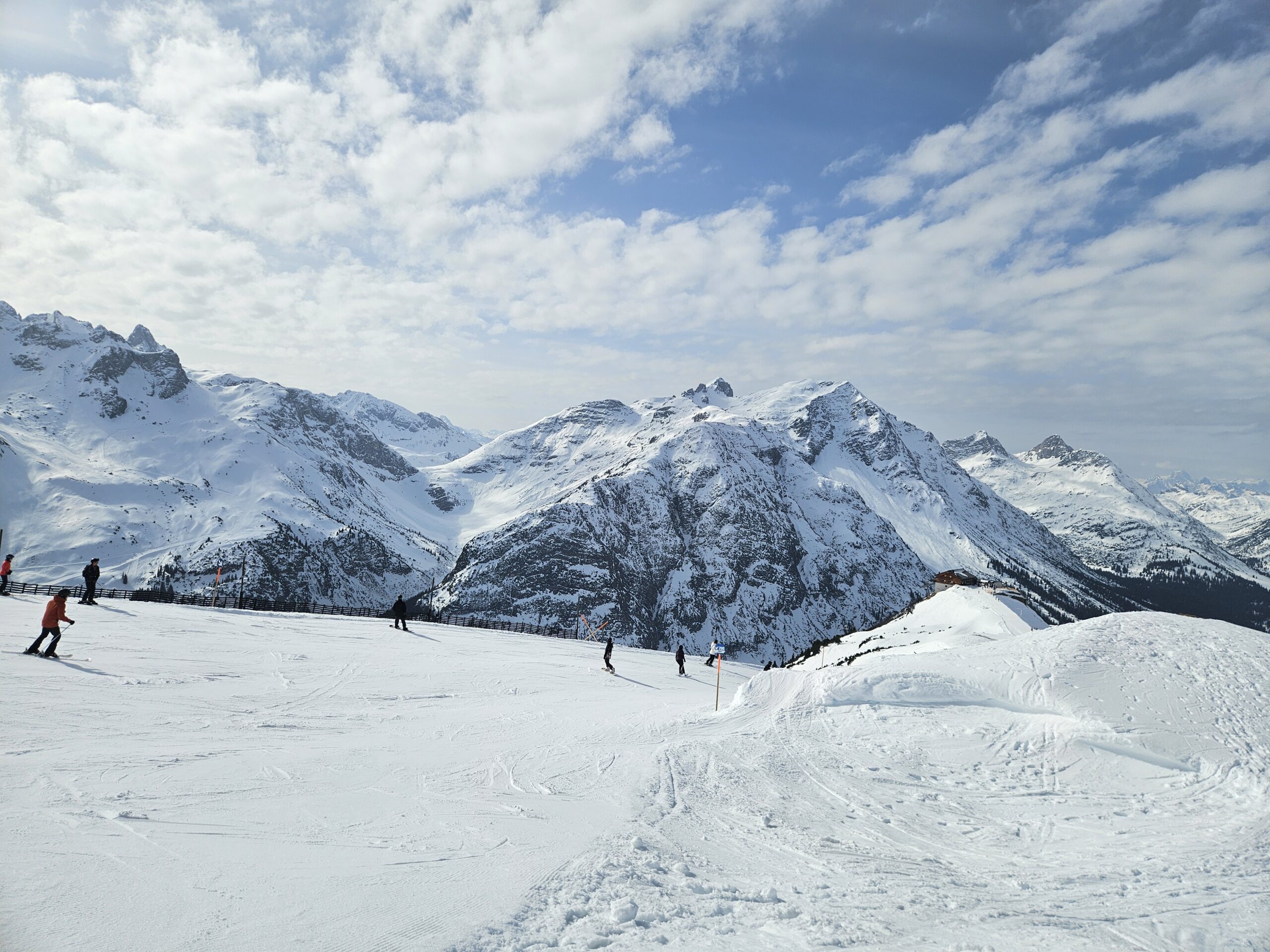
The winter season saw consistent demand, with many resorts reporting high occupancy rates, particularly in the lead-up to March. This suggests that the factors affecting the March downturn were either specific to that month or intensified significantly towards its end. The robust winter figures underscore the importance of the ski season for Austria’s tourism economy and provide a baseline against which the March anomaly can be assessed.
Shifting Holiday Patterns and Calendar Effects
Beyond the geopolitical landscape, Statistics Austria also pointed to calendar-related shifts in holiday and travel periods as a contributing factor to the March decline. The timing of school holidays, national holidays, and the broader patterns of international travel can significantly influence monthly tourism figures. In some years, the peak of the winter holiday season might extend further into March, while in others, it may conclude earlier, with travelers shifting their plans to coincide with different breaks or events.
“March is a good example of how heavily tourism depends on the calendar and international travel patterns,” explained State Secretary Zehetner. This statement emphasizes the inherent volatility of tourism figures, which are susceptible to a range of external influences that are not always directly related to the destination’s appeal or quality. For instance, if Easter holidays fell earlier in the previous year, the comparison with March 2026, which might have seen these holidays fall later, could show a disparity. Similarly, changes in the timing of spring breaks in key European markets could lead to a shift in travel demand away from March.
Resilience of Domestic Tourism
Despite the headwinds from international travel, the Austrian tourism sector demonstrated resilience through a significant increase in domestic tourism during March 2026. Domestic overnight stays rose by an impressive 7.8%, providing a crucial buffer against the weaker demand from abroad. This surge in domestic travel suggests a growing trend of Austrians opting for holidays within their own country, a phenomenon that has been observed in various countries as a response to global uncertainties and cost considerations.
“It is therefore all the more important that domestic tourism increased significantly by 7.8% in March, thus offsetting some of the weaker demand from abroad,” Zehetner noted. This highlights the strategic importance of cultivating and supporting the domestic tourism market. Domestic travelers not only contribute to the economic viability of tourism businesses but also play a vital role in stabilizing the industry during periods of international volatility.
The positive trend in domestic demand was not confined to March, having been a consistent feature throughout the entire winter season. This sustained domestic interest offers businesses additional stability and ensures that economic benefits are distributed more widely across the country’s regions. “Domestic demand has also been positive throughout the entire winter season so far. This provides businesses with additional stability and brings added value to where it matters most – to the regions,” the State Secretary emphasized. This underscores the role of domestic tourism in fostering regional development and economic resilience. The sentiment that “vacations in one’s own country become a question of stability” reflects a growing awareness among citizens of the interconnectedness of national well-being and local economies.
Broader Implications and Future Outlook
The March 2026 figures offer several key takeaways for Austria’s tourism industry. Firstly, the vulnerability of international tourism to geopolitical events cannot be overstated. The conflict in Iran and the broader international policy climate serve as stark reminders that external factors, often beyond the control of the tourism sector, can have a profound impact. This necessitates a proactive approach to risk management, including diversification of source markets and robust crisis communication strategies.
Secondly, the strength of domestic tourism presents an opportunity. Continued investment in promoting domestic travel, developing appealing regional offerings, and ensuring affordability can help mitigate future downturns. This could involve targeted marketing campaigns, development of new domestic tourism products, and incentives for Austrian residents to explore their own country.
Thirdly, the calendar effects highlight the need for sophisticated data analysis and flexible planning. Understanding and anticipating shifts in travel patterns can enable businesses to adapt their strategies and marketing efforts accordingly. This might involve developing flexible booking options, offering off-season promotions, or tailoring packages to different holiday periods.
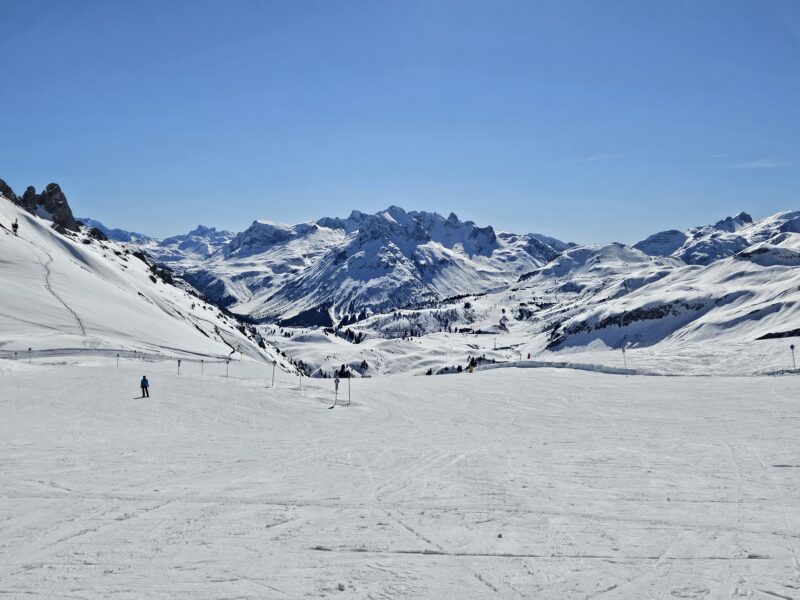
The image provided, depicting a picturesque winter scene in Warth, Ski Arlberg, Austria, serves as a visual testament to the country’s enduring appeal as a winter sports destination. While the March figures indicate a temporary setback, the underlying strengths of Austria’s tourism product, coupled with the growing importance of its domestic market, suggest a capacity for recovery and continued success. The coming months will likely see a focus on monitoring international developments, bolstering domestic demand, and adapting to the ever-evolving landscape of global travel. The tourism sector, by its very nature, is dynamic and requires continuous adaptation to navigate both opportunities and challenges. The experience of March 2026 will undoubtedly inform future strategies aimed at ensuring the long-term health and prosperity of Austrian tourism.

