
In a proactive and increasingly vital effort to preserve a crucial segment of its winter sports infrastructure, Andermatt Gotthard Sportbahnen (AGS) has once again deployed a massive protective covering over a significant portion of the Gurschenfirn Glacier. This annual undertaking, now in its 22nd year, involves laying down approximately 13,000 square meters of specialized sheeting, equivalent to roughly 3.2 acres, to shield the ice from the relentless solar radiation and rising temperatures characteristic of the summer months. The operation, a testament to the resort’s commitment to sustainable tourism and climate change mitigation, highlights the growing challenges faced by high-altitude ski destinations worldwide.
The Strategic Deployment of the Ice Blanket
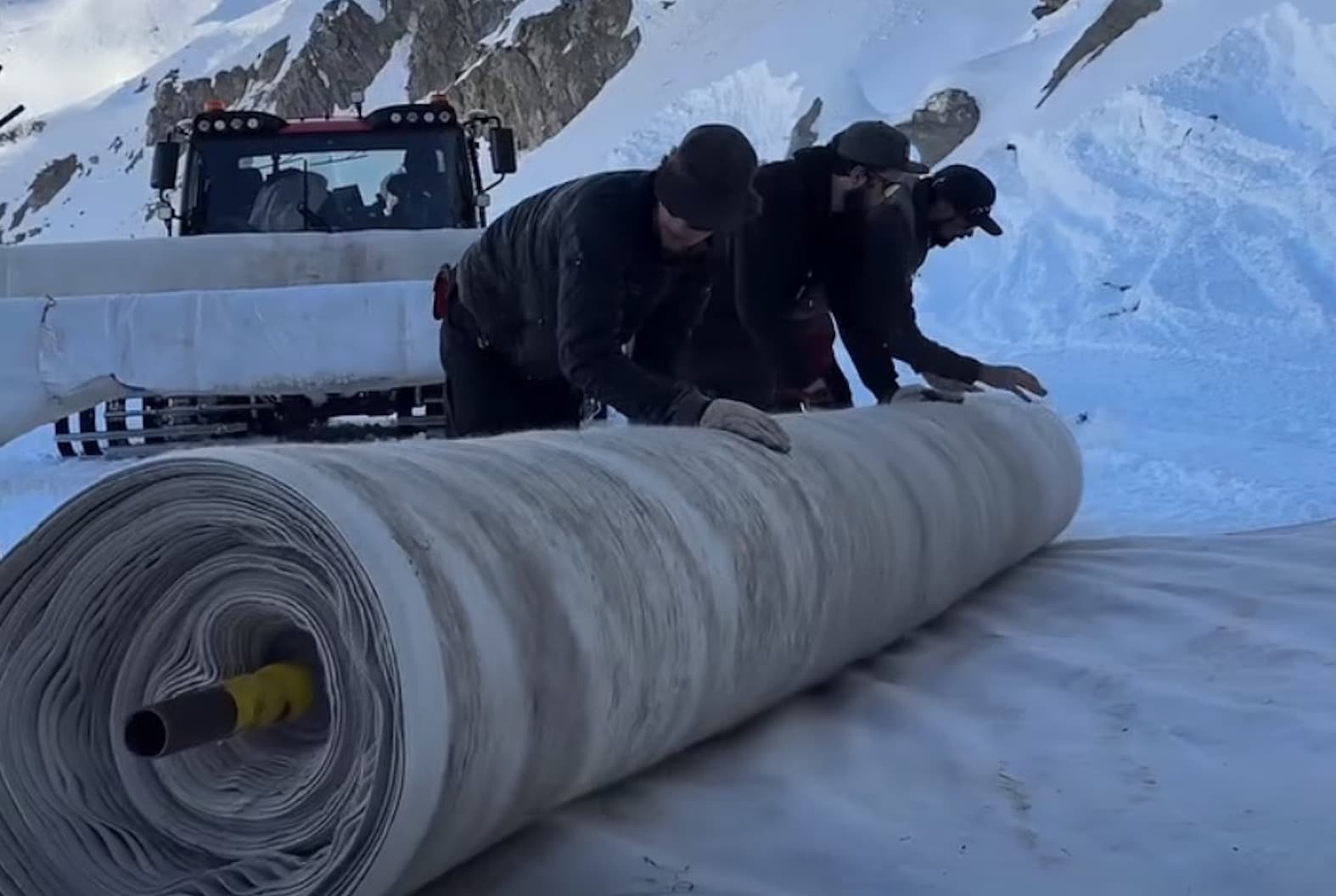
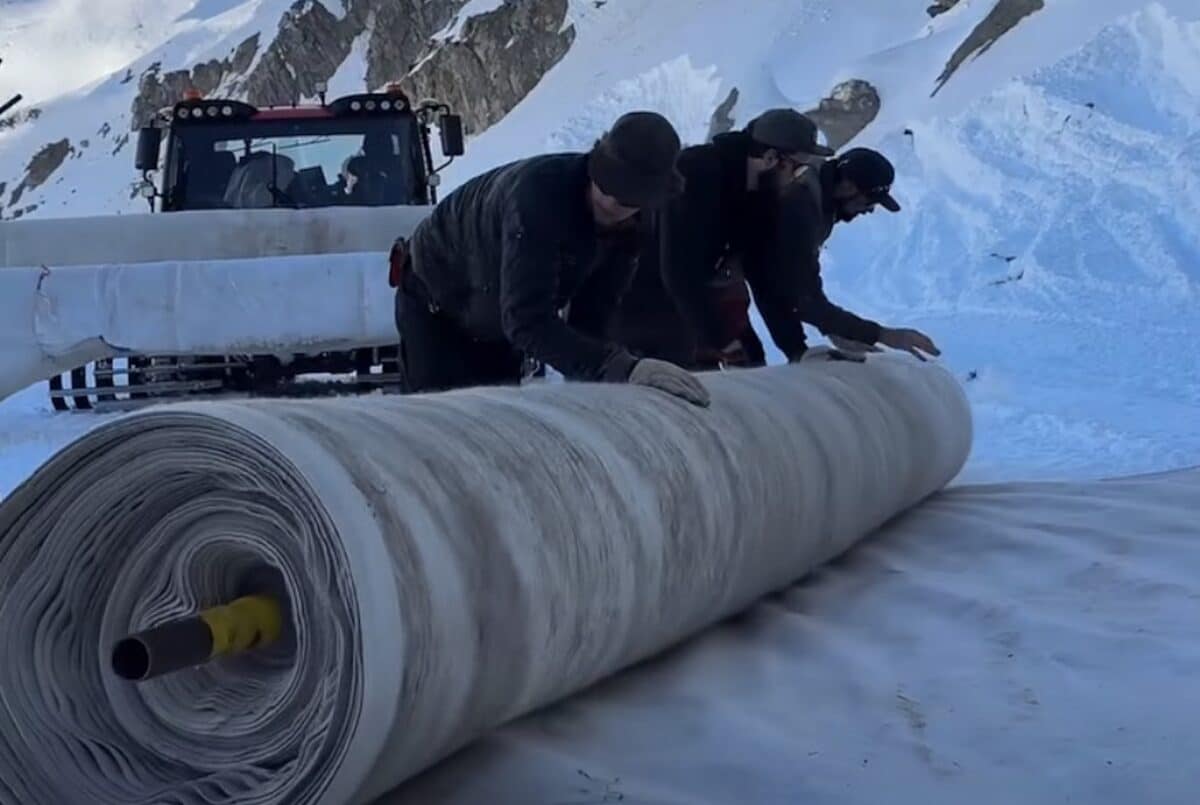
The process of covering the Gurschenfirn Glacier is a meticulously planned logistical operation. AGS personnel, alongside a dedicated team of 25 individuals, were involved in the intricate task of unfurling and securing the protective material. This ultra-violet ray resistant polyester sheeting, measuring a mere half-centimeter in thickness, is anchored firmly in place by approximately 1,300 sandbags. This seemingly simple measure is critical for ensuring the blanket remains effective and resilient against potential wind and weather disturbances. The deployment signifies a substantial investment in maintaining the viability of a cherished and historically important ski area.
Historical Significance and Economic Dependence
The Gurschenfirn Glacier has served as more than just a natural wonder; for over four decades, its consistent snowpack has been the bedrock of ski operations in Andermatt. This specific patch of ice has historically been the starting point for numerous ski runs, forming an integral part of the ski resort’s appeal and contributing significantly to the local economy. The livelihoods of the ski town of Andermatt are intrinsically linked to the snow reliability and accessibility of its glacial terrain. The recession of glaciers due to climate change poses a direct threat to this established economic model, making initiatives like the ice blanket a critical defensive strategy.
A Long-Term Commitment to Glacier Preservation
AGS’s commitment to covering the Gurschenfirn Glacier is not a recent development; it represents a sustained effort spanning over two decades. The company has consistently borne the financial and operational costs associated with this preservation measure. This long-term dedication underscores the severity of the glacial melt issue and the proactive approach adopted by the resort to address it. The practice is a visible symbol of the direct impact of climate change on the alpine tourism industry and the innovative solutions being explored to adapt.
Scientific Scrutiny and Future Projections
Upon the conclusion of the summer season, the protective sheeting will be removed, typically in the autumn. Following its removal, scientists from the Swiss Federal Institute of Technology (ETH Zurich), a globally renowned institution for scientific research and innovation, will conduct a thorough assessment of the blanket’s effectiveness. Their analysis will focus on quantifying the extent to which the sheeting successfully slowed the glacier’s retreat and preserved its ice mass. This data is invaluable for understanding the efficacy of such geoengineering techniques and for informing future climate adaptation strategies in mountainous regions. The insights gained from these scientific evaluations will be crucial for predicting the long-term viability of high-altitude ski resorts and for advocating for broader climate action.
The Broader Context: Climate Change and Alpine Tourism
The situation in Andermatt is emblematic of a global trend affecting ski resorts worldwide. Rising global temperatures are leading to accelerated glacial melt and a shortened winter season in many traditional alpine destinations. Studies by organizations like the Intergovernmental Panel on Climate Change (IPCC) have consistently highlighted the vulnerability of mountain ecosystems to climate change. For instance, the IPCC’s Sixth Assessment Report emphasized that even with significant emissions reductions, many glaciers are projected to continue shrinking. This reality necessitates a shift in operational strategies for ski resorts, moving beyond traditional snowmaking to include more direct preservation methods and diversification of tourism offerings.
Data from the World Glacier Monitoring Service (WGMS) reveals a persistent trend of glacial mass loss across the globe. Between 1990 and 2020, the Alps have experienced substantial glacial retreat, with some glaciers losing a significant percentage of their volume. This phenomenon is driven by a combination of reduced snowfall, earlier snowmelt, and increased summer temperatures. The consequences extend beyond the ski industry, impacting water resources, natural hazard risks, and biodiversity in alpine regions.
Innovative Solutions and Their Limitations
The ice blanket technique employed by AGS is one of several innovative solutions being explored and implemented by ski resorts and communities facing similar challenges. In other parts of the Alps, similar protective measures have been trialed, including the use of reflective covers on specific ski slopes or even the transportation of snow from higher altitudes to lower, more vulnerable areas. While these methods can offer localized benefits and extend the operational life of certain ski areas, they are not without their limitations. The sheer scale of glacier coverage required to make a significant global impact is immense, and the cost and logistical complexities of such widespread application are substantial. Furthermore, these are largely adaptation strategies that address the symptoms of climate change rather than its root causes.
Official Statements and Future Outlook
While specific quotes from AGS representatives regarding this year’s operation were not immediately available in the original report, the sustained annual effort itself serves as a powerful statement of their commitment. This proactive stance suggests an understanding that adapting to a changing climate is not merely an environmental imperative but also an economic necessity for the long-term survival of their business. The collaboration with ETH Zurich further signals a dedication to evidence-based decision-making and a willingness to contribute to the broader scientific understanding of glacier dynamics and climate change impacts.
The future of alpine tourism is inextricably linked to the trajectory of global climate change. While initiatives like the Gurschenfirn ice blanket are vital for immediate preservation and maintaining the status quo, they underscore the urgent need for global efforts to reduce greenhouse gas emissions. The data gathered from the scientific assessment of the blanket’s effectiveness will not only inform AGS’s future strategies but also contribute to a growing body of evidence demonstrating the tangible impacts of climate change on some of the world’s most iconic natural landscapes. The ongoing battle to preserve glaciers like Gurschenfirn serves as a stark reminder of the delicate balance between human activity and the natural environment, and the critical importance of sustainable practices for safeguarding our planet’s future. The continued success of such endeavors will depend on both local adaptation strategies and a global commitment to climate action.

