
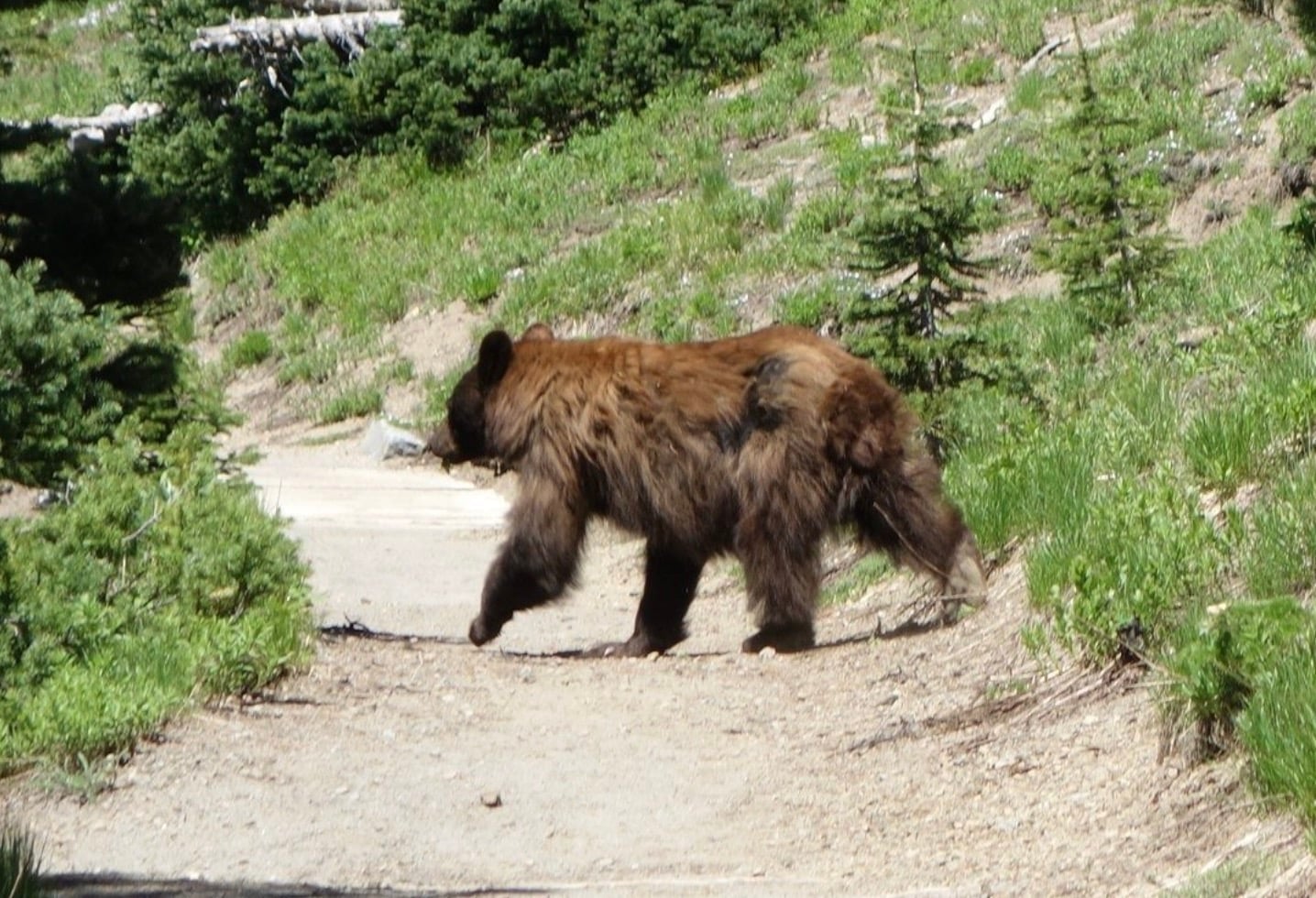
Mount Rainier National Park officials have reopened a section of the iconic Wonderland Trail following a brief but notable encounter between a park ranger and a black bear on May 20th. The incident, which occurred on the stretch between Narada Falls and Stevens Canyon Road, prompted a temporary closure of the popular hiking route as a precautionary measure. While the ranger was unharmed and the bear exhibited no aggressive behavior, the event underscores the importance of wildlife awareness and safety protocols within the park’s diverse ecosystems.
The encounter unfolded during a routine foot patrol by a park ranger tasked with monitoring the area from Narada Falls towards Reflection Lakes. According to park statements, the ranger inadvertently came into close proximity with a black bear on the trail. The interaction was described as a "collision," suggesting a sudden and unexpected meeting rather than a prolonged or confrontational one. Fortunately, the ranger was able to maintain composure, and the bear’s reaction indicated it was likely startled rather than provoked. Following the incident, park staff conducted a thorough sweep of the immediate area to ensure no other hikers were unaware of the bear’s presence or potentially in harm’s way. Out of an abundance of caution and to allow for assessment of the bear’s behavior and movements, the affected section of the Wonderland Trail was temporarily closed to the public. This closure remained in effect until park officials were confident that the area was safe for recreational use.
Timeline of Events and Park Response
- May 20th: A park ranger on patrol between Narada Falls and Reflection Lakes has an inadvertent close encounter with a black bear on the Wonderland Trail.
- Immediately following the encounter: Park officials implement a temporary closure of the Wonderland Trail section between Narada Falls and Stevens Canyon Road.
- During the closure: Park staff conduct sweeps of the area to ensure hiker safety and monitor bear activity.
- Subsequently: Following assessment of the situation and confirmation of the bear’s non-aggressive disposition and departure from the immediate trail area, the Wonderland Trail segment is reopened to the public.
Understanding Black Bears in Mount Rainier National Park
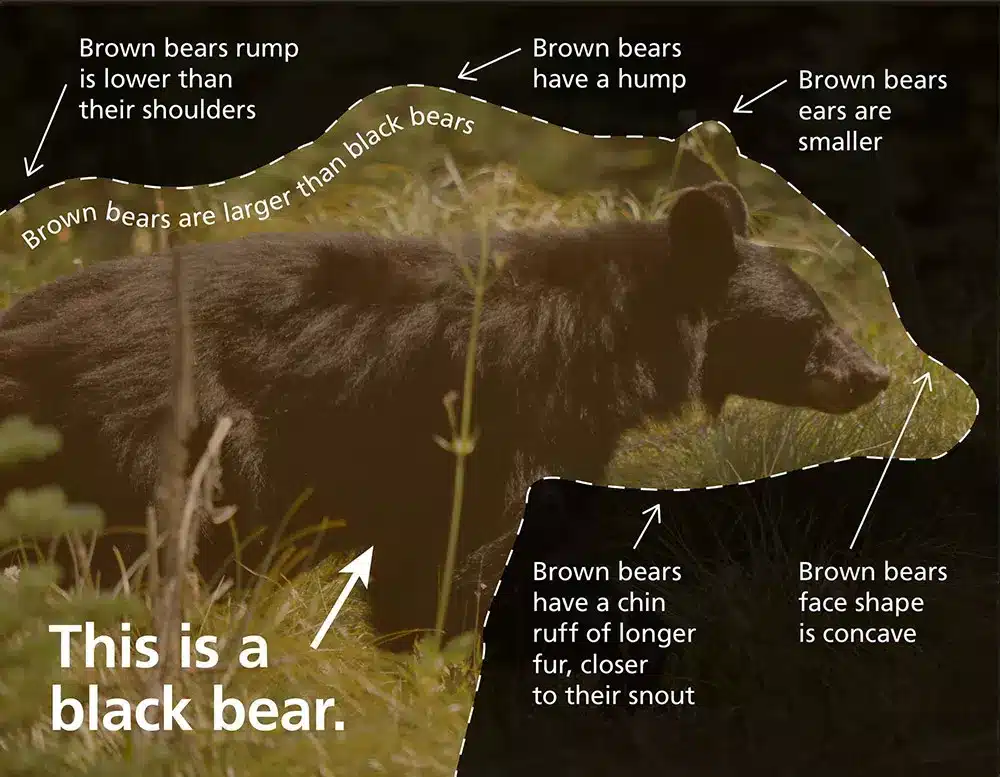
It is crucial to note that Mount Rainier National Park is home to black bears (Ursus americanus), and not grizzly bears (Ursus arctos horribilis). This distinction is important for understanding wildlife behavior and safety measures. While commonly referred to as "black bears," these animals can exhibit a range of coat colors, from true black to shades of brown, cinnamon, and even blonde. This coloration can sometimes lead to confusion. Black bears are generally smaller than their grizzly counterparts and lack the prominent shoulder hump characteristic of grizzlies. Their diet is primarily omnivorous, with a strong reliance on vegetation, berries, roots, and insects. However, they are opportunistic feeders and will consume carrion and, when available, human food.
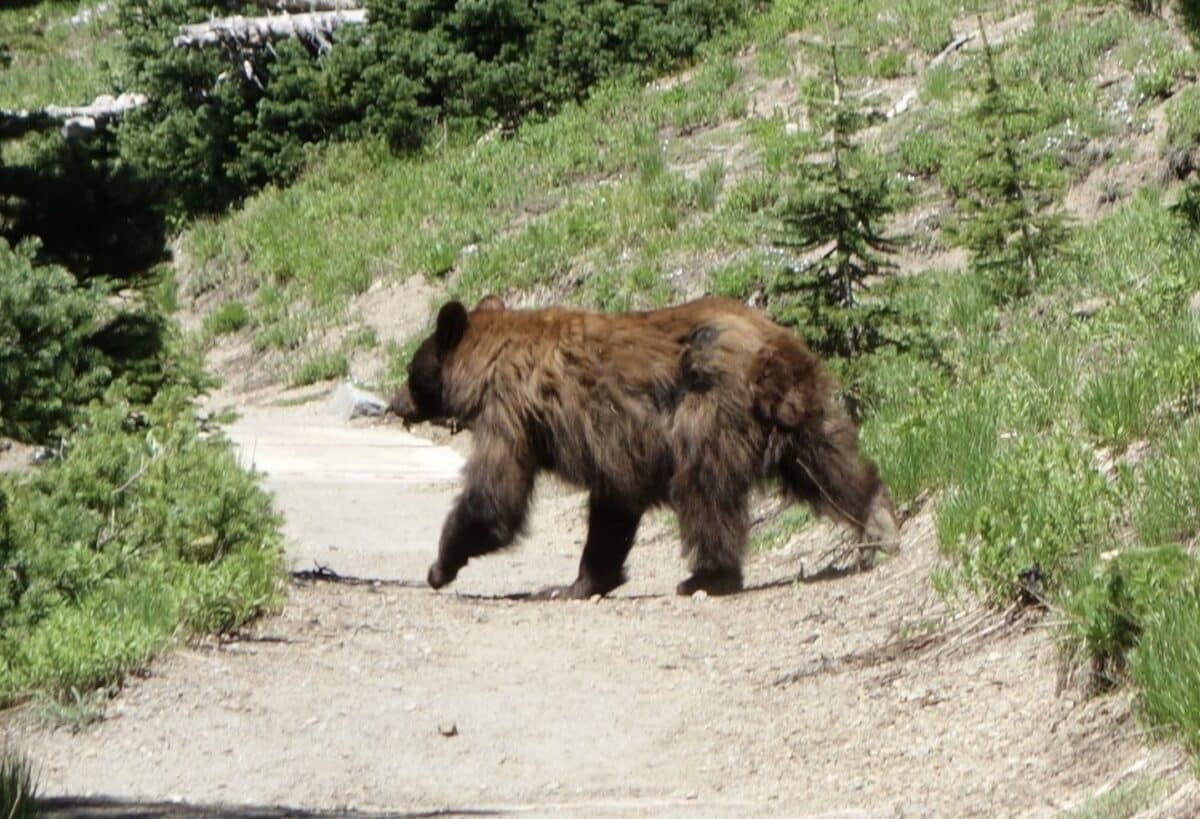
The park’s ecosystem supports a healthy population of black bears, with sightings reported across various elevations, from the dense lowland forests to the open subalpine meadows. Their presence is a vital part of the natural ecological balance within Mount Rainier. Spring, like the period of the incident, often sees increased wildlife activity as animals emerge from hibernation and forage for food. This increased activity can lead to more frequent encounters between humans and wildlife, highlighting the need for constant vigilance among visitors.
Official Statements and Visitor Guidance
While specific quotes from park officials regarding this particular incident were not immediately available in the initial reporting, the park’s established protocols and public advisories provide a clear indication of their approach. Mount Rainier National Park consistently emphasizes the importance of "keeping wildlife wild." This guiding principle underscores the need for visitors to maintain a respectful distance from all wildlife, including bears. The park’s official website and visitor information centers provide detailed guidelines on how to behave when encountering bears and other large mammals.
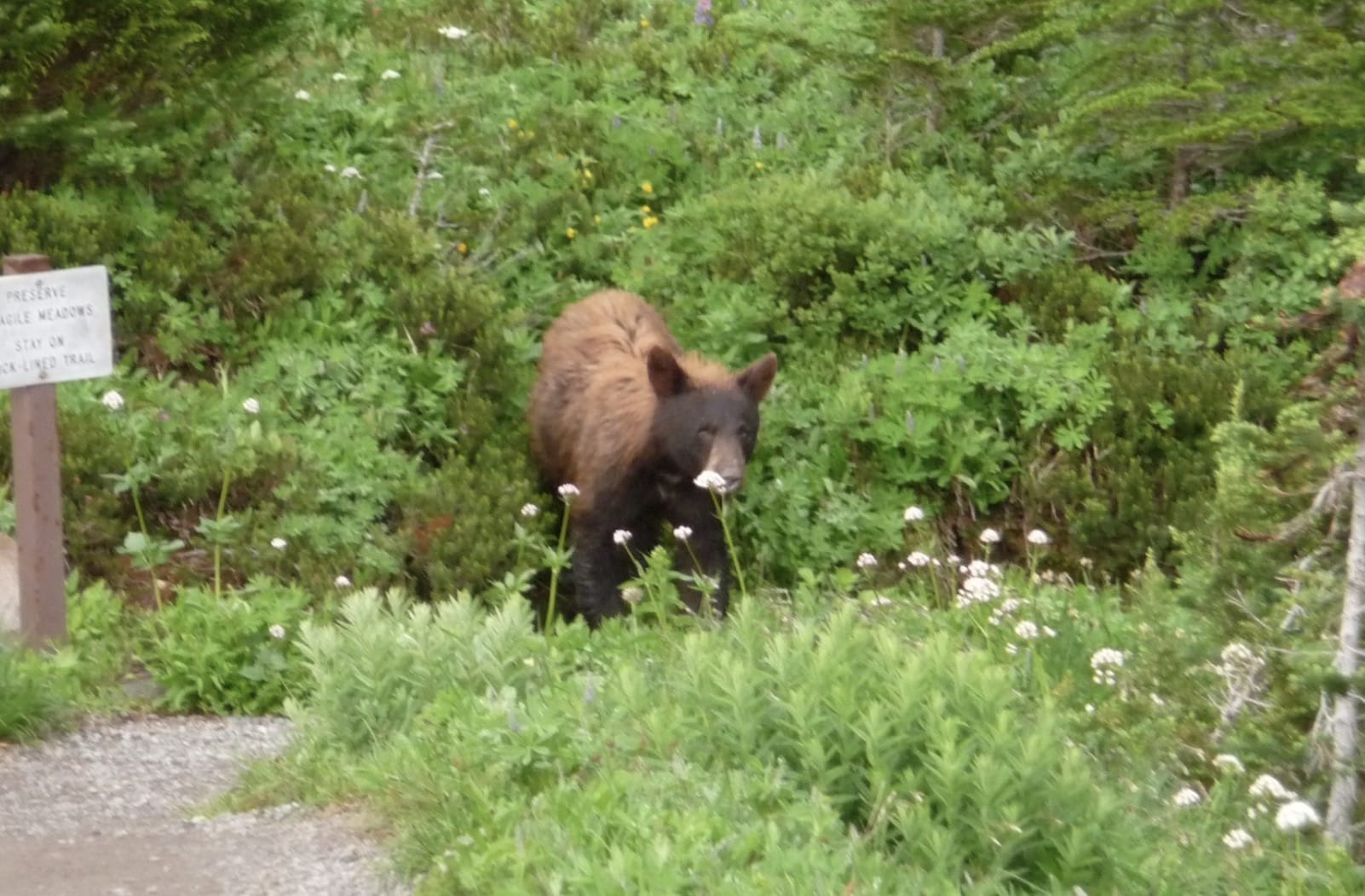
These guidelines are not merely suggestions but are crucial for both human safety and the well-being of the animals. By adhering to these recommendations, visitors contribute to the preservation of the natural behaviors of wildlife, preventing habituation that can lead to negative consequences for both bears and people. The temporary closure of the trail, though inconvenient for some, reflects the park’s commitment to prioritizing safety and responsible management of its natural resources.
Best Practices for Wildlife Encounters in National Parks
Mount Rainier National Park strongly advises visitors to adopt a proactive approach to wildlife safety. This includes:
- Maintain a Safe Distance: The recommended safe distance from bears is a minimum of 300 feet (approximately the length of two football fields). This distance allows bears to move freely without feeling threatened or cornered.
- Hike in Groups: Traveling in groups can deter bears. The noise generated by a group is more likely to alert bears to human presence from a distance, allowing them to avoid an encounter.
- Stay Alert: Pay attention to your surroundings. Be aware of any signs of wildlife, such as tracks, scat, or disturbed vegetation. Avoid wearing headphones that can impede your ability to hear approaching animals.
- Never Feed Wildlife: Feeding bears, intentionally or unintentionally through improper food storage, is strictly prohibited and has severe consequences. Bears that become accustomed to human food can become aggressive and may need to be euthanized. Secure all food and scented items in bear-resistant containers or appropriate storage lockers.
- Proper Food Storage: When camping or backpacking, utilize bear-resistant food canisters, store food in designated bear lockers, or use bear poles to hang food at least 10-15 feet off the ground and 4 feet away from the tree trunk.
- Recognize Bear Behavior: Understanding basic bear behavior is essential. Signs of stress or agitation in a bear can include huffing, jaw popping, swatting the ground, or a lowered head. If a bear exhibits these behaviors, it is a strong indication that you are too close.
Responding to a Bear Encounter
In the event of an encounter with a black bear, park officials recommend the following:
- Remain Calm: Sudden movements or panic can startle or provoke a bear.
- Do Not Approach: Never attempt to get closer to a bear for a photograph or closer observation.
- Assess the Situation: If the bear is unaware of your presence or moving away, slowly and quietly back away while facing the bear.
- If Noticed: If the bear notices you but does not approach, speak in a calm, firm voice to identify yourself as human. Slowly back away, increasing the distance.
- If Followed: If a bear follows you, stand your ground. Do not run, as this can trigger a chase response. Make yourself appear larger by raising your arms or trekking poles. Shout and make noise to try and scare the bear away. Throw non-food items like rocks or sticks if necessary.
- Bear Spray: Carry bear spray and know how to use it. It should be deployed only as a last resort, when the bear is within approximately 20 yards and approaching aggressively.
In the Rare Case of an Attack
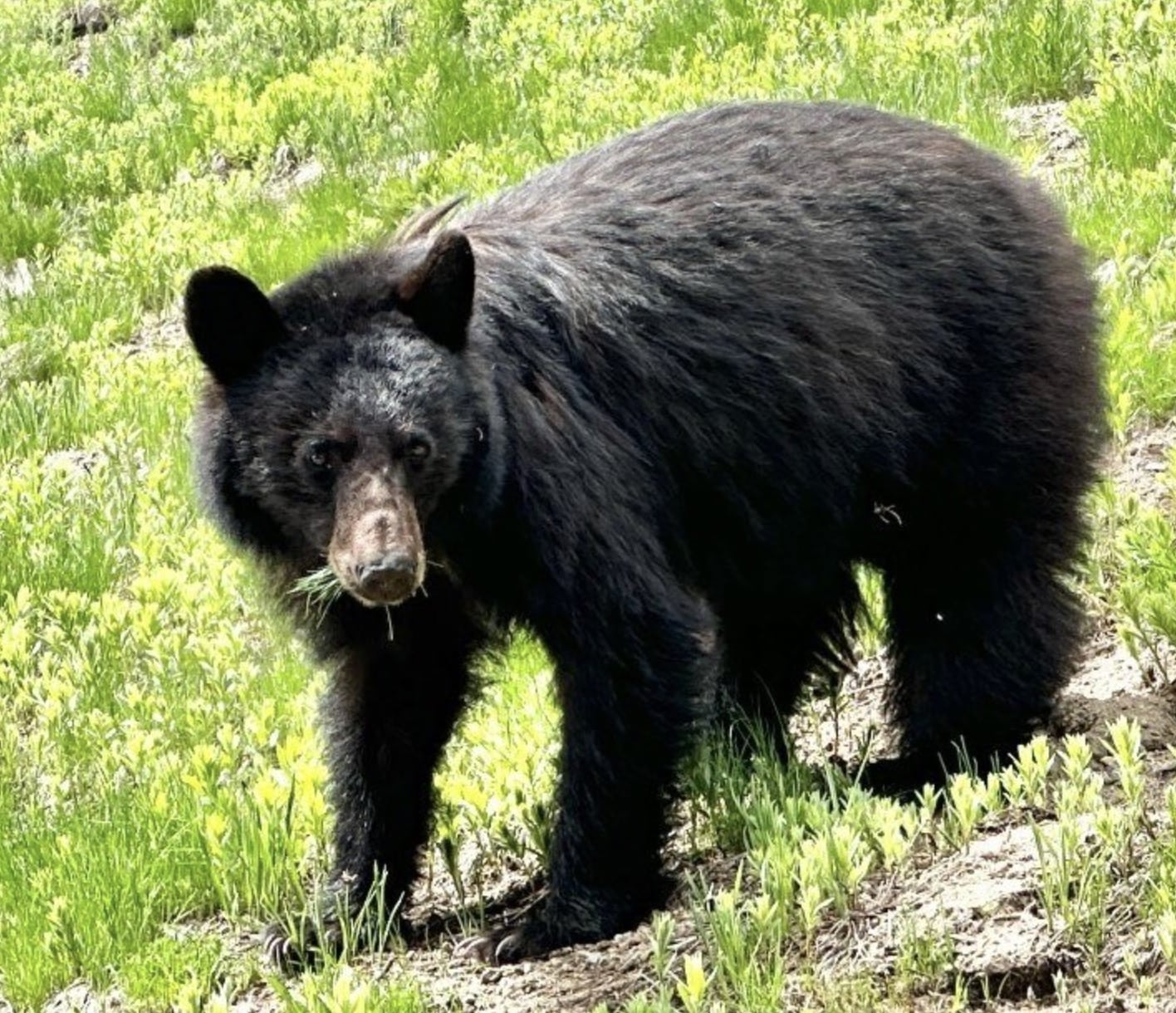
While black bear attacks are rare, and typically defensive rather than predatory, the park provides guidance for such extreme circumstances. If a black bear attacks, visitors are instructed to fight back. Unlike with grizzly bears, where playing dead can sometimes be effective, with black bears, the advice is to fight back aggressively using any available means. This emphasizes the different behavioral tendencies of the two species.
Broader Implications for Wildlife Management and Tourism
The incident at Mount Rainier serves as a pertinent reminder of the delicate balance between human recreation and wildlife preservation. National parks are not just tourist destinations; they are vital habitats for countless species. Events like this underscore the ongoing challenge for park managers to facilitate public access while safeguarding the natural integrity of these landscapes.
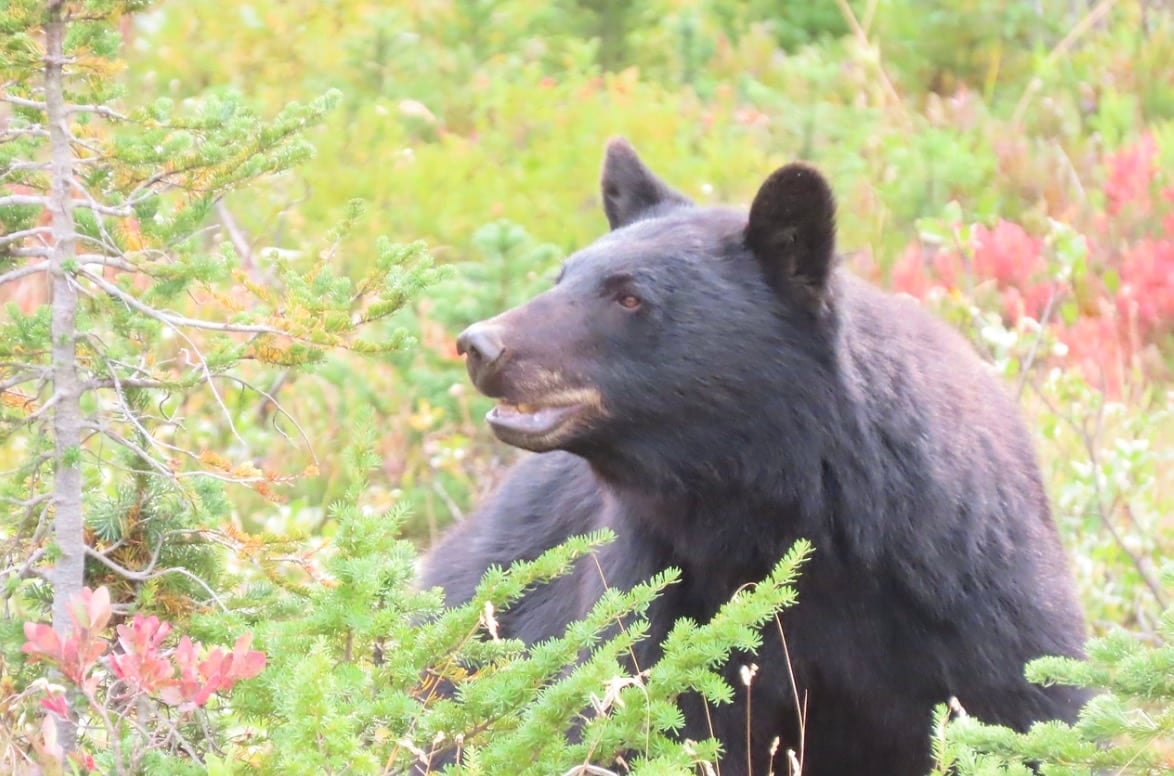
The proactive closure and subsequent reopening of the trail demonstrate a commitment to visitor safety without unnecessarily restricting access to the park’s natural beauty. This approach aims to educate visitors about coexisting with wildlife and fosters a greater appreciation for the wild spaces that draw millions to places like Mount Rainier each year. Continued public education and adherence to safety guidelines are paramount in ensuring that both visitors and the park’s wildlife can thrive in harmony. The presence of black bears, as with all wildlife, is a testament to the success of conservation efforts, and responsible visitor behavior is key to maintaining this success for generations to come.

