
Whistler, British Columbia – A growing movement among Whistler Blackcomb skiers and riders is demanding a more stringent approach to on-mountain safety, directly challenging the prevailing perception of Vail Resorts’ overzealous speed enforcement. A petition launched by a local skier has garnered over 1,300 signatures, calling for increased oversight of skier behavior and a renewed commitment to the Alpine Responsibility Code across Vail’s portfolio of ski resorts. This surge in advocacy signals a shift in sentiment, with some patrons now advocating for stricter enforcement where previously there was vocal opposition.
The Genesis of a Safety Initiative
The petition, spearheaded by Dr. Christina Williams, a frequent visitor to Whistler Blackcomb, highlights a series of personal experiences that have fueled her campaign. Williams recounted being involved in three separate collisions during the most recent ski season. The third and most severe incident resulted in a broken leg and ankle, an injury she attributes to an avoidable collision. "I was skiing in my little line and to be sent flying from behind has massive consequences. It’s like a highway that doesn’t have police monitoring," Williams stated in an interview with Pique NewsMagazine, the publication that first reported on the initiative. She expressed frustration with what she described as "prompted responses" from Whistler Blackcomb’s management when she attempted to address her concerns.
Williams’ petition outlines several key demands aimed at enhancing skier and rider safety:
- Increased Enforcement of Safe Speeds: A call for more personnel to actively monitor and enforce appropriate speeds on the slopes, particularly in designated slow zones.
- Robust Alpine Responsibility Code Enforcement: A demand for consistent application of the code, which governs skier conduct and establishes clear guidelines for safe operation.
- Guidance for Instructors: A request for ski instructors, especially those teaching younger skiers, to actively dissuade their students from engaging in excessively aggressive skiing.
- Implementation of Speed Monitoring: The petition suggests the potential for "speed traps" to deter reckless behavior.
- Transparency in Accident Data: A plea for Vail Resorts to release data pertaining to on-mountain accidents, fostering a more informed public discourse on safety.
- Consequences for Violations: The proposal includes revoking pass privileges for individuals who repeatedly disregard safety protocols and speed limits.
Broader Concerns and Historical Context
Dr. Williams is not alone in her concerns. Daniel Friedmann, another skier who has observed an increase in skiers “straightlining” down slopes, has lent his support to the petition. Friedmann voiced a broader critique of Vail Resorts, suggesting that the company’s emphasis on promoting Epic Passes and ancillary revenue streams, such as alcohol sales, may be overshadowing a fundamental commitment to safety. "The whole culture of the company used to be very safety-oriented," Friedmann remarked. "They don’t have the right safety culture in that company. It just stopped."
This sentiment resonates with a larger narrative surrounding Vail Resorts. The company has faced numerous criticisms regarding its safety standards across its extensive network of ski resorts. In Colorado, Vail has been embroiled in several lawsuits stemming from skiing-related injuries at resorts such as Breckenridge and Crested Butte. Furthermore, reports of increased equipment theft at Stevens Pass have also drawn scrutiny.
Conversely, Vail Resorts has also faced backlash from segments of the skiing community regarding the actions of its Mountain Safety employees. In instances where individuals have had their passes revoked for alleged excessive speed, such as the widely publicized case of snowboarding YouTuber Johnathan Buckhouse at Keystone, there has been a vocal outcry. This highlights a complex and often polarized debate, where the push for enhanced safety measures can inadvertently alienate some skiers who feel their freedom on the mountain is being unduly restricted. The underlying tension lies in balancing the desire for an exhilarating skiing experience with the imperative to protect all mountain users.
Vail Resorts’ Stance and Operational Philosophy
In response to the growing concerns and the petition, Belinda Trembath, Chief Operating Officer of Whistler Blackcomb, issued a statement emphasizing the resort’s commitment to guest experience and safety. "Our mountains welcome skiers and riders of all ages and abilities, and we are deeply committed to ensuring that every visit is enjoyable, comfortable, and safe," Trembath stated. "We ask all guests to adhere to the Alpine Responsibility Code, and safety personnel reinforce this on our slopes."
This official response underscores Vail Resorts’ stated policy of encouraging adherence to the Alpine Responsibility Code, which outlines skiers’ duties to ski in control, yield to those downhill, and ski within their abilities. While the company maintains that safety personnel are actively involved in reinforcing these guidelines, the petition suggests that the current level of enforcement is insufficient to address the perceived risks on the mountain.
Analyzing the Implications
The Whistler petition signifies a potential inflection point in the ongoing dialogue between ski resorts and their patrons, particularly concerning safety protocols under corporate ownership. The shift from widespread complaints about over-enforcement to demands for increased oversight suggests a growing awareness among skiers and riders about the real risks associated with unchecked speed and aggressive skiing.
The success of Dr. Williams’ petition could set a precedent for other Vail Resorts properties, potentially leading to a more standardized and robust approach to safety management across the entire network. This could involve greater investment in training for Mountain Safety teams, the strategic deployment of technology for monitoring speeds, and more transparent communication channels for addressing guest concerns.
However, the challenge for Vail Resorts, and indeed for the broader ski industry, lies in navigating the fine line between ensuring safety and preserving the element of freedom and exhilaration that draws millions to the slopes each year. The debate at Whistler Blackcomb is not merely about speed limits; it is a reflection of evolving expectations for resort operations, a demand for greater accountability from large corporate entities, and a collective desire for a safer and more enjoyable experience for all who venture onto the mountain.
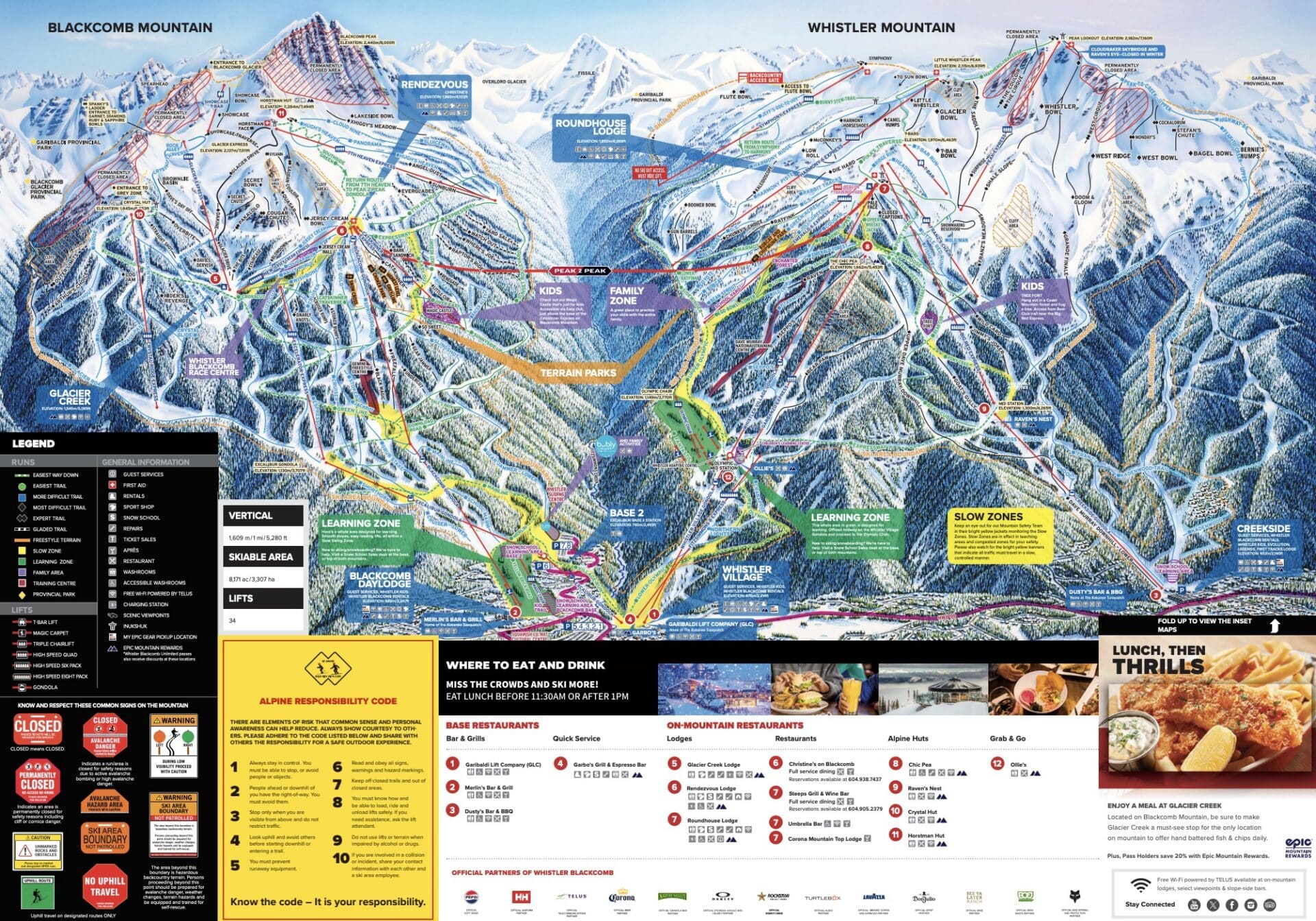
The petition can be accessed at https://www.change.org/p/improve-skier-and-rider-safety-at-whistler-blackomb-and-all-vail-ski-resorts.
Image/Video Credits: Benjamin Hayward, Rise & Alpine, Whistler Blackcomb

