
The 30th Annual United Nations Climate Change Conference, held in the Amazonian port city of Belém, Brazil, concluded with a complex duality of heightened civic ambition and significant diplomatic friction. As nearly 200 nations gathered at the "gateway to the Amazon," the summit was characterized by the participation of approximately 60,000 attendees, ranging from heads of state and sub-national leaders to grassroots activists and scientific researchers. Despite the urgent backdrop of the world’s largest rainforest, the conference struggled to bridge the gap between the scientific necessity of rapid decarbonization and the geopolitical realities of energy production.
The Amazonian Setting and the Strategic Importance of COP30
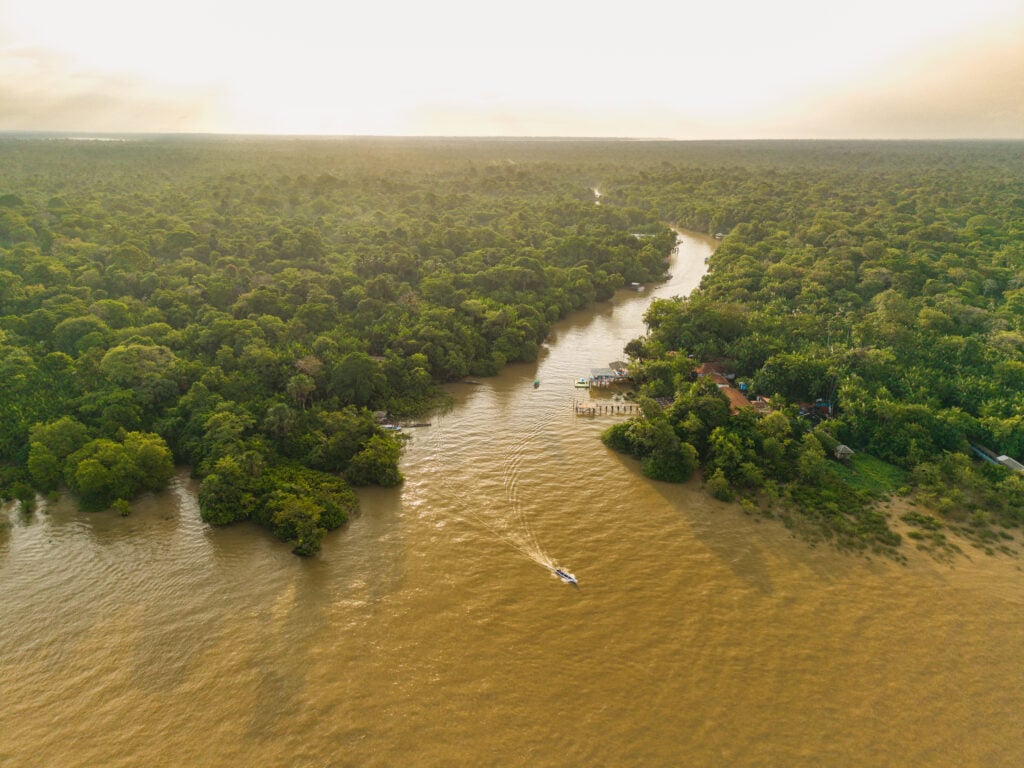
Hosting the conference in Belém was a calculated move by the Brazilian government under President Luiz Inácio Lula da Silva to center the Amazon—and by extension, nature-based solutions—in the global climate dialogue. The Amazon rainforest serves as a critical carbon sink, yet it faces an existential threat from deforestation and rising temperatures. For the first time, the "Blue Zone"—the secure area where official UN negotiations take place—was situated in a region that embodies the very stakes of the climate crisis.
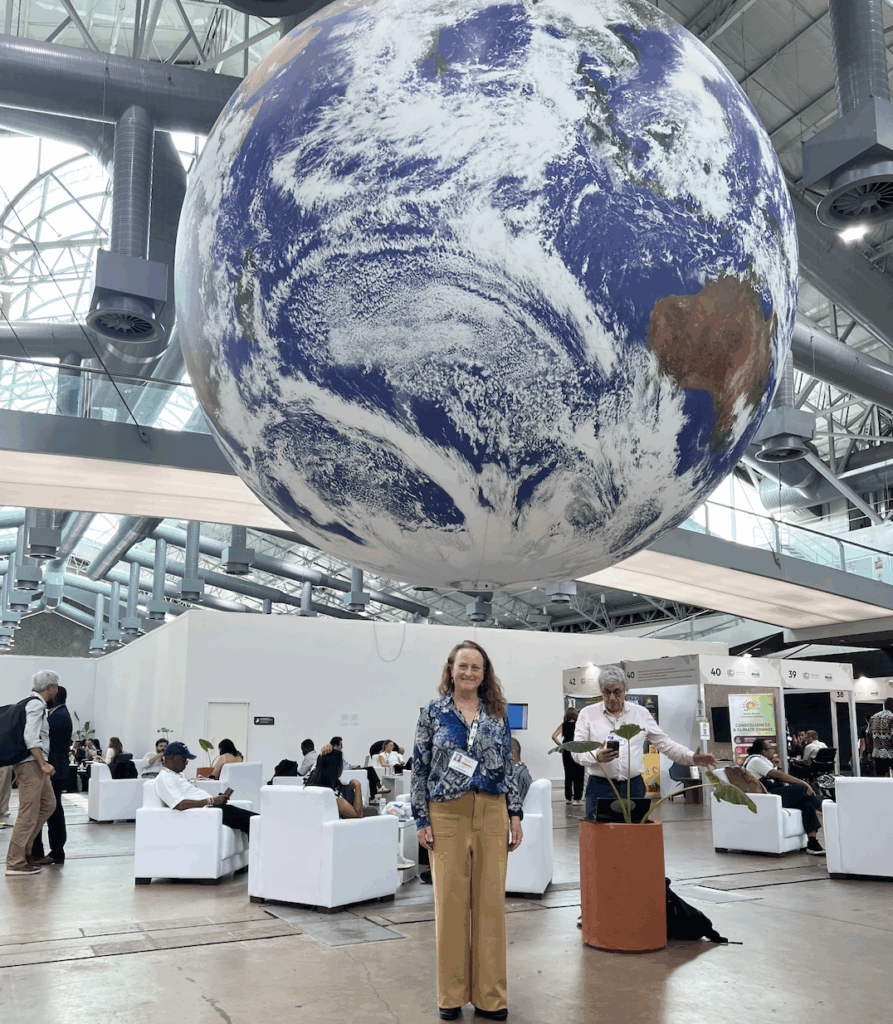
The conference served as a "Climate World Fair," featuring an array of national pavilions, non-governmental organization (NGO) exhibits, and coalition hubs. These spaces were designed to showcase climate successes and foster cross-cultural knowledge sharing. Pavilions from countries such as India and Portugal became centers for cultural diplomacy, while specialized areas like the Climate Mobility Hub highlighted the growing reality of climate-induced migration. However, the visual splendor of the Blue Zone often stood in stark contrast to the grueling and frequently stalled negotiations occurring behind closed doors.
The Geopolitical Vacuum: A Fragmented U.S. Presence
A defining feature of COP30 was the absence of an official federal negotiation delegation from the United States, following a shift in administrative priorities. Historically, the U.S. has played a pivotal role as a broker in multilateral climate agreements. The lack of a formal federal presence was noted by international observers as a significant roadblock to finalizing high-stakes deals.
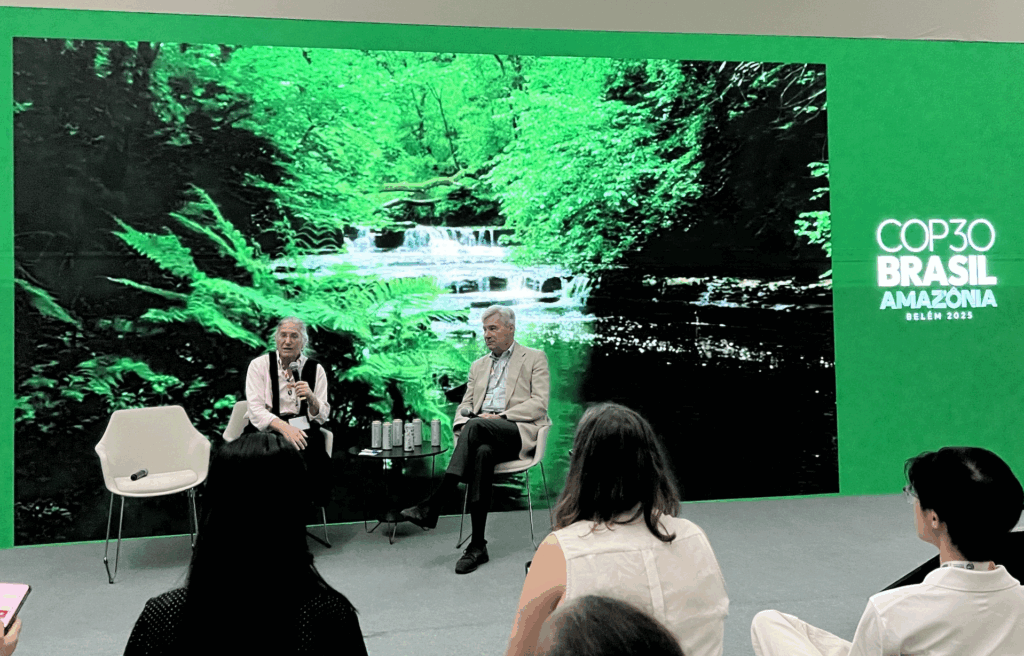
In the absence of federal leadership, sub-national actors and legislative figures sought to maintain American influence. Senator Sheldon Whitehouse of Rhode Island represented a lone congressional presence in Belém, emphasizing that the partisan divide over climate policy in the U.S. is exacerbated by the financial influence of the fossil fuel industry. During his address to students and observers, Whitehouse argued that as long as the fossil fuel industry "enjoys the freedom to pollute for free," the global pathway to climate safety remains obscured.
Simultaneously, California Governor Gavin Newsom utilized the summit to bypass federal inaction, signing bilateral methane reduction agreements with Colombia and electric vehicle (EV) expansion pacts with Nigeria. This "sub-national diplomacy" was bolstered by the "America’s All In" coalition and the U.S. Climate Alliance, groups representing a significant portion of the American economy that remain committed to the goals of the Paris Agreement.
The Rise of Civil Society and the RINGO Community
While official negotiations faced hurdles, civil society organizations and academic institutions provided a surge of energy and research-driven advocacy. The Research and Independent Non-Governmental Organizations (RINGO) community, one of the nine official constituencies recognized by the United Nations Framework Convention on Climate Change (UNFCCC), played a vital role.
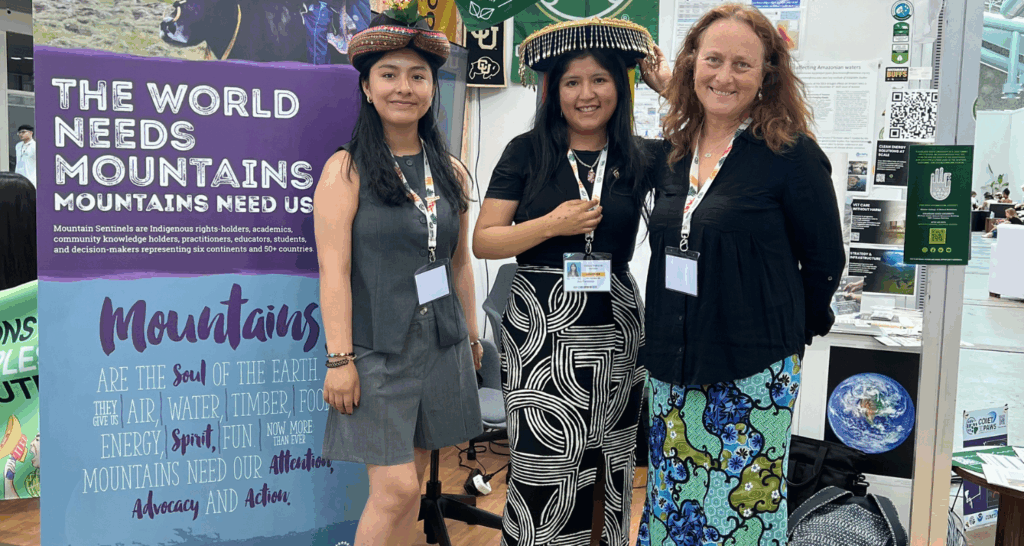
Academic delegations, including those from Colorado State University and the Instituto de Montaña, showcased the intersection of mountain ecosystem research and community-based adaptation. These groups highlighted the specific vulnerabilities of high-altitude regions, which often experience warming at twice the global average. The presence of students at the summit provided a generational perspective, as they engaged directly with negotiators and challenged the slow pace of official processes.
A notable highlight of the conference was the involvement of Saúl Luciano Lliuya, a Peruvian farmer whose landmark lawsuit against the German energy giant RWE has become a cornerstone of global climate litigation. Lliuya’s presence, supported by a documentary film team and various NGOs, served as a reminder of the growing movement to hold major polluters legally and financially accountable for climate-related damages.
Indigenous Leadership and the Barrier of Representation
COP30 saw a record number of Indigenous delegates, with approximately 900 representatives gaining access to the Blue Zone—a three-fold increase from the previous year. Indigenous leaders led powerful demonstrations and shared sophisticated climate solutions rooted in traditional land stewardship. They demanded not only recognition but also direct inclusion in national climate targets and access to climate finance.
However, the increase in numbers did not necessarily translate into a shift in power dynamics. Indigenous delegates reported that much of the representation felt symbolic, as they remained excluded from the final decision-making rooms where treaty text is finalized. Furthermore, the presence of more than 1,800 fossil fuel lobbyists—roughly double the number of Indigenous representatives—underscored the persistent influence of traditional energy interests.
Logistical and systemic barriers also hampered the participation of Global South representatives. Issues ranging from restrictive transit visas to the lack of translation services for non-English speakers (such as Quechua or Spanish) highlighted the ongoing inequities within the UNFCCC process. For many, the "Amazon COP" was a reminder that physical proximity to a vulnerable region does not automatically guarantee equity for its inhabitants.
Chronology of Key Events and Negotiating Deadlocks
The two-week summit followed a tense timeline of events that reflected the broader struggle for climate consensus:
- Week One: High-level segments featured speeches from world leaders, while sub-national agreements (such as Governor Newsom’s methane deals) provided early momentum. Protests erupted near the summit entrance as activists demanded a clear roadmap for phasing out fossil fuels.
- Mid-Summit: The "Local Leaders Forum" in Rio de Janeiro transitioned into the main negotiations in Belém, bringing governors and mayors into the fold.
- Week Two: Negotiations entered the "crunch phase," where the draft text of the final agreement was debated. Disagreements over climate finance—specifically the "Loss and Damage" fund—and the language regarding energy transition became the primary points of contention.
- Closing Plenary: The conference concluded with a final document that, despite the consensus of over 80 nations, omitted the phrase "fossil fuels" entirely. This omission was largely attributed to pressure from petrostates and nations with significant economic reliance on oil and gas extraction.
Data-Driven Analysis: The 1.5°C Target and Emission Realities
The primary scientific objective of COP30 was to reinforce the pathway to limiting global warming to 1.5°C above pre-industrial levels. According to the United Nations Environment Programme (UNEP), achieving this target requires a 55% reduction in global greenhouse gas emissions by 2035.
Current Nationally Determined Contributions (NDCs) remain insufficient to meet this goal. The lack of a commitment to phase out fossil fuels in the Belém document is viewed by many scientists as a significant setback. Data presented during the summit indicated that 2024 is on track to be the warmest year on record, with atmospheric carbon dioxide concentrations reaching new heights. The disconnect between these data points and the final negotiated text suggests a growing divergence between scientific urgency and political will.
Analysis of Implications and Forward Motion
Despite the disappointment surrounding the final text, several "meaningful wins" emerged from COP30 that indicate a shift toward localized and specialized action:
- Methane Mitigation: The expansion of sub-national methane agreements represents a pragmatic approach to reducing short-lived but potent climate pollutants.
- Climate Litigation Momentum: The visibility of cases like Lliuya’s indicates that the judiciary is becoming a secondary front for climate action when multilateral negotiations stall.
- Indigenous Knowledge Integration: The increased presence of Indigenous delegates has solidified their role as essential partners in conservation, even if formal power remains elusive.
- Mountain Agenda Progress: New alliances between Central Asian and Andean nations have brought the specific needs of mountain communities to the forefront of the UNFCCC’s technical work.
The outcome of COP30 serves as a stark reminder of the complexities inherent in global climate governance. As one veteran negotiator noted, the current state of the planet requires "everyone, everywhere, all at once." While the summit in Belém fell short of a definitive end to the fossil fuel era, it succeeded in broadening the coalition of actors—cities, states, scientists, and Indigenous peoples—who are prepared to act regardless of the hurdles at the federal and international levels. The road to the next COP will require these stakeholders to bridge the gaps left by the formal negotiations, turning the "Blue Zone buzz" into tangible, measurable cooling for a warming planet.

