
A dramatic rescue operation unfolded on the Oregon coast Sunday afternoon, culminating in the aerial extraction of an injured hiker from a treacherous cliff face near Roads End Point. The incident, which required the coordinated efforts of multiple emergency response agencies, highlighted the inherent dangers of the rugged coastal terrain and the critical importance of adhering to safety guidelines. The hiker, whose identity has not been released, sustained injuries while exploring the area just south of God’s Thumb, a geologically significant and notoriously unstable section of the coastline.
The Initial Call and Escalation of Resources
The alarm was raised shortly before 2:00 PM when North Lincoln Fire and Rescue received a distress call reporting an injured individual stranded on a cliff face. Upon arrival at the scene, first responders quickly assessed the severity of the situation. The patient was located approximately halfway down the sheer cliff, a position that rendered traditional ground-based rescue methods exceedingly difficult and hazardous. The challenging nature of the terrain, characterized by steep inclines, loose scree, and the constant threat of erosion, necessitated a specialized approach.
Recognizing the immediate need for advanced technical rescue capabilities, North Lincoln Fire and Rescue crews initiated a call for mutual aid. This led to the swift deployment of the Lincoln County Technical Rescue Team, a specialized unit equipped to handle complex extrication scenarios in demanding environments. Simultaneously, the critical need for aerial support became apparent, prompting a request for assistance from the U.S. Coast Guard. A helicopter unit, stationed at the Coast Guard Air Station North Bend, was dispatched to the location to provide the necessary aerial evacuation capabilities. The rapid mobilization of these diverse resources underscores the well-established protocols for managing high-risk rescue incidents along the Oregon coast.
The Rescue Operation: A Symphony of Skill and Precision
Once on scene, the combined rescue teams began the meticulous process of securing the patient and preparing for extraction. Fire crews established a safe perimeter and initiated the stabilization of the injured hiker, ensuring her immediate well-being amidst the precarious circumstances. The technical rescue team then worked to establish an anchor system and rigging necessary for a safe and controlled hoist operation.
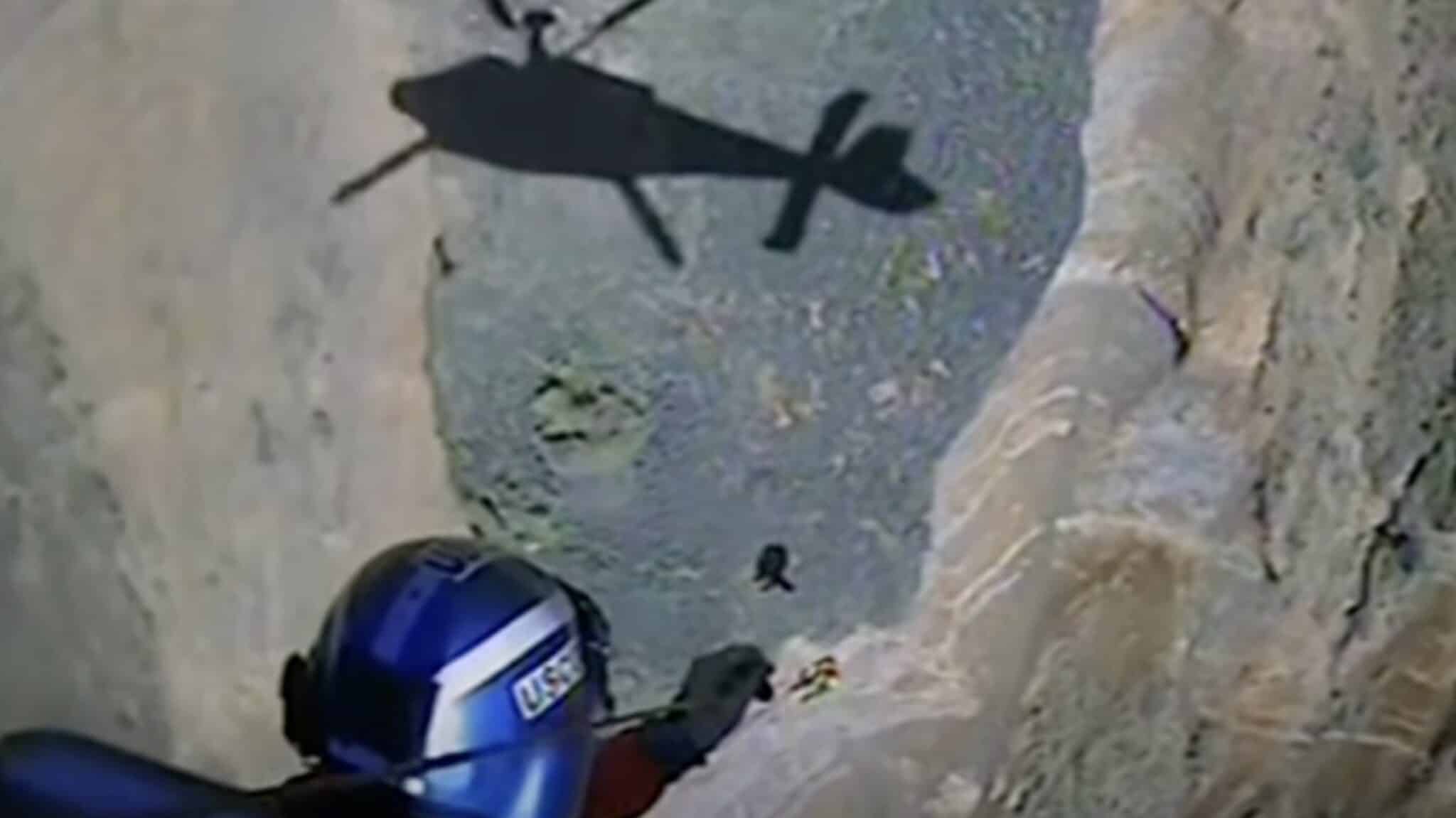
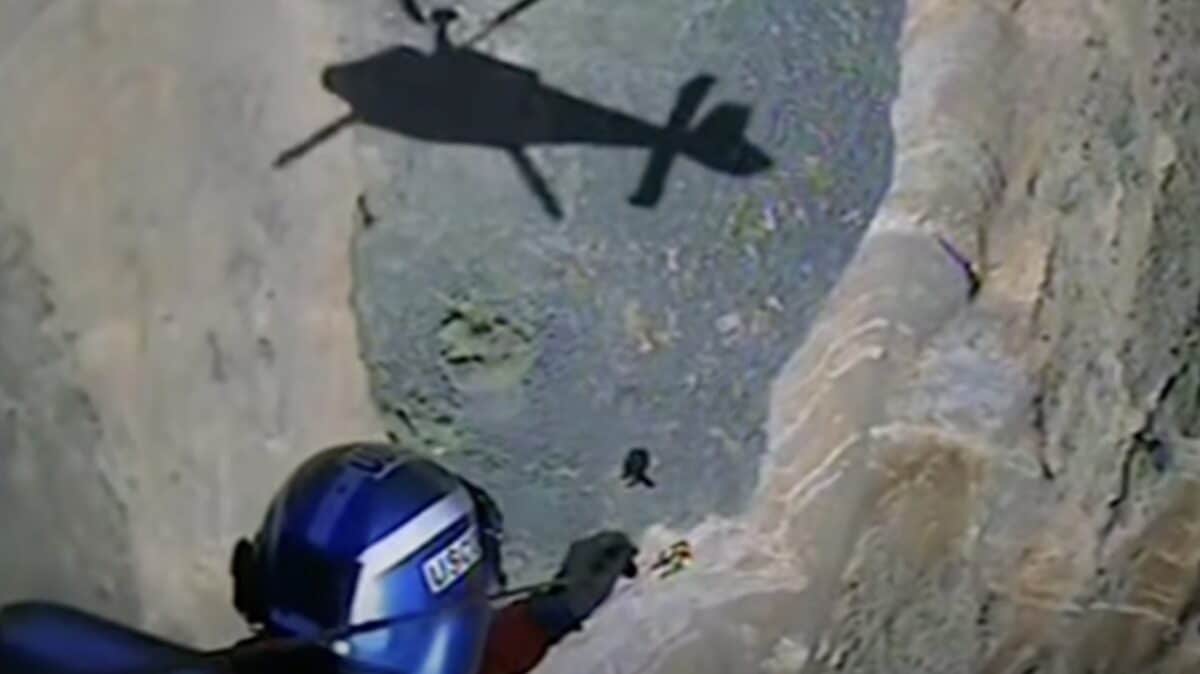
The U.S. Coast Guard helicopter crew played a pivotal role in the operation. Their expertise in aerial maneuvers in challenging coastal conditions was essential. The helicopter’s winch system was deployed, allowing a rescue swimmer or rescuer to descend to the hiker’s position. Following a carefully orchestrated plan, the hiker was secured in a specialized harness or rescue basket and then expertly hoisted to safety. The entire operation demanded a high degree of precision, communication, and trust between the ground crews and the aircrew. The successful hoist, captured in a video released by the Coast Guard, demonstrated the effectiveness of inter-agency cooperation in life-threatening situations.
Following the successful extraction, the hiker was transported by the Coast Guard helicopter to a local hospital. Medical personnel reported her injuries to be non-life-threatening, a testament to the swift and efficient response of the rescue teams.
Background and Context: The Perils of God’s Thumb and Roads End
The incident occurred in a region known for its breathtaking, yet unforgiving, natural beauty. God’s Thumb and the surrounding Roads End Point are popular destinations for hikers and nature enthusiasts drawn to the dramatic coastal vistas. However, these areas are also characterized by significant geological instability. The bluffs and cliffs along this stretch of the Oregon coast are composed of sedimentary rock formations that are prone to erosion from wind, rain, and wave action. This constant weathering can lead to unpredictable rockfalls and landslides, making off-trail exploration particularly dangerous.
The Oregon State Parks and Recreation Department, which oversees many coastal recreational areas, consistently advises visitors to remain on marked trails. These trails are generally designed and maintained to provide access to scenic viewpoints while mitigating the most significant risks. The terrain in question, particularly the steep cliff faces, presents a natural barrier and a significant hazard to those who venture beyond designated pathways. In the past, similar incidents have occurred in coastal areas throughout Oregon, underscoring the persistent risk associated with navigating undeveloped and geologically active landscapes. The proximity of this rescue to Roads End Point, a well-known area with established trail systems, suggests a deviation from recommended safety practices.
Chronology of Events
- Sunday Afternoon, shortly before 2:00 PM: North Lincoln Fire and Rescue receives a distress call regarding an injured hiker on a cliff face near Roads End Point, south of God’s Thumb.
- Upon arrival: Fire crews assess the situation and determine the need for specialized technical rescue and aerial support due to the patient’s location and the hazardous terrain.
- Mutual Aid Requested: North Lincoln Fire and Rescue requests assistance from the Lincoln County Technical Rescue Team and the U.S. Coast Guard.
- Response Mobilized: The Lincoln County Technical Rescue Team and a U.S. Coast Guard helicopter from Air Station North Bend are dispatched to the scene.
- Stabilization and Preparation: Fire crews reach the patient, provide initial medical stabilization, and prepare her for aerial extraction.
- Aerial Hoist Operation: The U.S. Coast Guard helicopter crew successfully executes a hoist operation, lifting the hiker from the cliff face.
- Transport to Hospital: The injured hiker is airlifted to a local hospital for treatment.
- Post-Rescue Acknowledgement: North Lincoln Fire and Rescue issues a statement thanking the assisting agencies for their crucial role in the rescue.
Official Statements and Calls for Caution
Following the successful rescue, North Lincoln Fire and Rescue expressed profound gratitude for the collaborative efforts of all involved agencies. A statement from the department specifically acknowledged the U.S. Coast Guard, the Lincoln County Technical Rescue Team, and the Lincoln City Police Department for their "coordinated response to the incident." This emphasis on inter-agency cooperation highlights the complex logistical and operational challenges inherent in such rescues.
Furthermore, officials seized the opportunity to reiterate crucial safety advisories for visitors to the Oregon coast. Hikers and outdoor enthusiasts were strongly urged to "stay on designated trails throughout the Roads End and God’s Thumb areas." The statement underscored that "venturing off established paths can quickly lead to dangerous situations that put rescuers at risk and carry significant costs to taxpayers." The message serves as a stark reminder that the natural beauty of the Oregon coast comes with inherent risks, and adherence to safety protocols is paramount to preventing further incidents and ensuring the well-being of both individuals and emergency responders. The potential for unstable coastal cliffs and hazardous terrain, particularly near steep drop-offs, cannot be overstated.
Broader Implications and Cost of Rescue Operations
This incident, while ending in a positive outcome, carries broader implications for public safety and resource management. Technical rescues, especially those involving aerial extraction, are resource-intensive operations. They demand specialized equipment, highly trained personnel, and significant operational time, all of which come with associated costs. While the exact financial impact of this particular rescue was not immediately available, similar operations often incur substantial expenses related to fuel, personnel overtime, equipment maintenance, and the deployment of multiple agencies.
The repeated warnings from authorities about staying on designated trails serve not only to protect individuals from harm but also to preserve valuable emergency resources. Each rescue operation diverts personnel and equipment from other potential emergencies, impacting overall public safety capacity. The economic impact, while secondary to human life, is also a significant consideration. The cost of a single complex rescue can translate into thousands of dollars, a burden ultimately borne by taxpayers. Therefore, promoting responsible outdoor recreation through education and adherence to safety guidelines is an investment in both individual well-being and the efficient allocation of public resources. The inherent dangers of the Oregon coast, particularly its dynamic cliff faces, necessitate a heightened sense of awareness and a commitment to responsible exploration.

