
In a landmark collaboration poised to reshape the landscape of snow sports, the International Ski and Snowboard Federation (FIS) and the Kelly Brush Foundation (KBF) have formally announced a Memorandum of Understanding (MOU). This strategic alliance, unveiled in a joint release, aims to significantly enhance alpine racing safety protocols worldwide while simultaneously broadening access and opportunity within Para Snowsports. This partnership unites the global governing body of skiing and snowboarding with a foundation renowned for its profound impact on adaptive recreation, safety advocacy, and athlete support across North America, signaling a powerful, unified commitment to a future where snow sports are both safer and more inclusive for all participants, regardless of ability.
The high-octane world of alpine ski racing demands an unparalleled blend of physical prowess, mental fortitude, and precise execution. Athletes routinely navigate treacherous, icy slopes at speeds exceeding 100 kilometers per hour, relying on years of meticulous preparation, immense strength, finely honed skill, and split-second instinct. The inherent risks are undeniable; a single miscalculation can have catastrophic consequences, fundamentally altering an athlete’s life in an instant. This stark reality is understood intimately by Kelly Brush, whose personal journey from elite collegiate racer to paralyzed adaptive athlete became the catalyst for one of the most influential safety and adaptive sports movements in North American skiing history.
A Personal Tragedy Ignites a Global Movement
The story of the Kelly Brush Foundation is inextricably linked to the personal experience of its namesake. In 2006, Kelly Brush was a rising star, counted among the top collegiate ski racers in the United States, competing for Middlebury College. During an NCAA race, a devastating crash resulted in a severe spinal cord injury, leaving her paralyzed. This life-altering event, however, did not extinguish her spirit; instead, it ignited a fierce determination to transform her tragedy into a force for positive change within the skiing community and beyond.
Immediately following her injury, Kelly, along with her family, identified two critical and interconnected needs that were inadequately addressed within the existing snow sports framework. Firstly, there was a pressing demand for stronger, more comprehensive attention to safety measures in competitive ski racing, particularly at the collegiate and junior levels. The existing standards and equipment, they observed, often fell short in providing optimal protection against the sport’s inherent dangers. Secondly, and equally important, was the glaring lack of access to adaptive recreation opportunities for individuals living with spinal cord injuries. The cost of specialized adaptive equipment, coupled with limited programs and support structures, often created insurmountable barriers for those eager to return to active lifestyles or discover new passions.
The Kelly Brush Foundation was established with the explicit mission to confront both of these challenges head-on. Over the past nearly two decades, the organization has grown from a deeply personal initiative into a national powerhouse, directly transforming thousands of lives and advocating for systemic change. The foundation’s dual focus—fostering a culture of safety and championing adaptive sports—has positioned it as a unique and respected voice within the broader athletic community.
The Foundation’s Enduring Impact: Bridging Gaps and Empowering Lives
The Kelly Brush Foundation’s operational model is built on tangible action and measurable results. Its impact can be primarily categorized into two vital areas: adaptive sports equipment grants and comprehensive ski racing safety advocacy.
On the adaptive sports front, the financial burden associated with specialized equipment is a significant barrier for many individuals with disabilities. A mono-ski, for instance, can cost upwards of $5,000 to $10,000, while handcycles or adaptive mountain bikes can range from $3,000 to $8,000 or more. These costs often place participation in beloved activities like skiing, cycling, and other outdoor pursuits financially out of reach for families already facing medical expenses and other challenges. The KBF has proactively addressed this disparity by distributing more than $6 million in adaptive sports equipment grants. This substantial financial support has directly enabled countless individuals to acquire the necessary gear, thereby bridging the financial gap and opening doors to active outdoor lifestyles.
Beyond equipment, the foundation actively supports adaptive sports camps, scholarships, and recreation programs. These initiatives have introduced tens of thousands of people with disabilities to a vibrant world of physical activity, fostering independence, restoring confidence, and rebuilding a sense of identity and community that can often be fractured after a catastrophic injury. The ability to ski down a mountain again, to feel the wind while cycling, or to simply participate outdoors, can be profoundly life-changing, moving individuals from a place of isolation to one of engagement and empowerment. Kelly Brush herself exemplifies this, continuing to be an avid skier, biker, golfer, and outdoor athlete, alongside her roles as a pediatric nurse practitioner and mother, demonstrating that paralysis does not equate to an end to an active life.
Concurrently, the KBF has solidified its reputation as a respected and influential advocate for ski racing safety. Recognizing that prevention is paramount, the organization has worked tirelessly with ski clubs, resorts, and race organizers to improve protection systems and mitigate risks. This advocacy takes several forms, including educational initiatives that raise awareness about best practices in course setting and risk management, as well as providing grants for critical safety equipment. These grants often fund the purchase of B-netting, a highly visible and effective barrier system designed to absorb impact and prevent athletes from colliding with obstacles, and tower pads, which cushion impacts against snowmaking equipment, lift towers, and other fixed hazards. By investing in these protective measures, the foundation directly contributes to creating safer racing environments for future generations of athletes.
The Strategic Importance of the FIS Partnership
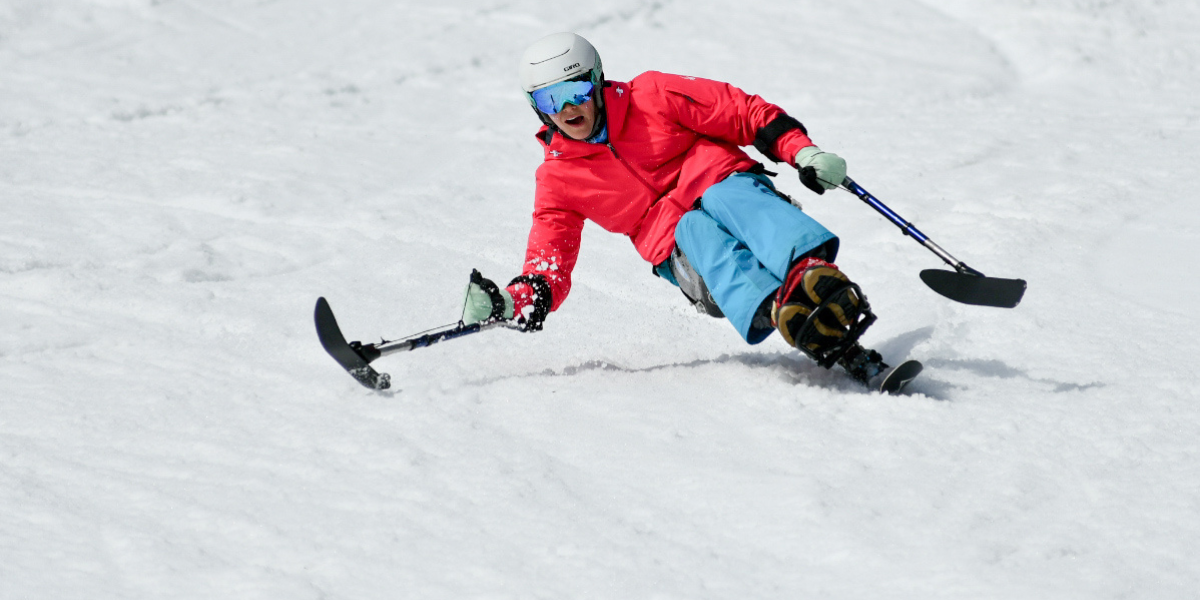
The decision by FIS to partner with the Kelly Brush Foundation marks a pivotal moment for global snow sports. For alpine skiing, discussions around safety are never theoretical; they are grounded in the very real, high-stakes environment where athletes push the boundaries of human performance. Modern racers generate immense speeds on terrain that demands absolute commitment and precision. While the inherent thrill and challenge of the sport will always carry a degree of risk, organizations across skiing are continuously seeking innovative ways to better protect athletes without compromising the integrity or excitement of the competition itself.
It is in this critical domain that the Kelly Brush Foundation has meticulously built its credibility over nearly two decades. Its practical, athlete-centered approach to safety, combined with its profound understanding of the long-term consequences of injury, makes it an invaluable partner. By formalizing this partnership through an MOU, FIS gains direct access to KBF’s extensive experience in safety education, infrastructure development, and adaptive sports programming. This collaboration means that the foundation’s proven successes and expertise, initially cultivated within the United States, can now directly influence programs and standards on an international scale. This is particularly crucial for emerging ski nations, where safety resources and adaptive sports opportunities may still be limited or nascent, and where implementing established best practices can have an immediate and significant impact.
Kelly Brush herself articulated the immense potential of this global expansion, stating in the joint announcement, "Partnering with FIS allows us to scale our impact globally. Together, we are elevating the importance of safety in ski racing and bringing the successes we’ve had in the US to an international audience. We’re excited to have FIS as a partner with shared values and priorities."
Echoing this sentiment, FIS President Johan Eliasch emphasized that the collaboration transcends the singular focus on safety, encompassing a broader vision for inclusivity. "Together with the Kelly Brush Foundation, we are not only expanding access to sport, but also building a safer, more inclusive environment where athletes of all abilities can thrive," Eliasch stated. "By combining our expertise and global platforms, we have the opportunity to create lasting impact and accelerate the growth of Para Snowsports worldwide." This statement underscores the strategic synergy between the two organizations, leveraging KBF’s specialized knowledge and FIS’s vast global network and regulatory authority.
Four Pillars of Progress: A Roadmap for the Future
According to the joint announcement, the partnership between FIS and the Kelly Brush Foundation will concentrate its efforts on four primary areas, designed to provide a clear roadmap for achieving their ambitious goals:
- Enhancing Safety Standards and Education: This pillar focuses on developing and implementing advanced safety standards for race course design, protective equipment (such as B-netting and tower padding), and comprehensive athlete education programs. The goal is to standardize best practices across FIS events and member federations globally, reducing the risk of severe injuries without compromising the competitive nature of the sport.
- Expanding Para Snowsports Access and Development: This initiative aims to create new and accessible pathways for individuals with physical disabilities to participate in skiing and snowboarding. This includes supporting the provision of adaptive equipment, developing specialized coaching programs, and fostering grassroots participation from an early age, ultimately nurturing talent that could lead to future Paralympic success.
- Collaborative Research and Innovation: Both organizations commit to fostering joint research into injury prevention, exploring cutting-edge adaptive technologies, and studying athlete well-being in high-performance and adaptive environments. This continuous pursuit of knowledge and innovation is crucial for informed decision-making and the ongoing improvement of safety measures and adaptive methodologies.
- Global Outreach and Advocacy: The partnership will leverage its combined influence to raise international awareness and secure resources for both ski racing safety initiatives and Para Snowsports programs, with a particular focus on regions where such support is currently limited. This includes advocating for policy changes and attracting funding to ensure the long-term sustainability and growth of these vital efforts.
Additional announcements regarding specific future projects and initiatives stemming from these priorities are expected later this year, indicating a dynamic and evolving plan of action.
Beyond the Race Course: A Broader Societal Impact
The significance of this transformative partnership extends far beyond the confines of competitive ski racing. For many individuals living with paralysis or other physical disabilities, adaptive sports can be a profound catalyst for positive change. After a catastrophic injury, the ability to engage in physical activity and return to the outdoors can restore not just physical health, but also crucial elements of self-worth: confidence, independence, a renewed sense of identity, and reconnection with community. The simple act of skiing again, cycling through a park, or participating in any outdoor activity can become a powerful symbol of resilience and a pathway to a fulfilling life. The work of the Kelly Brush Foundation, in this regard, resonates deeply across society, offering hope and practical support to a demographic that often faces significant barriers to participation.
Simultaneously, the foundation’s unwavering push for stronger race safety reflects a deep-seated commitment to protecting future generations of athletes in one of the world’s most demanding and exhilarating sports. By working with FIS, KBF is helping to instill a culture where safety is not an afterthought but an integral part of athlete development and competition design. This commitment ensures that the thrill of speed and competition can be pursued with greater peace of mind, knowing that every possible measure has been taken to mitigate risk.
Almost two decades ago, one athlete’s life-changing crash sparked a movement that has already impacted thousands of lives, demonstrating the extraordinary power of turning adversity into advocacy. Through this monumental partnership with the International Ski and Snowboard Federation, the Kelly Brush Foundation now has an unprecedented opportunity to extend that profound impact around the globe, fostering a future where the exhilaration of snow sports is truly accessible, safe, and inclusive for everyone.
This article is based on information provided by the Kelly Brush Foundation and FIS in their joint announcement.

