
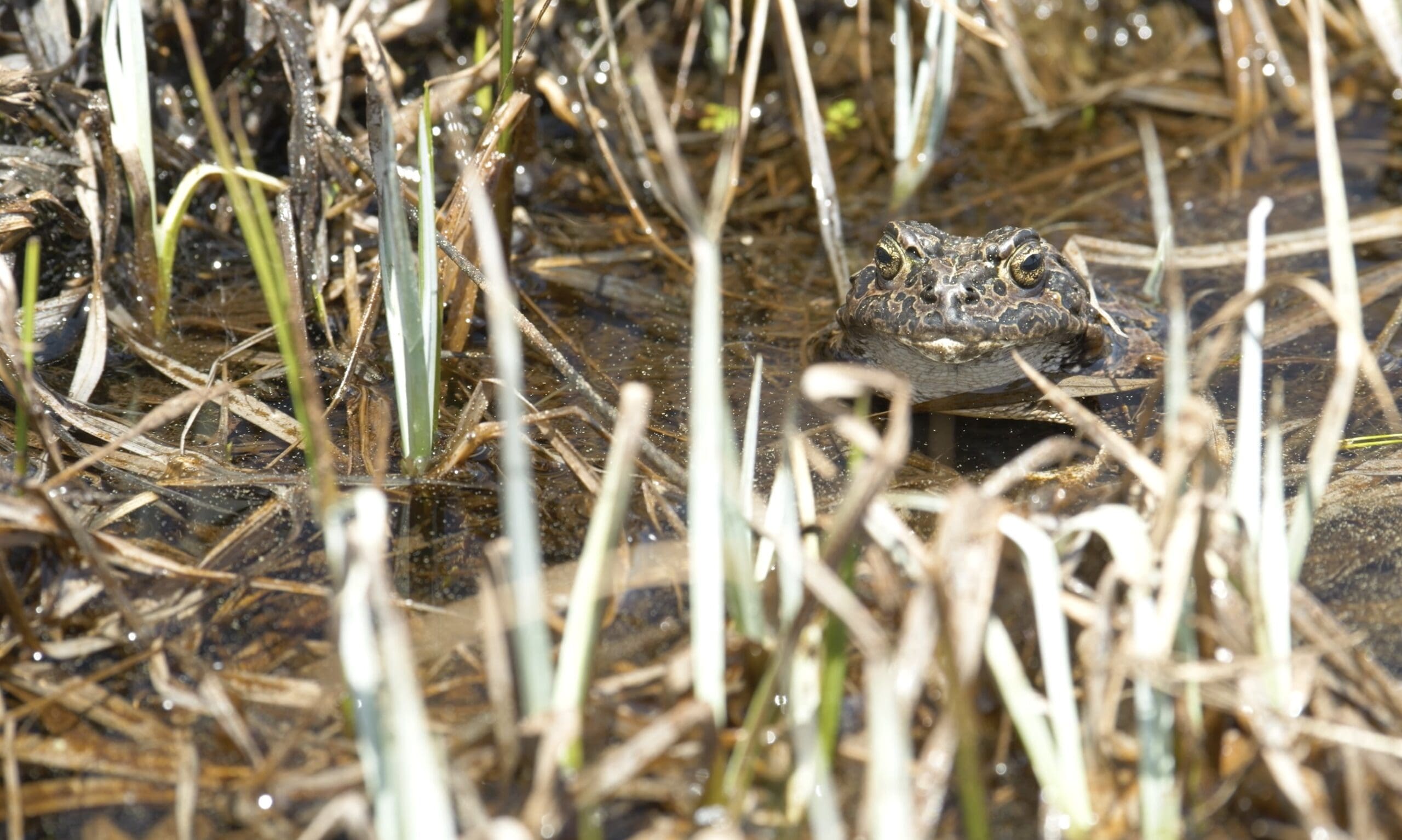
The Yosemite Toad ( Anaxyrus canorus ), a unique resident of California’s majestic Sierra Nevada, faces a precarious future. This high-altitude amphibian, once a more common sight, is now listed as threatened, a stark indicator of the ecological challenges confronting its specialized habitat. First identified within the iconic boundaries of Yosemite National Park, the toad’s range is now restricted to a narrow band of the Sierra Nevada, stretching from Alpine County in the north down to Fresno County in the south. The decline has been significant, with an estimated 50 percent of historically occupied sites now devoid of this distinctive species, a trend that began accelerating in the early 21st century.
A Specialized Life in the High Sierras
Yosemite Toads are perfectly adapted to life at elevations between 6,500 and 11,000 feet. Their existence is intrinsically linked to the fragile meadow ecosystems of the Sierra Nevada. These meadows, often fed by snowmelt, provide the essential ephemeral pools and shallow water bodies necessary for the toads’ breeding cycle. During the warmer months, typically from late spring through summer, these pools become nurseries for the next generation of Yosemite Toads. After the breeding season, and for the majority of their lives, they retreat into underground burrows. These subterranean retreats offer a crucial refuge from the harsh alpine climate, providing a cool environment during hot summer days and a safe haven from predators.
Physically, Yosemite Toads are easily distinguishable. They possess a stocky build, characterized by rough, bumpy skin that offers both camouflage and protection. Their coloration varies but typically ranges from a yellowish-green to a more olive-green hue, allowing them to blend seamlessly with their meadow surroundings. Unlike many of their amphibian cousins, Yosemite Toads are known for their deliberate gait, often walking rather than hopping, a behavior that further sets them apart. This unique combination of traits makes them one of the most remarkable and specialized inhabitants of Yosemite National Park and the broader Sierra Nevada mountain range.
A Declining Population: Understanding the Threats
Despite their protected status as a threatened species since 2014, the Yosemite Toad population continues to face significant decline. The factors contributing to this alarming trend are multifaceted, reflecting a complex interplay of environmental pressures and human-induced changes.
Habitat Degradation: The Primary Culprit
The most significant threat to Yosemite Toads is habitat degradation and loss. Their reliance on high-elevation meadows makes them particularly vulnerable to changes in these delicate ecosystems.
- Grazing: Historically, livestock grazing has been a major contributor to meadow degradation. Overgrazing by cattle and sheep can compact soil, alter plant composition by removing native grasses and forbs, and reduce the availability of suitable breeding pools. The trampling of vegetation and soil by livestock can directly impact toad breeding sites and foraging areas.
- Timber and Fuels Management: While aimed at forest health, certain timber harvesting and forest fuels management practices can inadvertently affect adjacent meadows. Changes in water runoff patterns, increased erosion, and alteration of the microclimate can negatively impact meadow hydrology and vegetation, crucial for toad survival.
- Recreation and Water Development: Increasing human presence and recreational activities in the Sierra Nevada, including hiking, camping, and off-road vehicle use, can lead to direct mortality through trampling and disturbance of breeding sites. Furthermore, water development projects, even those seemingly minor, can alter natural water flows, impacting the ephemeral pools essential for toad reproduction.
Other Significant Threats
Beyond habitat alteration, several other factors contribute to the Yosemite Toad’s precarious situation:
- Disease: Amphibian populations worldwide are susceptible to various diseases, most notably chytridiomycosis, a devastating fungal disease caused by Batrachochytrium dendrobatidis (Bd). This pathogen can cause skin lesions, affect immune function, and lead to mass mortality events in amphibian populations. While specific data on the impact of Bd on Yosemite Toads is an ongoing area of research, it remains a significant concern for amphibian conservation.
- Climate Change: The changing climate poses a profound threat to high-altitude species like the Yosemite Toad. Warming temperatures can alter snowpack dynamics, leading to earlier snowmelt and potentially drier meadow conditions earlier in the season. This can reduce the duration and availability of breeding pools. Extreme weather events, such as prolonged droughts or unseasonal temperature fluctuations, can also disrupt their life cycle and survival rates.
- Direct Mortality: Road crossings pose a significant risk, with toads being struck by vehicles as they move between foraging and breeding grounds. Trampling by livestock, as mentioned earlier, also contributes to direct mortality.
A Chronology of Conservation Efforts and Challenges
The recognition of the Yosemite Toad’s declining status has led to a series of conservation efforts and policy changes over the years.
- Early Observations and Research (Mid-20th Century onwards): Biologists began noting population declines and changes in the distribution of Yosemite Toads throughout the latter half of the 20th century. This led to initial studies investigating population dynamics and habitat use.
- Listing as a Species of Concern: Prior to its federal listing, the Yosemite Toad was recognized as a species of concern by various state and federal agencies, prompting further research and monitoring initiatives.
- Petition for Endangered Species Act Listing: In the early 2000s, environmental organizations and concerned scientists formally petitioned the U.S. Fish and Wildlife Service (USFWS) to list the Yosemite Toad under the Endangered Species Act (ESA). This petition highlighted the significant population declines and the multifaceted threats facing the species.
- Threatened Species Listing (2014): Following a comprehensive review of scientific data, the USFWS officially listed the Yosemite Toad as threatened under the ESA on July 1, 2014. This designation triggered the requirement for federal agencies to consult with the USFWS to ensure that their actions do not jeopardize the species’ survival or adversely modify its critical habitat. The listing acknowledged that the toad was likely to become endangered in the foreseeable future.
- Development of Recovery Plans: Post-listing, efforts have focused on developing and implementing recovery plans. These plans outline strategies to address the threats, monitor populations, and ultimately restore the Yosemite Toad to a point where its long-term survival is no longer in jeopardy. This involves habitat restoration projects, public education campaigns, and adaptive management strategies.
- Ongoing Monitoring and Research: Current conservation efforts involve continuous monitoring of toad populations, breeding success, and habitat conditions. Research into the impacts of disease, climate change, and the effectiveness of various management interventions remains critical for informing conservation strategies.
Supporting Data and Scientific Insights
Scientific studies provide concrete evidence of the Yosemite Toad’s decline and the impact of various threats.
- Population Trend Data: Long-term monitoring studies in various parts of the Sierra Nevada have documented significant declines in Yosemite Toad abundance at historically occupied sites. For instance, studies in the central Sierra Nevada have shown a decrease in breeding adult numbers and successful recruitment in some areas, directly correlating with habitat degradation.
- Habitat Suitability Modeling: Researchers utilize habitat suitability models that incorporate factors such as elevation, precipitation, vegetation type, and the presence of ephemeral water sources to predict where Yosemite Toads are likely to occur. These models consistently show a contraction of suitable habitat under various climate change scenarios, further underscoring the vulnerability of the species.
- Impact of Grazing: Studies on meadows impacted by grazing have shown reduced native plant cover, increased soil compaction, and altered hydrological regimes compared to ungrazed meadows. These changes directly affect the availability of suitable breeding sites and foraging grounds for Yosemite Toads. For example, research by the U.S. Geological Survey (USGS) has provided quantitative data on the negative impacts of heavy grazing on amphibian breeding success in alpine environments.
- Disease Prevalence: While difficult to quantify precisely without extensive targeted surveys, the presence of chytridiomycosis has been detected in amphibian populations across California, including in the Sierra Nevada. The susceptibility of Anaxyrus canorus to this pathogen remains a significant concern, with the potential to exacerbate existing population declines.
Official Responses and Conservation Strategies
The U.S. Fish and Wildlife Service, in collaboration with state agencies like the California Department of Fish and Wildlife, and various non-governmental organizations, are actively engaged in conservation efforts.
U.S. Fish and Wildlife Service (USFWS) Perspective (Inferred):
"The listing of the Yosemite Toad as threatened in 2014 was a critical step in galvanizing conservation efforts," stated a hypothetical spokesperson for the USFWS. "Our agency is committed to working with partners to implement recovery strategies that address the complex threats facing this unique amphibian. This includes prioritizing habitat restoration, reducing human-caused mortality, and continuing to fund research that informs our management decisions. We recognize the urgent need to protect these vital alpine ecosystems for the long-term survival of the Yosemite Toad and the ecological integrity of the Sierra Nevada."

Key Conservation Strategies Employed:
- Habitat Restoration: Projects focus on restoring the natural hydrology and vegetation of degraded meadows. This can involve techniques such as removing invasive plant species, re-establishing native grasses and forbs, and managing grazing practices to minimize impact. Efforts to maintain or create suitable breeding pools are also a priority.
- Grazing Management: Collaborative efforts with ranchers and land managers are underway to implement grazing strategies that are more compatible with Yosemite Toad habitat. This can include adjusting grazing intensity, timing, and duration, as well as designating specific areas as off-limits during critical breeding periods.
- Public Outreach and Education: Raising public awareness about the Yosemite Toad and the threats it faces is crucial. Educational programs aimed at hikers, campers, and recreational users emphasize the importance of staying on designated trails, avoiding disturbance of sensitive habitats, and not handling wildlife.
- Monitoring and Research: Continuous monitoring of Yosemite Toad populations, their breeding success, and habitat conditions provides essential data for adaptive management. Research into disease impacts, climate change resilience, and the effectiveness of conservation interventions is ongoing.
- Partnership and Collaboration: Conservation success hinges on strong partnerships between federal and state agencies, academic institutions, conservation organizations, and local communities. These collaborations leverage diverse expertise and resources to implement comprehensive conservation plans.
Broader Impact and Implications
The plight of the Yosemite Toad is emblematic of the broader challenges facing biodiversity in high-altitude environments. Their decline serves as an indicator of the health of Sierra Nevada meadow ecosystems, which are vital for a myriad of species and play a critical role in watershed health, providing water for downstream communities.
- Ecosystem Health Indicator: The Yosemite Toad’s sensitivity to environmental changes makes it a valuable indicator species. Its struggles signal potential problems within the entire meadow ecosystem, from the health of insect populations it preys upon to the quality of water it inhabits.
- Watershed Integrity: High-elevation meadows are crucial for regulating water flow and quality in the Sierra Nevada. Degradation of these areas, as evidenced by the Yosemite Toad’s decline, can lead to reduced water availability and increased sediment runoff, impacting water resources for millions of Californians.
- Conservation Model: The ongoing efforts to conserve the Yosemite Toad provide a model for addressing similar conservation challenges for other species facing threats from habitat loss, climate change, and human disturbance in sensitive mountain environments. The success or failure of these initiatives will have implications for future conservation strategies in similar ecosystems globally.
The future of the Yosemite Toad hinges on sustained and intensified conservation efforts. Addressing the complex web of threats requires a dedicated, collaborative, and adaptive approach, ensuring that this remarkable amphibian continues to grace the high Sierra Nevada for generations to come. The challenges are significant, but the ecological and intrinsic value of this rare high-altitude amphibian demands our continued commitment to its survival.

