
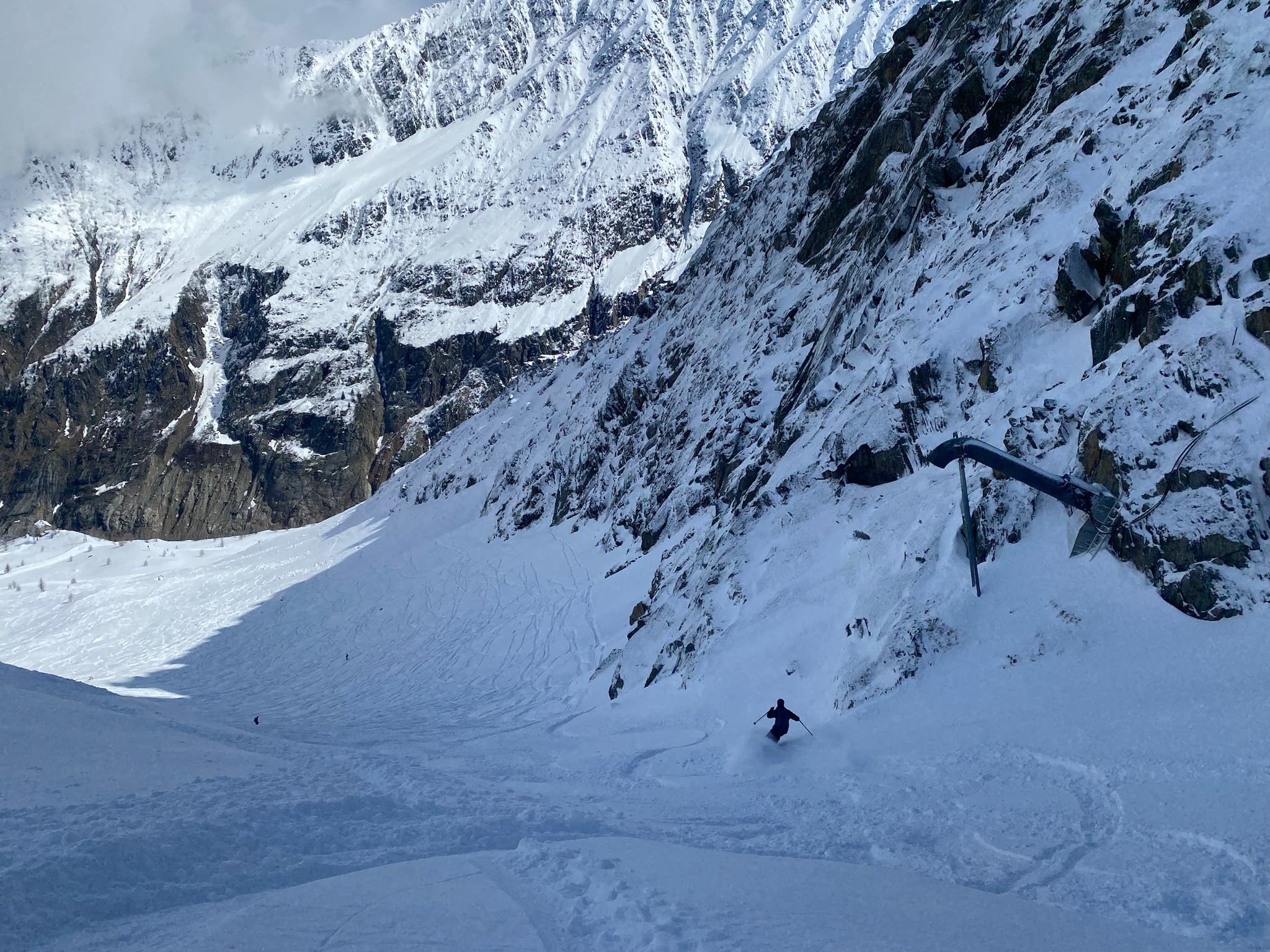
The intersection of Newtonian physics and human physiology suggests that for every high-velocity descent down a mountain, there is an equal and often debilitating physical toll on the human frame. For the modern skier, the "action" is the exhilaration of deep powder and high-alpine exploration, but the "reaction" is frequently a legacy of chronic pain, muscle imbalances, and structural degradation. While many enthusiasts view these ailments as an inevitable tax on a life lived outdoors, a growing body of evidence and personal testimony suggests that the solution lies not in rest or passive recovery, but in the rigorous application of resistance training.
The Physiological Toll of the Alpine Lifestyle
The narrative of the high-performance skier often mirrors a broader trend in sports medicine: the transition from "skiing to get into shape" to "getting into shape to ski." For an athlete who has logged over 1,000 days on the slopes, the cumulative impact can be staggering. In a specific case study of a 33-year-old skier, a decade of "action" resulted in 3,650 days of chronic back pain, a fractured and dislocated elbow, and recurring hip inflammation. This demographic—skiers in their early 30s—is increasingly finding that the resilience of youth is no longer sufficient to mask underlying biomechanical flaws.
The physical demands of skiing are unique. The sport requires a high degree of eccentric muscle control, where muscles lengthen under tension to absorb the shock of uneven terrain. Without a robust muscular foundation, this force is transferred directly to the joints and the spinal column. For many, this manifests as a lower back spasm—a protective mechanism where muscles contract violently to prevent further structural damage. These spasms can be more debilitating than acute fractures, leading to lost work, mobility issues, and the potential end of an athletic career.
A Decade of Mismanaged Recovery: The Limits of Passive Therapy
Before turning to weight training, many skiers attempt to manage pain through "soft" modalities. A common chronology involves years of yoga, foam rolling, static stretching, and lifestyle adjustments such as transitioning to a vegetarian diet or investing in specialized mattresses. While these methods provide temporary relief and are beneficial for general wellness, they often fail to address the fundamental issue: muscle imbalances.
Data from sports clinics indicates that many skiers suffer from "gluteal amnesia"—a condition where the gluteus maximus, the body’s most powerful muscle, becomes inhibited due to excessive sitting during the off-season. When the glutes fail to fire, the lower back (erector spinae) is forced to compensate for the weight of the upper body during the dynamic turns of a downhill run. For a tall athlete—such as one with a 6’3” frame and broad shoulders—this creates a massive lever effect that places unsustainable torque on the lumbar spine.
The Science of Muscle Imbalances and Evolutionary Biology
Franco Morris, a prominent strength and conditioning expert and Head of Program Delivery in Sydney, Australia, argues that modern humans are fundamentally "unevolved" for the repetitive stresses of high-impact sports. Morris notes that genetics play a significant role; humans are not naturally designed for the sustained crouch of skiing or the sedentary nature of office work that occupies the time between ski seasons.
As athletes age, muscle tissue becomes less malleable. This physiological shift makes the body more susceptible to micro-tears and chronic inflammation. Weight training acts as a counter-measure to this biological decline. According to the principles of Wolff’s Law, bone in a healthy person or animal will adapt to the loads under which it is placed. By subjecting the skeletal system to controlled resistance, skiers can increase bone density and build "cushioning tissue" that protects against the impact of falls and the vibrations of hard-packed snow.
The Strategic Implementation of Resistance Training
The transition from chronic pain to functional strength requires a shift in methodology. Experts recommend a structured approach that prioritizes the "posterior chain"—the group of muscles including the hamstrings, glutes, and lower back. This area is the engine room of the skier, providing the stability necessary to navigate technical terrain.
1. Professional Supervision and Form
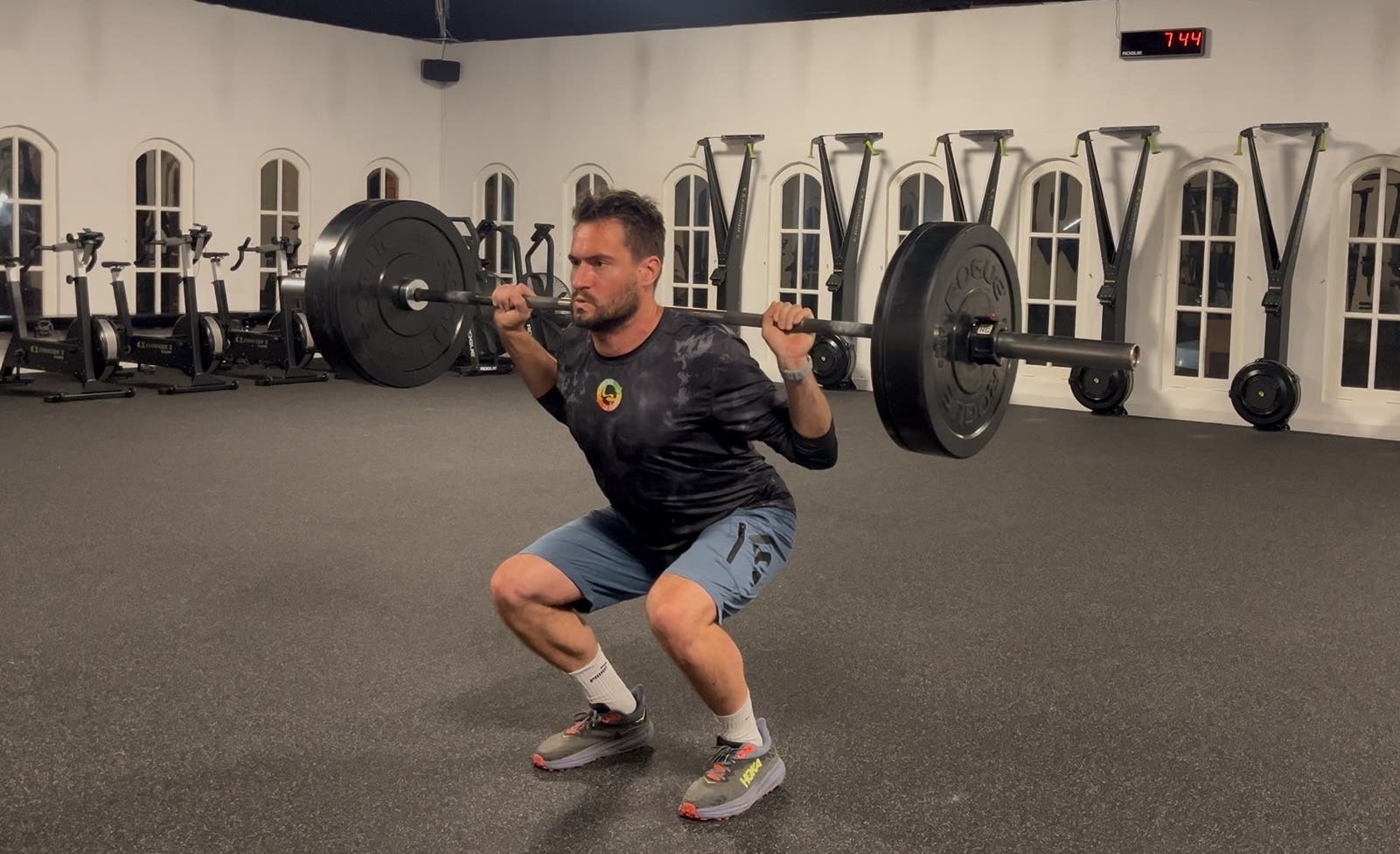
The complexity of compound movements like deadlifts and squats necessitates professional guidance. In the contemporary fitness landscape, group-based strength programs have emerged as a cost-effective way to access high-level coaching. A qualified trainer does more than demonstrate form; they ensure that the athlete is not exacerbating existing injuries through improper technique.
2. Essential Movements for the Alpine Athlete
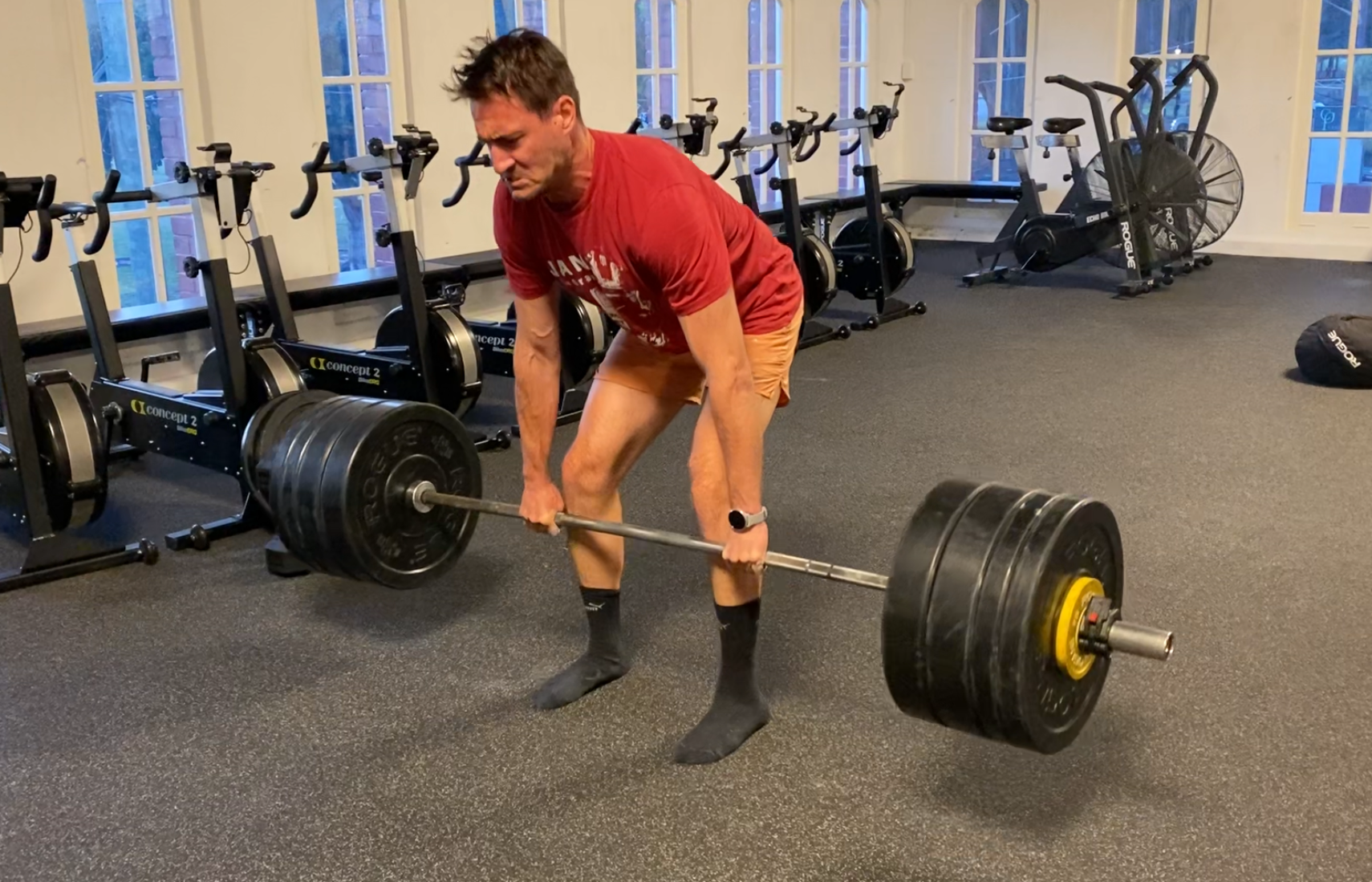
The deadlift is widely regarded as the "gold standard" for posterior chain development. By lifting a barbell from the ground to a standing position, the athlete engages the entire back of the body, training the muscles to work in unison. Other critical movements include:
- Kettlebell Swings: These develop explosive power in the hips, essential for reacting to sudden changes in snow conditions.
- Barbell Hip Thrusts: These specifically target the glutes, providing the structural support needed to offload the lower back.
- Barbell Step-ups: These mimic the unilateral (one-legged) nature of skiing, where balance and single-leg strength are paramount.
3. Volume over Intensity
For endurance-based mountain sports, the goal of weight training is rarely hypertrophy (muscle size) but rather functional strength and stamina. Sports scientists recommend focusing on higher repetitions (e.g., 10-12 reps at 60% of maximum capacity) rather than "one-rep max" attempts. This approach builds the muscular endurance required for long days on the mountain while minimizing the risk of acute gym-related injuries.
Implications for the Ski Industry and Public Health
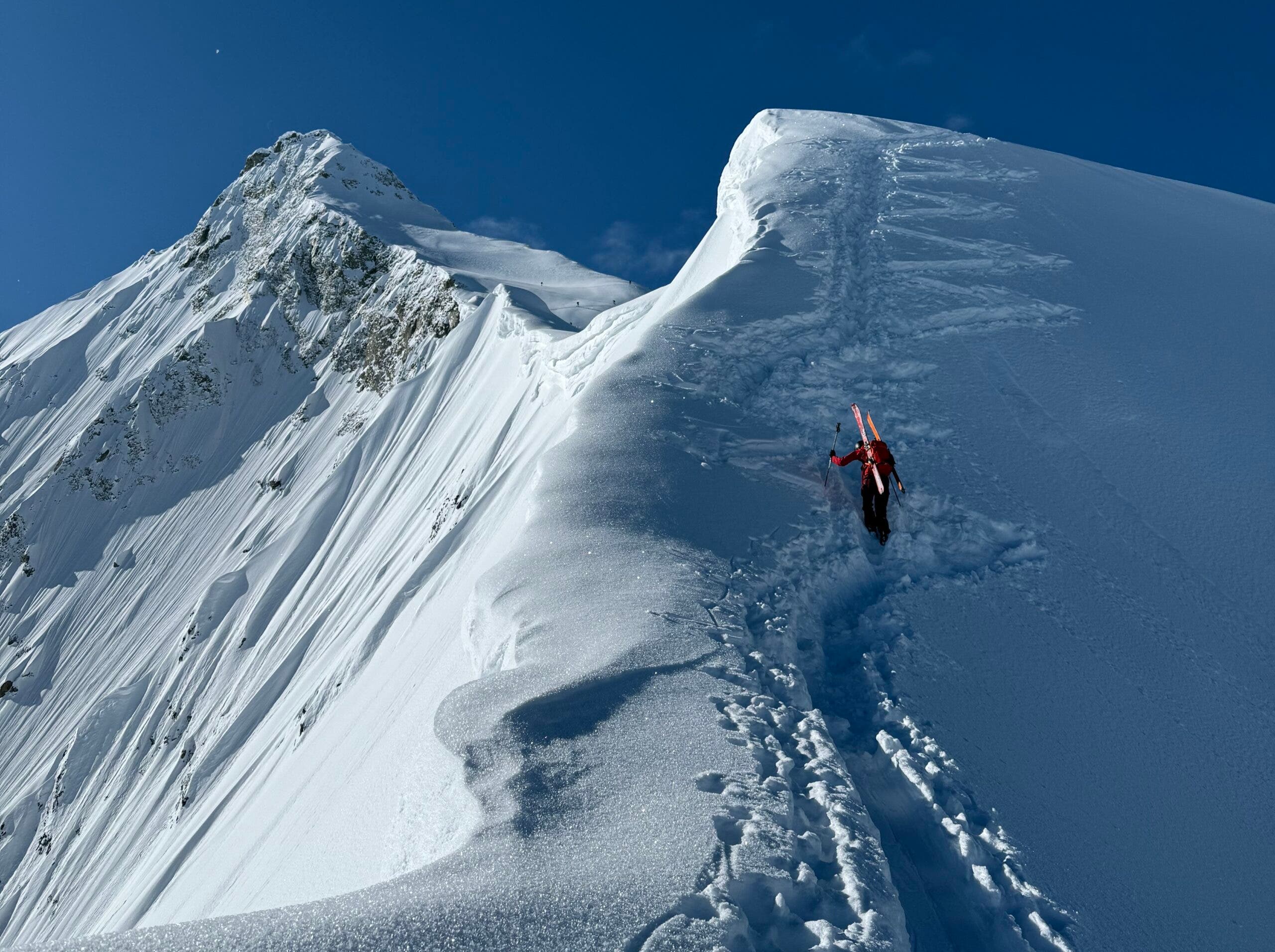
The broader implications of this shift toward resistance training are significant for the ski industry. Injury is one of the primary reasons for "churn" in the sport, where older participants drop out due to physical limitations. By promoting a culture of strength and conditioning, the industry can extend the "skiing lifespan" of its demographic, ensuring that participants remain active into their 60s and 70s.
Furthermore, the integration of weight training addresses the "glamour muscle" trap. Many recreational athletes focus on the chest and biceps for aesthetic reasons, but for a skier, excessive upper-body mass can be a liability, shifting the center of gravity and increasing the load on the knees. A journalistic analysis of current fitness trends shows a pivot toward "mountain-specific" training, which de-emphasizes aesthetics in favor of durability and power-to-weight ratios.
Analysis of Longevity: The Psychological Factor
Beyond the physical benefits, weight training provides a psychological edge. The "mental fortitude" required to complete a difficult lifting session translates directly to the mountain, where fatigue often leads to the technical errors that cause ACL tears and other catastrophic injuries.
Recent data suggests that skiers who engage in at least two days of resistance training per week report a higher level of "perceived confidence" on technical terrain. This confidence is rooted in the knowledge that their joints are supported by a robust muscular corset. While the process of building this strength is often described as "torturous" compared to the joy of skiing, the trade-off is a decade or more of pain-free performance.
Conclusion: A New Prognosis for the Aging Athlete
The case of the 33-year-old skier who reclaimed his mobility through weight training serves as a blueprint for others facing similar challenges. After a year of consistent lifting, the subject reported "entire days" of no pain—a state previously thought impossible after a decade of chronic aches.
As Franco Morris concludes, the "sky is the limit" for those willing to address their physiological weaknesses. Most individuals have significant room for improvement in their muscular baseline, allowing them to counter the effects of aging and the high-impact nature of skiing for a prolonged period. Weight training is no longer an optional supplement for the elite; it is the fundamental "miracle cure" for any skier looking to defy Newton’s third law and continue their pursuit of the perfect powder day.

