
The winter of 2025-2026 across the Western United States will be recorded in meteorological annals as a period of profound climatological dissonance, characterized by what experts have termed a "hot mess" of inconsistent precipitation and record-breaking thermal anomalies. Throughout the region, the traditional snow season failed to meet historical benchmarks, resulting in a volatile year for the outdoor recreation industry and significant concerns for long-term water security. While news cycles were dominated by increasingly dire reports regarding the thinning snowpack, the reality of the season was a complex interplay between stable moisture levels and an unprecedented lack of cold temperatures. As the region transitions into the summer months, the consequences of this "low tide" winter are becoming manifest in early runoff patterns and depleted natural reservoirs.
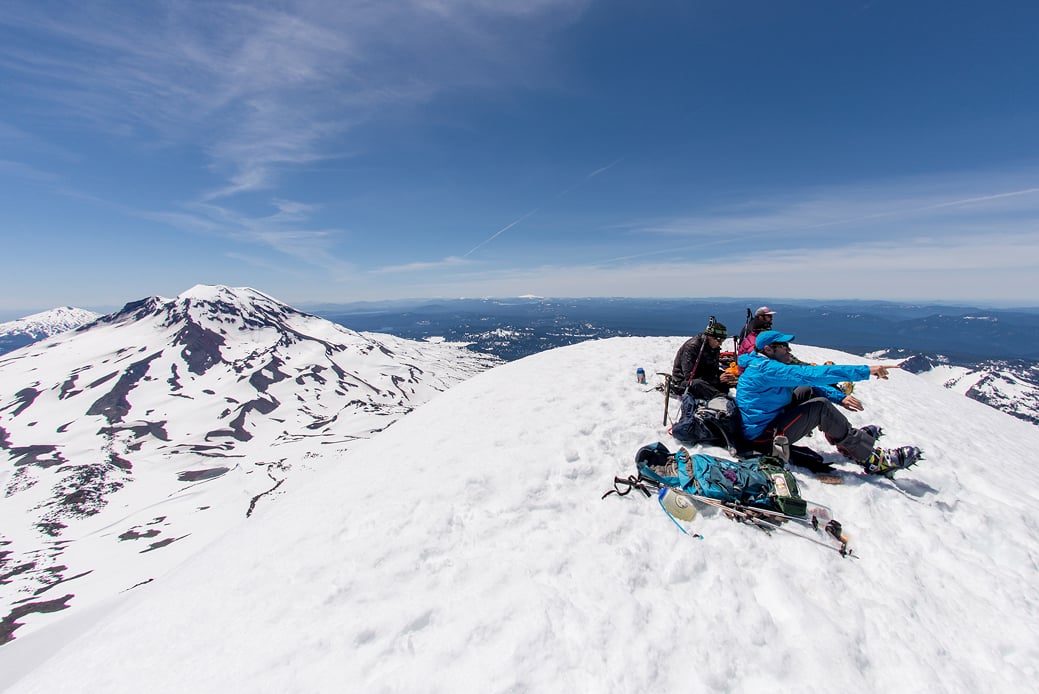
Climatological Overview: The Missing Ingredient
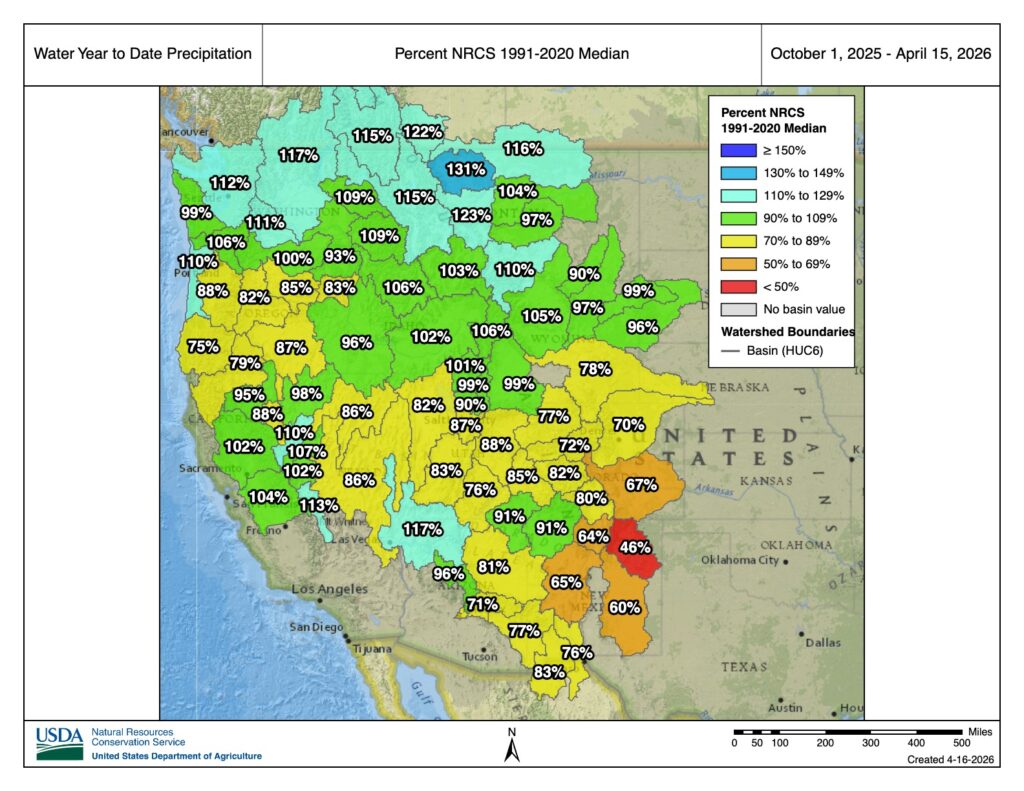
The fundamental requirements for a robust snowpack are relatively straightforward: sufficient atmospheric moisture combined with sustained sub-freezing temperatures. During the 2025-2026 water year, the first half of this "recipe" was largely present. According to data provided by the Natural Resources Conservation Service (NRCS), precipitation levels across the West were, on average, within a reasonable range of historical norms. However, the distribution was uneven. States such as Oregon, Utah, and Colorado experienced slightly drier-than-average conditions, while regions in Washington, Idaho, Montana, and northwest Wyoming recorded precipitation levels that were slightly above the mean.
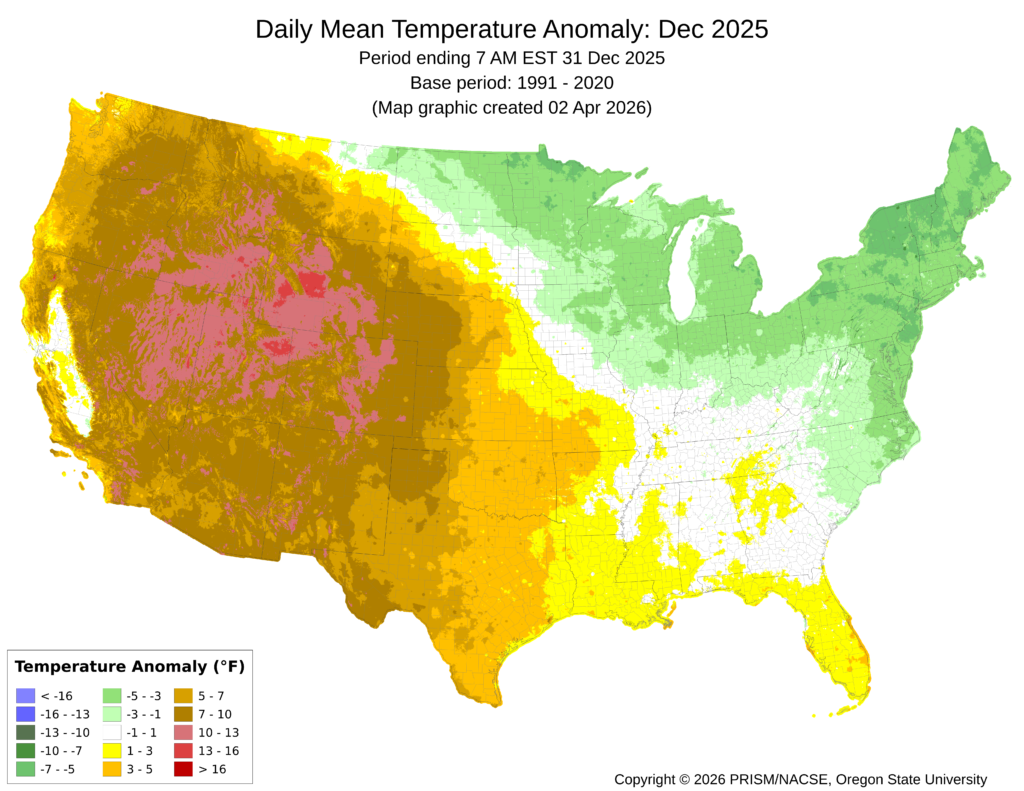
The primary driver of the season’s failure was not a lack of moisture, but a persistent and significant absence of cold. Throughout the winter, the Western United States remained under the influence of a warm air mass that prevented precipitation from crystallizing into snow at lower and middle elevations. This thermal anomaly was most pronounced in December 2025. Data from the PRISM Climate Group indicates that much of the West experienced temperatures between 5 and 15 degrees Fahrenheit above the long-term average during this critical month. In contrast, the Northeast and Upper Midwest of the United States saw temperatures up to 5 degrees below average, highlighting a stark longitudinal divide in North American winter weather patterns.
A Chronology of Postponed Expectations
The 2025-2026 season was defined by a series of "moving goalposts" for stakeholders in the winter sports and water management sectors. In a typical year, the snowpack begins to build in earnest by late October or early November, providing a base for ski resorts to open by the Thanksgiving holiday. This year, however, the warmth of December turned the early season into a logistical crisis for operators.
- Late Autumn (October–November 2025): Early storms brought moisture to the high peaks, but freezing levels remained high, leaving lower-elevation slopes bare.
- The December Nightmare: Record warmth caused many resorts to delay their openings. Those that did open were forced to rely heavily on snowmaking, which was hampered by high overnight temperatures.
- The Holiday Slump: The traditional New Year’s peak was largely missed, with many backcountry areas remaining inaccessible due to a lack of coverage or unstable, rain-saturated snow layers.
- The Late Winter Push: Hopes for a "Miracle March" were pinned on Martin Luther King Jr. Day, then President’s Day, and finally Spring Break. While some precipitation did arrive, it frequently fell as rain or "heavy" snow with high water content, which did little to rebuild the foundational snowpack.
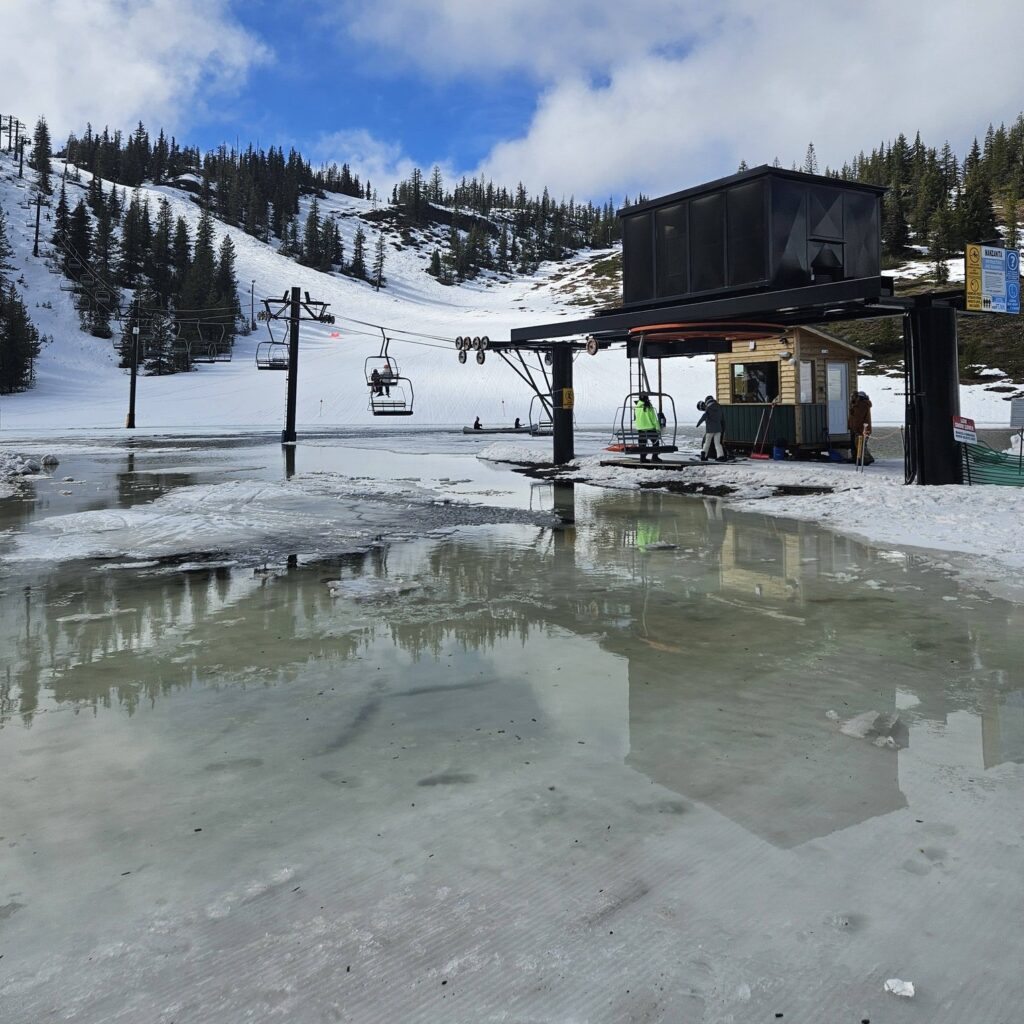
- The Early Melt (March–April 2026): By mid-March, unconventional events such as unscheduled "pond skims"—typically a late-April tradition—were occurring naturally at locations like Hoodoo Ski Area in Oregon’s Santiam Pass.
Snow Water Equivalent and the April 1 Benchmark
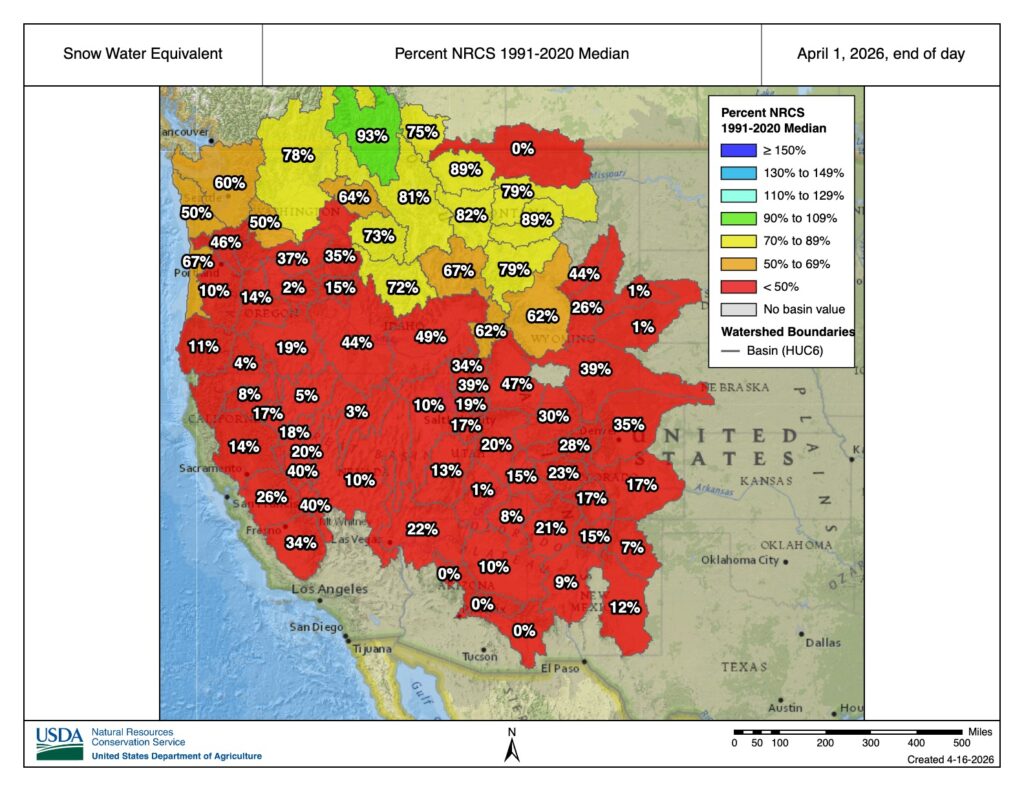
In hydrologic planning, April 1 is considered a critical benchmark, representing the date when the Western snowpack typically reaches its maximum volume before the spring melt begins. The 2025-2026 data for Snow Water Equivalent (SWE)—the measure of how much water is contained within the snow—was exceptionally poor. At many observation stations, April 1 SWE values were a mere fraction of the long-term average.
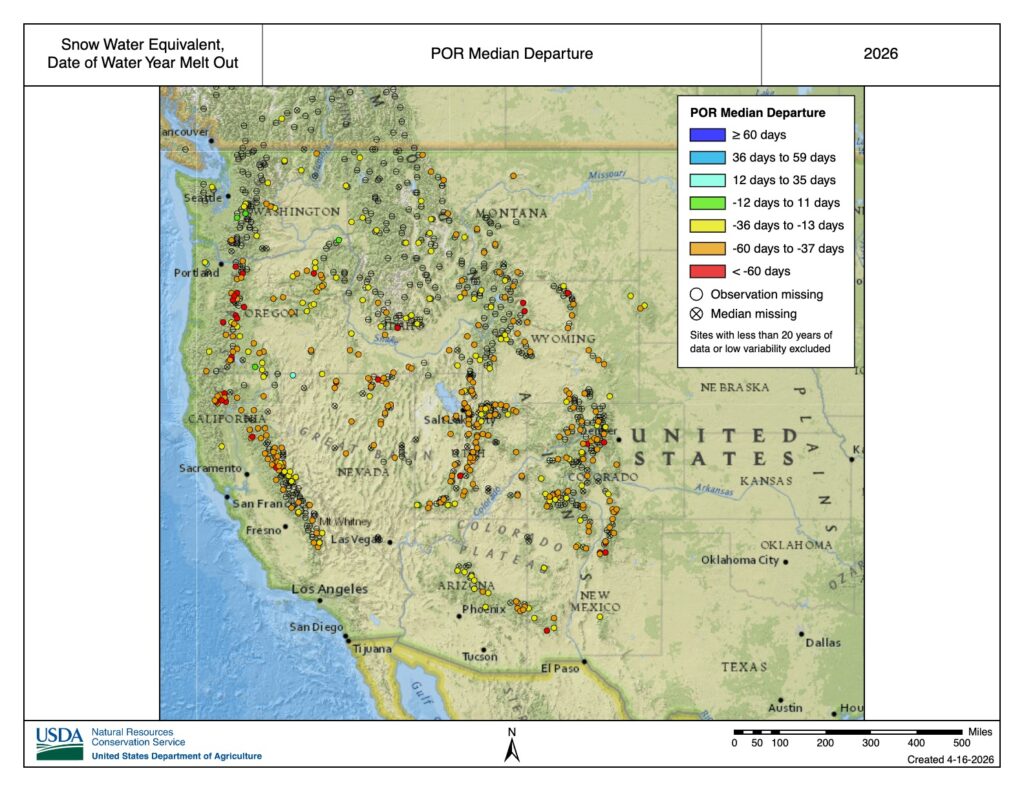
The severity of the situation was underscored by "snow off" dates, which track when a station’s snowpack has completely melted. In a standard year, higher elevation SNOTEL (Snow Telemetry) sites maintain snow well into May or June. In 2026, many of these sites recorded "snow off" dates months earlier than average. Some stations reported the worst peak values in the last 45 years of record-keeping. For instance, the Hogg Pass SNOTEL site in Oregon, which serves as a bellwether for the Central Cascades, showed a precipitous drop in annual maximum SWE, continuing a concerning long-term downward trend despite occasional "boom" years.
The Global Context of Water Scarcity
To understand the gravity of a failing snowpack, it is necessary to contextualize the Earth’s water resources. While the planet is often described as a "blue marble," the amount of fresh, accessible water is remarkably small. If all the water on Earth were gathered into a single sphere, its diameter would be only about 40% of the moon’s diameter. Furthermore, the vast majority of that water is saline or trapped in deep aquifers and polar ice caps. Less than 0.01% of the Earth’s total water is available to meet the daily needs of the global population.
On average, land surfaces receive approximately one meter of precipitation annually. When distributed among the human population, this equates to roughly 13,000 gallons per person per day. While this figure seems substantial, the primary challenge of water management is the mismatch between supply and demand. Geographic and temporal disparities mean that water is often not where it is needed, when it is needed. In the Western United States, the winter season provides the supply, while the summer season generates the demand, particularly for agriculture and municipal use.
The Snowpack as a Natural Reservoir
Humanity has engineered extensive infrastructure to bridge the gap between winter supply and summer demand. This includes a network of canals, aqueducts, and massive surface reservoirs like Lake Mead and Lake Powell. However, the most significant reservoir in the Western United States is the seasonal snowpack.
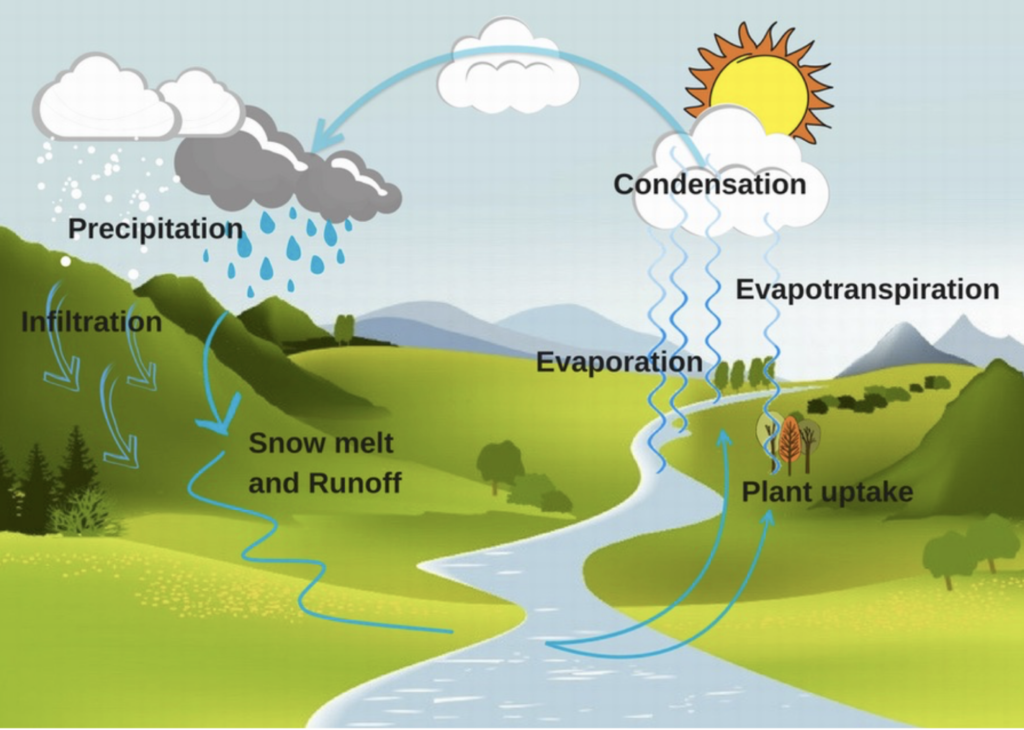
The snowpack functions as a distributed, high-elevation storage system. By holding water in solid form throughout the winter and releasing it slowly during the spring and summer, the snowpack provides several critical ecosystem services:
- Flood Mitigation: By delaying runoff, the snowpack prevents the catastrophic flooding that can occur when heavy winter rains flow directly into river systems.
- Thermal Regulation: The gradual release of cold meltwater maintains low stream temperatures, which are essential for the survival of salmonids and other aquatic species.
- Extended Supply: Snowmelt provides a steady flow of water long after the rainy season has ended, supporting irrigation and power generation through the driest months of the year.
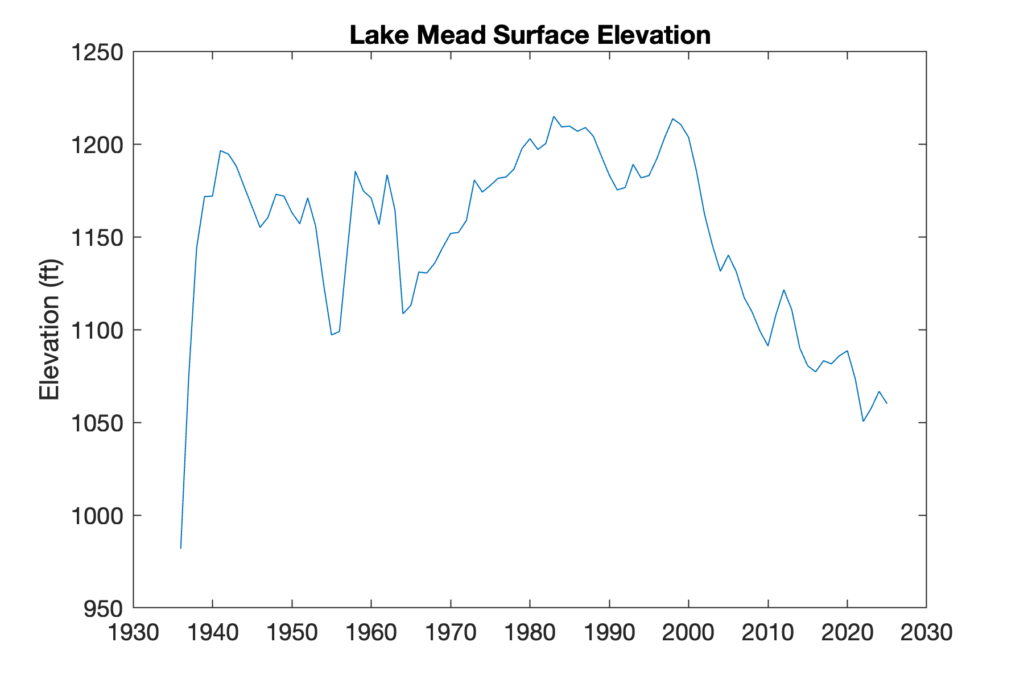
Estimates suggest that the volume of water stored in the contiguous United States’ snowpack at its peak is approximately five times the capacity of Lake Mead. When the snowpack fails, as it did in 2025-2026, the burden on man-made reservoirs increases substantially. This is particularly evident in the Colorado River Basin, where years of persistent drought and declining snowmelt have led to record-low elevations in Lake Mead, prompting urgent interstate negotiations over water allocations.
Socio-Economic Impact and Industry Reactions
The 2025-2026 season triggered a range of reactions from economic stakeholders. Ski resort operators, who contribute billions of dollars to the regional economy, faced a season of extreme volatility. The National Ski Areas Association (NSAA) has noted that such "low tide" years often lead to decreased pass sales and a reduction in seasonal employment, affecting entire mountain communities.
For backcountry enthusiasts and professional guides, the season was marked by frustration and safety concerns. The lack of a stable base often resulted in "thin" conditions where sub-surface obstacles remained exposed, increasing the risk of injury. Furthermore, the prevalence of rain-on-snow events created complex avalanche layers that challenged even experienced forecasters.
Environmental advocates and researchers, including Dr. David Hill of Oregon State University, emphasize that while annual variability is expected, the 2025-2026 season fits into a broader pattern of "snow droughts" driven by rising global temperatures. The sentiment among many in the scientific community is one of concerned observation; while a single bad year is a statistical outlier, a series of such years represents a shift in the regional climate regime.
Conclusion: Navigating an Uncertain Future
The 2025-2026 snow season serves as a stark reminder of the vulnerability of the Western United States’ water and recreational infrastructure. While the year was characterized by a "glass half-empty" reality for skiers and water managers, climatologists urge a long-term perspective. The inherent variability of winter weather means that a lean year can be followed by a record-breaking "feast" year.
However, the trend lines observed at stations like Hogg Pass cannot be ignored. The "snow off" dates occurring months early and the April 1 SWE values reaching near-zero in some locales suggest that the "insurance policy" provided by the natural snow reservoir is becoming less reliable. As the region prepares for the summer of 2026, the focus shifts to conservation and the management of the limited water currently held in man-made reservoirs. The lessons of this "hot mess" of a season will likely inform water policy and climate adaptation strategies for years to come, as the West grapples with the reality of a warming world and the essential need for winter.

