
The United States federal government has initiated a series of sweeping executive and departmental actions aimed at dismantling the previous administration’s transition toward renewable energy while simultaneously expanding the footprint of the domestic fossil fuel industry. In a rapid sequence of directives issued during the transition into the new calendar year, the Trump administration has halted major offshore wind developments, moved to dissolve the nation’s primary atmospheric research center, proposed the largest expansion of offshore drilling in American history, and utilized emergency federal powers to prevent the closure of aging coal-fired power plants. These actions represent a fundamental pivot in national energy and environmental policy, prioritizing immediate fossil fuel production and deregulation over long-term climate mitigation and renewable energy infrastructure.
Federal Moratorium on Offshore Wind Projects Citing National Security
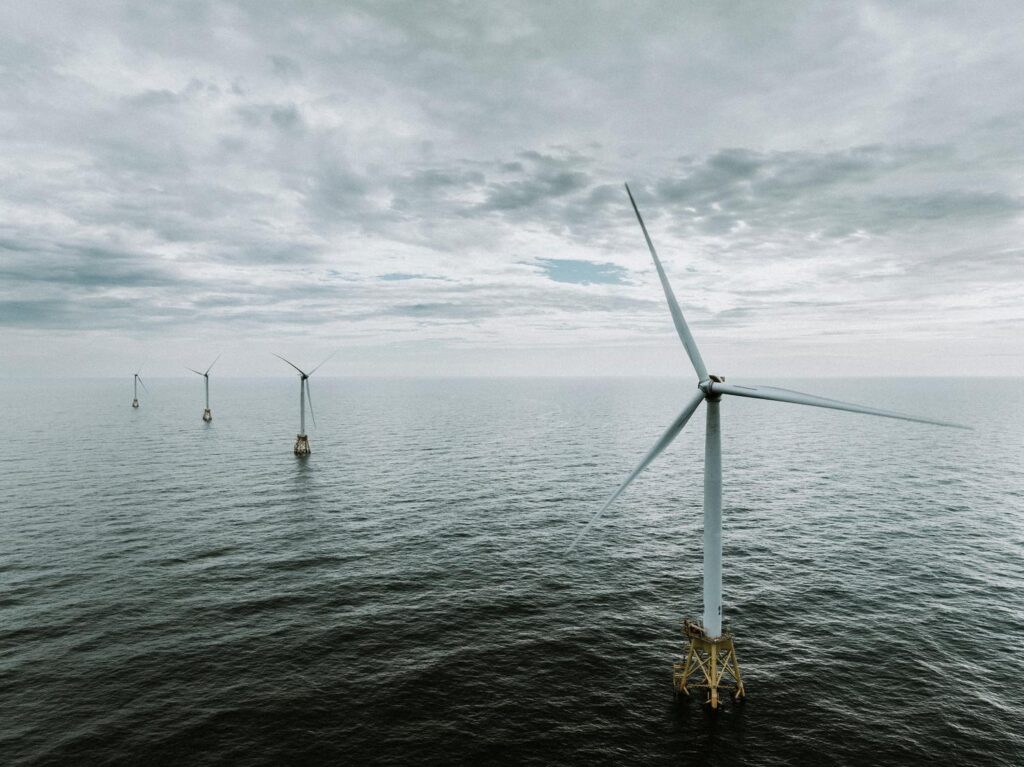
In a move that has sent shockwaves through the renewable energy sector, the Department of the Interior (DOI) has issued a directive to halt five major offshore wind projects that were already in various stages of construction and permitting. The affected projects—Vineyard Wind (Massachusetts), Revolution Wind (Rhode Island/Connecticut), Coastal Virginia Offshore Wind (Virginia), Sunrise Wind (New York), and Empire Wind (New York)—represent billions of dollars in private and public investment. Collectively, these projects were intended to provide several gigawatts of clean energy to the Eastern Seaboard, enough to power millions of homes.
The administration’s justification for the work stoppage rests on "national security" concerns. According to departmental memos, the placement of turbines in these specific federal waters could potentially interfere with maritime surveillance, radar systems, and naval maneuvers. However, the specific details of these threats remain classified, preventing project developers and state governors from reviewing the evidence or proposing mitigation strategies.

Industry analysts note that this decision marks a significant departure from the previous administration’s goal of deploying 30 gigawatts of offshore wind by 2030. The sudden halt creates profound legal and financial uncertainty. Under the Outer Continental Shelf Lands Act, the federal government has broad authority over energy development in federal waters, but the mid-construction suspension of fully permitted projects is nearly unprecedented. Labor unions and supply chain manufacturers, who had already begun hiring and facility upgrades to support the burgeoning industry, now face immediate layoffs and contract cancellations.
Proposed Dissolution of the National Center for Atmospheric Research
The administration has also signaled its intent to defund and potentially shut down the National Center for Atmospheric Research (NCAR), headquartered in Boulder, Colorado. Established in 1960 and managed by the University Corporation for Atmospheric Research (UCAR) under a cooperative agreement with the National Science Foundation (NSF), NCAR is widely regarded as one of the world’s premier institutions for climate modeling, wildfire behavior analysis, and solar physics.
The rationale provided for this proposal centers on budgetary realignment and the administration’s skepticism regarding the accuracy and utility of long-term climate projections. Officials have argued that federal resources should be redirected toward "immediate economic drivers" rather than theoretical atmospheric modeling.
The potential closure of NCAR would have cascading effects across multiple sectors. The center provides the foundational data used by the National Weather Service for extreme weather forecasting and by the Department of Agriculture for drought and snowpack projections. Furthermore, NCAR’s Community Earth System Model (CESM) is a primary tool used by international bodies to assess global climate trends. Scientists warn that losing this institutional knowledge would leave the United States "blind" to the shifting patterns of wildfires, hurricanes, and water availability that directly impact public safety and the national economy.
Expansion of Offshore Oil and Gas Leasing to 1.27 Billion Acres
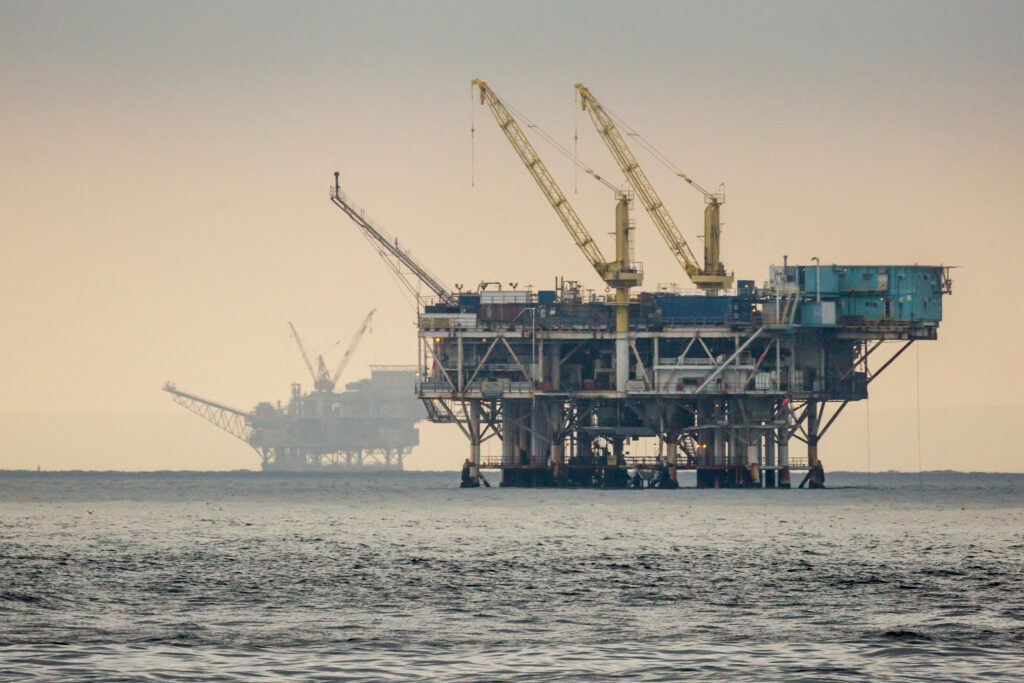
In a move intended to secure "energy dominance," the administration has released a draft proposal to open nearly the entire U.S. Outer Continental Shelf to oil and gas exploration. The plan encompasses 1.27 billion acres, including previously protected areas off the coasts of California, Florida, and the sensitive waters of the Arctic and the Atlantic.
This proposal represents a total reversal of the 2024–2029 National Outer Continental Shelf Oil and Gas Leasing Program, which had limited future sales to a historic low of just three auctions in the Gulf of Mexico. The new plan seeks to hold dozens of lease sales over the next decade.
Geographic and Economic Scope of the Drilling Proposal
- The Arctic: Reopening the Beaufort and Chukchi Seas, which contain significant untapped reserves but present extreme environmental risks and high extraction costs.
- The Pacific Coast: Targeting deep-water reserves off California, Oregon, and Washington, despite vocal opposition from state legislatures and coastal tourism industries.
- The Atlantic and Eastern Gulf: Ending long-standing moratoriums that have been supported by bipartisan coalitions in Florida and the Carolinas to protect the $100 billion coastal tourism and fishing economies.
Legal experts anticipate immediate litigation from state attorneys general, citing the Administrative Procedure Act (APA) and the National Environmental Policy Act (NEPA). Opponents argue that the administration failed to conduct adequate environmental impact statements before proposing such a massive expansion. Conversely, the American Petroleum Institute (API) and other industry groups have praised the move, asserting that increased domestic production will lower energy costs and reduce reliance on foreign oil.
Emergency Intervention at Craig Generating Station
In the interior West, the Department of Energy (DOE) has exercised rarely used emergency powers to keep a failing coal plant operational. The Craig Generating Station Unit 1 in Colorado was scheduled for decommissioning on December 31, following years of transition planning by Tri-State Generation and Transmission Association and local stakeholders.

Invoking Section 202(c) of the Federal Power Act, the DOE ordered the plant to remain online, citing a "potential threat to grid reliability." This order was issued despite the fact that Unit 1 was already offline due to a major mechanical failure, and local utilities had already secured replacement power from a mix of natural gas and renewable sources.
The decision to force the plant back into service has drawn criticism from Colorado state officials and utility analysts. Keeping an aging, uneconomic coal plant operational is expected to increase electricity rates for rural consumers, as the cost of repairing the 50-year-old facility and purchasing coal exceeds the cost of modern energy alternatives. Furthermore, the move disrupts the "Just Transition" plans developed by the community of Craig, which had been working toward diversifying its economy away from coal dependency.
Broader Policy Implications and Chronology of Reversal
The timeline of these actions suggests a coordinated effort to reshape the American energy landscape before the 2026 midterm elections. By targeting offshore wind, climate research, and coal plant retirements simultaneously, the administration is effectively "locking in" a fossil-fuel-centric infrastructure that may take decades to unwind.
Chronology of Events
- Late December: DOE issues emergency order for Craig Generating Station, halting the planned retirement of Unit 1.
- January 2: DOI announces the "National Security Moratorium" on five active offshore wind construction sites.
- January 5: Office of Management and Budget (OMB) leaks a draft proposal to zero out funding for NCAR in the upcoming fiscal year.
- January 8: The Bureau of Ocean Energy Management (BOEM) publishes the 1.27-billion-acre offshore drilling proposal in the Federal Register, initiating a 60-day public comment period.
Economic and Scientific Analysis
The economic implications of these shifts are dual-faceted. While the administration argues that deregulation and expanded drilling will spur job growth in the extraction sector, economists point to the "opportunity cost" of abandoning the clean energy transition. The global market for renewable energy technology is projected to reach trillions of dollars by 2030. By halting domestic offshore wind and defunding climate science, the United States risks ceding technological leadership to international competitors, particularly China and the European Union.
From a scientific perspective, the dismissal of NCAR’s data comes at a time when the American West is experiencing record-breaking heatwaves and shrinking snowpacks. The Colorado River Basin, which provides water for 40 million people, relies on the very models the administration seeks to eliminate. Without these tools, water managers warn that the ability to predict "megadroughts" or catastrophic flooding will be severely compromised.
Official Responses and Stakeholder Reactions
Environmental advocacy groups, including Protect Our Winters (POW) and the Surfrider Foundation, have mobilized to oppose the drilling and wind-halt orders. "This is not just an attack on the environment; it is an attack on the economic future of our coastal and mountain communities," a spokesperson for a coalition of outdoor industry leaders stated.
Conversely, proponents of the administration’s "all-of-the-above" energy strategy argue that the rapid transition to renewables was premature and threatened the stability of the national power grid. They maintain that the use of federal emergency powers is a necessary corrective to prevent blackouts and ensure that domestic energy remains affordable for the average American family.
As the 60-day public comment periods begin for the offshore drilling proposals, and as legal challenges to the wind moratorium head to federal court, the nation faces a period of intense litigation and policy debate. The outcome of these battles will determine the trajectory of U.S. energy production and its role in the global effort to address a warming climate for the remainder of the decade.

