
On March 18, the United States federal government initiated the first of five scheduled oil and gas lease sales in the National Petroleum Reserve-Alaska (NPR-A), marking a significant milestone in the industrialization of the nation’s largest single block of public land. This move, which opens more than 5.5 million acres of the Western Arctic to potential development, represents a pivotal moment in a century-long tension between energy extraction and environmental conservation. The current administration’s mandate for these sales underscores a complex legal and political framework that traces its origins back to the early 20th century, even as the region faces unprecedented ecological shifts due to a warming climate.
The Historical Trajectory of the National Petroleum Reserve
The administrative identity of the NPR-A was forged in 1923 when President Warren G. Harding signed an executive order establishing "Naval Petroleum Reserve No. 4." At the time, the United States Navy was transitioning its fleet from coal to oil, and geologists had identified significant oil seeps along Alaska’s North Slope. The 23-million-acre expanse was withdrawn from all other uses and held in reserve for national security. This period was also defined by political volatility; Harding’s presidency was famously overshadowed by the Teapot Dome scandal, involving his Interior Secretary, Albert Bacon Fall, who accepted bribes for leasing Navy Petroleum Reserve No. 3 in Wyoming.
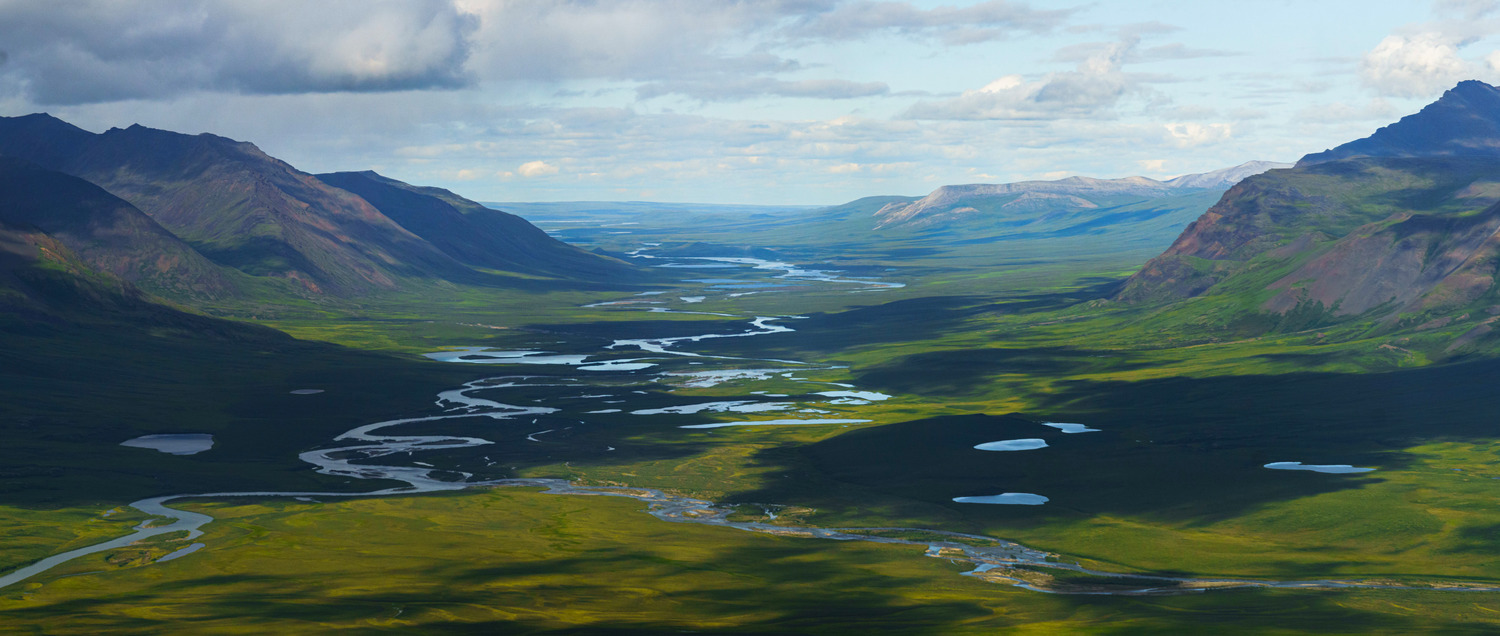
The reserve remained under naval jurisdiction until 1976, when Congress passed the Naval Petroleum Reserves Production Act. This legislation transferred management to the Department of the Interior and renamed the area the National Petroleum Reserve-Alaska (NPR-A). While the name was updated to reflect civilian oversight, the legislative intent remained focused on "an expeditious program of competitive leasing." For nearly fifty years, the Bureau of Land Management (BLM) has balanced this mandate with the protection of "exceptional" surface values, though the current directive leans heavily toward the former.
A Chronology of Modern Development Mandates
The acceleration of leasing in the NPR-A is the result of several years of legislative and executive maneuvers. In late 2020, the federal government finalized a new Integrated Activity Plan (IAP) for the reserve, which significantly expanded the areas available for leasing. This plan opened approximately 82% of the reserve to potential oil and gas development, including the sensitive Teshekpuk Lake Special Area.
Following this, the federal government mandated a series of five lease sales to be conducted over a ten-year period. The March 18 sale is the first in this sequence. This timeline coincides with the progression of the Willow Oil Project, a massive undertaking by ConocoPhillips. Approved in early 2023, the Willow Project is estimated to produce approximately 600 million barrels of oil over its 30-year lifespan. It involves the construction of multiple drill sites, hundreds of miles of pipelines, and a processing facility, further embedding industrial infrastructure into the Western Arctic landscape.
Ecological Significance and the Threat of Climate Change
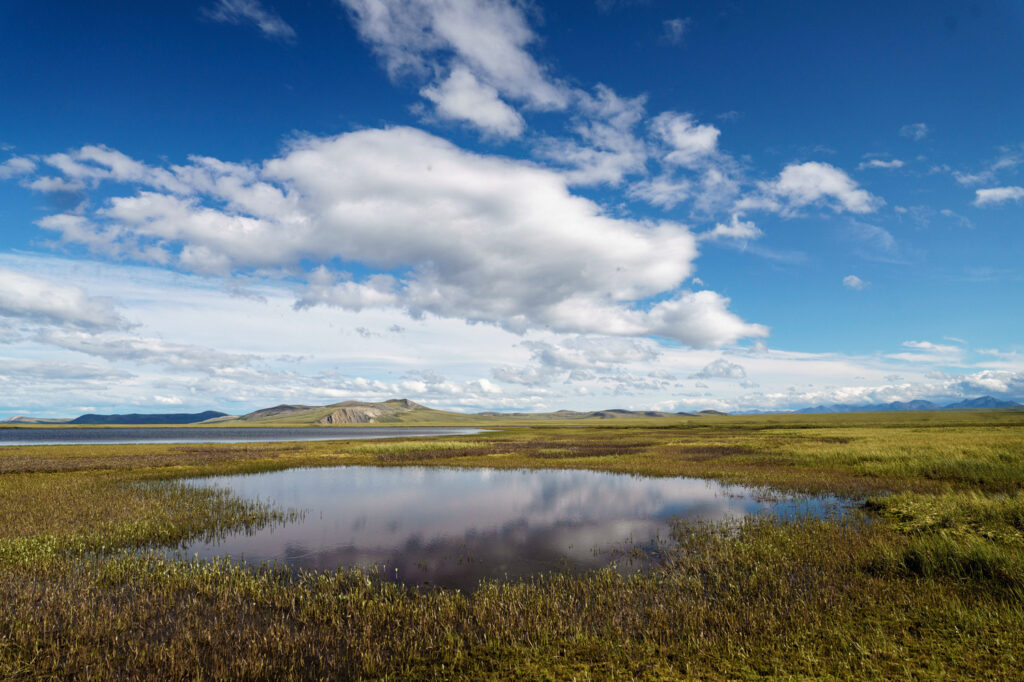
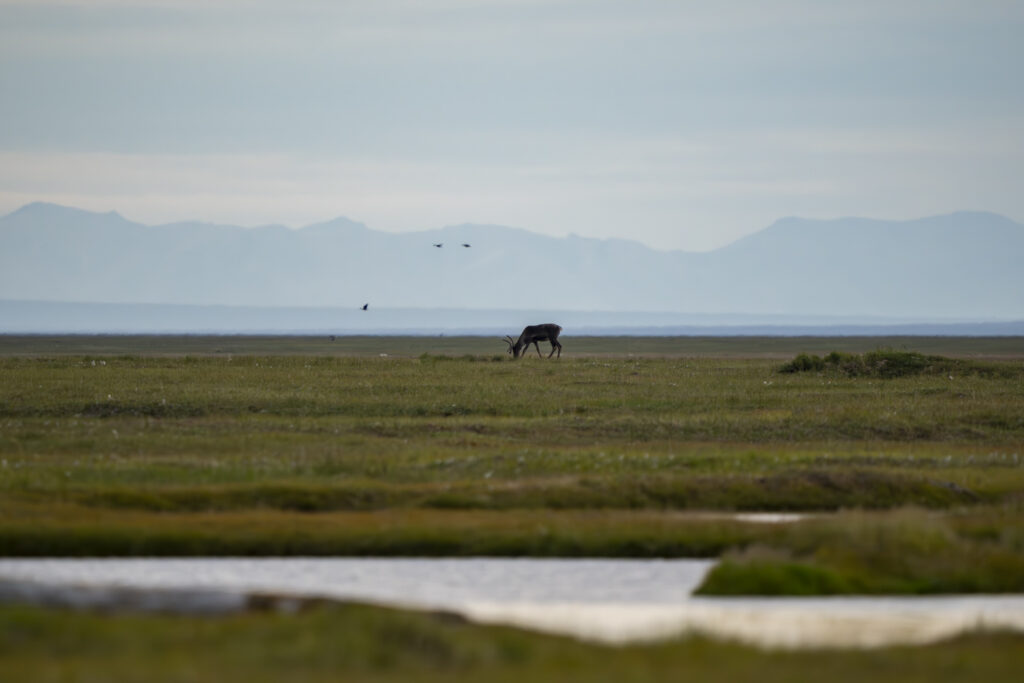
The NPR-A is not merely a resource depot; it is a globally significant ecosystem. The reserve is home to an estimated 5.4 million migratory birds during the summer nesting season, drawing species from six continents and nearly every U.S. state. The Teshekpuk Lake wetlands, now open for leasing, serve as the primary calving grounds for the Teshekpuk Lake caribou herd and provide critical molting habitat for waterfowl, including a significant percentage of the world’s Pacific black brant.
Scientific data indicates that the Arctic is warming three to five times faster than the global average. This phenomenon, known as Arctic amplification, is causing permafrost degradation, changes in migratory patterns, and shifts in vegetation. Environmental scientists argue that the introduction of industrial infrastructure—roads, gravel pads, and pipelines—compounds these climate-driven stresses. The physical footprint of development can disrupt caribou migration routes and lead to the fragmentation of what is currently the last "whole" or untrammeled landscape in the United States.
The Economics of Arctic Extraction
The push for Arctic drilling occurs within a volatile global energy market. The United States Geological Survey (USGS) estimates that the Northern Alaska region may contain nearly half of all undiscovered recoverable oil on federal lands. The NPR-A specifically is estimated to hold nearly 900 million barrels of technically recoverable conventional oil.
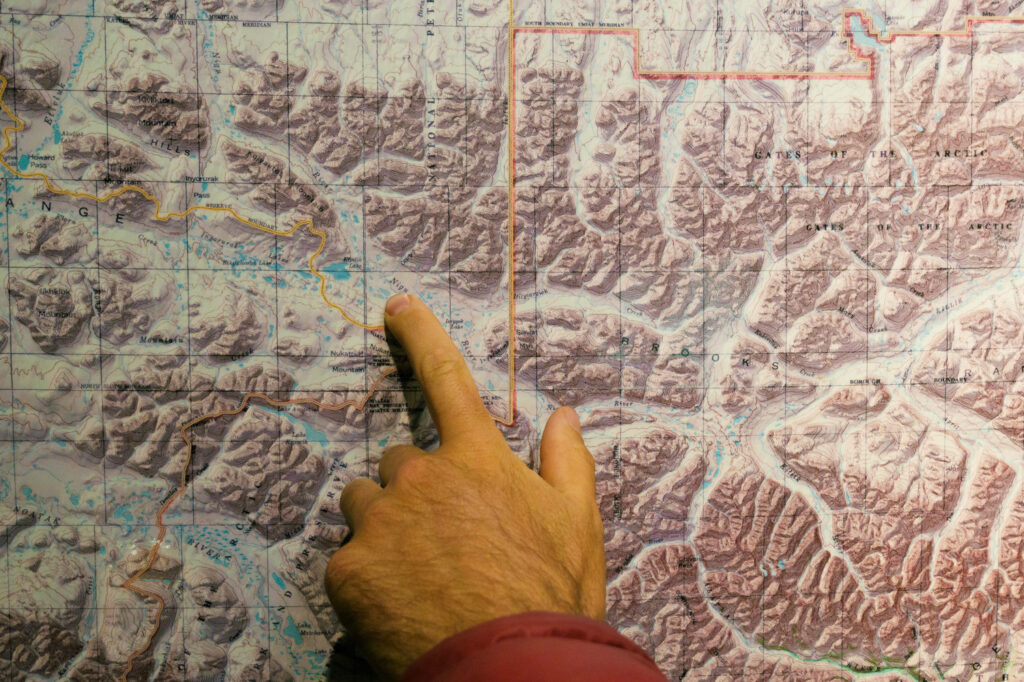
However, the economic viability of these projects is often questioned. Arctic oil is among the most expensive to extract in the world due to the extreme environment, the lack of existing infrastructure, and the logistical challenges of operating in remote tundra. Analysts note that these projects often require high global oil prices—frequently estimated at $60 to $70 per barrel or higher—to reach a break-even point. Furthermore, many of these developments rely on public subsidies or infrastructure support, such as the proposed 200-mile road to the Ambler Mining District, which would facilitate mineral extraction in the Brooks Range.
Stakeholder Perspectives and Regional Reactions
The debate over the NPR-A features a diverse array of stakeholders with competing interests. The State of Alaska has historically been a strong proponent of North Slope development. With an economy heavily reliant on oil revenue and a state budget that often faces deficits, Alaskan officials argue that lease sales are essential for long-term fiscal stability and the continued viability of the Trans-Alaska Pipeline System (TAPS).
Conversely, Indigenous communities in the region hold nuanced and often divided views. Some North Slope residents and tribal organizations emphasize the economic benefits, including jobs and tax revenue for local schools and services. Others, particularly those reliant on subsistence hunting and fishing, express grave concerns about the impact of industrialization on caribou herds and whale migrations. Organizations such as the Gwich’in Steering Committee have long opposed development in nearby areas like the Arctic National Wildlife Refuge (ANWR), citing the spiritual and nutritional importance of the land.
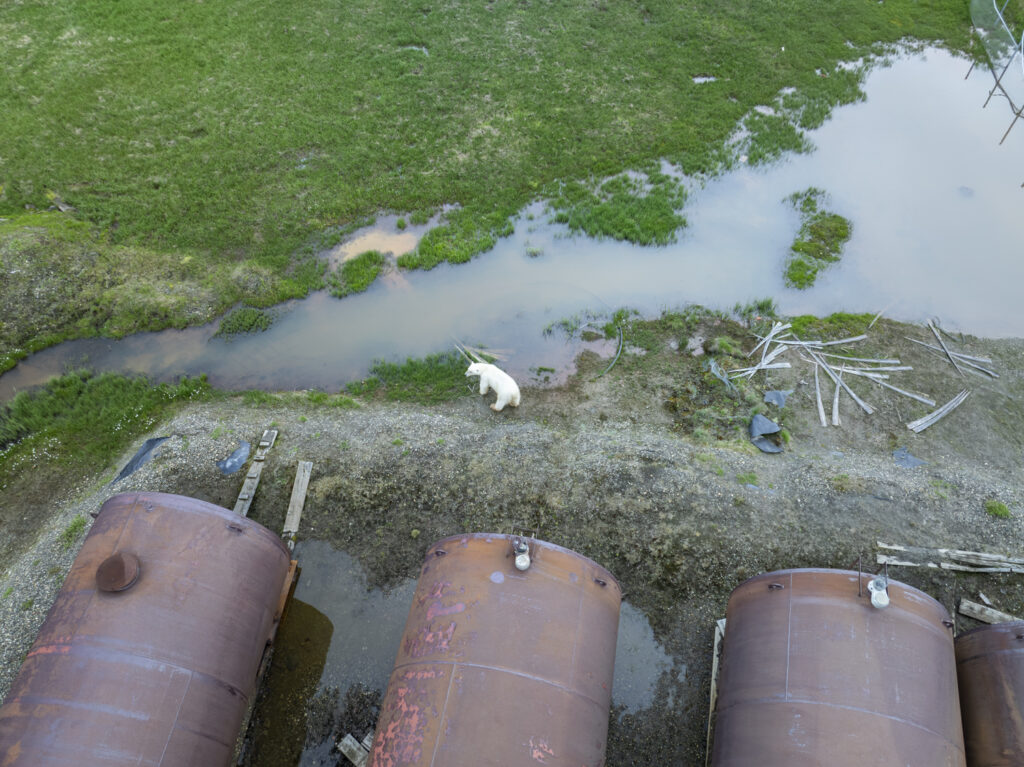
Environmental advocacy groups and scientists have also voiced strong opposition. They argue that the "mandated" nature of the lease sales ignores current climate realities and the international commitment to transition away from fossil fuels. These groups often point to the "stranded asset" risk, where long-term investments in fossil fuel infrastructure may become obsolete as the world shifts toward renewable energy.
Broader Implications and Future Projections
The decision to proceed with five lease sales over the next decade sets a precedent for how the U.S. manages its public lands in the face of the climate crisis. Critics argue that treating the NPR-A as a series of isolated projects—Willow, the Ambler Road, and the individual lease sales—obscures the cumulative impact on the environment. When viewed holistically, these developments represent a transformation of the Arctic from a wilderness to an industrial corridor.
The legal machinery currently in motion is difficult to halt, as the lease sales are written into federal law and regulatory frameworks. However, the future of the Western Arctic may ultimately be decided by the intersection of political shifts and financial markets. As oil companies operate on 30-year capital horizons, the long-term political stability of the region becomes a factor in investment decisions. Future administrations could theoretically implement stricter environmental regulations or "no-surface-occupancy" stipulations that would make development less attractive to investors.
As of March 2026, the identity of the National Petroleum Reserve-Alaska remains tied to its 1923 designation. While the name suggests a single-use purpose, the reality of the landscape is far more complex. The coming decade of lease sales will test the nation’s ability to balance energy security with the preservation of one of the earth’s last intact ecosystems. The Arctic remains a "second chance" for conservation, but as infrastructure begins to bisect the tundra, that window of opportunity is rapidly narrowing.
The federal government’s actions in the NPR-A reflect a broader national struggle. The transition from a resource-extraction economy to one based on sustainability is not a linear path but a series of contested decisions. In the Western Arctic, those decisions are now being etched into the permafrost, one lease sale at a time. The legacy of these choices will be measured not just in barrels of oil, but in the resilience of the caribou, the health of the migratory bird populations, and the integrity of the last whole place on the American map.

