
The federal government initiated the first of five mandated oil and gas lease sales in the western Arctic on March 18, signaling a significant expansion of industrial activity within the National Petroleum Reserve-Alaska (NPR-A). This move, part of a broader ten-year federal strategy, involves the potential leasing of millions of acres, including the ecologically sensitive Teshekpuk Lake wetlands. The opening of these sales marks a pivotal moment in the century-long history of the region, which has long been defined by its administrative designation as a resource reserve. Covering approximately 22.8 million acres, the NPR-A remains the largest single block of public land in the United States, representing a vast landscape that is currently at the center of intense debate regarding energy security, environmental conservation, and the accelerating impacts of climate change.
Historical Foundations: From Naval Reserve No. 4 to the NPR-A
The administrative origins of the NPR-A date back to 1923, when President Warren G. Harding signed an executive order establishing "Naval Petroleum Reserve No. 4." This designation was prompted by early geological surveys that identified oil seeps along the Arctic coast at a time when the United States Navy was transitioning its fleet from coal to oil. In the post-World War I era, national energy security was a paramount concern, and the North Slope of Alaska—then considered a remote resource colony following the gold rush—was viewed as a critical strategic asset. Consequently, the land was withdrawn from all other potential uses, including homesteading and mining, to be held in reserve for military needs.
The governance of the region shifted significantly in 1976 with the passage of the Naval Petroleum Reserves Production Act (NPRPA). This legislation transferred management authority from the U.S. Navy to the Department of the Interior. However, the act did not alter the land’s fundamental identity as a petroleum asset; instead, it rebranded the area as the National Petroleum Reserve-Alaska. This bureaucratic update reinforced the legal framework for "an expeditious program of competitive leasing," a mandate that continues to serve as the primary justification for current development projects.
The history of the reserve is also intertwined with political controversy. Shortly after designating the NPR-A, President Harding’s administration was engulfed in the Teapot Dome scandal. His Secretary of the Interior, Albert Bacon Fall, was found to have accepted bribes in exchange for awarding no-bid leases at Naval Petroleum Reserve No. 3 in Wyoming. While the Alaska reserve remained largely undeveloped during this period, the legacy of political maneuvering over public energy resources has persisted for over a century.
Geographic Scope and Ecological Significance
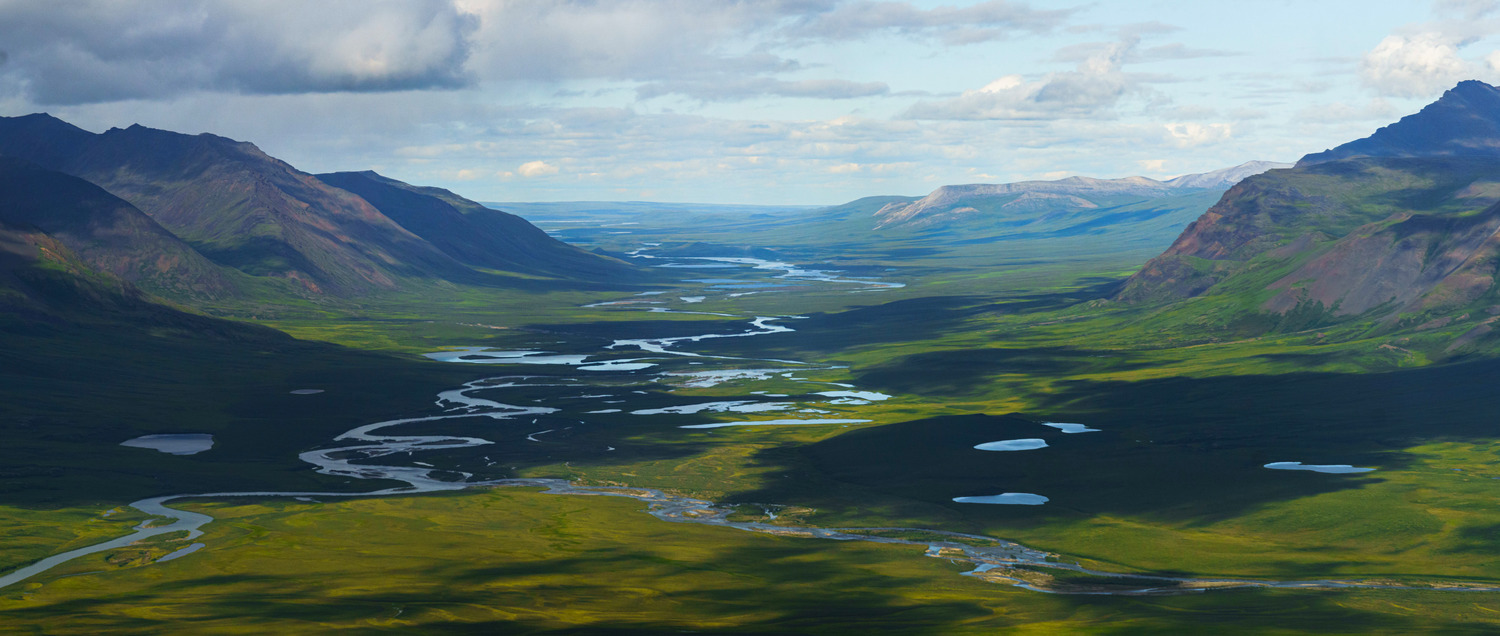
Spanning an area roughly equivalent to the state of Indiana, or nearly the size of California when combined with the adjacent Arctic National Wildlife Refuge (ANWR), the Western Arctic is characterized by its ecological integrity. Unlike the contiguous United States, where public lands are often fragmented by roads, fences, and suburban sprawl, the NPR-A represents a largely untrammeled ecosystem. It is bounded by the Brooks Range to the south, the Arctic Ocean to the north, and the Yukon River basin to the west.
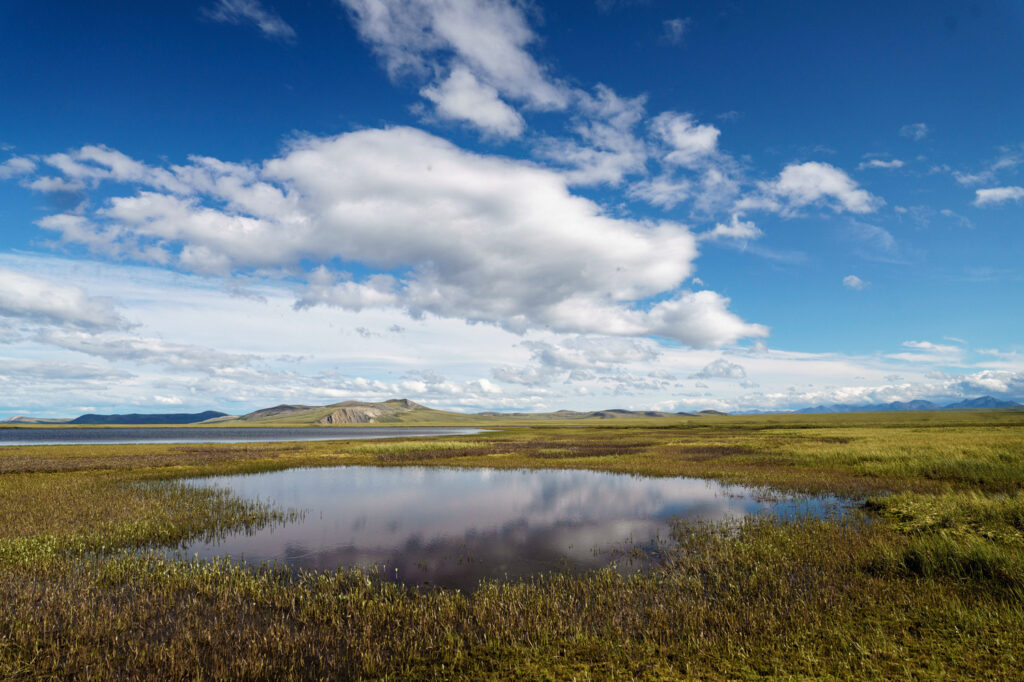
The ecological value of the NPR-A is centered on its status as a premier habitat for migratory species. The Teshekpuk Lake wetlands, located in the northeastern portion of the reserve, are considered a globally critical habitat. According to biological surveys, the NPR-A hosts an estimated 5.4 million aquatic birds during the summer nesting season, more than any other Arctic wetland system. These birds migrate from six continents, making the region a vital node in global avian flyways.
Furthermore, the reserve supports the Teshekpuk Lake caribou herd, one of the four major herds in Alaska. The wetlands surrounding the lake serve as the primary calving grounds and insect-relief areas for the herd, which is a critical subsistence resource for Indigenous communities on the North Slope. For decades, portions of these wetlands were protected from leasing due to their high biological sensitivity. However, recent administrative shifts and legislative mandates have opened these areas to potential drilling, sparking concerns about the long-term viability of the caribou populations and the migratory waterfowl that depend on the region.
The Convergence of Industrial Development
The current lease sales do not exist in isolation but are part of a converging series of industrial and infrastructure projects on Alaska’s North Slope. These developments include the Willow Oil Project, the Ambler Mining District Road, and ongoing leasing in the Arctic National Wildlife Refuge.
- The Willow Project: Managed by ConocoPhillips, the Willow project is one of the largest oil developments currently underway on federal lands. It is estimated to hold approximately 750 million to 600 million barrels of technically recoverable oil. As the project moves into its development phase, it requires the construction of extensive infrastructure, including gravel roads, pipelines, and processing facilities within the NPR-A.
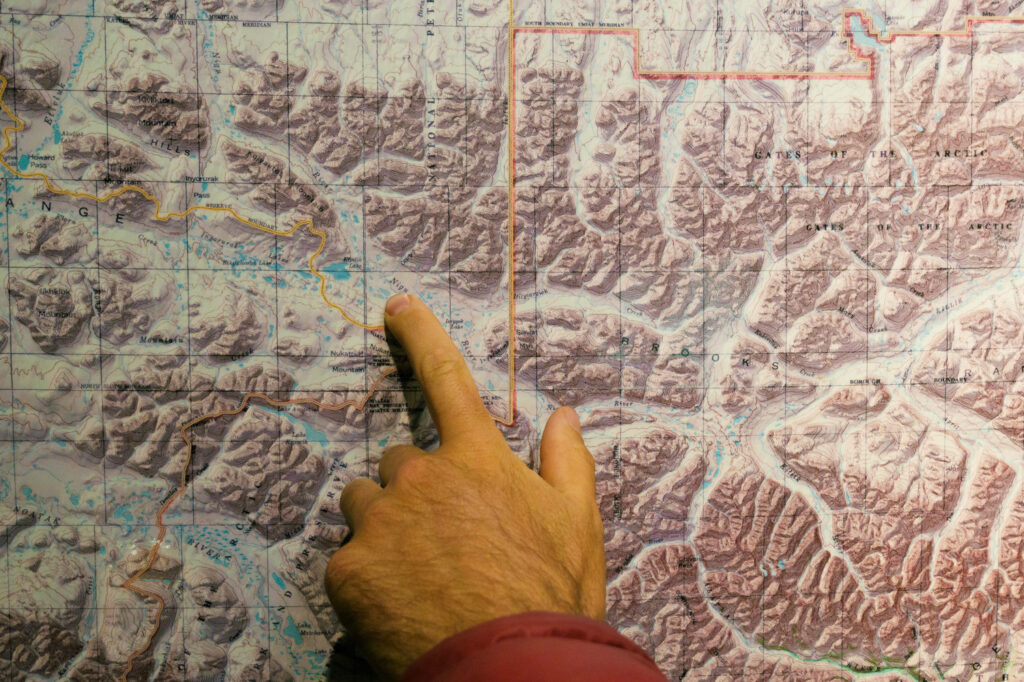
- The Ambler Road: A proposed 211-mile industrial access road intended to link the Dalton Highway to the Ambler Mining District. This project would cut through the southern portion of the Brooks Range and the Gates of the Arctic National Park and Preserve, facilitating the extraction of copper and other minerals.
- Infrastructure Expansion: The state of Alaska has also moved to sell public land along existing road corridors to bolster a budget that has been strained by fluctuating oil prices and declining production from older fields like Prudhoe Bay. Prudhoe Bay, located to the east of the NPR-A, has yielded 13.5 billion barrels of oil over the last five decades, but its output is in a long-term decline.
Industry proponents argue that these projects are essential for maintaining the throughput of the Trans-Alaska Pipeline System (TAPS), which requires a minimum flow rate to operate efficiently in Arctic temperatures. Pro-development groups, such as the Alaska Oil and Gas Association (AOGA), emphasize that Arctic development provides high-paying jobs and critical tax revenue for the state and local boroughs.
Economic Data and Technical Challenges
The economic viability of extracting oil from the Western Arctic remains a subject of intense analysis. The United States Geological Survey (USGS) estimates that the Northern Alaska region may contain nearly half of all undiscovered recoverable oil on federal lands in the country. Specifically, the NPR-A is estimated to hold nearly 900 million barrels of technically recoverable conventional oil.
However, the cost of extraction in the Arctic is significantly higher than in the Permian Basin or other domestic shale plays. Factors contributing to these costs include:
- Extreme Environment: Construction and drilling must account for permafrost stability and sub-zero temperatures.
- Logistics: The lack of existing roads requires the use of ice roads, which are becoming increasingly difficult to maintain as winter seasons shorten.
- Regulatory Compliance: Environmental protections and the remote nature of the region necessitate complex permitting and mitigation strategies.
Critics of the lease sales point out that Arctic oil often requires significant public subsidies and infrastructure support to remain competitive. Furthermore, oil companies operate on 30-year capital horizons, meaning that investments made today are based on the assumption of long-term global demand for fossil fuels—an assumption that is increasingly challenged by the global transition toward renewable energy.
Climate Change and Environmental Vulnerability
The Western Arctic is warming three to five times faster than the global average, a phenomenon known as Arctic amplification. This rapid warming is causing visible changes to the landscape, including the thawing of permafrost, which can lead to "thermokarst" slumping and the destabilization of both natural ecosystems and man-made infrastructure.
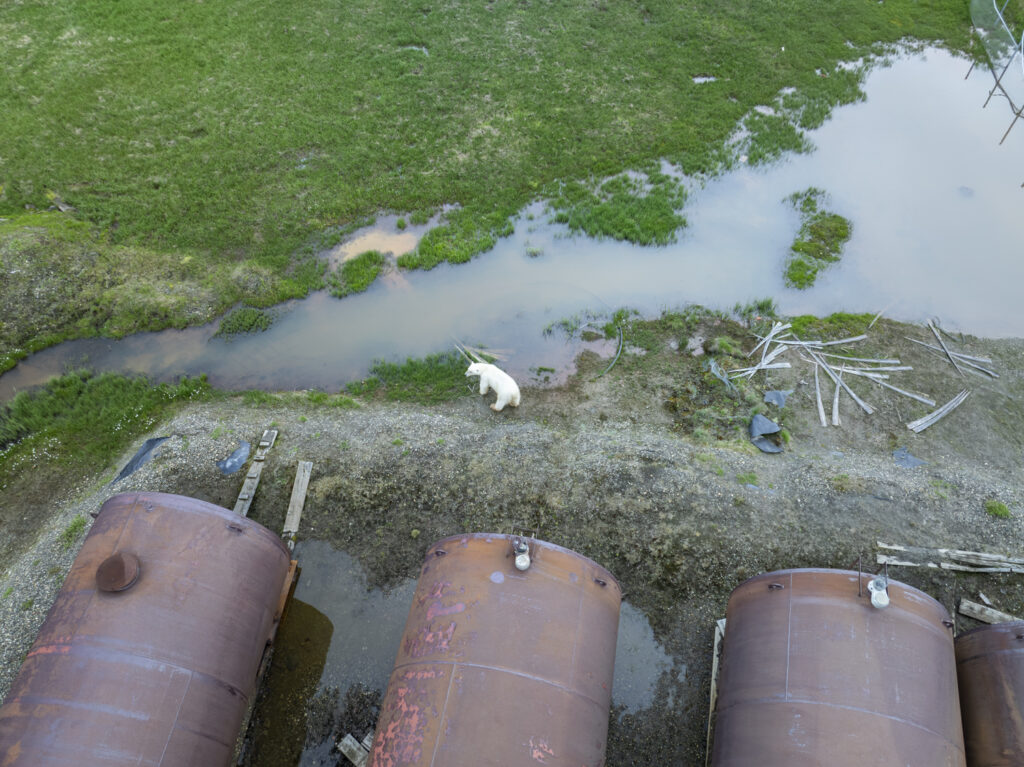
The environmental implications of the lease sales are multifaceted. Beyond the direct impact of drilling pads and roads, there is the broader concern of "fragmentation." In conservation biology, fragmentation occurs when large, contiguous habitats are broken into smaller pieces by human activity. For caribou, even a single road or pipeline can disrupt traditional migration routes, leading to decreased calf survival and changes in grazing patterns.
From a climate perspective, the carbon footprint of developing the NPR-A is substantial. Environmental organizations, including Protect Our Winters (POW), argue that the extraction and eventual combustion of hundreds of millions of barrels of oil from the reserve are incompatible with international goals to limit global warming to 1.5 degrees Celsius. They contend that the "restraint" exercised in the Arctic today will determine the environmental stability of the planet in the coming decades.
Stakeholder Reactions and Legal Frameworks
The response to the lease sales has been divided along economic, environmental, and cultural lines.
- Federal and State Officials: Advocates for the lease sales, including many members of the Alaska State Legislature, view the NPR-A as a vital economic engine. They cite the legal mandate for "expeditious" leasing as a binding commitment to the state’s economic future.
- Indigenous Perspectives: The Indigenous communities of the North Slope hold diverse views. Some regional corporations and the North Slope Borough have historically supported oil development for the revenue it provides for schools, healthcare, and infrastructure. Conversely, many village residents and tribal traditionalists express concern that industrialization threatens subsistence hunting and fishing rights, which are central to their cultural identity.
- Environmental Advocates: Conservation groups have filed multiple lawsuits to challenge the adequacy of environmental impact statements (EIS) related to the lease sales. They argue that the federal government has failed to fully consider the cumulative impacts of multiple projects and the long-term climate consequences.
Analysis of Implications
The opening of the first of five lease sales in the NPR-A represents a continuation of a resource-extraction policy established a century ago. However, the context has shifted from a military necessity in 1923 to a complex geopolitical and environmental dilemma in 2026. The decision to proceed with these sales suggests a federal prioritization of traditional energy production despite the accelerating climate crisis.
The outcome of these lease sales will likely depend on the "political break-even" point for oil companies. If the future of federal energy policy remains uncertain, or if social and legal opposition increases the cost of development, the actual extraction of oil may be delayed or rendered economically unfeasible. Conversely, if the infrastructure for projects like Willow and the Ambler Road is completed, it will create a "scaffolding" that makes further development in the NPR-A more likely.
Ultimately, the National Petroleum Reserve-Alaska serves as a case study in the power of administrative naming. While the land remains a vibrant, intact ecosystem, its legal designation as a "petroleum reserve" continues to dictate its management. The tension between the region’s biological reality and its political identity will remain a defining feature of American land-use policy for the foreseeable future.

