
At the southern extremity of the globe, where the terrestrial world gives way to a vast expanse of floating ice, Dr. Alison Banwell and her research team have concluded a critical field season aimed at answering one of the most pressing questions in modern climate science: how long can Antarctica’s ice shelves continue to hold back the continent’s massive glaciers? Dr. Banwell, a Research Scientist at the University of Colorado Boulder and a Professor in Glaciology at Northumbria University, recently led a National Science Foundation (NSF)-funded expedition to the McMurdo Ice Shelf. Her work focuses on the structural integrity of ice shelves, which serve as the final gatekeepers preventing land-based ice from sliding into the ocean and causing catastrophic sea-level rise.
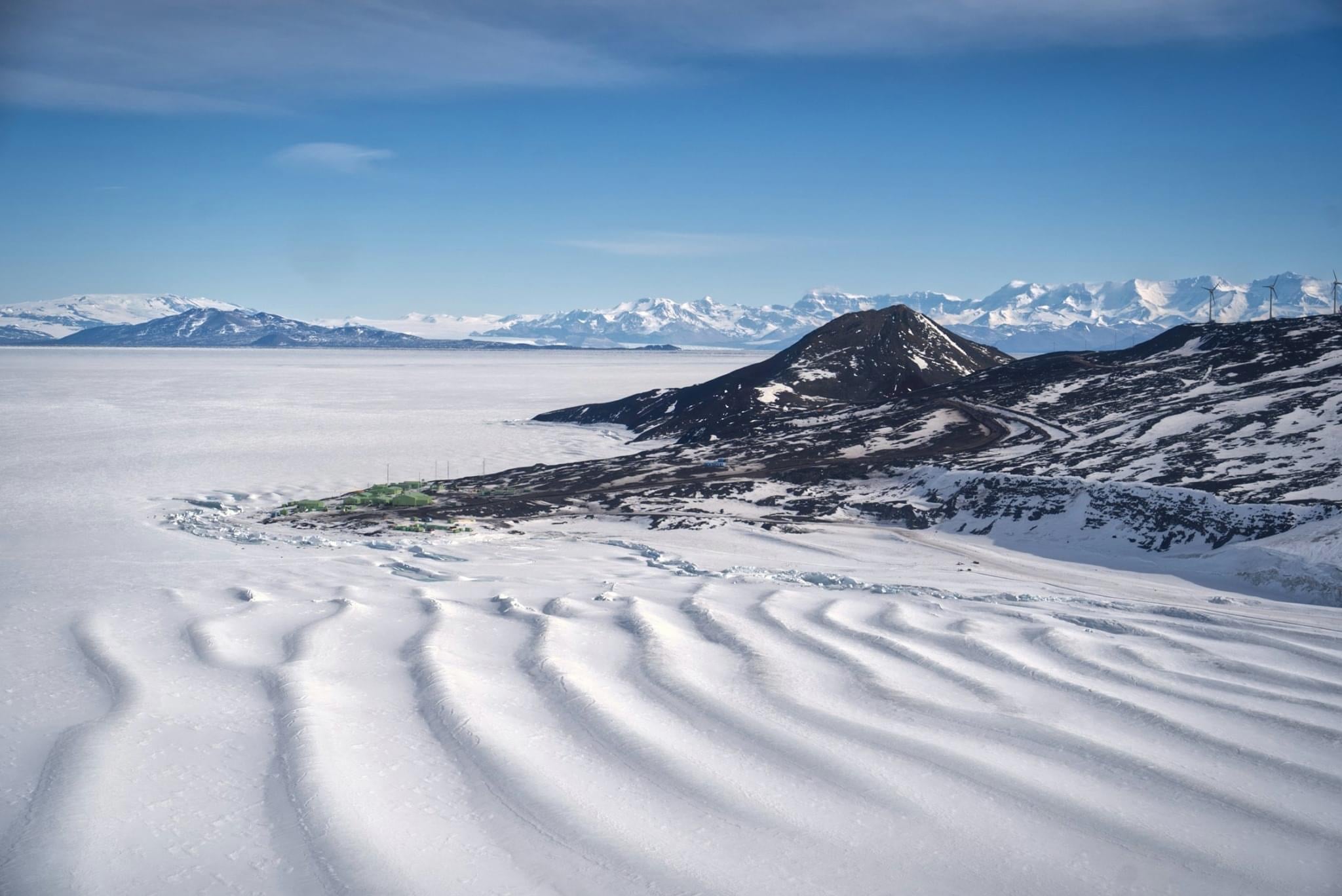
The stakes of this research are underscored by a singular, staggering statistic: the entire Antarctic Ice Sheet contains enough frozen water to raise global sea levels by approximately 190 feet. While a total melt is not an immediate prospect, the mechanisms that could trigger large-scale instability are already in motion. Dr. Banwell’s research specifically investigates "ice shelf rumples"—complex, wave-like ridges formed when floating ice is forced against submerged land or obstacles. Understanding whether these features stabilize the shelf or act as points of failure is essential for predicting the future of the world’s coastlines.
The Role of Ice Shelves in Global Stability
To understand the importance of Dr. Banwell’s work, one must first understand the "buttressing" effect. Approximately 75% of the Antarctic continent is ringed by ice shelves—thick, floating platforms of ice that extend from the land-based ice sheets. These shelves act as a physical brake, slowing the flow of glaciers from the interior toward the sea. When an ice shelf collapses, the glaciers behind it accelerate, discharging ice into the ocean at much higher rates.
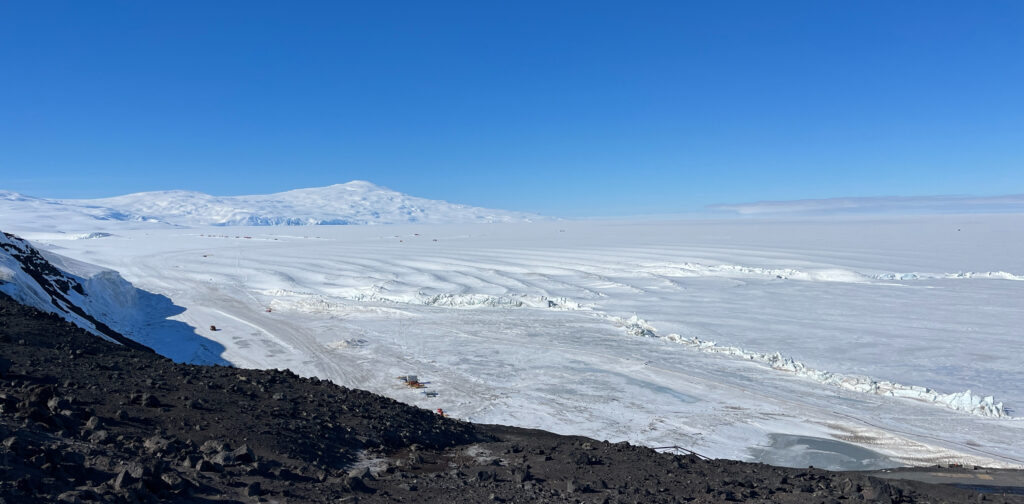
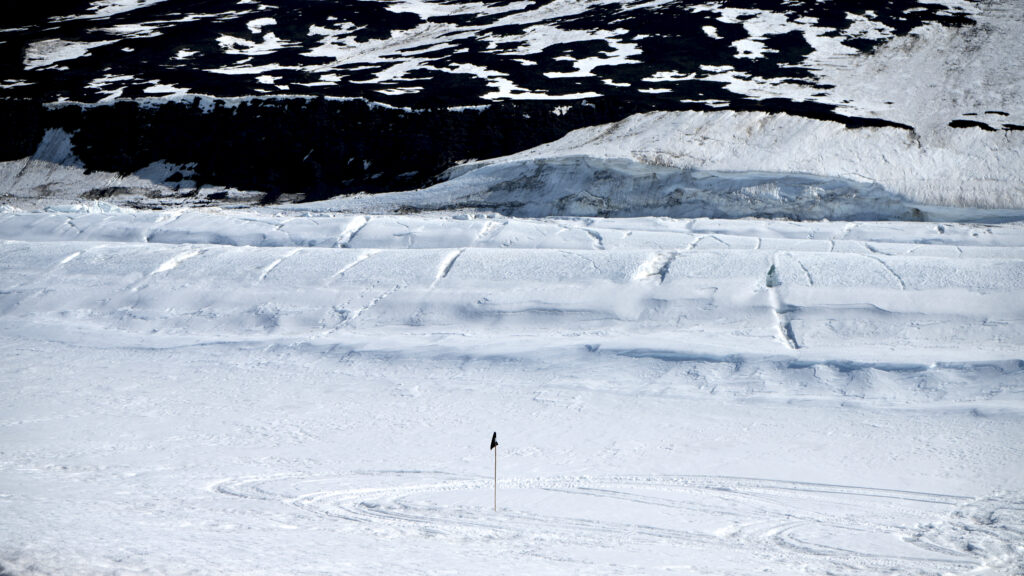
The McMurdo Ice Shelf, located near the United States’ McMurdo Station on Ross Island, provides a unique laboratory for studying these dynamics. In most regions, ice shelves flow outward toward open water. However, in the McMurdo region, the ice is frequently pushed into landmasses or grounded features. This compression causes the ice to buckle and "rumple," creating ridges that can stretch across the surface for miles. These rumples are often accompanied by deep fractures and buckling, creating a terrain that is as dangerous to navigate as it is scientifically significant.
The central inquiry of Dr. Banwell’s current project is whether these rumples provide additional friction that helps "pin" the ice shelf in place, or if the internal stress required to create them actually weakens the ice, making it more susceptible to calving and total disintegration.
Chronology of the Field Season: Six Weeks on the Ice
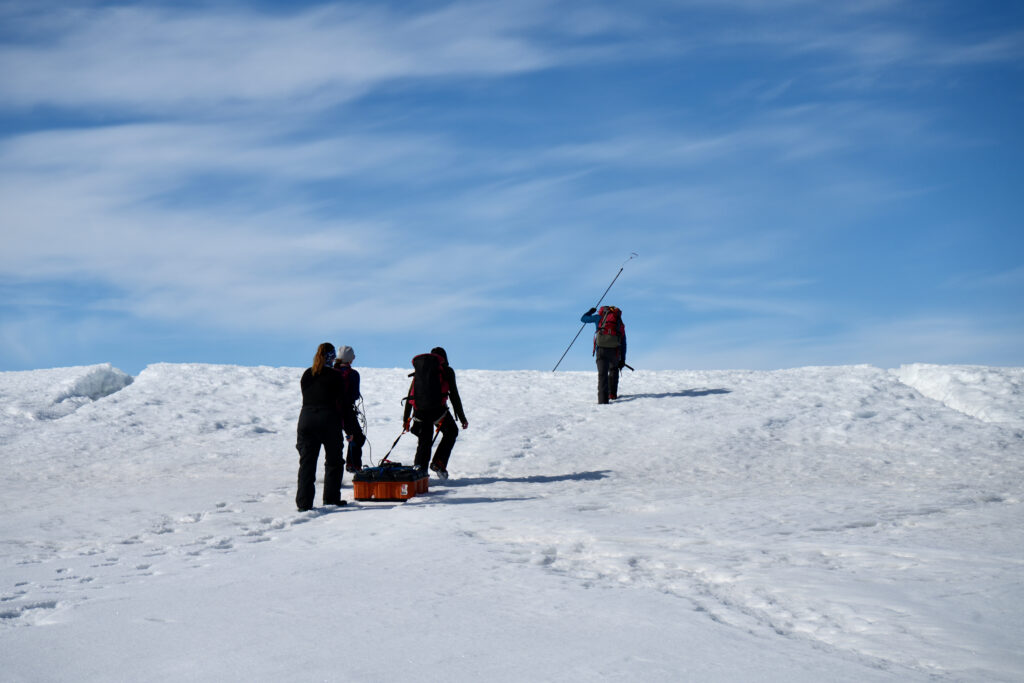
The expedition, which lasted six weeks during the Antarctic summer, involved a team of four specialists: Dr. Banwell (Principal Investigator), Dr. Ryan Cassotto (Co-Principal Investigator from the University of Colorado Boulder and University of Maine), and PhD students Michela Savignano and Allie Berry. Their daily operations were conducted via snowmobile, navigating a landscape that Dr. Banwell described as "vast, remote, and at times almost otherworldly."
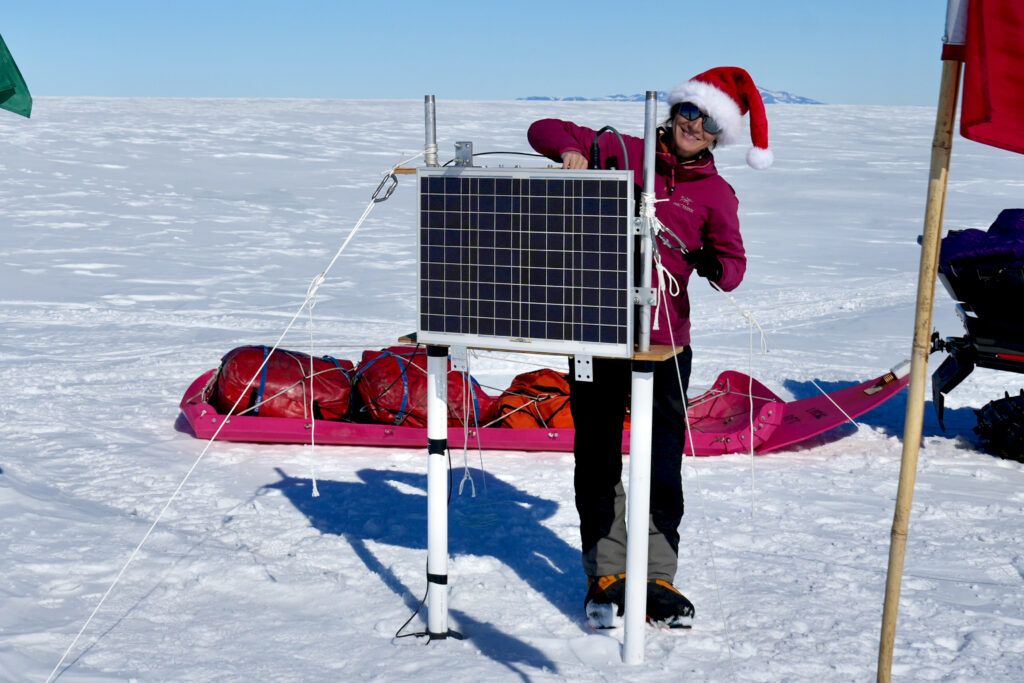
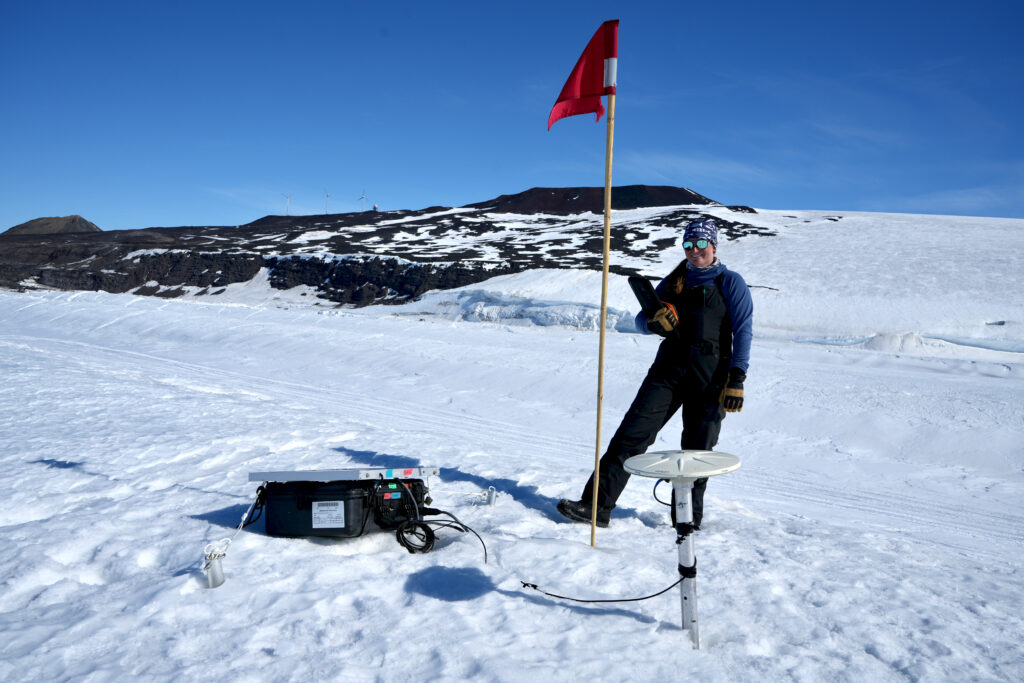
The timeline of the mission was dictated by the harsh realities of the Antarctic climate. Working in the perpetual sun of the southern summer, the team established a sophisticated network of monitoring equipment across the "rumple zone." This installation phase required precision and physical endurance, as instruments had to be anchored into the ice to survive the coming winter.
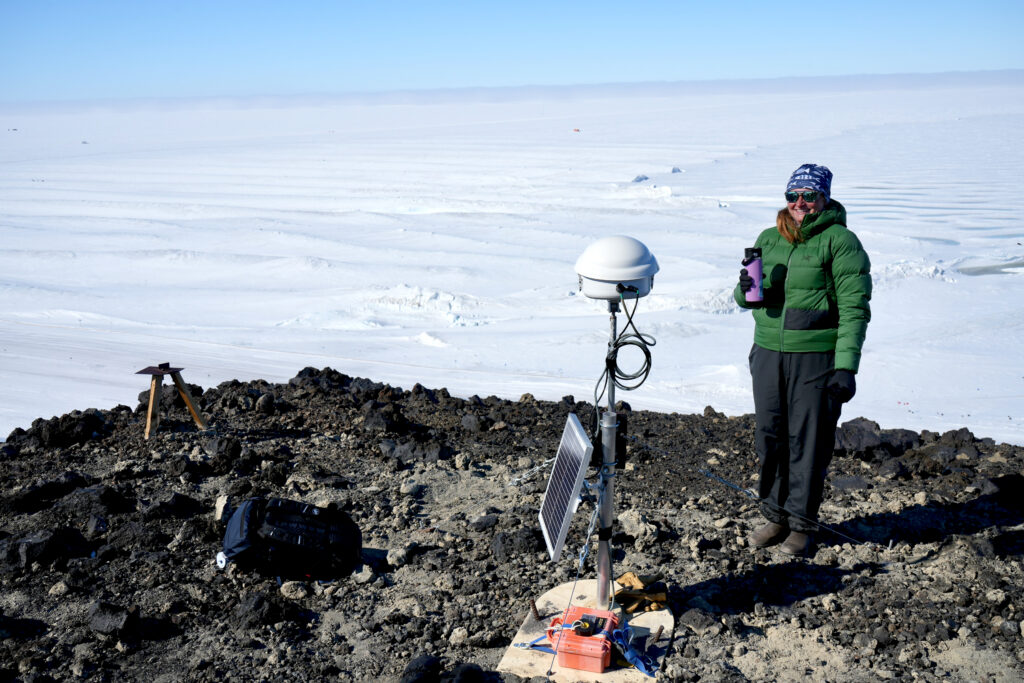
By the mid-point of the season, the team had successfully deployed a multi-modal sensor array:
- Seismometers: Designed to detect "ice quakes" or the internal cracking of the ice shelf.
- High-Precision GPS: Units capable of tracking ice movement down to the centimeter, allowing the team to monitor real-time deformation.
- Radar Systems: Used to measure the internal thickness of the ice and identify hidden deformations within the shelf’s structure.
- Automated Weather Stations: To correlate ice movement with atmospheric changes, such as wind speed and temperature fluctuations.
- Time-Lapse Cameras: Positioned to take photographs every 30 minutes, providing a visual record of surface changes throughout the year.
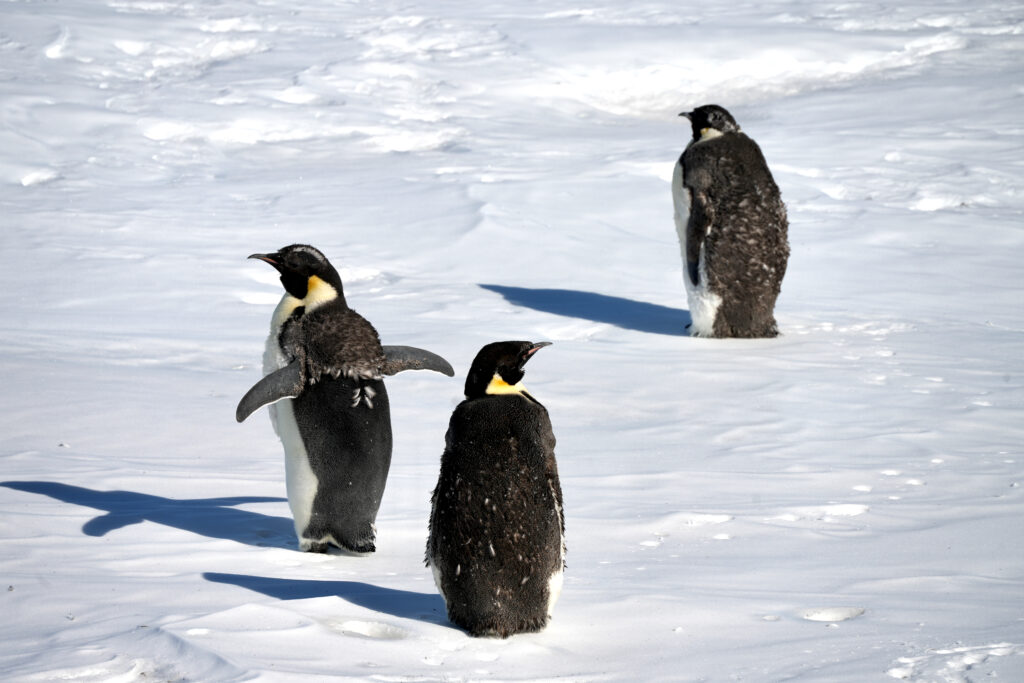
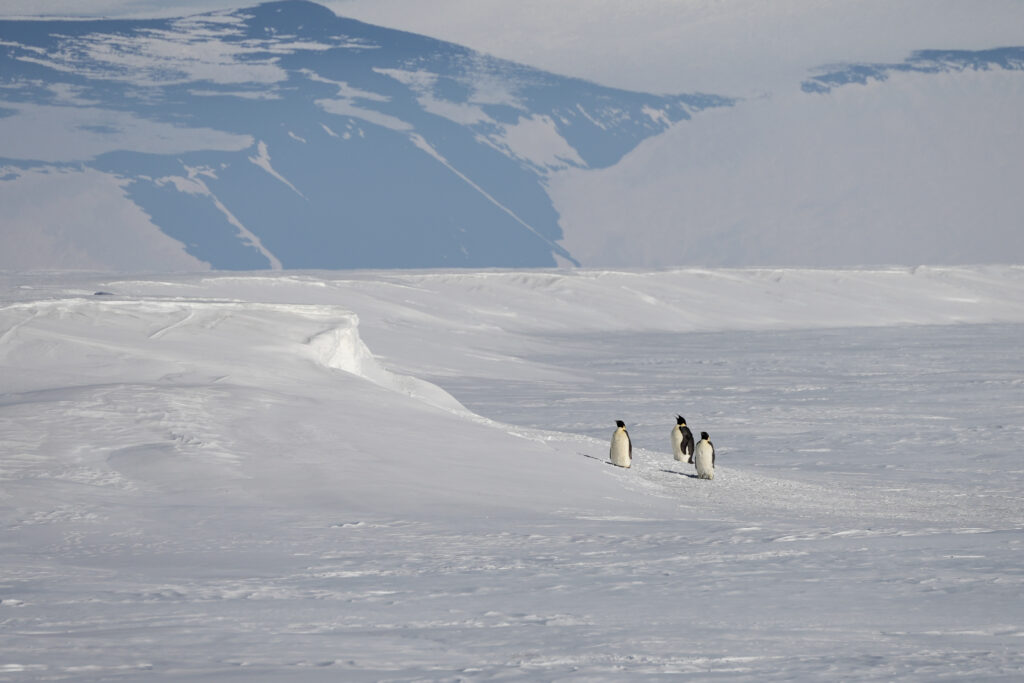
Throughout the season, the team shared their field site with three molting emperor penguins. These birds, undergoing a vulnerable stage of their life cycle where they lose their waterproof feathers, remained near the research site for weeks, providing the scientists with a rare, close-up view of the continent’s wildlife in a changing environment.
Observed Anomalies and the Impact of Rising Temperatures
While the full dataset from the mission will not be retrieved until the following field season, early observations have already raised concerns. Dr. Banwell noted that the ice was moving significantly faster than expected, averaging between one and two feet per day. In the context of glaciology, this is a highly dynamic rate of movement, indicating that the shelf is under constant, shifting stress.
Perhaps more alarming was the environmental context of the season. Dr. Banwell, a veteran of seven Antarctic summers, reported that this was the warmest season she had ever experienced on the continent. The unusual warmth led to an early melt of the seasonal snowpack, which in turn revealed a more heavily fractured ice surface than previous satellite imagery had suggested.
"The team encountered more crevasses than anticipated," Dr. Banwell noted, highlighting the increased danger of field operations. The early exposure of these fractures is a physical manifestation of the stress the ice shelf is under, suggesting that rising temperatures are already beginning to compromise the structural integrity of the McMurdo region.
Supporting Data: The Global Context of Sea-Level Rise
The urgency of Dr. Banwell’s research is supported by broader climate data from the Intergovernmental Panel on Climate Change (IPCC) and the National Snow and Ice Data Center (NSIDC). Current scientific consensus suggests that global sea levels are likely to rise by one to three feet by the year 2100. However, these projections are heavily dependent on the stability of the West Antarctic Ice Sheet (WAIS).
If the "buttressing" ice shelves of the WAIS were to fail, the rate of sea-level rise could accelerate beyond current models. A rise of just three feet would be sufficient to displace over 100 million people worldwide, threatening major metropolitan areas such as New York, Miami, Shanghai, and Mumbai. The McMurdo Ice Shelf serves as a microcosm for these larger processes; by understanding the physics of rumples and fractures here, scientists can better calibrate the global models used by policymakers to plan for coastal adaptation.
Official Responses and Scientific Implications
The National Science Foundation, which funded the study, emphasizes that field-based research is the only way to validate the remote sensing data provided by satellites. While satellites can show that an ice shelf is thinning, they cannot "hear" the internal cracking or measure the minute-by-minute deformation that Dr. Banwell’s ground-based instruments are designed to capture.
Related academic parties have noted that the integration of seismic data with GPS tracking represents a significant step forward in glaciological methodology. By "listening" to the ice, Dr. Banwell’s team can identify the exact moment of structural failure, providing a high-resolution look at how ice shelves respond to thermal and mechanical stress.
Broader Impact and Future Outlook
The data currently being collected by the instruments left on the McMurdo Ice Shelf will provide a continuous record of the shelf’s behavior through the dark, brutal Antarctic winter. When the team returns next season to retrieve the equipment, they will have access to a year’s worth of insights into how the ice reacts when humans are not there to watch.
The implications of this study extend far beyond the academic community. As global temperatures continue to rise, the frequency of ice-shelf breakup events is expected to increase. The transition from a stable, buttressed ice sheet to an accelerating glacial flow represents a "tipping point"—a threshold after which the process of sea-level rise becomes much harder to slow or reverse.
Dr. Banwell’s work in the rumple zones of Antarctica is a vital effort to map the limits of that stability. In a world where one or two feet of ice movement per day can eventually translate into several feet of sea-level rise across the globe, the measurements taken on the McMurdo Ice Shelf are not merely scientific data points; they are early warning signals for the future of human civilization’s relationship with the sea. The scientists willing to endure the cold, navigate the crevasses, and monitor the shifting ice are providing the essential clarity needed to navigate an uncertain climatic future.

