
At the southern extremity of the globe, where the terrestrial world gives way to a vast and volatile frozen frontier, a team of specialized researchers is grappling with one of the most pressing questions of the 21st century: the long-term structural integrity of the Antarctic Ice Sheet. Led by Dr. Ali Banwell, a Research Scientist at the University of Colorado Boulder’s Cooperative Institute for Research in Environmental Sciences (CIRES) and a Professor in Glaciology at Northumbria University, the expedition represents a critical effort to quantify the mechanisms of polar melt. Working on the McMurdo Ice Shelf, Dr. Banwell and her team are documenting the physical transformations of the ice in real-time, seeking to determine how much time remains before the continent’s "last line of defense" succumbs to a warming climate.
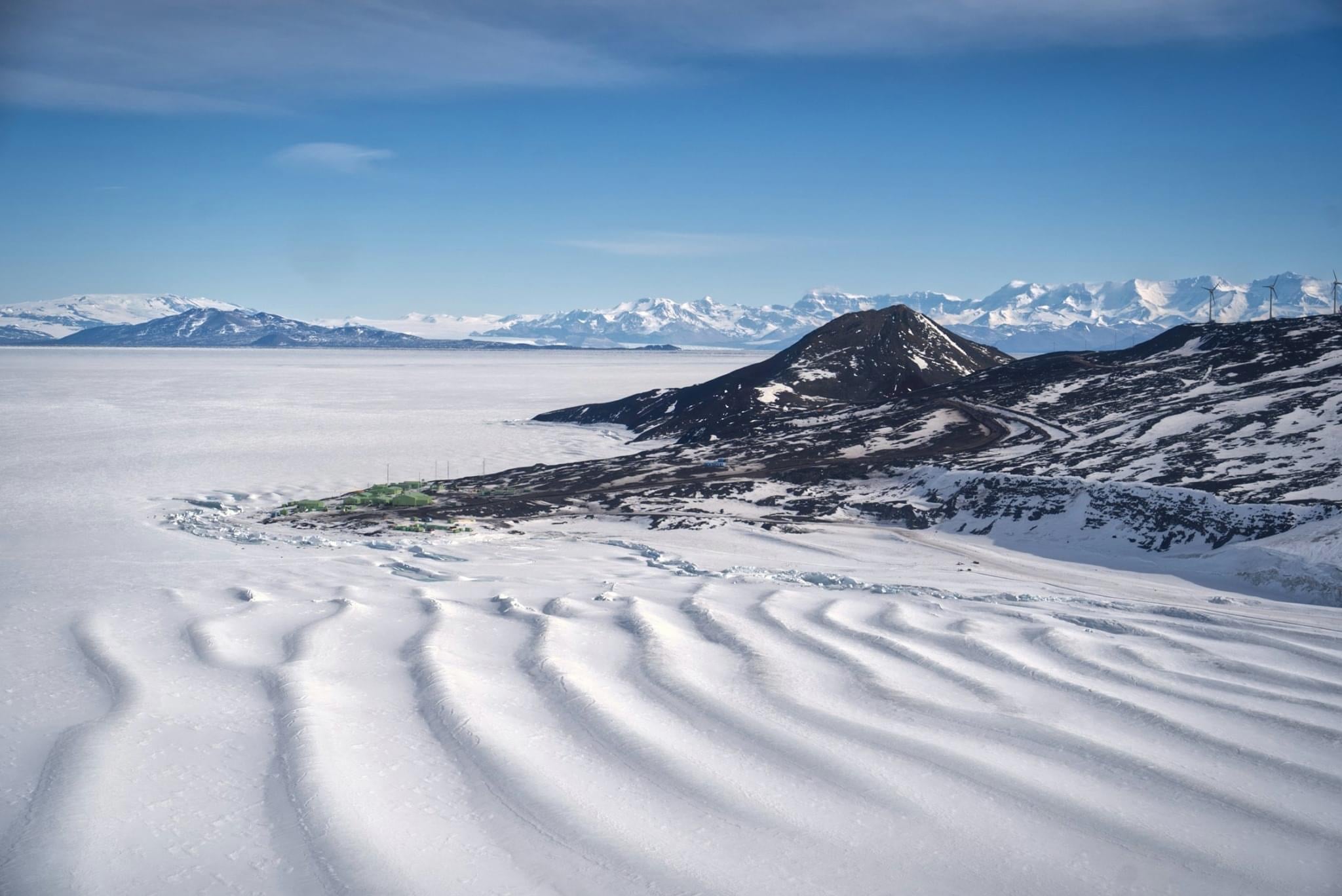
The stakes of this research are grounded in a singular, sobering statistic: if the entire Antarctic Ice Sheet were to undergo a complete melt, global sea levels would rise by approximately 190 feet. While such a total collapse is not an immediate prospect, the processes that lead to significant sea-level rise are already in motion. Dr. Banwell’s research focuses on the ice shelves—vast, floating platforms of glacial ice that extend from the land and ring approximately 75% of the Antarctic coastline. These shelves serve as critical buttresses, physically holding back the massive land-based glaciers from sliding into the Southern Ocean. Without these barriers, the flow of inland ice would accelerate dramatically, leading to an irreversible surge in global ocean levels.
The Mechanics of the McMurdo Ice Shelf Rumples
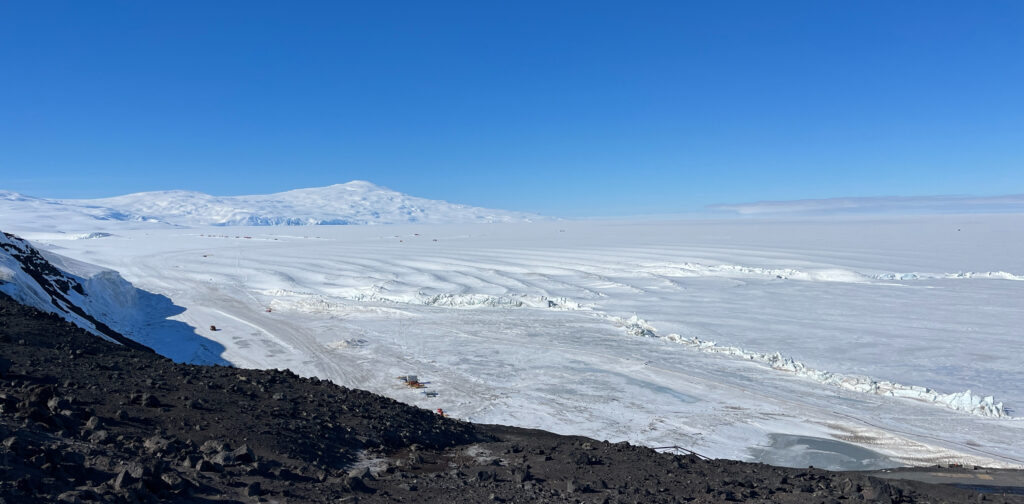
The primary objective of the current research, funded by the National Science Foundation (NSF), is to understand the behavior of "ice shelf rumples." In the standard model of glaciology, ice shelves are expected to flow outward from the continent toward the open sea. However, at the McMurdo Ice Shelf, located near the United States’ McMurdo Station on Ross Island, the team has observed an anomalous phenomenon. Instead of a linear outward flow, portions of the ice are being compressed against land masses.
This compression results in the formation of rumples—wave-like ridges and undulations that stretch across the ice surface. Under extreme pressure, the ice within these rumples can buckle, fracture, and develop deep crevasses. The central scientific inquiry driving Dr. Banwell’s team is whether these rumples act as structural reinforcements that stabilize the shelf or if they represent points of critical failure that make the ice more susceptible to fragmentation. Understanding this distinction is vital, as the loss of stability in one sector of an ice shelf can lead to a "domino effect" across the entire glacial system.
Six Weeks in the Field: A Chronology of Discovery
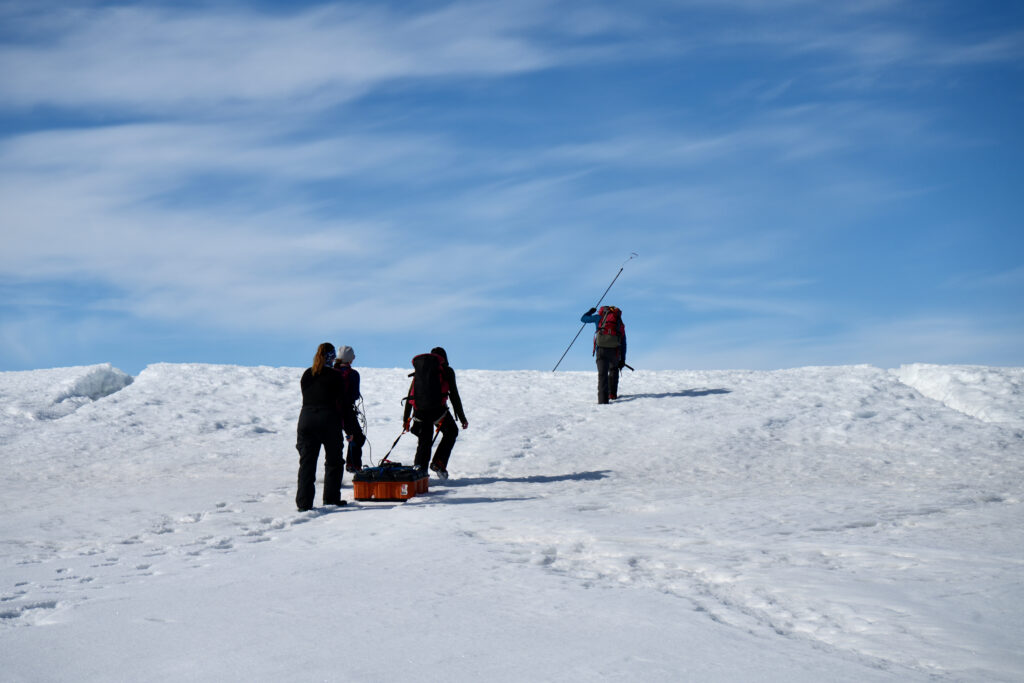
The field season spanned six weeks of intensive labor under the perpetual sun of the Antarctic summer. Dr. Banwell led a four-person team, including Co-Principal Investigator Dr. Ryan Cassotto and PhD students Michela Savignano and Allie Berry. Their daily routine involved traversing the vast, otherworldly landscape via snowmobile, navigating a terrain that is as dangerous as it is beautiful.
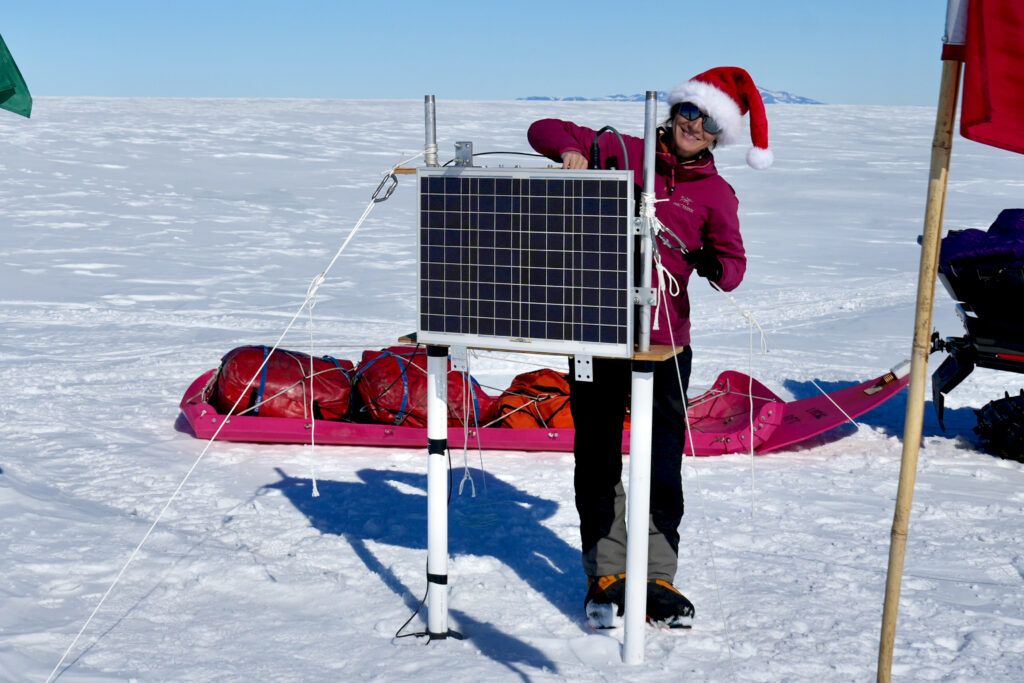
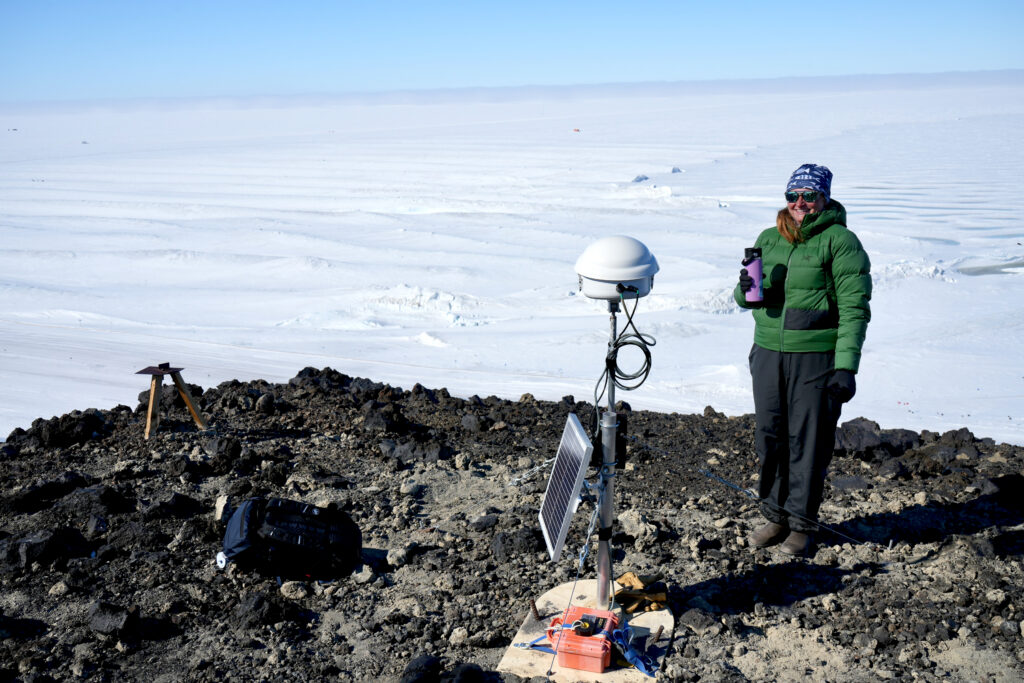
The team’s primary task was the deployment of a sophisticated network of scientific instruments designed to monitor the ice shelf’s "vital signs" throughout the harsh winter months. This technological array included:
- Seismometers: These instruments are sensitive enough to detect the minute vibrations and "ice quakes" caused by internal cracking and fracturing within the shelf.
- High-Precision GPS Units: Capable of measuring movement down to the centimeter, these units track the exact velocity and direction of the ice flow.
- Ground-Penetrating Radar: These systems allow scientists to peer through the ice to measure its thickness and map internal deformation zones.
- Automated Weather Stations: These capture critical atmospheric data, including temperature, wind speed, and solar radiation, providing context for the physical changes observed in the ice.
- Time-Lapse Cameras: Positioned to take photographs every 30 minutes, these cameras provide a continuous visual record of the surface conditions, documenting snow accumulation, melt patterns, and structural shifts.
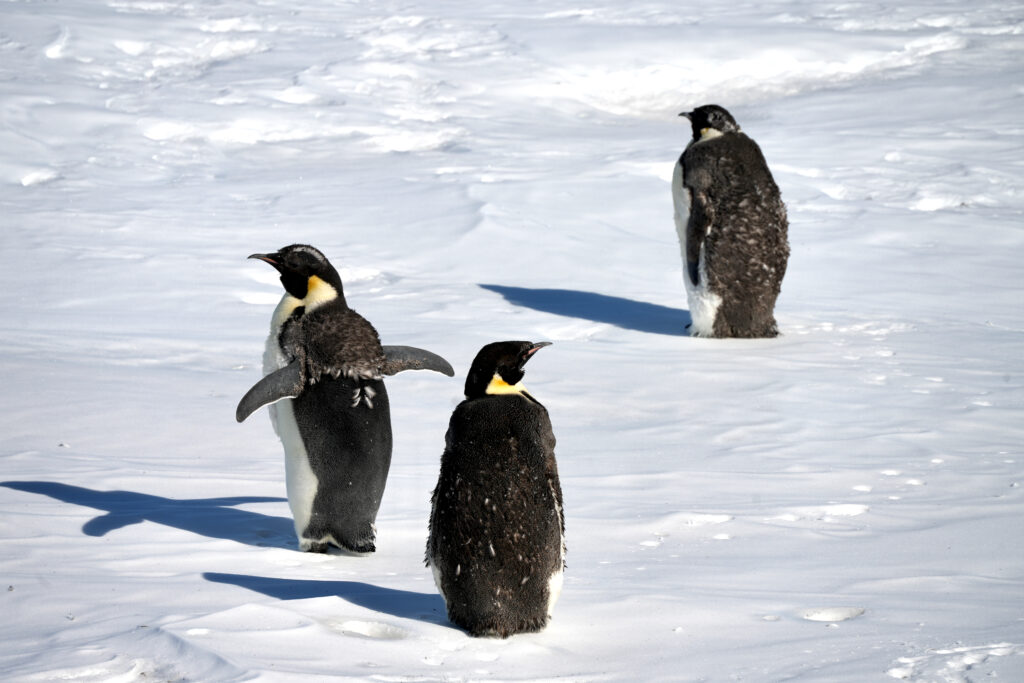
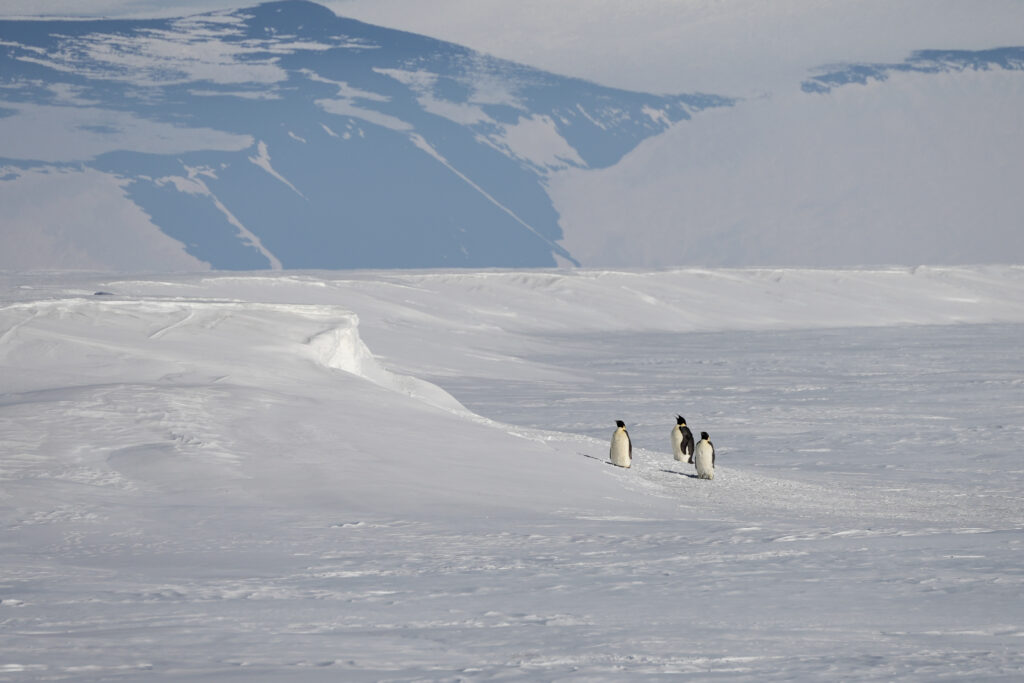
During their time on the ice, the researchers were accompanied by three emperor penguins in the midst of their annual molt. These birds, often stationary and indifferent to human activity during this vulnerable phase of their life cycle, provided a stark reminder of the biological ecosystems that depend on the stability of the Antarctic environment.
Observed Anomalies and Early Data Analysis
While the full analysis of the collected data will take months, early observations from the field season have already yielded significant insights. Dr. Banwell noted that the glacial ice was moving at a rate of approximately one to two feet per day. While this may appear slow by terrestrial standards, in the context of glaciology, it represents a highly dynamic and rapidly changing system.
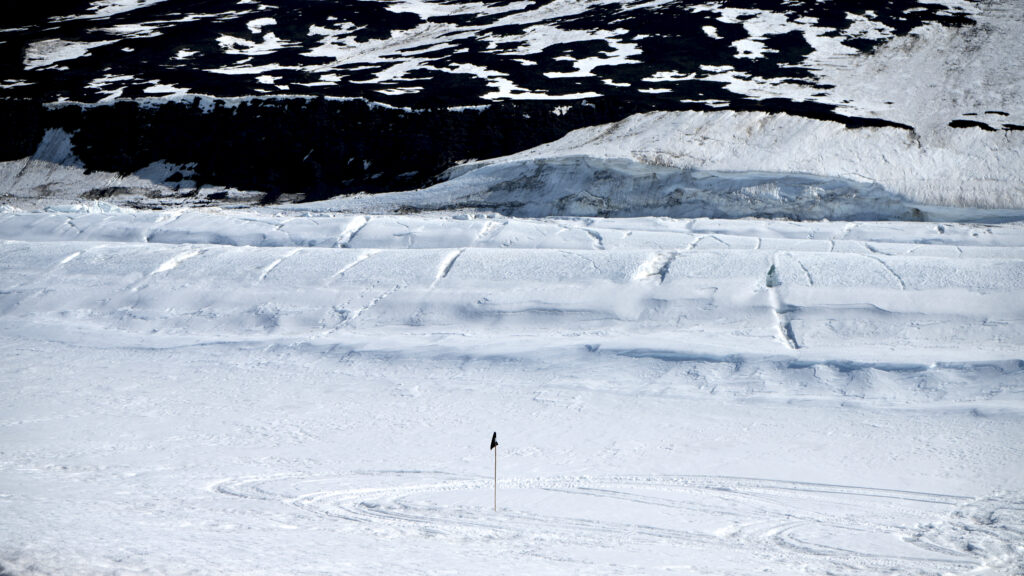
Furthermore, the 2023-2024 field season was marked by unprecedented atmospheric conditions. Dr. Banwell, who has worked in Antarctica for seven summers, reported that this was the warmest season she has experienced. The elevated temperatures led to an earlier-than-usual snowmelt, which stripped away the protective white surface to reveal a highly fractured and "sobering" landscape beneath. The team encountered a significantly higher number of crevasses than anticipated, necessitating advanced mountaineering techniques and constant vigilance to ensure the safety of the personnel.
This increased fracturing is a direct consequence of thermal stress and mechanical pressure. As the surface snow melts, water can percolate into existing cracks, a process known as hydrofracturing. This can widen crevasses and weaken the overall structural integrity of the ice shelf, potentially leading to calving events where large chunks of ice break off into the ocean.
Supporting Data and the Broader Scientific Context
The research conducted by Dr. Banwell’s team is part of a larger global effort to refine climate models. Current projections from the Intergovernmental Panel on Climate Change (IPCC) suggest a global sea-level rise of one to three feet by the end of the century. However, these projections are subject to significant uncertainty, largely because the behavior of Antarctic ice shelves is not yet fully understood.
The Antarctic continent holds about 90% of the world’s ice and 70% of its fresh water. The West Antarctic Ice Sheet (WAIS), in particular, is considered highly vulnerable because much of it rests on bedrock that is below sea level. If the ice shelves protecting the WAIS—such as the Ross Ice Shelf or the Thwaites Glacier—were to collapse, the resulting influx of ice into the ocean could exceed even the most pessimistic current estimates.
The data being gathered at the McMurdo Ice Shelf rumples will be cross-referenced with satellite imagery from missions such as NASA’s ICESat-2. By combining ground-level measurements with orbital data, scientists can create more accurate simulations of how ice shelves respond to various warming scenarios. This allows for better predictions of "tipping points"—thresholds beyond which ice loss becomes self-sustaining and irreversible.
Implications for Global Coastal Infrastructure
The findings of Dr. Banwell and her colleagues have implications that extend far beyond the polar circles. A sea-level rise of just two feet would have catastrophic consequences for low-lying coastal regions and major metropolitan areas. Cities such as New York, Miami, Shanghai, and Mumbai would face frequent flooding, saltwater intrusion into freshwater aquifers, and the potential displacement of tens of millions of people.
In the United States, the National Oceanic and Atmospheric Administration (NOAA) has warned that sea levels along the U.S. coastline are projected to rise, on average, 10 to 12 inches in the next 30 years—as much as the rise measured over the last 100 years. The acceleration of this trend is directly linked to the melting of polar ice.
Dr. Banwell’s work highlights the urgency of climate mitigation and adaptation. By understanding the "rumples" and fractures of the McMurdo Ice Shelf, the scientific community can provide policymakers with the data necessary to plan for future sea-level rise. This includes the construction of sea walls, the restoration of coastal wetlands, and the potential relocation of critical infrastructure.
Looking Ahead: The Winter Data and Future Expeditions
As the Antarctic winter sets in, the instruments planted by Dr. Banwell’s team remain on the ice, quietly recording data in total darkness and sub-zero temperatures. The team plans to return in the next field season to retrieve the equipment and begin the arduous process of data synthesis.
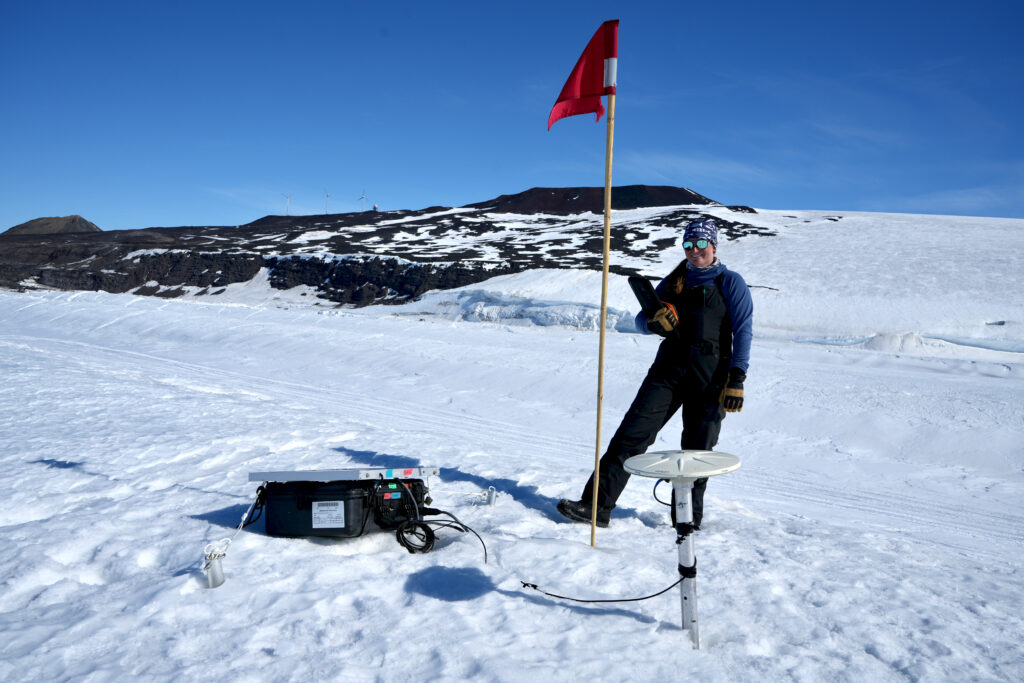
The upcoming analysis will focus on the correlation between temperature spikes and seismic activity within the ice. By "listening" to the ice through seismometers, the researchers hope to identify the specific conditions that trigger fracturing. This will provide a definitive answer to whether the rumples of the McMurdo Ice Shelf are a stabilizing force or a harbinger of collapse.
In the final analysis, the work of Dr. Ali Banwell and her team serves as a critical bridge between abstract climate theory and the physical reality of a changing planet. In the remote reaches of Antarctica, where the ice moves a foot a day and the sun never sets in summer, the future of the world’s coastlines is being written in the snow and stone. The scientists who brave these conditions are the ones providing the clarity needed to navigate an uncertain environmental future, proving that in the study of our planet, even the smallest movement in the ice carries the weight of the world.

