
The indefinite suspension of summer skiing operations on the Horstman Glacier at Whistler Blackcomb marks a definitive turning point for the North American winter sports industry. For over three decades, this glacier served as a premier training ground for the world’s elite freestyle skiers and a summer sanctuary for outdoor enthusiasts. However, the official closure of these operations serves as a stark physical manifestation of a broader environmental crisis. When Mike Douglas, a Salomon athlete and legendary figure often referred to as the "Godfather of Freeskiing," began his career at Whistler Blackcomb in the 1990s, the glacier was a robust proving ground. Today, the landscape has transformed so radically that the activities which once defined the region’s culture are no longer viable. This shift has prompted a significant re-evaluation of corporate responsibility within the outdoor gear sector, led by partnerships between major brands like Salomon and advocacy groups such as Protect Our Winters (POW).
The Decline of the Horstman Glacier: A Chronological Overview
The Horstman Glacier, located on Blackcomb Mountain in British Columbia, was historically one of the few places in North America where skiing and snowboarding could continue well into July and August. In the 1980s and 1990s, it hosted legendary summer camps that produced generations of Olympic and X Games champions. During this era, the snowpack was deep enough to support T-bar lifts anchored directly into the ice.
By the early 2000s, glaciologists began noting a significant acceleration in the melt rate. According to data from the University of Northern British Columbia, glaciers in Western Canada are projected to lose approximately 70% of their 2005 volume by the year 2100 if current climate trends continue. The Horstman Glacier became a visible victim of this projection. In 2020, the T-bar lift that had serviced the glacier for decades was permanently removed because the ice beneath it had thinned to the point where it could no longer safely support the infrastructure. While Whistler Blackcomb initially attempted to maintain operations through intensive snow farming and grooming techniques, the "indefinite suspension" announced recently signals that the rate of ablation has finally outpaced human intervention.
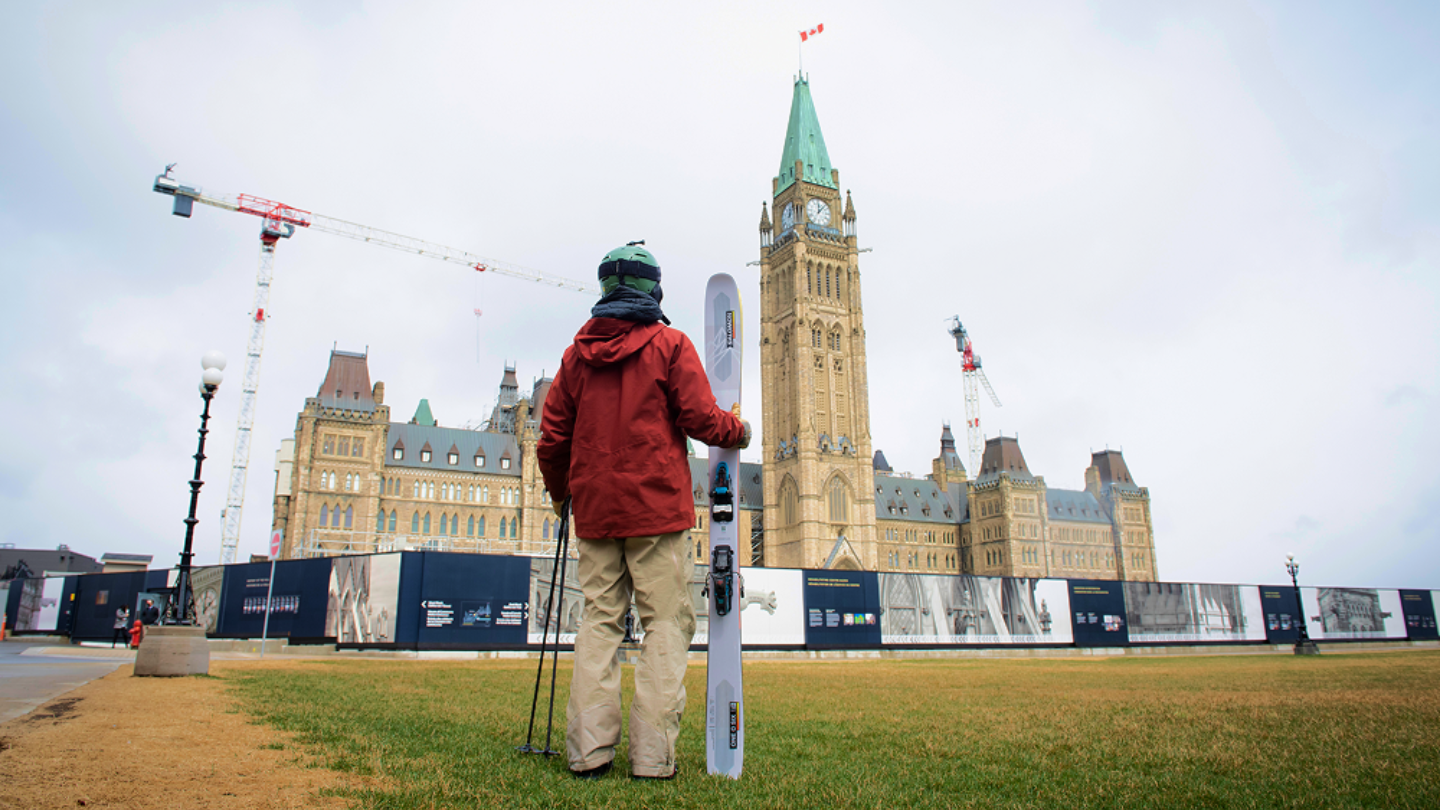
Mike Douglas and the Transition from Performance to Advocacy
For Mike Douglas, the loss of the Horstman Glacier is more than a professional setback; it is a loss of heritage. Having spent the better part of 30 years representing Salomon on the world stage, Douglas has transitioned from a pure athlete to a "Swiss Army Knife" of the industry—balancing roles as a film producer, brand ambassador, and a prominent member of the POW Canada Alliance since 2018.
Douglas’s perspective represents a growing trend among professional athletes who are utilizing their platforms to address environmental degradation. In the 1990s, the conversation around skiing was focused almost exclusively on performance, gear innovation, and the pursuit of "fresh powder." Today, Douglas argues that the narrative must shift toward preservation. He describes his role as a bridge between the high-level performance demands of global sports and the practical realities of achieving net-zero emissions. His work with Salomon HQ involves advising on how a global manufacturer of sports equipment can implement small, scalable changes in production and supply chains that yield significant cumulative benefits.
Corporate Action: Salomon’s Sustainability Roadmap
The partnership between Salomon and Protect Our Winters is rooted in the realization that awareness alone is insufficient. The outdoor industry is currently grappling with the irony of its existence: the production of the gear required to enjoy the outdoors often contributes to the carbon emissions that threaten those very environments. Salomon has responded by integrating sustainability into its core business model rather than treating it as a peripheral marketing initiative.
Key pillars of Salomon’s strategy include:
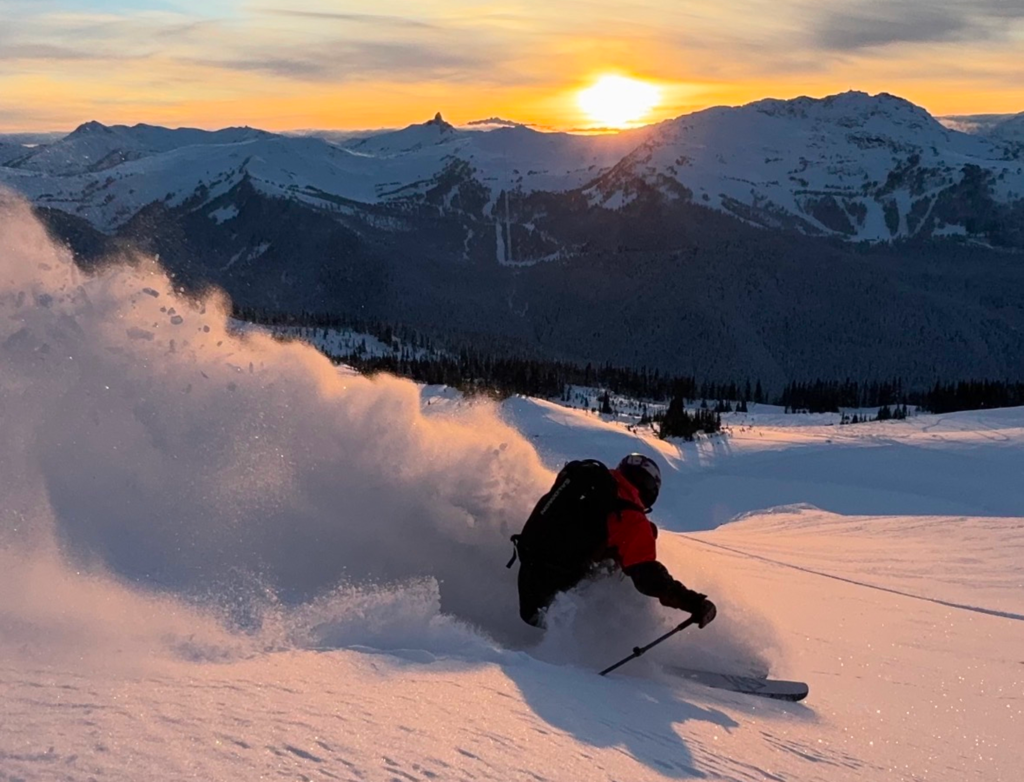
- Circular Economy Initiatives: Salomon has invested heavily in research and development to create products that can be fully recycled. A primary example is the development of the "Index" series of footwear, designed to be disassembled and repurposed at the end of its life cycle. In the hardgoods sector, this involves exploring bio-based resins and recycled materials for ski construction.
- Supply Chain Transparency: The brand is working to reduce its carbon footprint by optimizing logistics. This includes shifting away from air freight in favor of sea and rail transport, which significantly lowers the emissions per unit of product moved.
- The Quality Ski Time (QST) Tour: This initiative serves as a mobile platform for community engagement. By traveling to various mountain towns, the tour promotes not just the latest equipment, but also climate education and advocacy training for local skiers and snowboarders.
- Athlete Advocacy Training: In collaboration with POW, Salomon helps train its roster of athletes to become effective climate communicators. This moves the needle from "influencer marketing" to "advocacy leadership," empowering athletes to speak knowledgeably about policy changes and environmental science.
The Economic Reality of Warming Winters
The urgency of these corporate shifts is underscored by the economic vulnerability of the winter sports industry. In the United States alone, the ski industry contributes more than $20 billion annually to the economy and supports over 190,000 jobs. However, a report by POW and the University of New Hampshire found that during low-snow years, the industry loses over $1 billion in revenue and thousands of jobs.
In British Columbia, the impact is equally severe. The closure of summer operations on the Horstman Glacier represents a direct loss of tourism revenue for the Whistler region during the shoulder seasons. Furthermore, as winter seasons become more volatile—characterized by later starts, earlier thaws, and more frequent rain-on-snow events—resort operators are forced to rely more heavily on energy-intensive snowmaking, which further complicates their carbon-neutrality goals.
The Role of Advocacy in Policy Change
While manufacturing changes are vital, Mike Douglas and POW emphasize that the "biggest move" a brand can play is in the realm of advocacy. The outdoor industry is increasingly being viewed as a powerful voting bloc and economic lobby. By partnering with POW, Salomon is not just changing how it makes skis; it is throwing its weight behind legislative efforts to transition to clean energy and protect public lands.
Athletes like Douglas are now frequently found in boardrooms and even legislative offices, acting as witnesses to the changes they see in the mountains. This form of advocacy is designed to counter misinformation and provide a human face to the data points provided by climate scientists. The logic is that if the people who spend the most time in these environments—the "canaries in the coal mine"—cannot convince the public of the need for action, few others can.

Analysis of Implications for the Broader Industry
The situation at Whistler Blackcomb is a precursor to what other mountain resorts may face globally. From the Alps to the Andes, glaciers are retreating at historic rates. This reality is forcing a "diversification of the mountain experience." Resorts that once relied solely on snow are increasingly pivoting toward year-round mountain biking, hiking, and eco-tourism.
However, for the winter sports equipment industry, the implications are more existential. If there is no snow, there is no market for skis or snowboards. Therefore, Salomon’s proactive stance is as much about business survival as it is about ethical responsibility. By leading the charge in sustainable manufacturing and advocacy, Salomon is attempting to set a standard that forces competitors to follow suit. This "race to the top" in sustainability could eventually redefine the manufacturing standards for the entire outdoor sector.
Conclusion: A Call for Collective Responsibility
The story of Mike Douglas and the Horstman Glacier is a microcosm of the global climate challenge. It highlights the transition from an era of perceived abundance to one of necessary restraint and strategic restoration. The science remains clear: the window for meaningful action to stabilize global temperatures is closing rapidly.
The collaboration between Salomon and Protect Our Winters serves as a blueprint for how the private sector can engage with non-profit advocacy to create a unified front. It acknowledges that while no single company can solve the climate crisis in isolation, the collective action of the outdoor industry—supported by its athletes and customers—can influence broader systemic change. As the Horstman Glacier fades into history, the focus moves toward ensuring that the winters of the future do not meet the same fate. The message from the "Godfather of Freeskiing" and the brands that support him is unambiguous: the time for passive observation has passed, and the era of active, systemic advocacy has begun.

