
The NorthWest Avalanche Center (NWAC) is a vital organization dedicated to public safety in the mountainous regions of the Pacific Northwest. Through its comprehensive forecasting and educational initiatives, NWAC plays a critical role in mitigating avalanche risks for recreationalists, professionals, and communities alike. Recently, the organization has been undergoing internal growth and strategic refinement, particularly within its non-profit development and communications arm. This evolution is spearheaded by dedicated individuals who are passionate about the mission of NWAC and committed to its continued success.
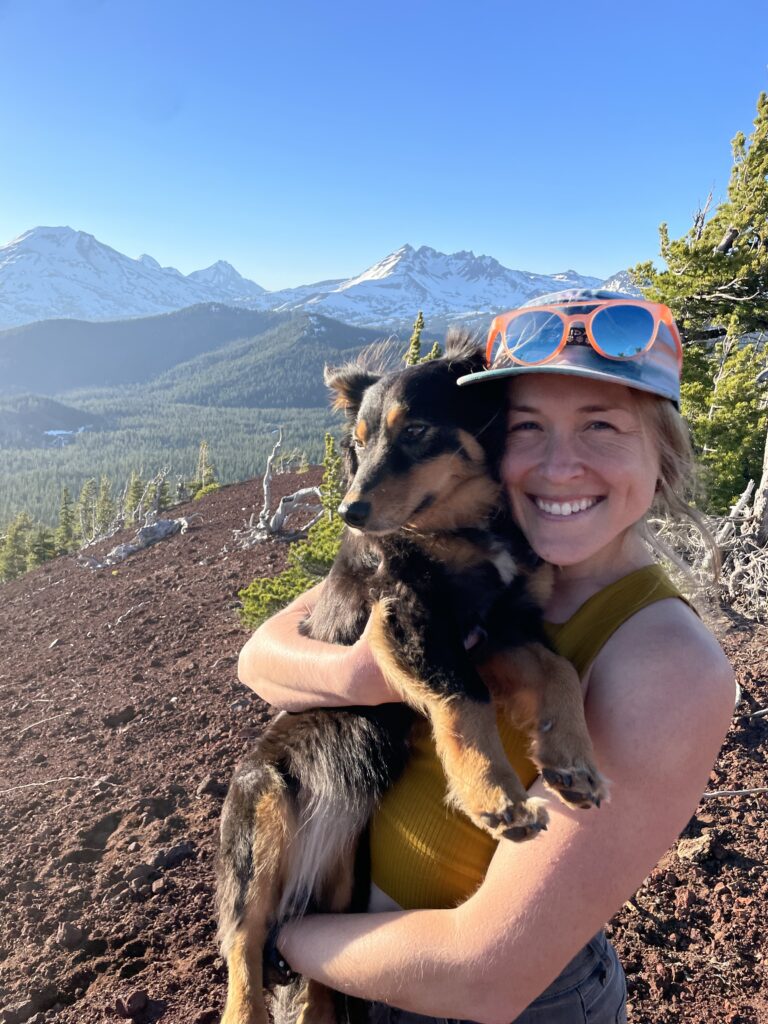
At the heart of NWAC’s operational and outreach efforts is a team that blends diverse skills with a shared commitment to safety and community. One such key individual is the Development & Communications Manager, who recently transitioned from a Membership & Communications Coordinator role. This shift signifies a deepening strategic focus on securing resources and amplifying the organization’s message. The manager’s journey to NWAC was motivated by a dual desire: to foster deeper engagement within the winter backcountry community and to contribute to mission-driven work. This aspiration has been met with a role that allows for the application of a broad spectrum of skills, immersion in a collaborative community, and the cultivation of creativity.
"I feel fortunate to have landed in a job where I have the opportunity to utilize a variety of skills, be immersed in community, and tap into creativity at work," the manager stated in a recent interview. "I’ve learned so much and met many incredible people through this job. I am grateful to be a part of a talented team of creatives, educators, innovators, and avalanche professionals." This sentiment underscores the collaborative and dynamic environment at NWAC, where individuals from various backgrounds converge to support a common cause.
Evolving Role and Daily Responsibilities
The transition to Development & Communications Manager signifies a strategic pivot for the individual, expanding their purview beyond day-to-day communications to encompass more long-term financial sustainability and broader organizational outreach. While the core mission remains the same – supporting NWAC’s forecasters and engaging the public – the new role demands a more integrated approach to fundraising and public relations.
A typical day at NWAC is characterized by its variability, largely dictated by the seasonal nature of avalanche forecasting and backcountry activity. The manager’s responsibilities span a wide spectrum, reflecting the multifaceted needs of a non-profit organization dedicated to public safety in a dynamic environment. These duties can include the creation of engaging social media content and targeted email campaigns, often incorporating compelling photography and videography captured during forecaster field days. The practicalities of membership management, such as shipping essential gear, are also part of the operational flow. Furthermore, maintaining the integrity of donor databases through meticulous CRM cleanup and actively planning and executing NWAC events are crucial components of the role. This blend of creative content generation, operational management, and strategic planning is essential for sustaining and growing NWAC’s impact.
Contributions to NWAC’s Communication Strategy
Over the past two seasons, the manager has played a significant role in shaping NWAC’s public voice and communications strategy. This contribution has been particularly impactful in enhancing the organization’s ability to connect with its audience and convey the critical importance of avalanche safety. The creative output, including images and videos, has been instrumental in supporting NWAC’s fundraising campaigns and event success.

"I have really enjoyed playing a role in NWAC’s voice and communications over the past two seasons," the manager shared. "It’s been fun and interesting to create images/videos and tell stories in a way that supports and aligns with NWAC’s mission. The content that our team created over the past two years helped drive the success of fundraising campaigns and NWAC events, which feels really worthwhile." This highlights the direct correlation between effective communication and the organization’s ability to secure necessary funding and engage a broader base of supporters. The anticipation of taking on a more strategic communications role in the upcoming season suggests a continued commitment to refining NWAC’s outreach and impact.
Exploring the Pacific Northwest Backcountry
The manager’s personal connection to the Pacific Northwest backcountry is evident in their appreciation for NWAC’s operational zones. While still exploring the full extent of these areas, they have gained valuable experience across diverse terrains, from the popular Washington Pass and Crystal Mountain backcountry to the iconic Mount Hood region.
"I’ve still barely dipped my toes into all of our zones, but I’ve gotten to sample a variety of them over the past two years," they explained. A particular affinity lies with the North Cascades, a region that holds personal significance due to a previous residence in the Methow Valley. More recently, the East Central zone has captured their attention, especially after participating in a hut-based AIARE 2 course at the Fortune Peak huts in the Teanaway this past winter. This hands-on experience within NWAC’s forecast zones provides invaluable insight into the terrain and conditions that forecasters monitor and report on.
A Universal Message for Backcountry Users
Beyond the operational and strategic aspects of their role, the manager conveys a fundamental message for all backcountry enthusiasts. This message emphasizes personal agency and the diverse ways individuals can engage with the winter environment.
"I want every backcountry user to know that you get to decide how you interact with the backcountry," they urged. "Whether you’re out for a leisurely stroll, tearin’ it up on a sled, or chasing big lines, you get to choose your style and flavor of getting out there." This inclusive perspective acknowledges the wide spectrum of activities undertaken in the backcountry and promotes a sense of ownership and responsibility for personal safety, regardless of the chosen pursuit. It subtly reinforces the need for awareness and preparedness, aligning with NWAC’s overarching mission to educate and inform all users.
Future Outlook and Team Growth
The future of NWAC, particularly its non-profit operations, is a source of considerable excitement for the Development & Communications Manager. A key driver of this optimism is the recent expansion of the non-profit team. The addition of a new team member is poised to significantly increase NWAC’s capacity to support its forecasters and enhance community engagement efforts.
"I am most excited about the recent evolution of the non-profit team," the manager stated. "We’re stoked to bring on an additional team member who will support the non-profit’s work and increase our capacity to support our forecasters and engage with our community. I’m excited to see what we can accomplish with a larger team, more experienced staff (Devon, Liz, and I have worked together for 2 seasons now!), and a continually evolving dynamic." This growth is not merely about increasing headcount; it represents a strategic investment in the organization’s ability to deliver on its mission. The synergy of experienced staff, like the manager, along with new talent, promises a more robust and impactful future for NWAC.
The Unseen Efforts of Avalanche Forecasting
The dedication and often arduous work of NWAC’s avalanche forecasters are frequently unseen by the public, yet their efforts are foundational to the safety information provided. A particularly memorable day on snow for the manager provided a stark and humorous illustration of this reality.
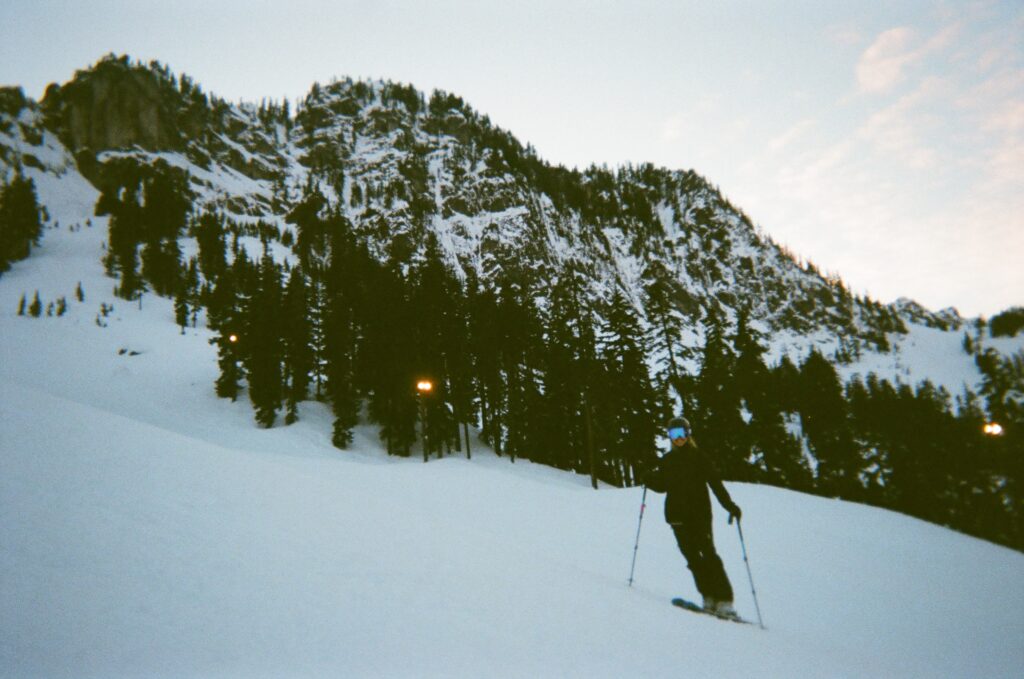
During a field day in Icicle Creek with forecaster Payton, what began as a routine assessment transformed into an unexpected adventure. The day involved considerable hiking with skis on their backs, navigating challenging terrain characterized by exposed dirt, wind-scoured surfaces, and dense undergrowth. The manager captured a humorous video of Payton’s determined struggle over and under fallen trees, with the forecaster exclaiming, "This is what we get paid for!" This anecdote serves as a powerful reminder that the accurate and timely avalanche forecasts that NWAC provides are the result of immense effort, often involving physically demanding fieldwork in challenging conditions. It underscores the value of the data gathered and the expertise applied by these dedicated professionals.
The Broader Implications of NWAC’s Work
The contributions of the Development & Communications Manager, and indeed the entire NWAC team, extend far beyond the immediate operational scope. By strengthening the organization’s financial stability through development efforts and by amplifying its safety messages through effective communication, NWAC is contributing to a culture of informed risk-taking in the backcountry.
Supporting Data and Context:
Avalanche incidents, while often tragic, are a stark indicator of the need for organizations like NWAC. According to data compiled by the Colorado Avalanche Information Center (CAIC), which tracks incidents across North America, the average number of avalanche fatalities in the United States has historically hovered around 25-30 per year. While NWAC primarily serves the Pacific Northwest, its work contributes to a national effort to reduce these numbers. The economic impact of avalanche tourism and recreation in regions like Washington is substantial, making safety a critical component of sustainable outdoor industry growth.
Chronology of NWAC’s Development:
NWAC was founded in 1980 as a non-profit organization. Its growth over the decades has been marked by expanding forecast areas, increasing public awareness, and evolving forecasting methodologies. The recent emphasis on strategic development and communications signifies a maturation of the organization, moving beyond basic operational needs to proactive resource development and sophisticated public engagement strategies. This evolution is a response to increasing demand for avalanche information, the growing popularity of backcountry recreation, and the ongoing need for robust funding to support critical forecasting and educational programs.
Broader Impact and Analysis:
The strategic focus on development and communications, as exemplified by the manager’s role, is crucial for the long-term sustainability of NWAC. Effective fundraising ensures that NWAC can continue to invest in technology, hire and retain skilled forecasters, and expand its educational outreach programs. Similarly, a strong communications strategy not only raises awareness but also builds trust and credibility with the public, encouraging adherence to safety guidelines.
The increasing popularity of backcountry skiing, snowboarding, and snowshoeing, particularly in the post-pandemic era, has placed greater demand on avalanche forecasting services. Data from various outdoor recreation surveys indicates a significant uptick in these activities. This surge in participation necessitates a corresponding increase in safety awareness and educational resources. NWAC’s proactive approach to strengthening its non-profit operations is therefore timely and essential for meeting these growing needs.
Inferred Reactions and Official Responses:
While specific official statements from NWAC leadership regarding the manager’s role were not provided, the described growth and strategic realignment within the non-profit team are indicative of a deliberate organizational strategy. The expansion of the team and the elevation of the Development & Communications Manager’s role suggest a commitment from NWAC’s board and executive leadership to bolster fundraising capacity and enhance public engagement. This approach is common among successful non-profit organizations seeking to maximize their impact and ensure long-term viability. The successful execution of fundraising campaigns and the positive feedback from the manager regarding their contributions strongly imply a supportive and appreciative environment within the organization.
The narrative of the Development & Communications Manager at NWAC provides a compelling insight into the inner workings of an organization dedicated to public safety in a challenging environment. Their journey, role evolution, and reflections highlight the importance of mission-driven work, the power of effective communication, and the ongoing commitment required to safeguard those who venture into the winter backcountry. As NWAC continues to grow and adapt, the strategic focus on development and communication will undoubtedly play a pivotal role in its continued success and its enduring contribution to avalanche safety in the Pacific Northwest and beyond.

