
Utah’s wildfire season has ignited with alarming intensity, marked by significant blazes erupting across the state, including near the populous areas of Salt Lake City and Provo. While these incidents pose immediate threats to communities and natural landscapes, a particular point of concern for the state’s vital winter tourism sector is the escalating situation around Eagle Point Resort, a popular destination for skiers and outdoor enthusiasts. The rapidly expanding Cottonwood Fire, currently raging in Beaver, Utah, has cast a dark shadow over the resort, forcing mandatory evacuations and temporary operational suspensions as firefighting efforts intensify.
The Genesis and Rapid Spread of the Cottonwood Fire
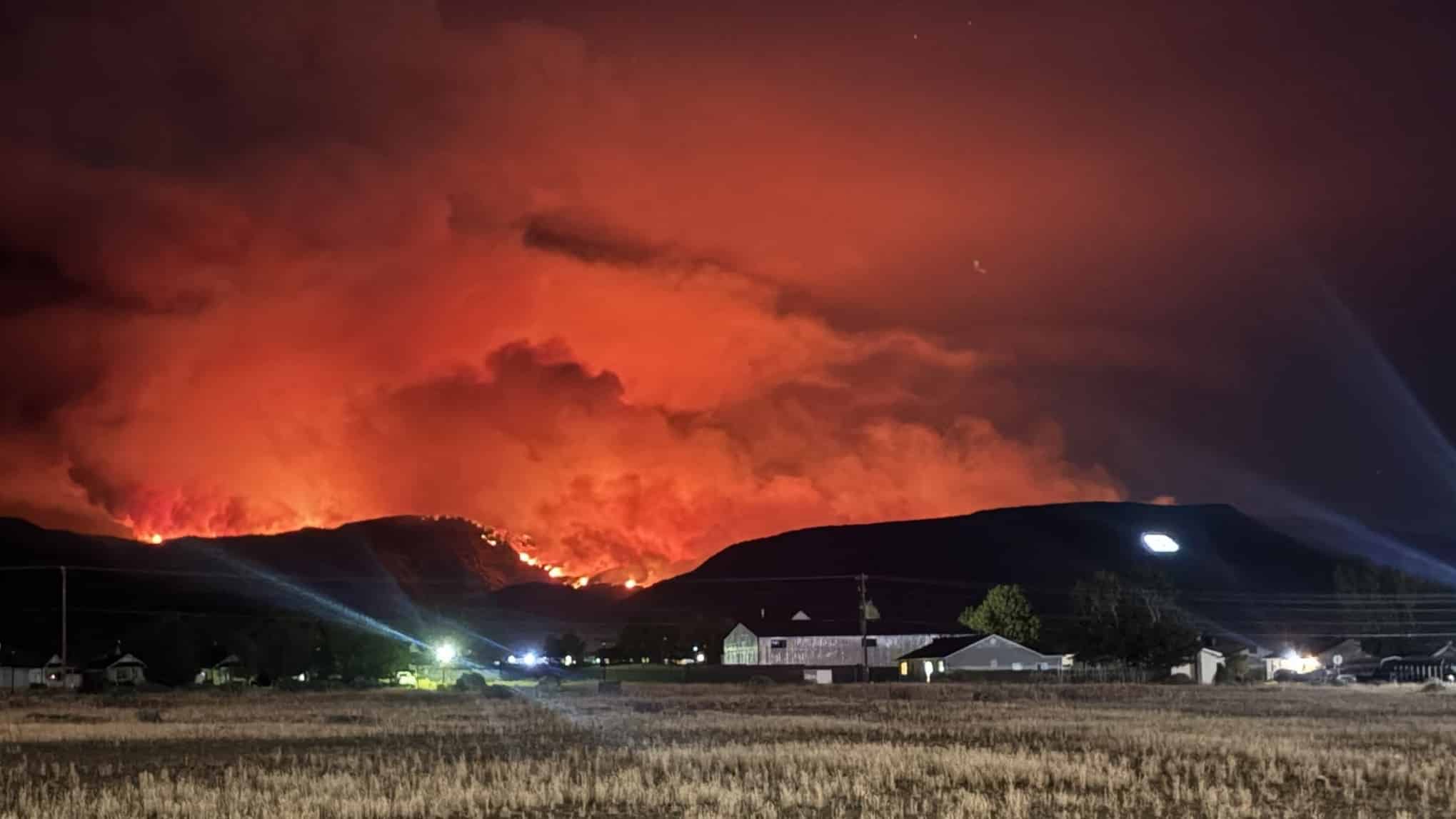
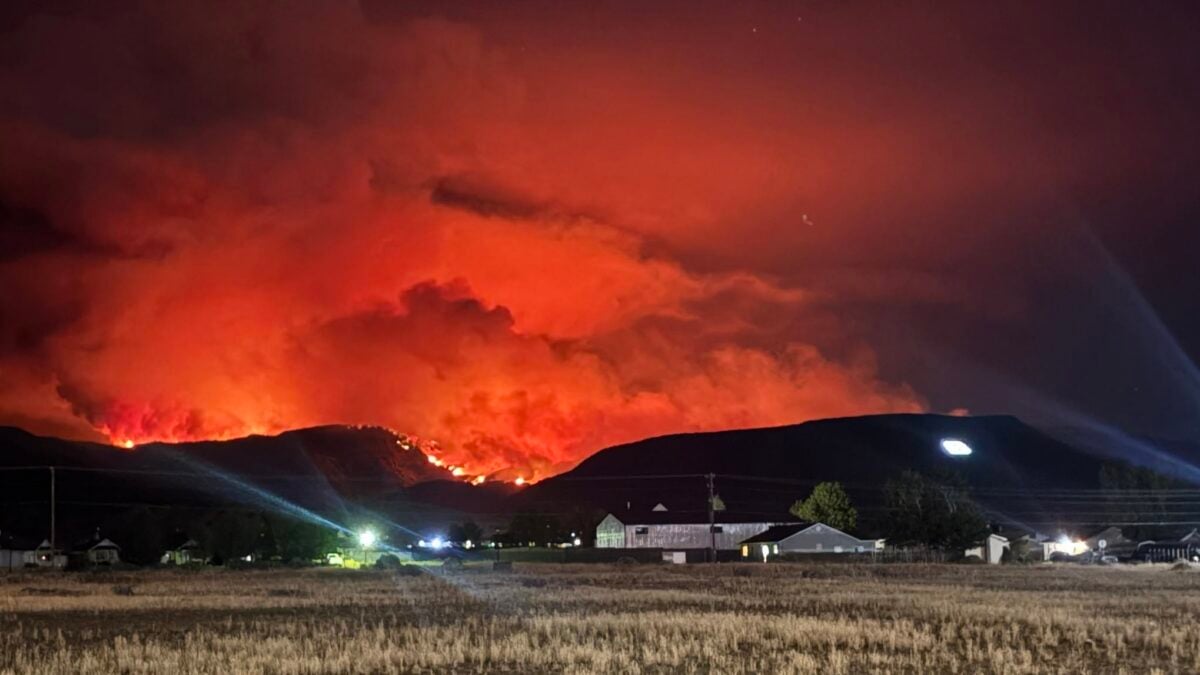
The Cottonwood Fire was first reported on the afternoon of June 22nd, approximately at 3:30 p.m., near Mile Marker 5 on State Route 153 in Beaver County. What began as a seemingly manageable incident was quickly exacerbated by powerful winds, a common characteristic of Utah’s arid summer climate. These prevailing winds acted as a catalyst, propelling the flames through dry vegetation and leading to an explosive growth in the fire’s footprint.
By late Monday evening, just hours after its initial detection, the fire had already consumed an estimated 10,000 acres, a testament to its aggressive behavior. This rapid escalation prompted immediate concern from local authorities and residents alike. The National Interagency Fire Center (NIFC) has since reported that the human-generated wildfire has impacted a staggering 24,100 acres, a figure that underscores the scale of the challenge faced by suppression crews. The proximity of the fire’s perimeter to the terrain of Eagle Point Resort became a critical development, triggering urgent evacuation orders for the resort itself and surrounding communities.
Chronology of Events and Evacuations
The timeline of the Cottonwood Fire’s progression highlights the swift and dynamic nature of the crisis:
- June 22, approximately 3:30 p.m.: The Cottonwood Fire is first reported near Mile Marker 5 on State Route 153 in Beaver County.
- Evening of June 22: Fueled by strong winds, the fire begins to spread rapidly, consuming thousands of acres.
- By 10:45 p.m. on June 22: Utah fire officials confirm the fire has grown to approximately 10,000 acres.
- Overnight of June 22-23: The fire continues its aggressive advance, with map imagery indicating it reaching the boundary of Eagle Point Resort.
- June 23 (Late Afternoon): Mandatory evacuation orders are in effect for Eagle Point Resort and nearby communities, including Merchant Valley, HiLo Estates, and Arrowhead Summer Homes. Power has been shut off to the area as a precautionary measure.
The mandatory evacuation orders underscore the immediate threat posed by the fire. Residents and visitors in the affected areas were compelled to leave their homes and properties, prioritizing safety above all else. The closure of State Route 153 in both directions between Mile Markers 2 and 25 further illustrates the critical nature of the situation, severing access to the fire zone and facilitating evacuation efforts.
Impact on Eagle Point Resort and Operational Status
Eagle Point Resort, a beloved winter sports destination that also attracts visitors during the summer for hiking and other outdoor activities, finds itself at the epicenter of this wildfire. The resort has officially suspended operations due to the ongoing Cottonwood Fire and the mandatory evacuation orders. This decision, while necessary for safety, represents a significant disruption for the resort and its stakeholders.
Shane Gadbaw, owner of Eagle Point Resort, articulated the resort’s position: "Eagle Point Resort has temporarily suspended operations due to the ongoing Cottonwood Fire and mandatory evacuation orders affecting the area." He further emphasized the resort’s commitment to safety: "The safety of our guests, homeowners, employees, and community remains our highest priority. Eagle Point Resort has fully complied with evacuation orders and is working closely with emergency management officials and responding agencies as the situation continues to evolve."
The resort is actively communicating with guests who have upcoming lodging reservations, offering options for rescheduling or cancellation. For assistance, guests are encouraged to contact the resort via email at [email protected].
Fire Suppression Efforts and Community Support
The response to the Cottonwood Fire involves a multi-agency effort, with firefighters, law enforcement officers, wildland fire crews, Fishlake National Forest personnel, and numerous emergency responders and volunteers working tirelessly. Their dedication is crucial in containing the blaze and protecting lives and property.
In a significant move to mitigate the fire’s spread and enhance suppression capabilities, Rocky Mountain Power has de-energized all power lines in the affected area. This proactive measure aims to prevent any potential ignition sources from the electrical infrastructure.
Furthermore, Beaver City has implemented a restriction on the use of its pressurized irrigation system until further notice. This measure is in place because firefighting crews are utilizing water from the pressurized irrigation pond to support their suppression efforts. This highlights the critical need for all available water resources in combating such a large and dynamic wildfire.
Broader Context: Utah’s Wildfire Season and Ski Industry Concerns
The Cottonwood Fire is emblematic of a broader trend: Utah is experiencing an increasingly severe wildfire season. Factors such as prolonged drought conditions, high temperatures, and dry vegetation create an environment ripe for rapid fire ignition and spread. This year’s fire activity is particularly concerning given its early onset and the scale of some of the incidents.
For Utah’s ski industry, which relies heavily on pristine natural environments and a healthy ecosystem, these fires pose a multifaceted threat. Beyond the immediate danger to infrastructure and access, prolonged or frequent wildfires can impact soil stability, water sources, and the overall health of the forests that are integral to the appeal of mountain resorts. While Eagle Point Resort is currently facing direct threats, the broader implications for other ski areas and the state’s tourism economy are also significant. The potential for fires to disrupt summer access, damage natural attractions, and impact air quality can have lasting economic and environmental consequences.
Analysis and Future Outlook
The Cottonwood Fire’s proximity to Eagle Point Resort serves as a stark reminder of the growing challenges posed by wildfires in the Western United States. The combination of human-caused ignitions and increasingly volatile weather patterns necessitates robust prevention strategies, rapid response capabilities, and strong community preparedness.
The resilience of communities like those in Beaver County, along with the unwavering efforts of emergency responders, will be paramount in navigating this crisis. The resort’s proactive communication and commitment to guest safety are commendable. As the situation evolves, continued collaboration between local authorities, state agencies, federal land managers, and private entities like Eagle Point Resort will be essential.
The long-term implications of such fires extend beyond immediate suppression. Reforestation efforts, watershed management, and community planning to mitigate future risks will be critical in ensuring the continued viability of areas like Eagle Point and the broader natural landscapes of Utah. The gratitude expressed by resort owner Shane Gadbaw towards the on-the-ground personnel reflects the immense effort and sacrifice involved in battling these infernos. "We are incredibly grateful for the dedication and bravery of the men and women on the front lines of this emergency," Gadbaw stated. "Their efforts are making a tremendous difference, and our thoughts remain with everyone affected by the fire."
The hope remains that firefighting efforts will be successful in containing the Cottonwood Fire, sparing Eagle Point Resort and the surrounding communities from further damage. However, this incident underscores the urgent need for continued vigilance and preparedness as Utah navigates the increasingly demanding landscape of its wildfire season. Updates on the fire’s status will be provided as additional information becomes available.

